Land
Living in a Tiny Home on Rented Land: Risks and Rights
6 min read · Updated November 29, 2025
By John
Renting the land under your tiny home is common and affordable — but it carries risks a landowner does not face. Here is how to protect yourself.
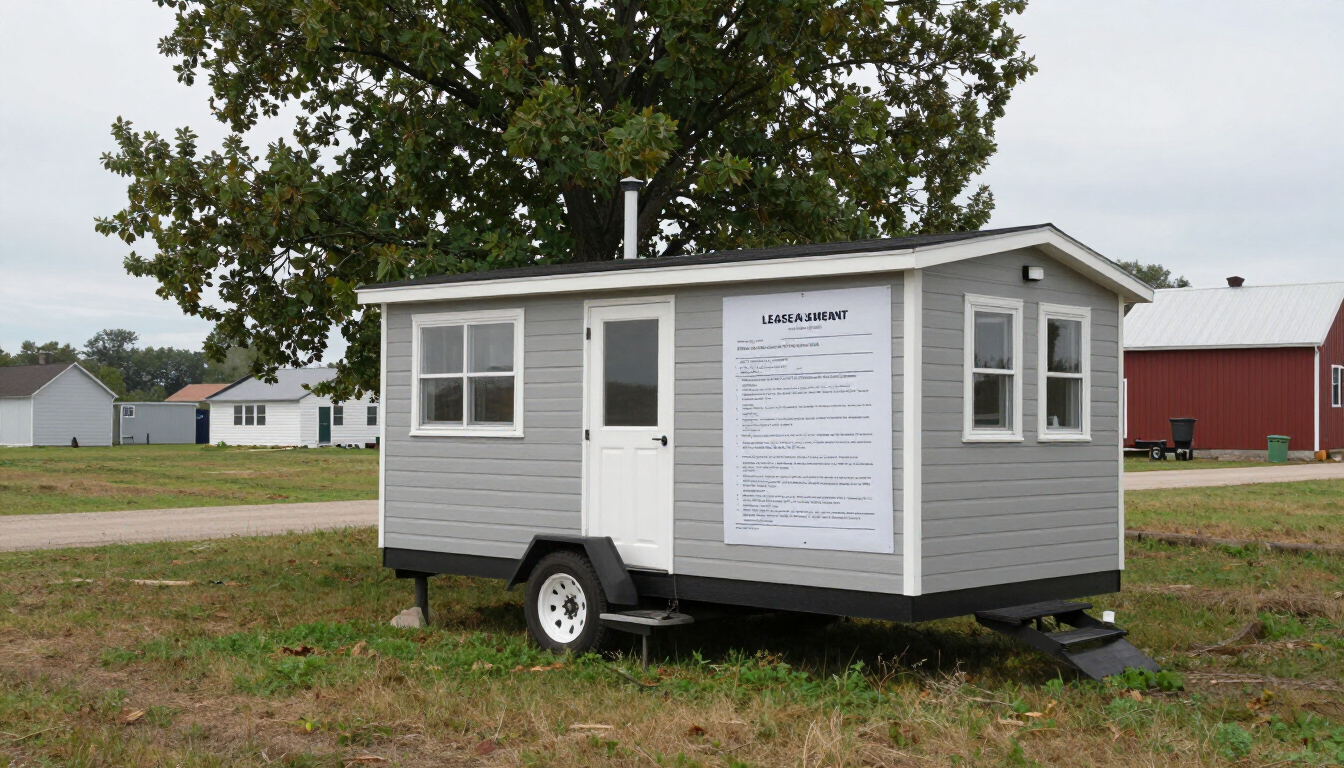
Why most tiny-home owners rent land
Owning a tiny home but renting the lot beneath it is the most common arrangement — it sidesteps the cost and zoning burden of buying land (see
The lease is everything
A written lease is non-negotiable. It should cover the rent and increases, the term and renewal, utilities included, who maintains what, what happens if the property sells, and the process for ending the lease and removing your home. A handshake deal is fine until the landowner sells or dies — then you can be evicted with weeks to move a home that costs thousands to tow (see hidden costs). Get the lease notarized and recorded if possible.
Risks to plan for
The biggest risk is loss of the lot — sale, redevelopment, or a landowner who simply changes their mind. Others: rent increases above what you can absorb, utility failures the landowner will not fix, and disputes over improvements you made. Mitigate with a long lease (3–5 years), a cap on rent increases, and a right of first refusal if the land sells. Confirm the landowner actually owns the land and that the use is legal under zoning.
When buying land makes sense
If you plan to stay put for 5+ years and can afford it, buying even a small parcel removes the eviction risk and lets you build equity (see buying land for off-grid). For shorter horizons or tighter budgets, renting remains the practical path. Either way, insure the home itself — our insurance guide covers what a renter's situation needs.
Related articles
More guides that dig deeper into the same topics.
Ready to start searching?
Browse tiny homes, plans, builders, communities and land on the interactive map.
Explore the map