Financing & Costs

Financing Tiny Home Land: Purchase and Ownership

14 min read · Updated March 6, 2026

By John

Finding land for a tiny home is half the journey; paying for it and owning it cleanly is the other half. Here is how to finance, evaluate, and hold land for a tiny home without expensive surprises.
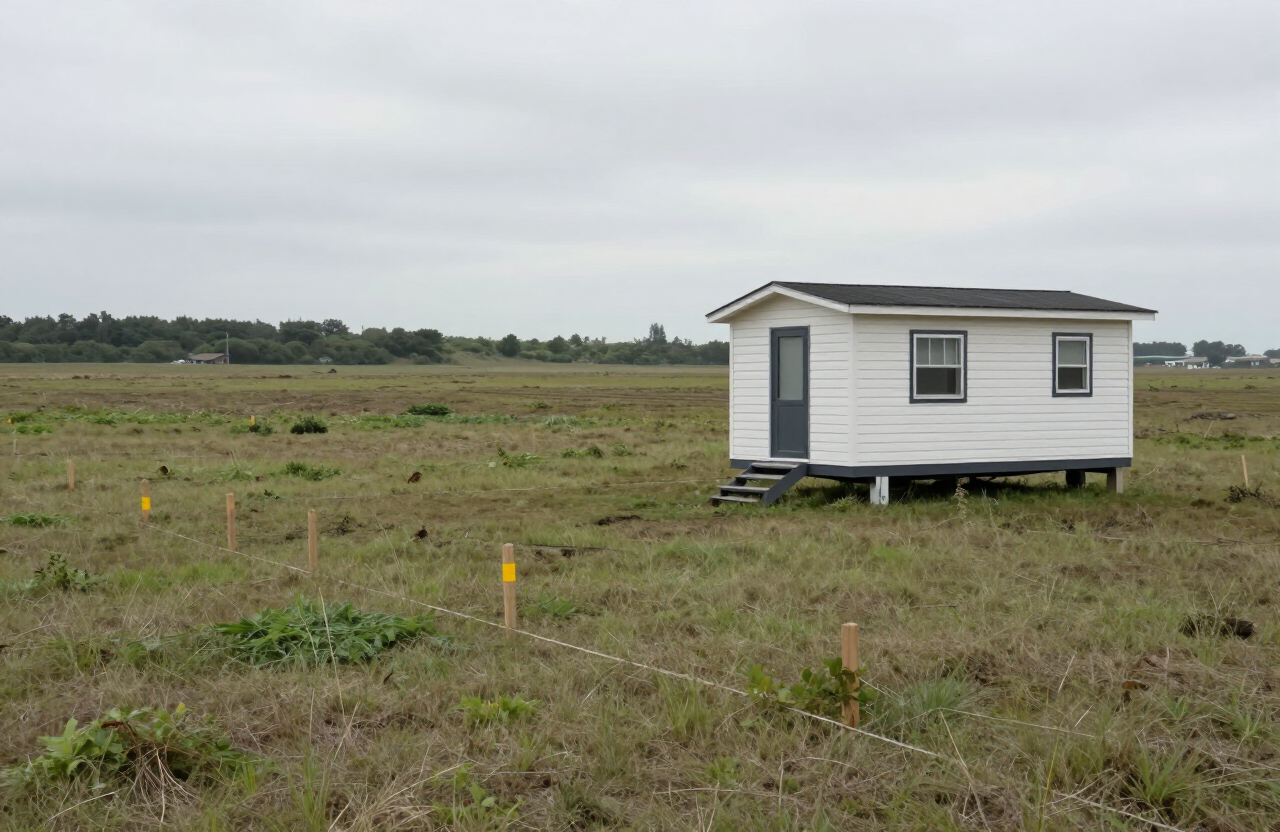
Rural land with a tiny home parked and wooden survey stakes marking the boundary in overcast soft light

Land is the other half of the project

A tiny home needs somewhere to sit, and for most buyers that means buying land — which is a separate purchase with its own financing, its own due diligence, and its own risks. Land loans work differently from mortgages, raw land can hide expensive problems, and the way you hold the land affects everything from zoning to resale. Treat the land search with the same seriousness as the home search, and budget for it as a distinct line item. Get the land right and the tiny home lifestyle falls into place; get it wrong and no amount of beautiful cabinetry will fix it. Browse

Cash, land loans, and owner financing

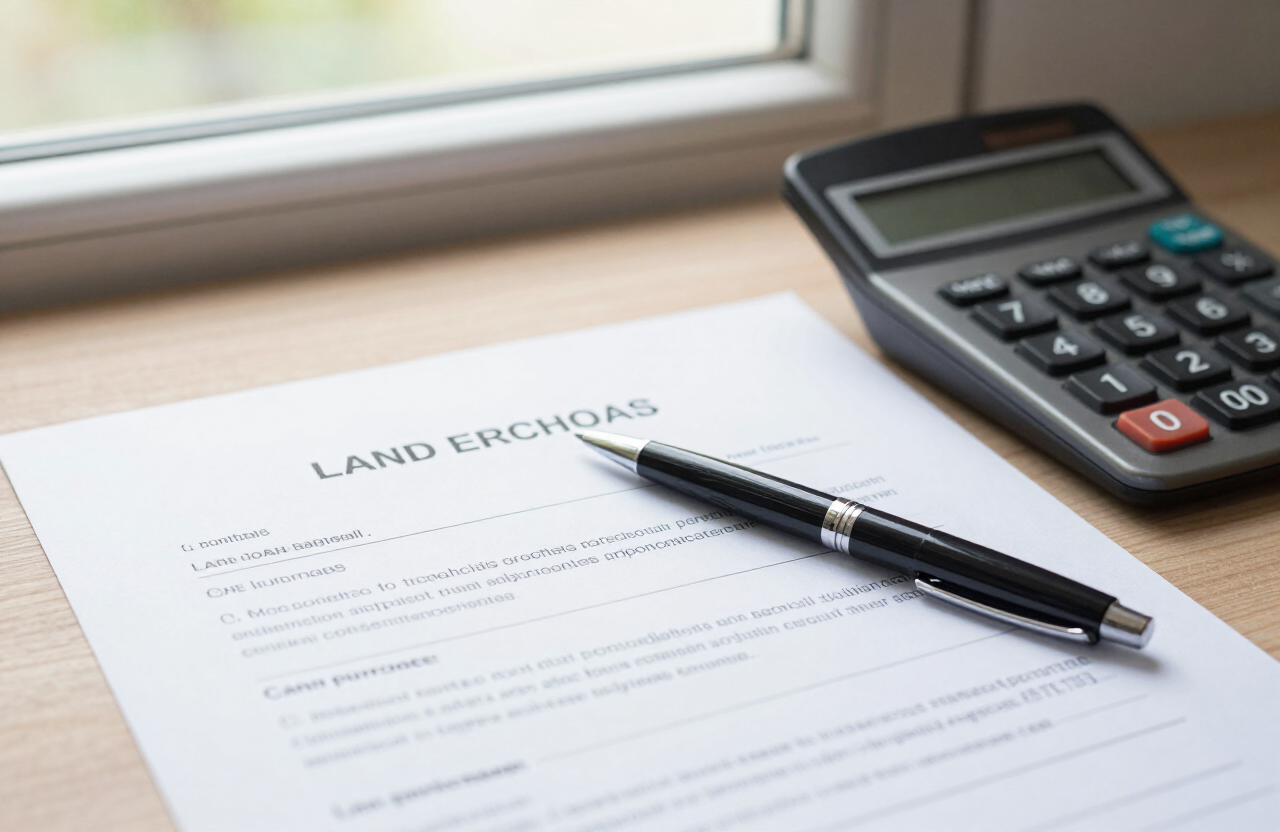
There are three main ways to pay for land, and each suits a different buyer. Cash is simplest and strongest — it unlocks the lowest price, the fastest close, and no debt, but it ties up capital. A land loan from a bank or credit union finances the purchase over 5–15 years, usually with a 20–35 percent down payment and a higher rate than a mortgage because raw land is riskier collateral. Owner financing — where the seller carries the note — is common for rural parcels and easier to qualify for than a bank loan, but the rate is often higher and the term shorter. Some buyers combine a land loan with a separate tiny home loan; others roll both into a construction-to-permanent loan if the home is on a foundation. See our
Land loan and purchase documents with a pen on a desk beside a calculator in natural window light

Evaluating a parcel before you buy

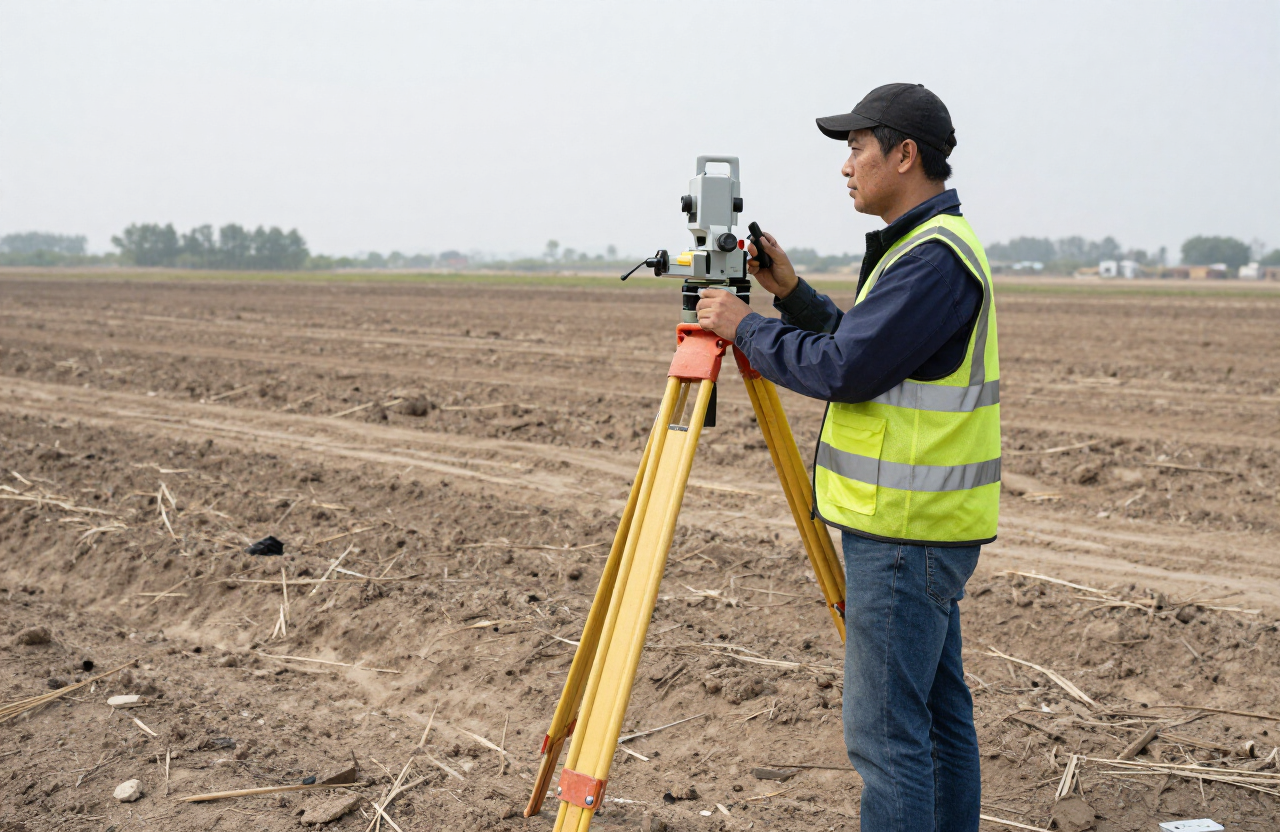
The cheapest land can be the most expensive if it hides problems, so evaluate a parcel before you make an offer. Walk the whole property, not just the road frontage. Check the slope — a steep parcel may be unbuildable without costly earthwork. Look for a suitable homesite with good drainage, southern exposure for solar, and room for a septic system. Confirm legal access: a parcel with no deeded right-of-way to a public road is nearly worthless. Check whether utilities are at the lot line or miles away, because running power and water to a remote parcel can cost more than the land itself. Order a professional survey if the parcel is not clearly marked. See our choosing land guide for the full checklist.
A land surveyor with a tripod and measuring equipment on a rural lot in daylight

Zoning, zoning, zoning

Before you fall in love with a parcel, confirm what the zoning allows — this is the single most important check and the one most buyers skip. Ask the planning department for the parcel's zoning, the minimum dwelling size, whether a tiny home on wheels is allowed as a residence, how many dwellings are permitted, and the setback rules. Some rural zoning allows a primary dwelling plus a tiny home as an accessory dwelling; some prohibits full-time RV living outright; a few have tiny-house-specific rules. Get the answers in a written zoning verification letter and make your offer contingent on zoning approval. A parcel that cannot legally host your tiny home is not a bargain at any price. Pair this with our permits guide.
Raw wooded land with trees and a clearing where a tiny home will be placed in soft natural light

Access, utilities, and off-grid potential
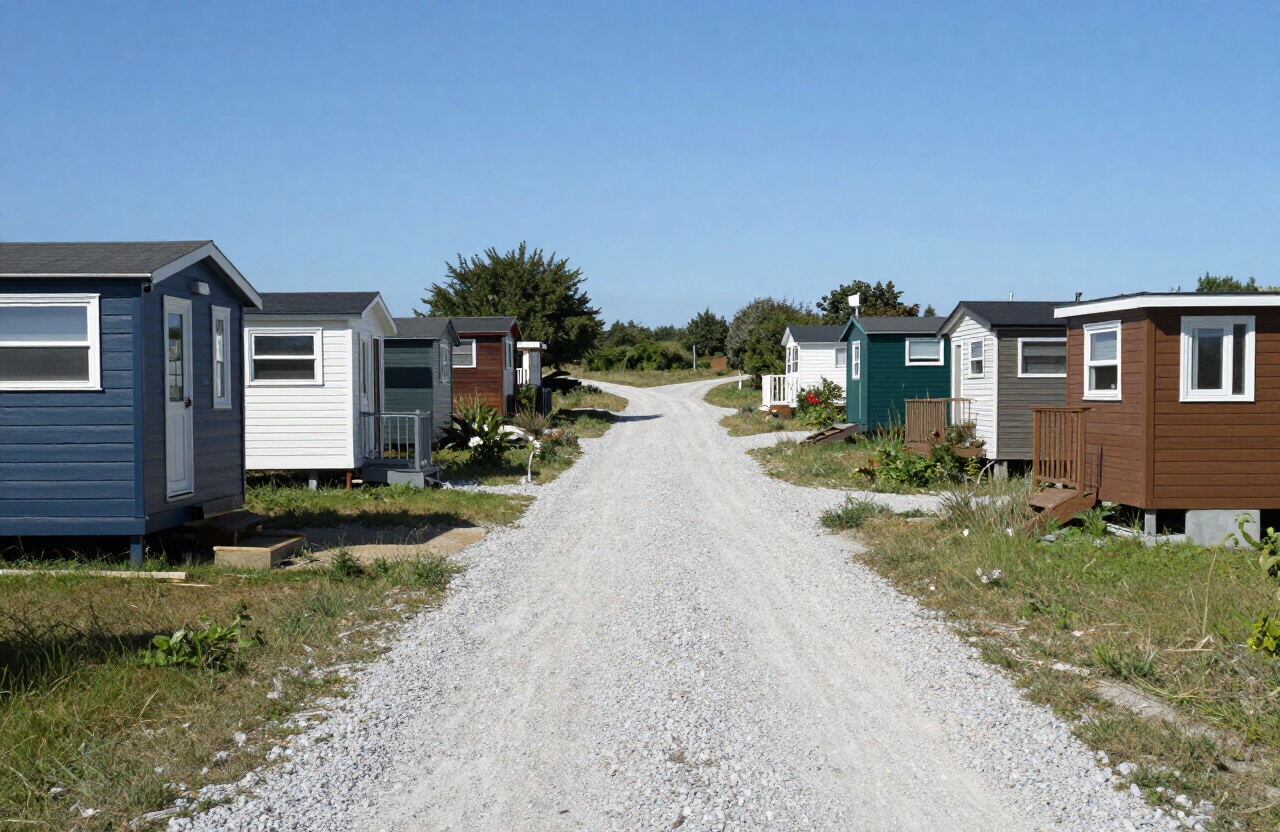
Two features make or break a rural parcel: legal access and utilities. Legal access means a deeded right-of-way to a maintained public road — a dirt path you have always used is not the same as a legal easement, and a locked gate can end your access. Utilities are the other big cost. If power and water are at the lot line, hookup is cheap; if they are miles away, running them can cost tens of thousands. Many tiny home buyers choose off-grid systems instead — solar, rainwater, septic, propane — which are practical at the small scale of a tiny home but still cost real money and need permits. A parcel with good solar exposure, a viable well or catchment site, and a perc test that passes for septic is a far better off-grid candidate than a flat, shaded, wet lot.
A gravel access road and driveway leading to a tiny home on rural land on a sunny day

The survey, title, and closing

Once you have a parcel under contract, protect yourself with due diligence before closing. Order a survey if boundaries are unclear — it confirms the acreage, the corners, and any encroachments, and it is required by most lenders. Run a title search to confirm the seller actually owns the land free of liens, and buy owner's title insurance to protect against claims that surface later. Order a perc test for the septic system and a well yield test if there is a well. Read the deed for easements, covenants, and restrictions that could limit what you build. Close through a title company or real estate attorney, not directly with the seller, so the transfer is recorded and insured. These steps cost a little upfront and save disasters later.
A property deed and title document folder on a table in close-up in natural light

Ownership structures: solo, co-op, or LLC
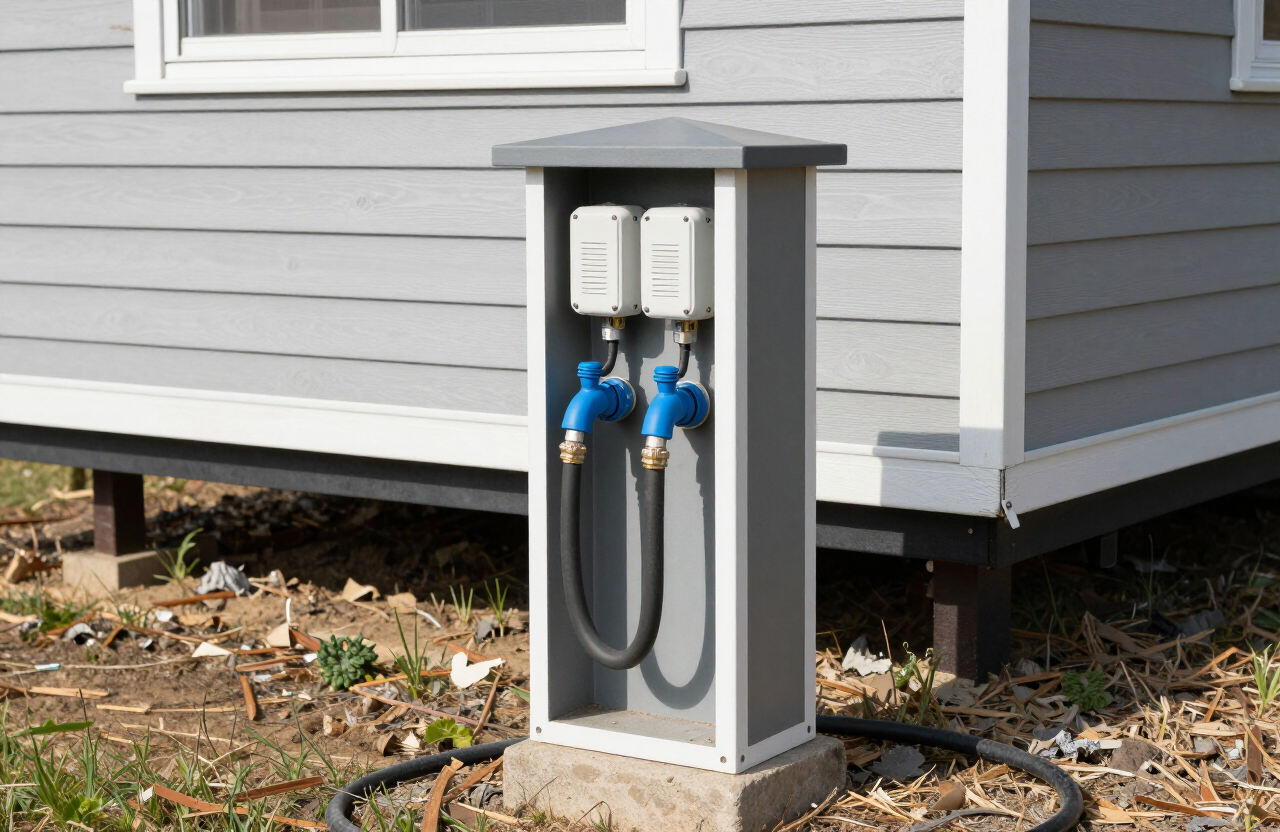
How you hold the land matters as much as which land you buy. Solo ownership is simplest and gives you full control, but you bear all the cost and responsibility. A cooperative or LLC structure lets several households share a larger parcel, splitting the cost and the land while each owns a share or a pad — this is how many tiny home villages are organized. An LLC also limits personal liability if you rent pads or host events. Each structure has tax, financing, and governance implications, so talk to an attorney or accountant before choosing. If you are joining an existing village, understand whether you are buying land, leasing a pad, or buying a share, because those are very different rights.
A utility hookup pedestal with electrical and water connections on a tiny home lot in daylight

Budgeting for the full land project

The purchase price is only part of the cost of putting a tiny home on land. Budget also for closing costs (2–5 percent of the price), the survey and perc test, a well or rainwater system, a septic system, running power or a solar array, a driveway and pad, and permits. On raw rural land, these improvements can add 20,000 to 60,000 dollars or more on top of the land price, and they are usually not financeable in the land loan. A turnkey parcel with utilities and access costs more upfront but far less to develop. Run the full numbers before you commit so the land does not eat the home budget. See our costs guide for the complete budget framework.
A budget spreadsheet for a land project with line items on a laptop screen beside a calculator and notes

Financing and ownership at a glance

OptionBest forWatch out for
CashBuyers with capitalTies up funds
Land loanBuyers needing financingHigher rate, larger down payment
Owner financingRural parcels, thin creditHigher rate, shorter term
Co-op / LLCShared village landGovernance and exit rules
Turnkey lotLow development riskHigher purchase price

Putting it all together

Financing and owning land for a tiny home is a project of its own, and it deserves the same care as choosing the home. Pick the payment path that fits your capital — cash, a land loan, or owner financing — and evaluate every parcel for access, utilities, zoning, and a viable homesite before you commit. Protect yourself with a survey, title insurance, and a perc test, and choose an ownership structure that matches your goals. Budget for the full development cost, not just the price, so the land does not eat the home budget. Ready to find your parcel? Browse communities and land, explore tiny homes for sale, or compare builders who can advise on site prep.

Related articles

More guides that dig deeper into the same topics.

Frequently asked questions

Can I get a loan to buy land for a tiny home?+

Yes. Banks and credit unions offer land loans with 20–35 percent down and a 5–15 year term, usually at a higher rate than a mortgage because raw land is riskier collateral. Owner financing is also common for rural parcels and easier to qualify for, though often at a higher rate and shorter term.

What is the difference between a land loan and a mortgage?+

A mortgage finances a house on land and uses the whole property as collateral, while a land loan finances just the land, requires a larger down payment, carries a higher rate, and has a shorter term. If your tiny home is on a permanent foundation, you may qualify for a construction-to-permanent loan that rolls land and home together.

What should I check before buying land for a tiny home?+

Confirm zoning allows your tiny home in writing, verify legal deeded access to a public road, check whether utilities are at the lot line, walk the slope and drainage, order a survey if boundaries are unclear, and run a perc test for the septic system. Make your offer contingent on zoning and perc approval.

Is owner financing a good way to buy land?+

It can be, especially for rural parcels where bank loans are hard to get. Owner financing is easier to qualify for and flexible, but the interest rate is often higher and the term shorter than a bank loan. Read the note carefully, confirm the seller owns the land free and clear, and close through a title company.

How much does it cost to develop raw land for a tiny home?+

Beyond the purchase price, budget for closing costs, a survey and perc test, a well or rainwater system, a septic system, running power or a solar array, a driveway and pad, and permits. On raw rural land these can add 20,000 to 60,000 dollars or more, and they are usually not financeable in the land loan.

Should I hold tiny home land in an LLC?+

An LLC can make sense if you share the parcel with other households, rent pads, or host events, because it limits personal liability and clarifies governance. For a single solo owner, direct ownership is simpler. Each structure has tax and financing implications, so talk to an attorney or accountant before choosing.

Ready to start searching?

Browse tiny homes, plans, builders, communities and land on the interactive map.

Explore the map
>