Land & Location

Choosing Land for Your Tiny Home: Location Guide

13 min read · Updated March 4, 2026

By John

The right piece of land makes tiny home life feel like freedom; the wrong one turns it into a legal and logistical headache. Here is how to evaluate zoning, utilities, access, and climate before you buy.

Rolling rural land parcel with mixed trees, open meadow and distant mountains at golden hour

Start with what you can legally do on the land

Before you fall in love with a view, find out what the law allows. Zoning is the single most important factor in choosing land for a tiny home, because it determines whether you can live in a tiny home on that lot at all. Some zones allow a primary residence but not an accessory tiny home; some allow a tiny home on wheels only as a temporary recreational structure; a few are tiny-home friendly. Call the local planning department, ask specifically about tiny homes on wheels and on foundations, and get the answer in writing. A beautiful lot you cannot legally live on is worthless to you.

Zoning, setbacks, and minimum square footage
Three rules commonly block tiny homes. Minimum square footage laws require a primary dwelling to be 600–1,200 sq ft, which a tiny home cannot meet — though some areas have reduced or eliminated these minimums. Setback rules dictate how close you can build to property lines, which on a small lot can leave nowhere to put the home. And zoning may classify a tiny home on wheels as an RV, limiting occupancy to a set number of days per year. Look for counties with accessory dwelling unit (ADU) ordinances, rural zones with no minimum, or dedicated tiny home communities that have already cleared these hurdles. See our
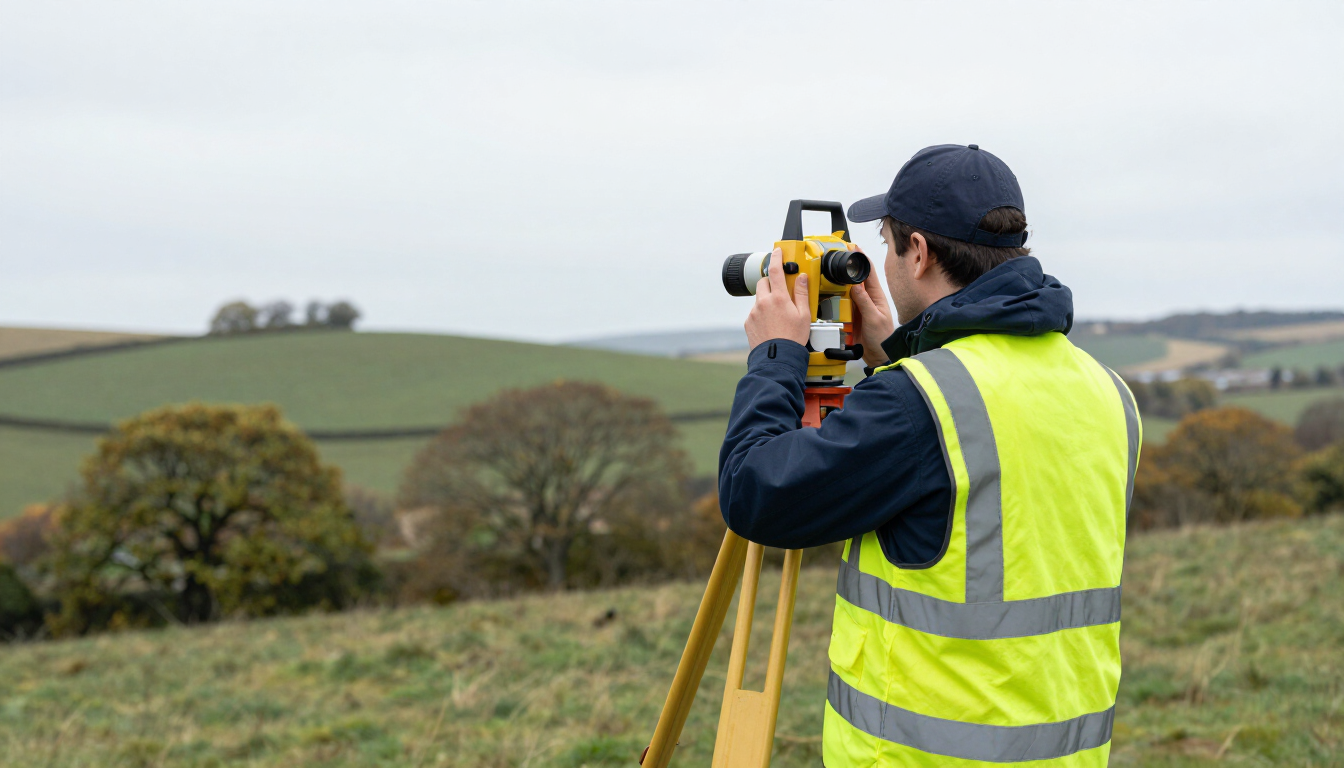
Person in a hi-vis vest using a surveyor's transit on rural land with trees and rolling hills

Utilities: grid, well, and septic

Utilities can make or break a lot's affordability. Grid power at the lot line is cheap to connect; a pole a mile away can cost tens of thousands to extend. Municipal water and sewer are ideal but rare on rural land, so plan for a well and a septic system, both of which require permits and a perc test for the septic. If the land has no water, budget for a well drill or a rain catchment and delivery system. Off-grid solar is viable if the site gets good sun — check for south-facing exposure and tree cover. A lot that looks cheap can become expensive fast once you price in bringing utilities to it.
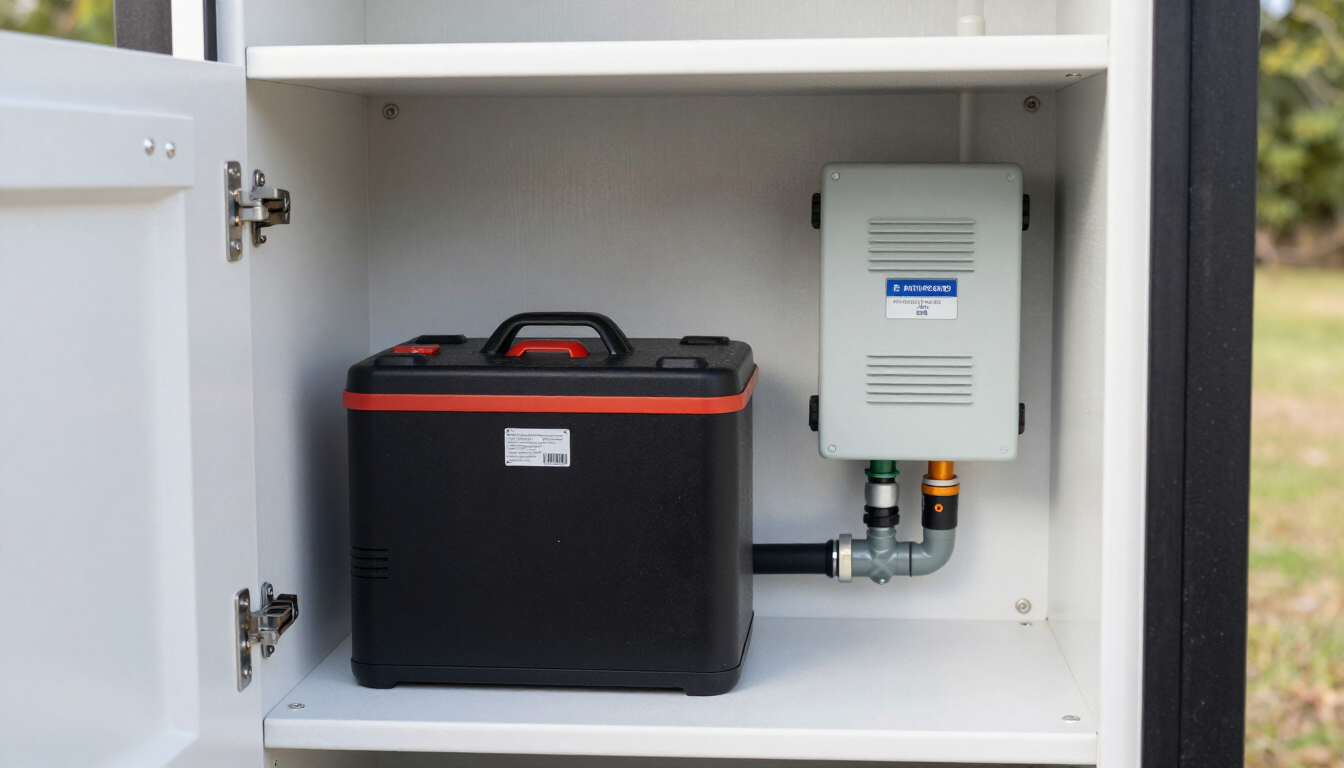
Tiny home utility closet with a battery bank, inverter and breaker panel for off-grid systems

Access, roads, and seasons

Can you actually get to the land year-round? A deeded, maintained road is essential; a seasonal dirt track that turns to mud in spring or snows shut in winter can make the lot unusable for months. Check whether the road is public or private and who maintains it, and drive it in bad weather before you buy. Confirm legal access — a right-of-way easement — not just a physical path. For a tiny home on wheels, also consider whether a truck and trailer can navigate the road and turn around on the lot. A gorgeous remote parcel you cannot reach in January is a liability, not a retreat.
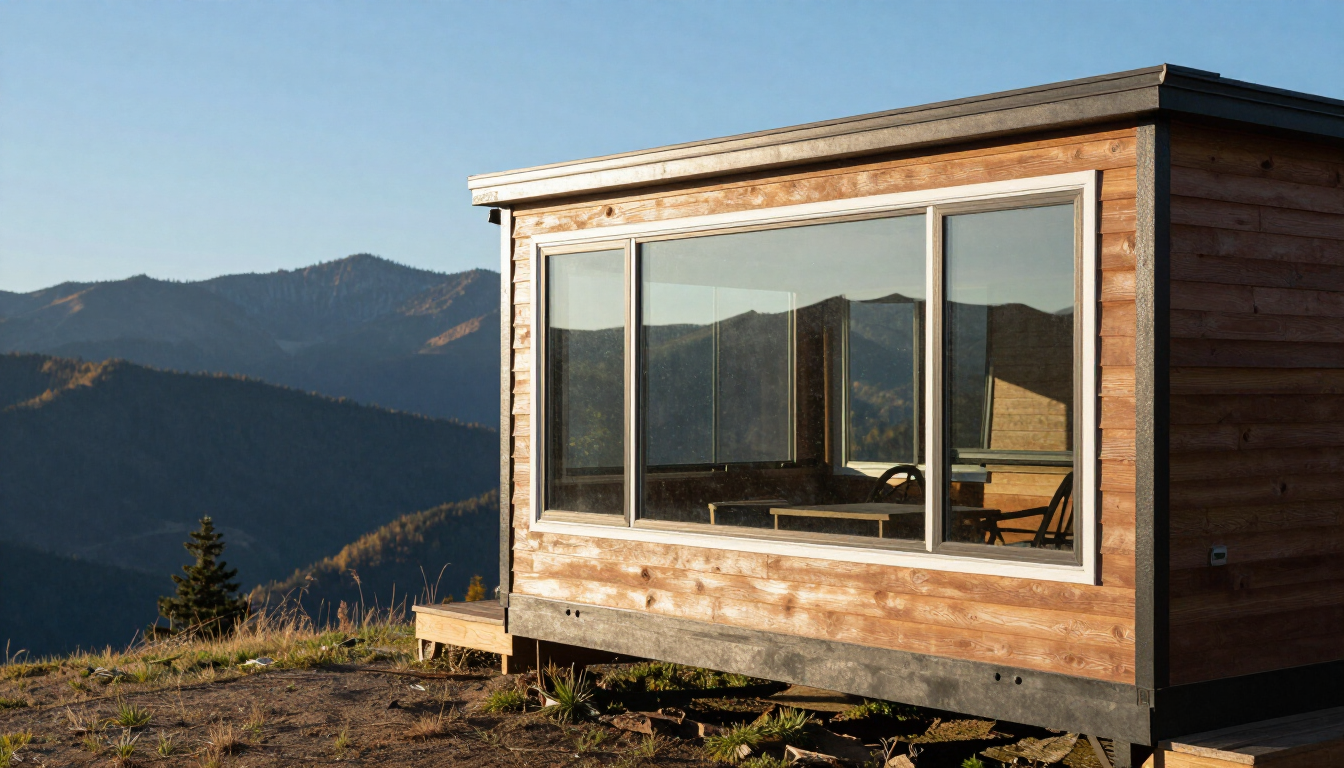
Tiny home parked on a hillside with a sweeping mountain view through large windows

Climate, sun, and drainage

The land's climate shapes your tiny home's comfort and systems. A south-facing slope with winter sun lowers heating costs and makes solar viable; a north slope stays cold and damp. Look at drainage — a flat lot in a heavy rain area can flood, and a low spot collects cold air and frost. Walk the lot after a rain if you can. Wind exposure matters too: a windy ridge increases heating load and makes a tall tiny home on wheels harder to keep stable. Soil type affects foundation cost, septic feasibility, and gardening. Match the land's character to the climate systems you plan to use, drawing on our climate control guide.
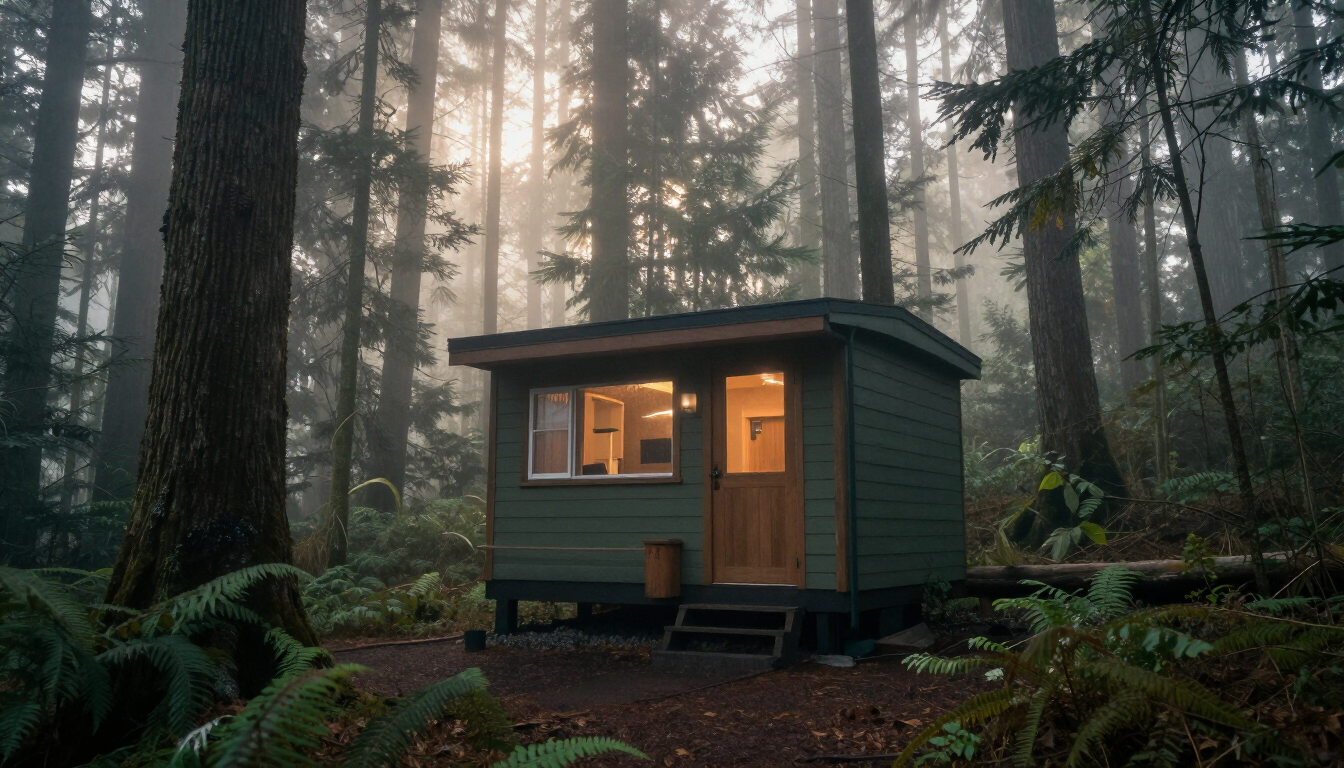
Tiny home nestled in a forest clearing with tall trees around it in misty morning light

Community vs. solitude

Decide early whether you want neighbors or isolation. A tiny home community or an ADU-friendly neighborhood offers shared infrastructure, social connection, and zoning that already permits your home — but less privacy and possibly HOA rules. A remote rural lot offers solitude and freedom but means you handle all utilities, security, and emergencies alone, and you may face more zoning scrutiny as a single nonconforming use. Both can be wonderful; the mistake is choosing the wrong one for your temperament. Browse
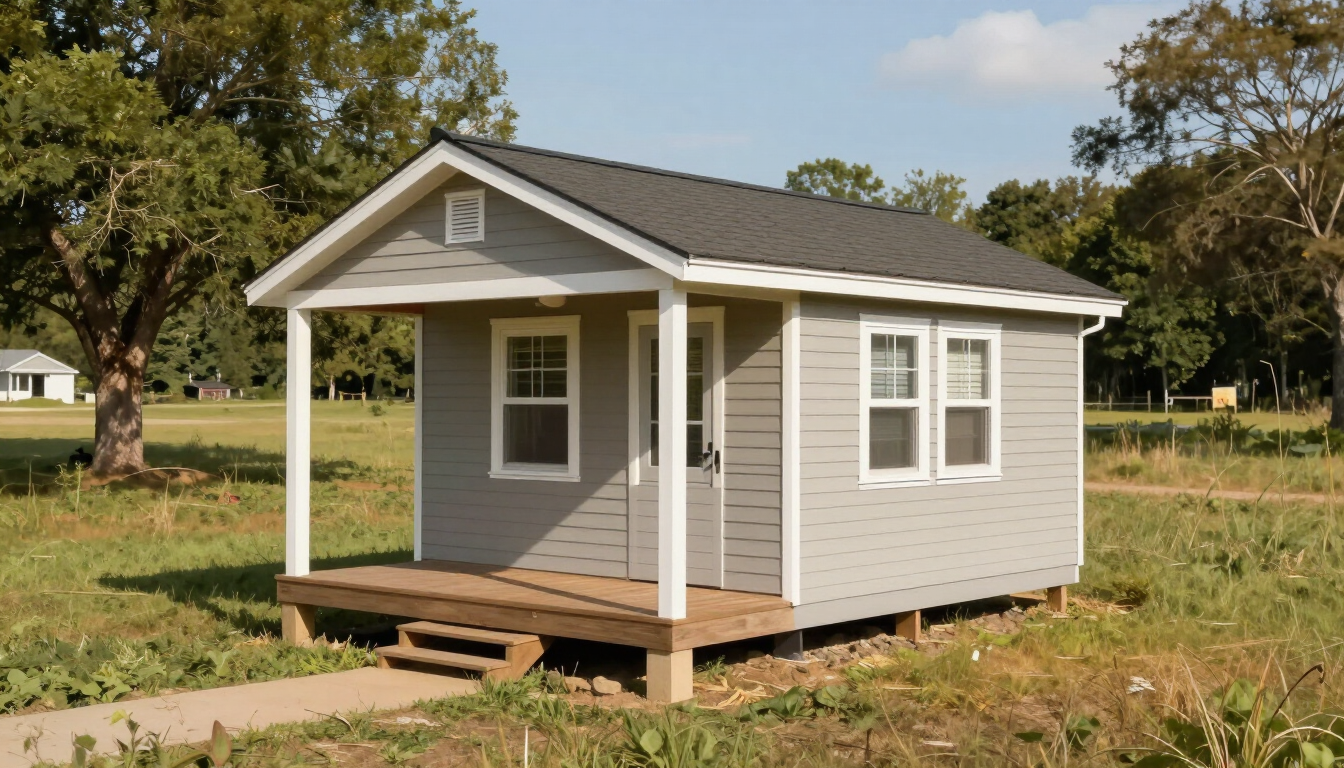
Park model tiny home with a pitched roof, porch and skirting on a rural lot

What to check before you make an offer

CheckWhy it matters
Zoning & tiny home rulesDetermines if you can live there legally
Minimum square footageCan bar a tiny home as a primary dwelling
Setbacks & lot sizeLeaves room to place the home
Utilities at the lotGrid, well, septic, solar potential
Year-round legal accessReachable in all seasons
Drainage & sunComfort, flooding, solar viability
Deed restrictions & HOAMay ban tiny homes outright
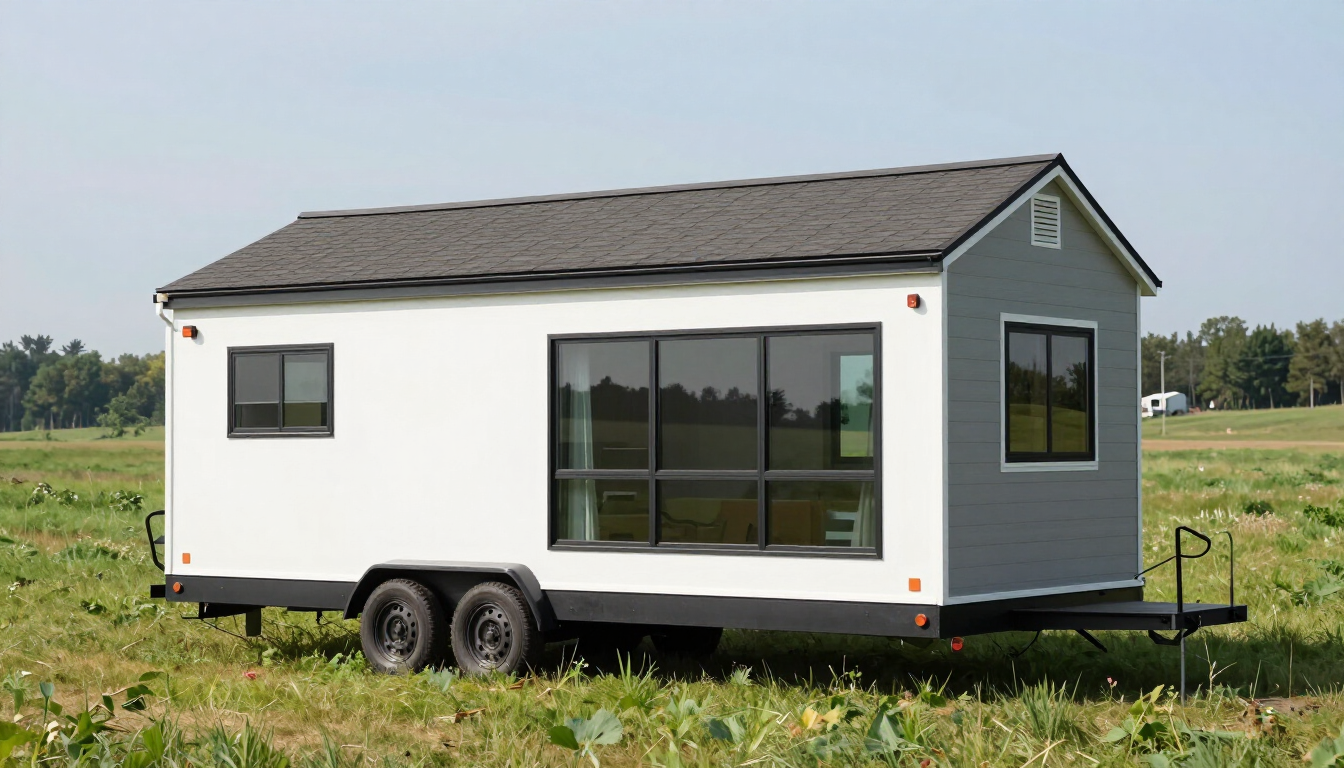
Modern tiny home on wheels with a gable roof and large windows parked in a green meadow

Putting it all together

Choosing land for a tiny home is a legal exercise as much as a romantic one. Start with zoning and confirm in writing that you can live in a tiny home on the lot. Then evaluate utilities — grid, well, septic, solar — and price the cost of bringing them to the site. Verify year-round legal access, walk the lot in bad weather to check drainage and sun, and decide between community and solitude based on your temperament, not just the price. Do this homework before you make an offer and you will land on a lot that supports the life you want instead of sabotaging it. Ready to start the search? Explore communities and land, browse tiny homes for sale, or compare builders who can match a home to your site.

Related articles

More guides that dig deeper into the same topics.

Frequently asked questions

Can I put a tiny home on any land I buy?+

No. Zoning, minimum square footage laws, setbacks, and deed restrictions can all prohibit living in a tiny home on a given lot, even one you own. Always confirm with the local planning department, in writing, what is allowed before you buy.

How much land do I need for a tiny home?+

The home itself needs only a small pad, but setbacks — required distances from property lines — often dictate a larger minimum lot. In rural zones with relaxed setbacks, a quarter acre can be plenty; in suburban zones, you may need more to place the home legally.

Do I need a well and septic for a tiny home on rural land?+

Usually yes, unless the lot has municipal water and sewer. A well supplies water and a septic system handles waste if you use a flush toilet. A composting toilet eliminates the septic need, leaving only greywater to manage, which can simplify permitting.

What is a perc test and do I need one?+

A percolation test measures how quickly soil drains, and it determines whether a septic system can work on the lot. If your land needs a septic system, a passing perc test is required for the permit. Always confirm a site will perc before buying land that depends on septic.

Can I live off-grid on land with no utilities?+

Yes, if the land gets enough sun for solar and has a viable water source (well, spring, or rain catchment). Off-grid systems add up-front cost but eliminate utility bills and extend the range of affordable land you can consider.

Are tiny home communities a good alternative to buying land?+

For many people, yes. A tiny home community offers zoning that already permits tiny homes, shared utilities, and social connection, often for a lot rent rather than a land purchase. It trades some privacy and freedom for convenience and legal certainty.

Ready to start searching?

Browse tiny homes, plans, builders, communities and land on the interactive map.

Explore the map
>