Tiny Home Heating and Cooling: Climate Control Solutions
13 min read · Updated March 4, 2026
By John
A tiny home heats up and cools down fast — which is a superpower when you design for it and a misery when you do not. Here is how to choose heating, cooling, and insulation that keep a small space comfortable in any season.
Why tiny homes are a different climate problem
Insulation is the first climate decision
Heating options compared
Cooling without a big air conditioner

The mini-split: one unit, two seasons
Ventilation and moisture control
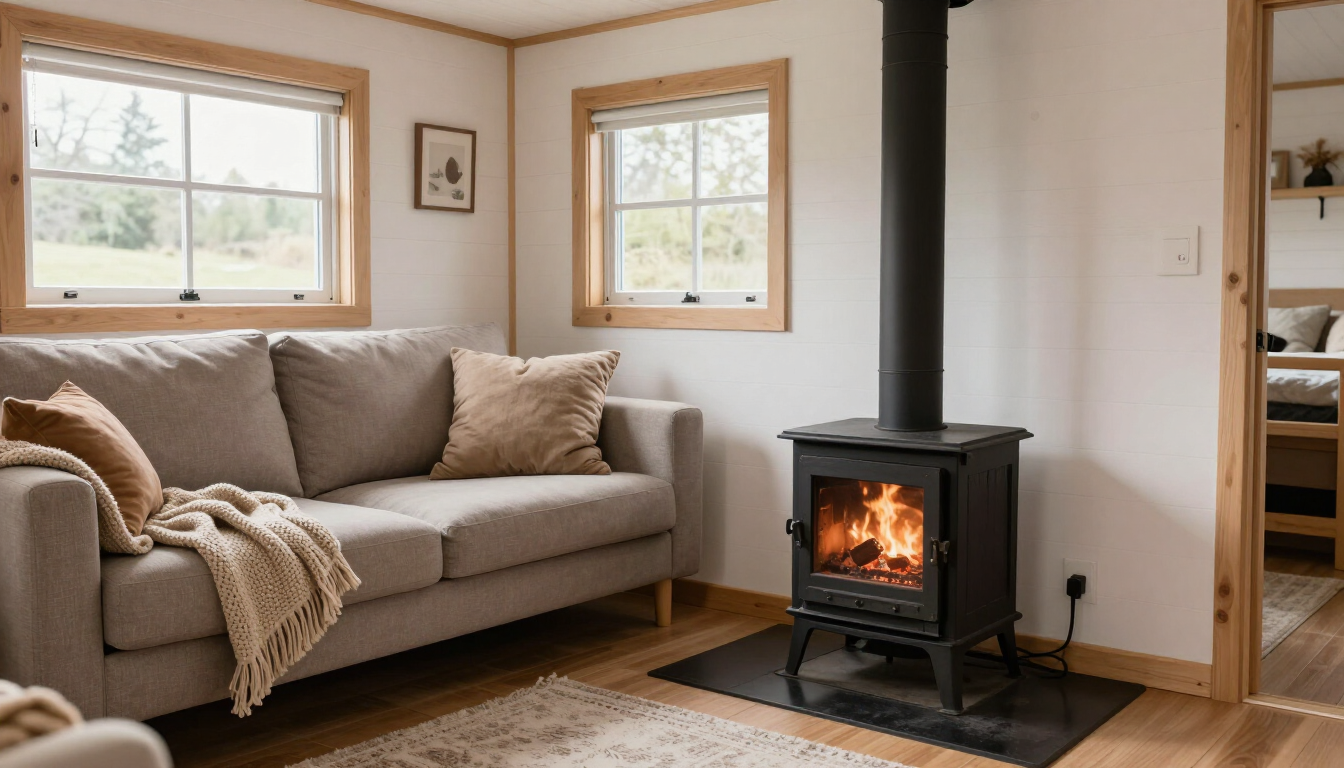
Heating and cooling by climate
| Climate | Primary heat | Primary cool |
|---|---|---|
| Cold (zone 5–7) | Wood stove + propane backup | Passive + small mini-split |
| Mixed (zone 4) | Mini-split + wood backup | Mini-split + ceiling fan |
| Hot-dry (zone 3) | Mini-split or propane | Shade + night flush + mini-split |
| Hot-humid (zone 1–2) | Rarely needed | Mini-split (dehumidifies) + fans |
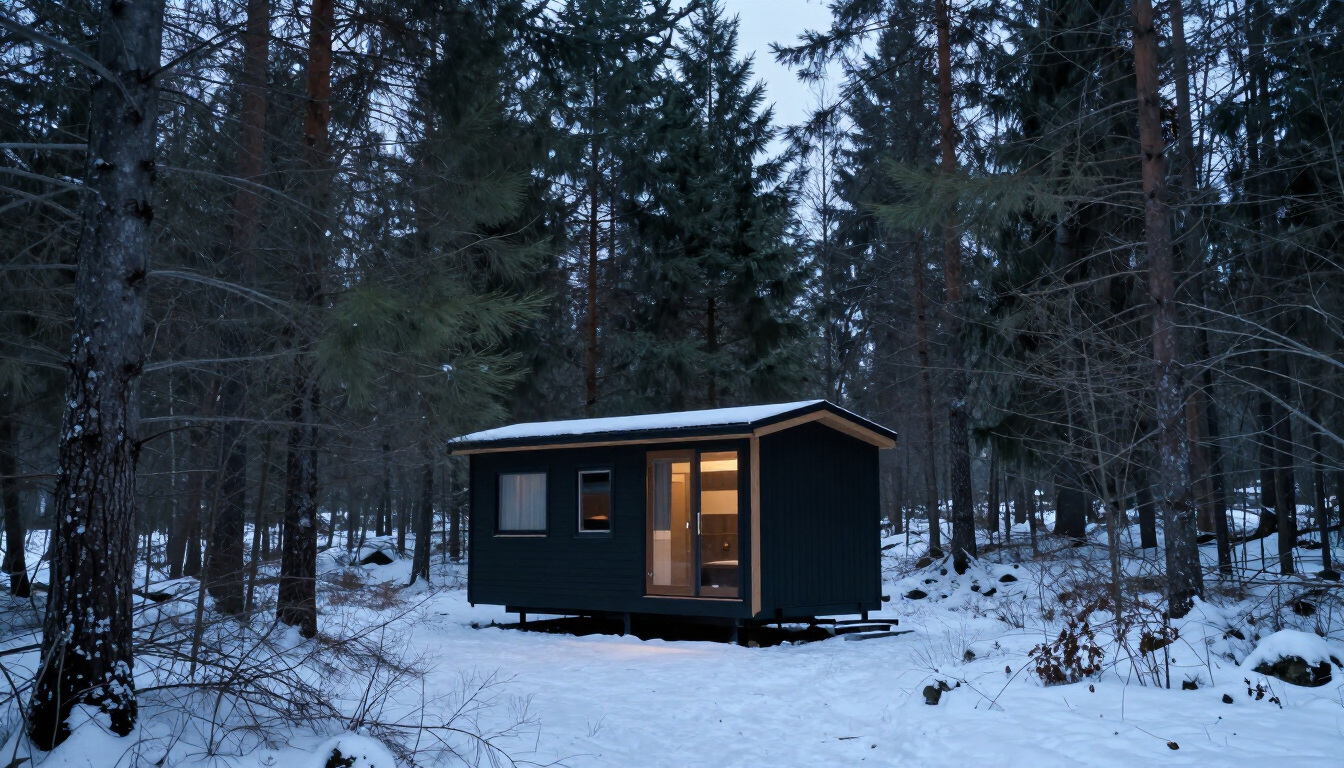
Putting it all together
Related articles
More guides that dig deeper into the same topics.
Frequently asked questions
What is the best way to heat a tiny home off-grid?+
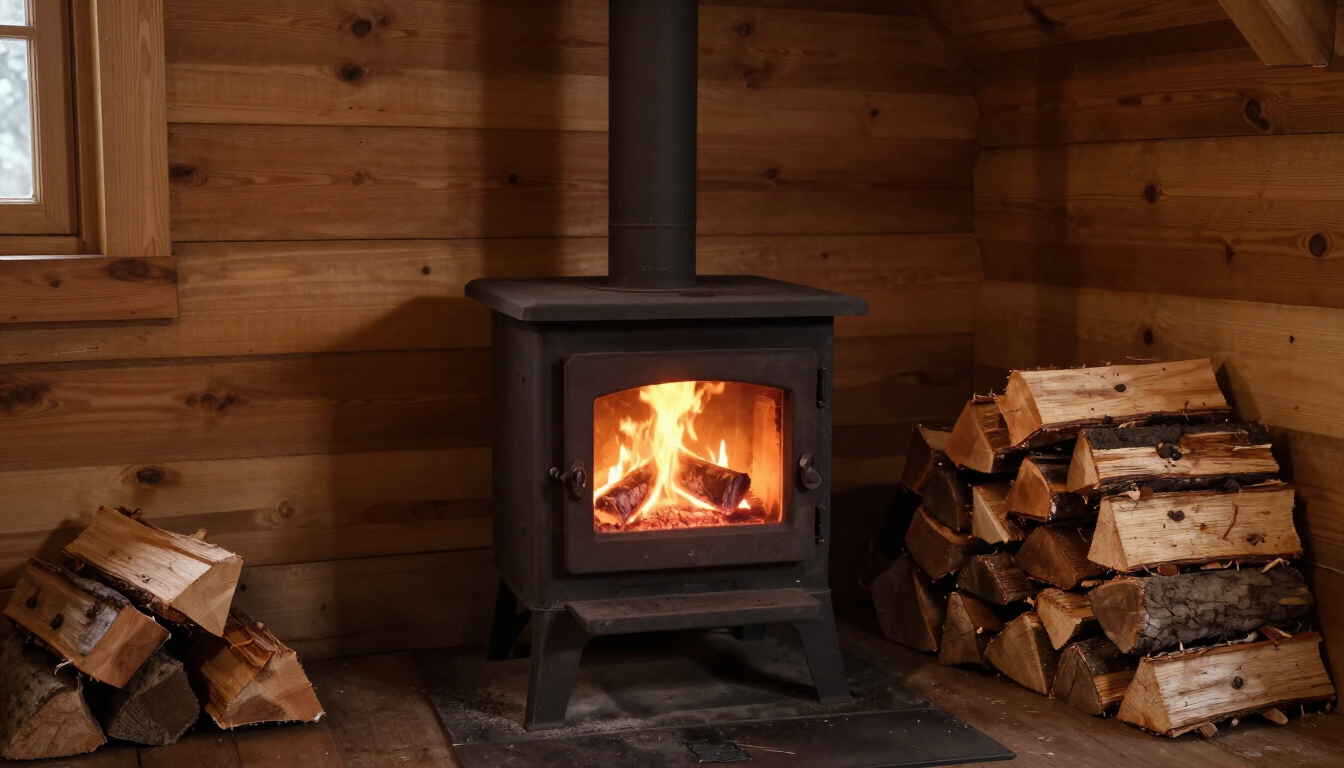
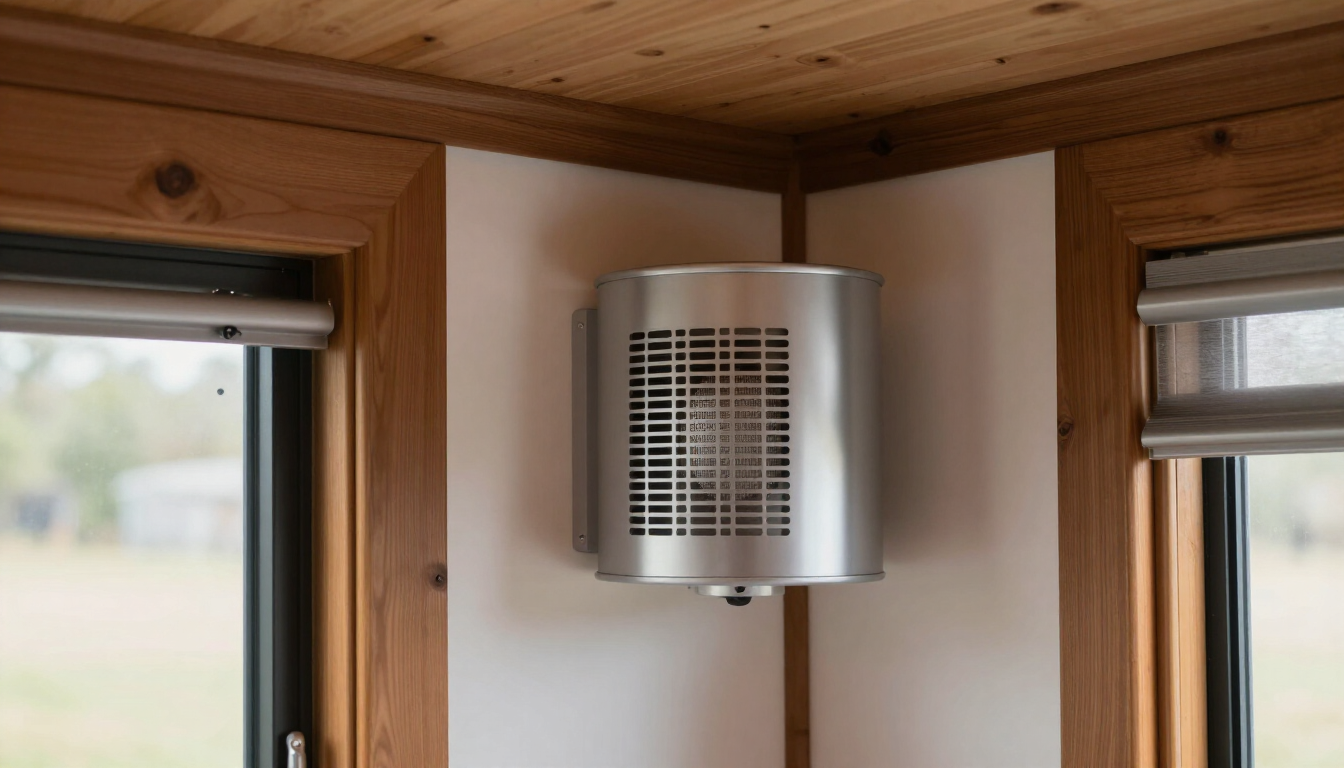
A small wood stove is the classic off-grid choice because it runs on renewable fuel you can store and works without electricity. Pair it with a direct-vent propane wall heater as a thermostatic backup for nights you cannot tend the fire. Direct electric heat is usually impractical off-grid because it drains batteries fast.
How many BTUs do I need to heat a tiny home?+
A well-insulated 200–400 sq ft tiny home usually needs 4,000–9,000 BTU of heat, far less than a conventional room. Size the heater to the insulated shell's heat loss, not to square footage rules of thumb, and avoid oversizing, which causes short cycling.
Can a mini-split heat and cool a tiny home?+
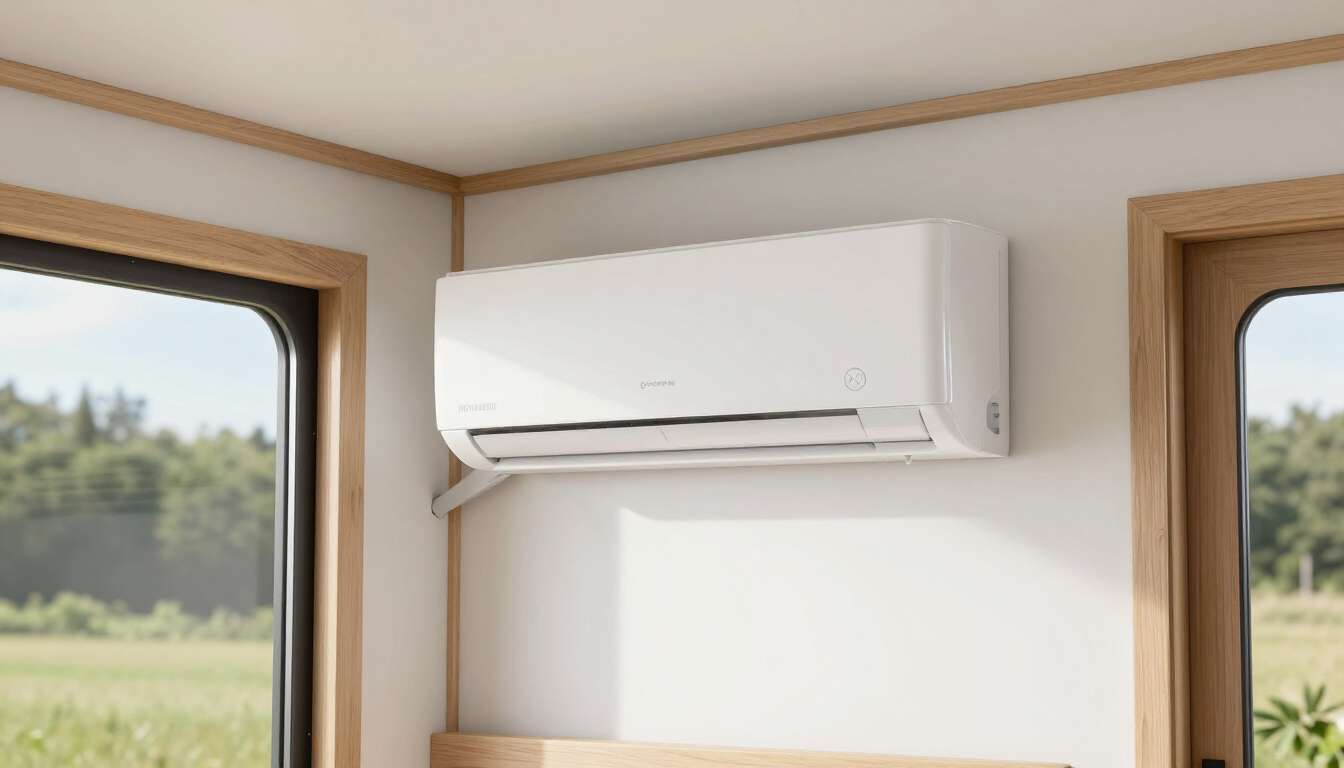
Yes. A small 9,000–12,000 BTU ductless mini-split heat pump handles both seasons efficiently in most climates. In cold zones, choose a cold-climate model rated to work below freezing, and keep a wood or propane backup for the coldest stretches or power outages.
How do I keep a tiny home cool without air conditioning?+
Shade south and west glass, open the home at night to flush heat and close it in the morning, and use ceiling or exhaust fans to move air across your skin. These passive strategies can keep a well-insulated tiny home comfortable through all but the hottest, most humid stretches.
Why does my tiny home have condensation and mold?+
A tight envelope with no controlled ventilation traps moisture from cooking, showering, and breathing, and it condenses on cold surfaces. Install a roof-vented bathroom fan and a kitchen range hood, run them during and after moisture-producing activities, and consider a small HRV in very tight homes.
What R-value should a tiny home have?+
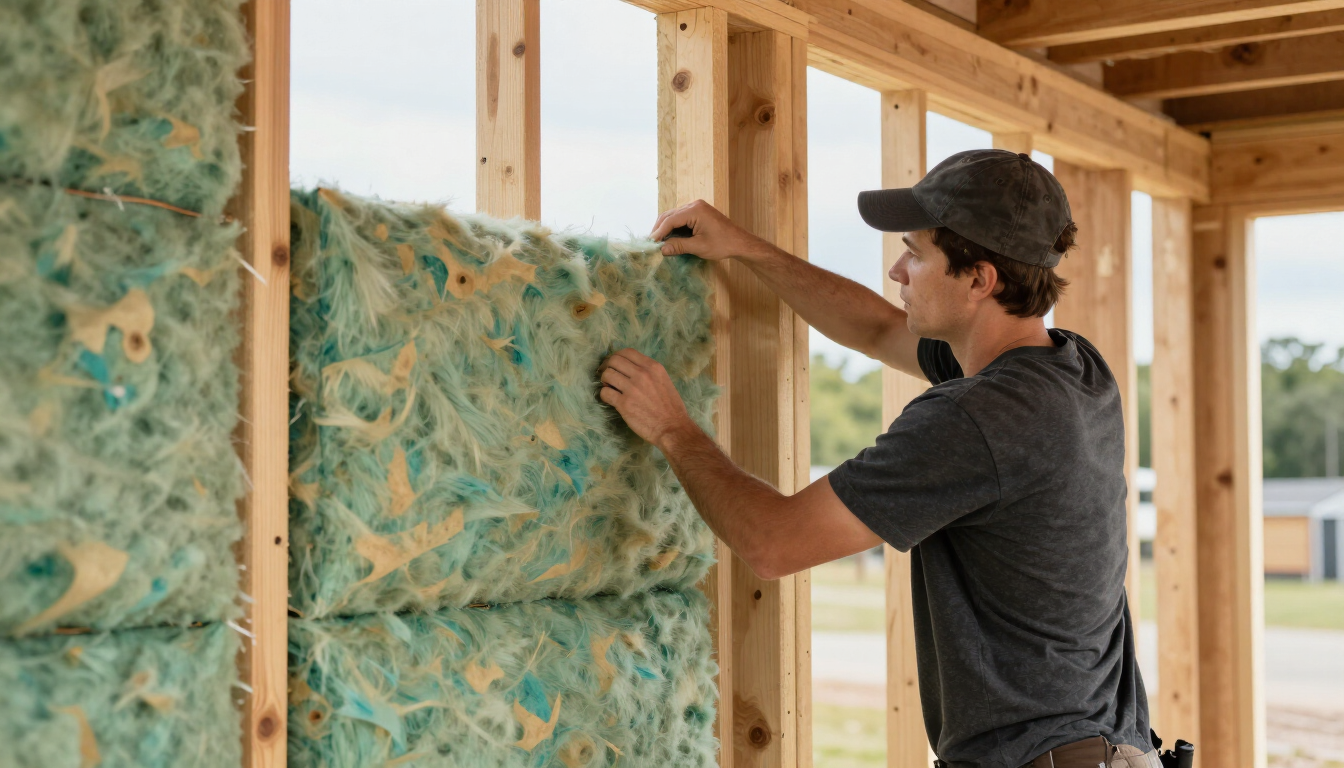
Aim for the highest R-value your wall thickness allows — typically R-15 to R-21 in walls, R-20 to R-30 in the roof, and R-20+ in the floor. Closed-cell spray foam and rigid foam board deliver more R per inch than fiberglass, which matters when your wall is only 4–6 inches deep.
Ready to start searching?
Browse tiny homes, plans, builders, communities and land on the interactive map.
Explore the map