Climate Control

Tiny Home Wood Stove Installation: A Safe and Efficient Setup Guide

11 min read · Updated January 30, 2026

By John

A wood stove is a beloved tiny-home heat source, but a bad installation is a fire and carbon-monoxide risk. Here is how to choose, place, and vent a wood stove safely in a small space.
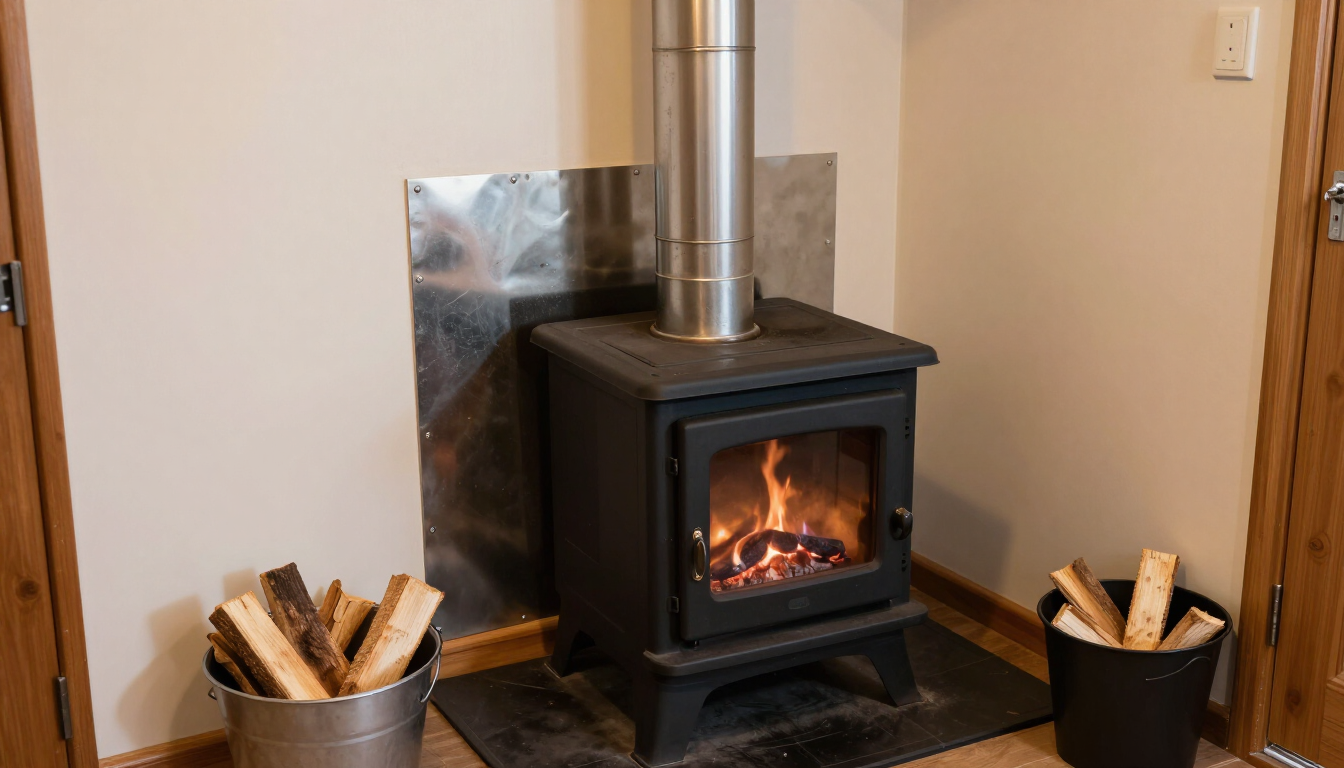
Wood stove installation in a tiny home with a flue pipe through a wall and heat shielding

Safety first, always

A wood stove in a tiny home is a contained fire in a small space, so

Choose a stove sized for the space

The most common mistake is oversizing. A tiny home needs only 4,000–8,000 BTU to stay warm, so a stove rated much above 10,000–12,000 BTU will overheat the space and force you to run it choked-down, which builds creosote in the chimney and wastes wood. Look for marine, RV, or 'tiny-home' sized stoves designed for small spaces — they have smaller fireboxes and shorter burn times that suit a tiny home. A stove that is too big is not 'more heat for free'; it is a constant struggle to keep the home from sweltering.
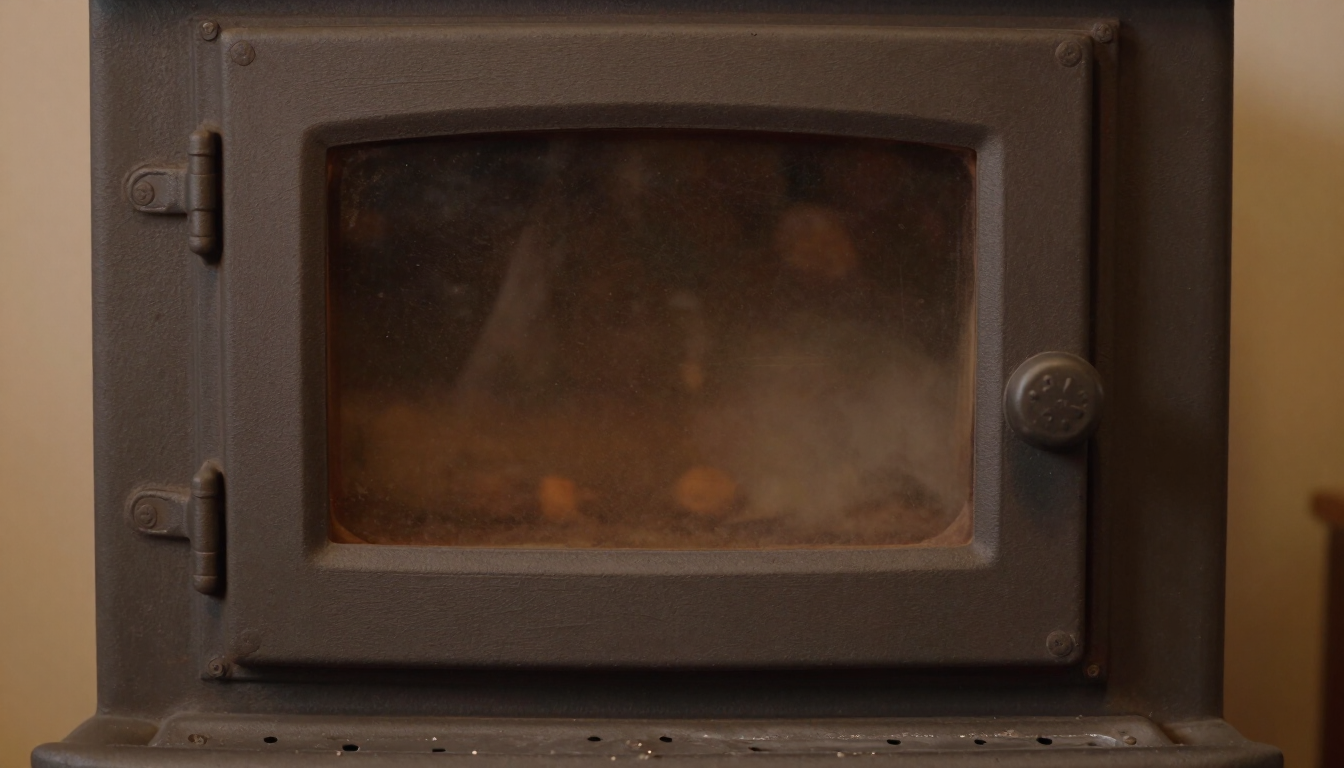
Close view of a small wood stove door with a glass viewing window and an air control lever

Clearances: the non-negotiable numbers
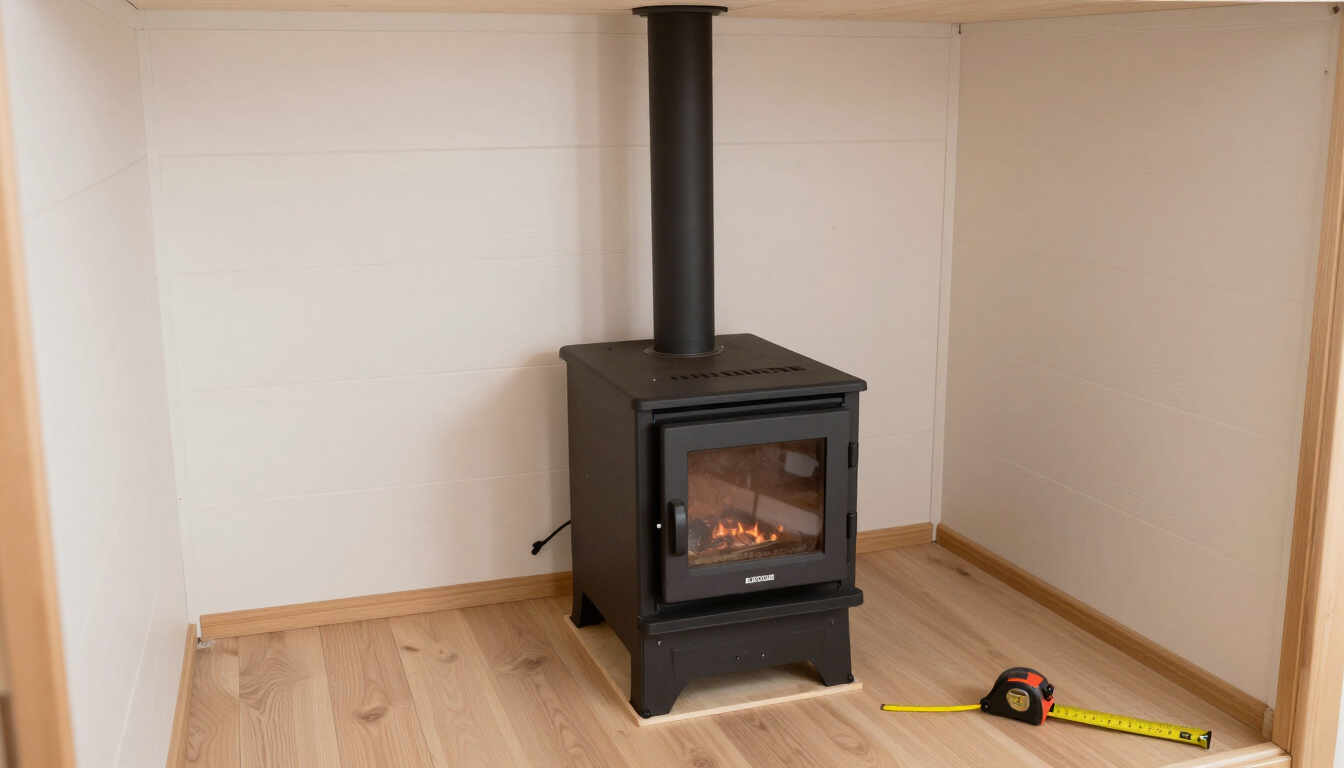
Every stove has manufacturer-specified minimum clearances to combustible walls, furniture, and ceilings — typically 18–36 inches to unprotected walls. In a tiny home those distances eat precious space, which is why people are tempted to cheat. Do not. Instead, reduce required clearances legally by installing heat shielding (sheet metal or cement board spaced off the wall with an air gap), which can cut required clearances by up to two-thirds. Always follow the stove's manual and your local code; they override any general guidance. Measure and document the clearances before you finish the install.
Small wood stove in a tiny home with measured clearance space to the side walls

Protect the floor with a proper hearth
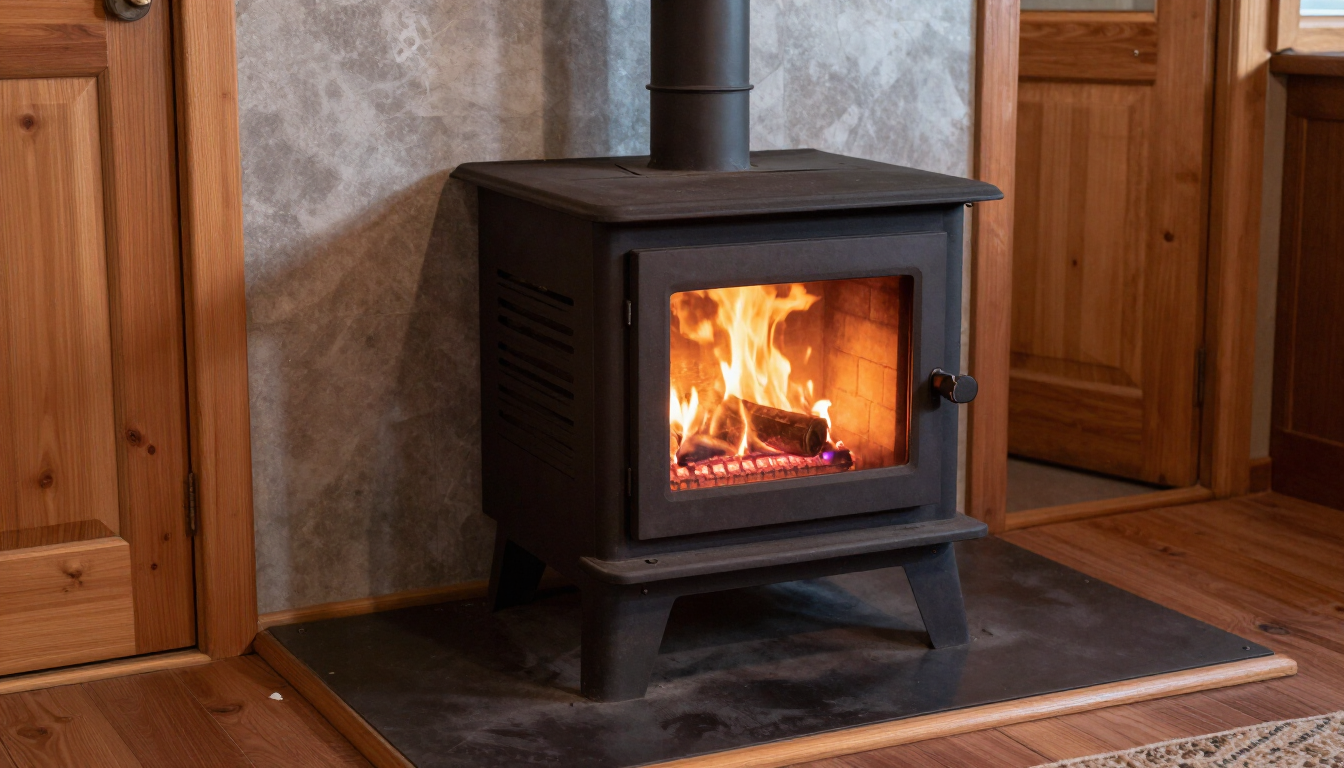
The stove must sit on a non-combustible hearth that extends beyond the stove and especially in front of the door, where embers can fall when you open it. A steel or cement-board hearth pad with a layer of tile or stone meets most requirements; check the manual for the required thickness and extension. The hearth also protects the floor from radiant heat underneath the stove. If the tiny home has a wood floor, the hearth is mandatory, not optional.
Wood stove on a non-combustible hearth pad with metal heat shielding on the wall behind

The chimney: the most important part

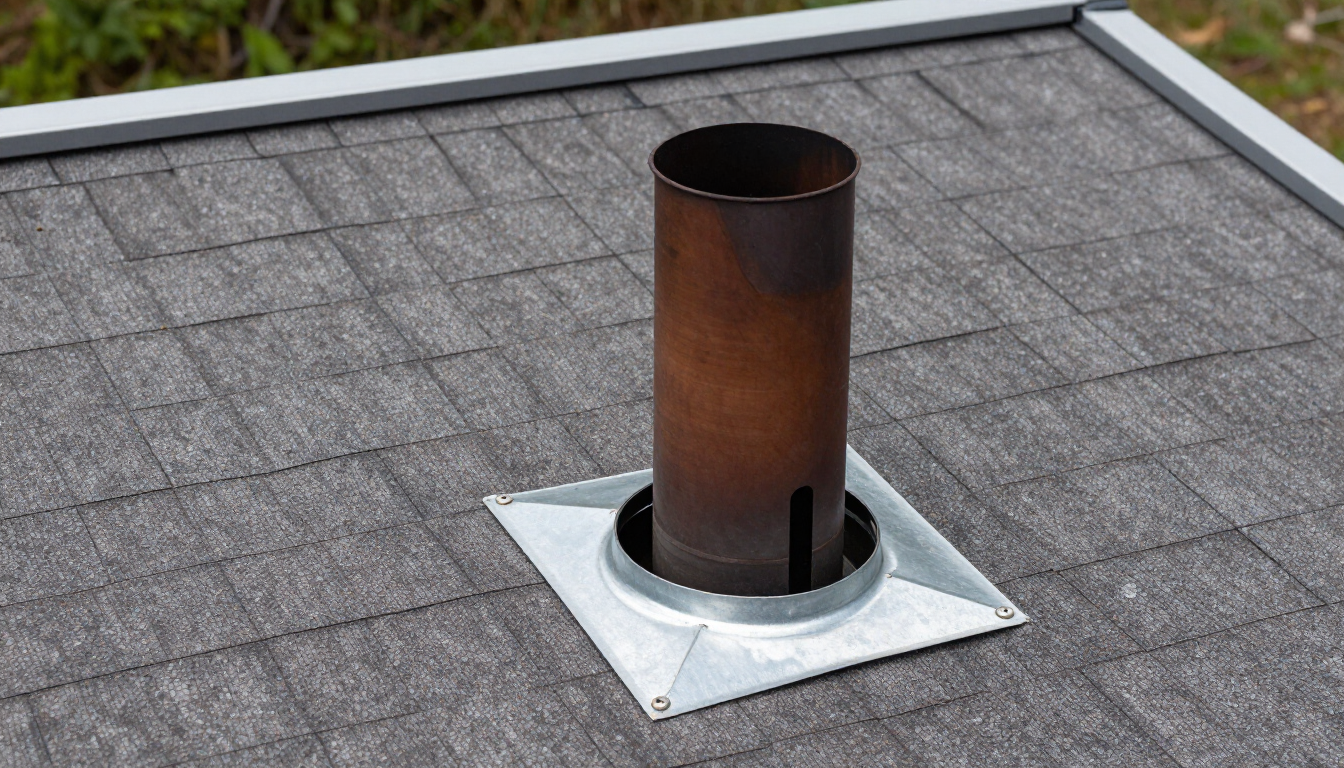
A good chimney makes a stove draw safely and efficiently; a bad one fills the home with smoke or catches fire. Use only listed double-wall or insulated chimney pipe (not single-wall stove pipe) where the chimney passes through combustible construction, with a listed through-wall or through-roof thimble that maintains clearance to framing. The chimney should extend at least 3 feet above the roof and 2 feet above anything within 10 feet, and it needs proper flashing and a storm collar to keep water out. A straight, vertical chimney draws best; minimize elbows. See our roofing guide for flashing basics.
Wood stove chimney flue passing through a tiny home roof with metal flashing and a storm collar

Chimney cap, spark arrestor, and detectors
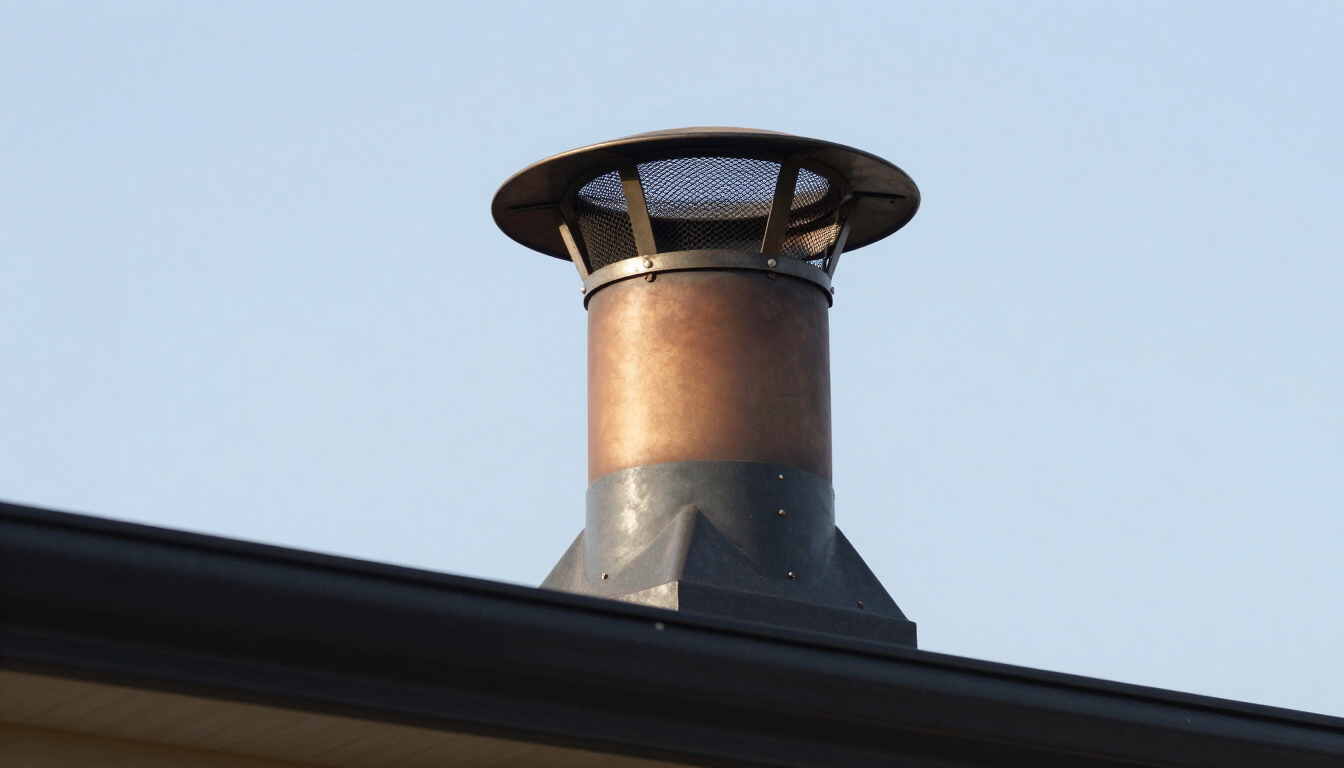
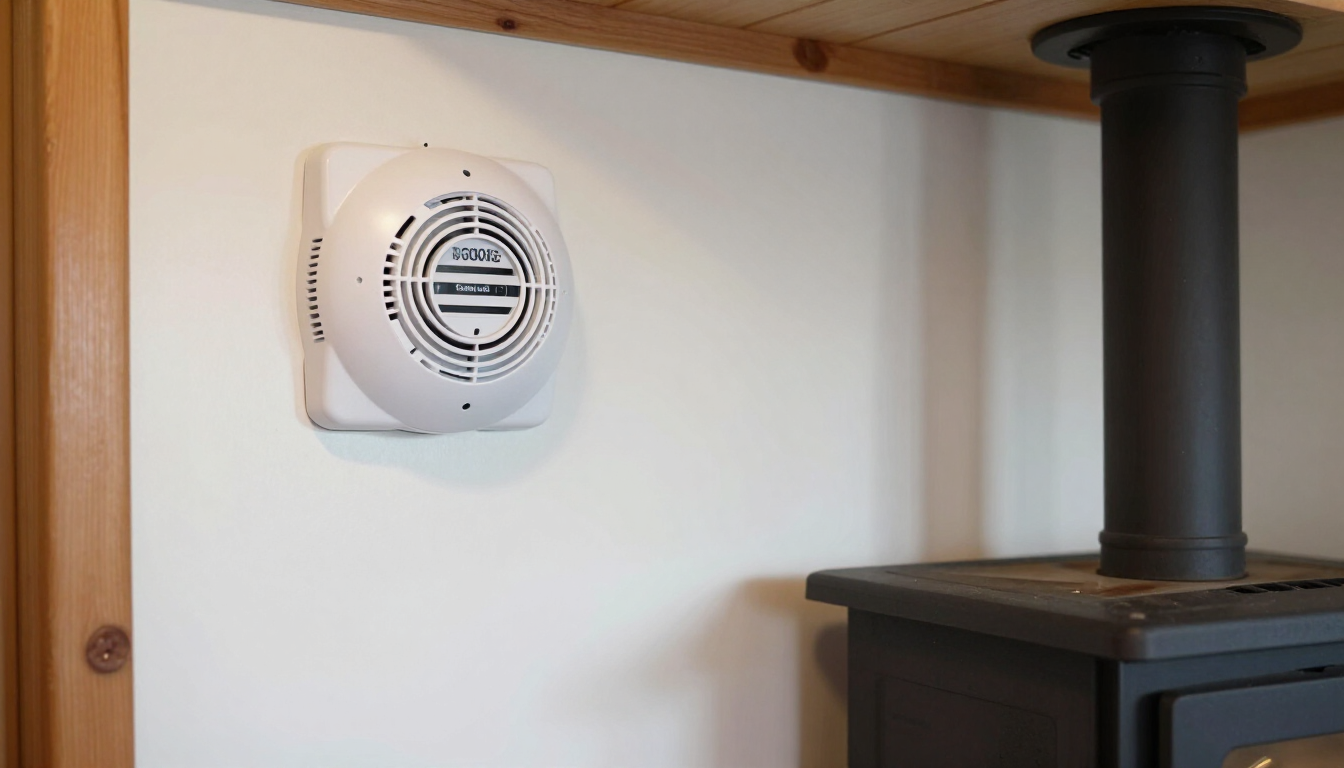
Top the chimney with a rain cap and, if you are in a wildfire-prone or wooded area, a spark arrestor to prevent embers from igniting the roof or nearby trees. Inside the home, install a carbon monoxide detector and smoke detector near the sleeping area and the stove — these are mandatory safety devices, not optional. Add a small fire extinguisher within reach. Test detectors monthly and replace batteries annually. A stove without detectors is a stove you cannot fully trust.
Wood stove chimney cap and spark arrestor on top of a tiny home roof

Installation checklist

ItemRequirement
Stove size4,000–12,000 BTU for most tiny homes
Wall clearancePer manual; reducible with shielding
HearthNon-combustible, extends in front of door
ChimneyListed insulated pipe + thimble at penetrations
Chimney height3 ft above roof, 2 ft above anything within 10 ft
CapRain cap + spark arrestor
DetectorsCO + smoke, tested monthly
ExtinguisherWithin reach of stove
Tiny home interior with a wall-mounted carbon monoxide and smoke detector near a wood stove

Operating and maintaining your stove

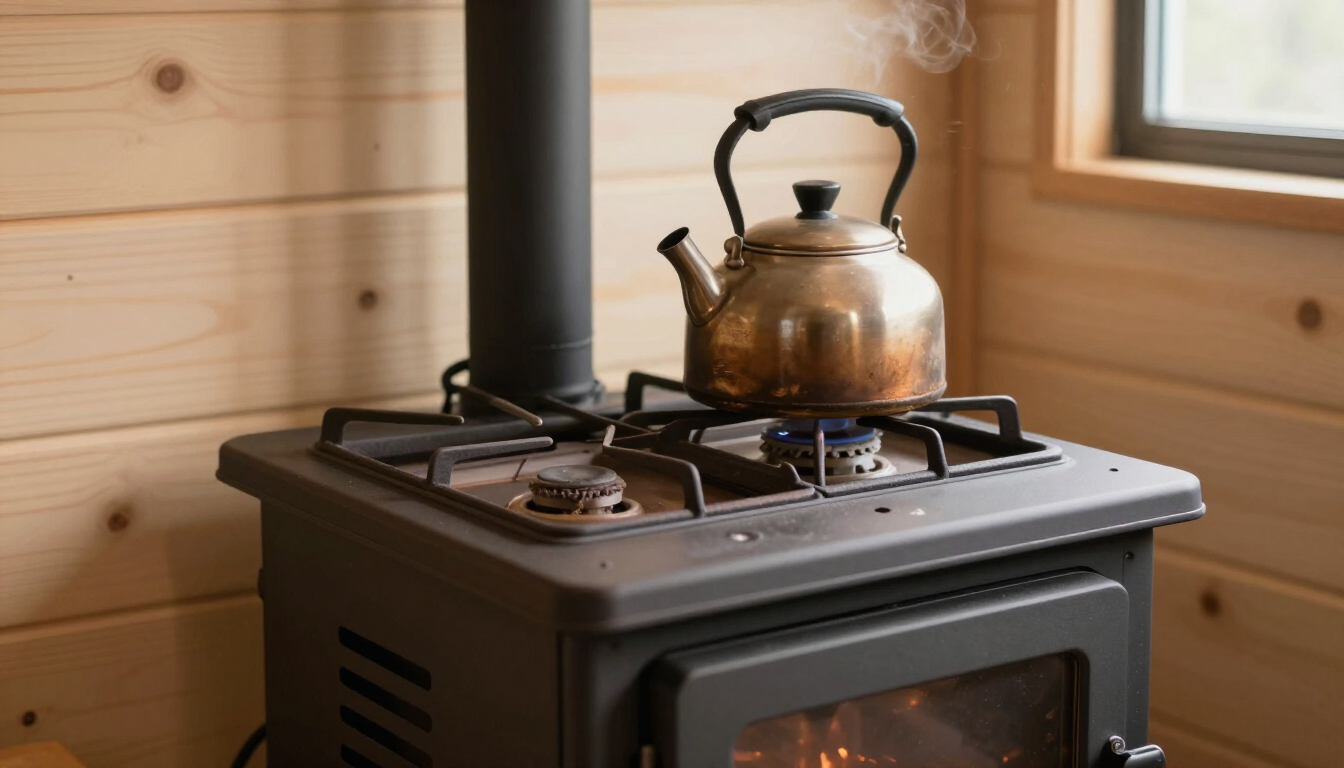
Burn only dry, seasoned wood (moisture content below 20%) — wet wood makes creosote, which causes chimney fires. Run the stove hot enough to keep the chimney warm and drafting, and have the chimney swept at least once a season (more if you burn daily). Store firewood outside, dry and covered, and bring in only what you need. A small stove with a cooktop surface can also heat water or cook, adding off-grid utility. With good habits, a wood stove is reliable, renewable heat for years.
Small wood stove with a flat cooktop surface and a kettle steaming on top

Enjoy the fire, safely

A properly installed wood stove is one of the great pleasures of tiny-home living — radiant warmth, independence from the grid, and a focal point for the space. Get the size right, respect clearances, protect combustibles, install a proper chimney with cap and detectors, and maintain it each season. Do that and the stove becomes a trusted companion through every winter. Find a home with a stove already installed on the map, or browse tiny homes for sale and builders who install them correctly.
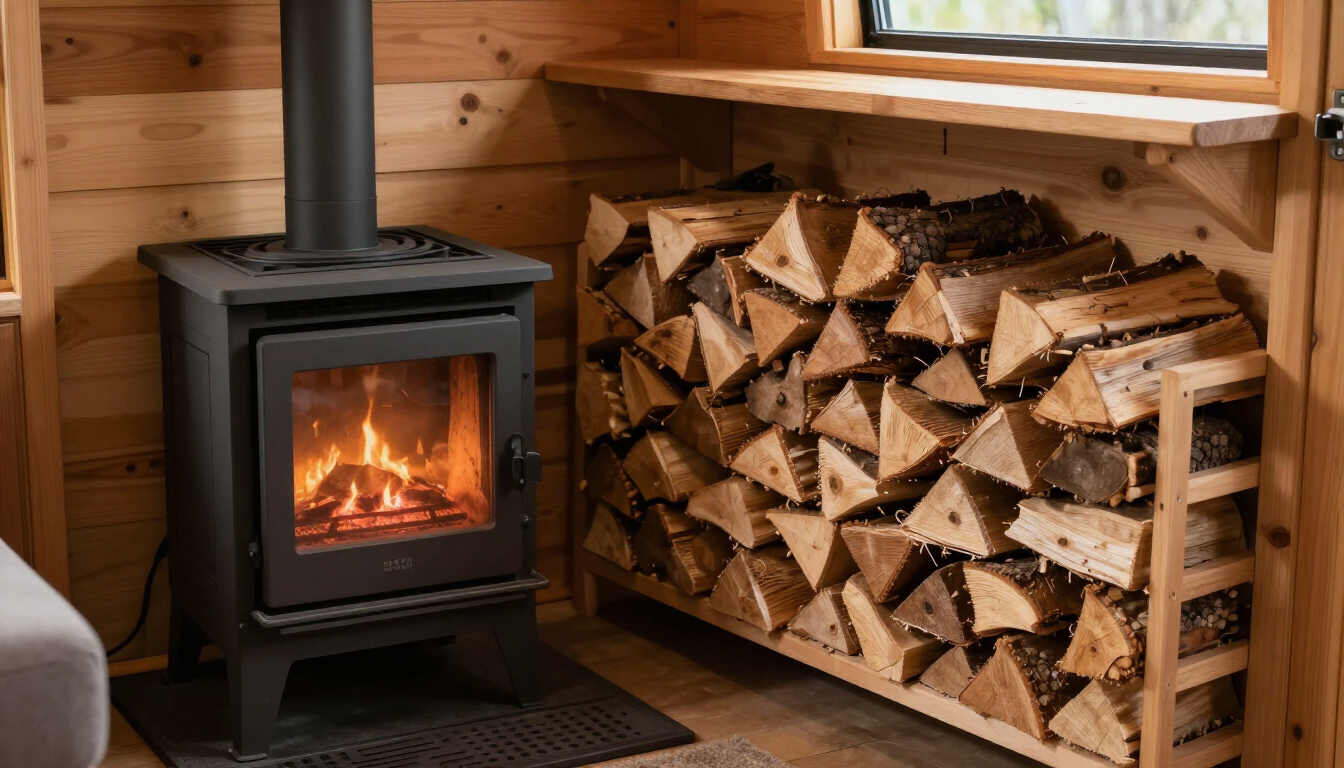
Cozy tiny home interior with a small wood stove and a neat stack of dry firewood in a rack

Related articles

More guides that dig deeper into the same topics.

Frequently asked questions

Can I put a wood stove in a tiny home on wheels?+

Yes, with care. Use a small, right-sized stove, maintain manufacturer clearances, protect combustibles with shielding and a hearth, and install a listed chimney with a through-wall or through-roof thimble. Secure the stove for travel and consider its weight on the trailer balance.

How big a wood stove do I need for a tiny home?+

Most tiny homes need only 4,000–8,000 BTU, so a stove rated 6,000–12,000 BTU is plenty. Oversizing is the common mistake — too much heat forces you to run the stove choked-down, which builds creosote and wastes wood.

How close can a wood stove be to a wall in a tiny home?+

Follow the stove manual — typically 18–36 inches to unprotected combustible walls. You can legally reduce clearances by up to two-thirds using spaced heat shielding (sheet metal or cement board with an air gap).

Does a tiny-home wood stove chimney need to go through the roof?+

Through-roof or through-wall both work if done with listed insulated chimney pipe and a proper thimble. A straight vertical through-roof chimney usually draws best. The chimney must extend 3 feet above the roof and 2 feet above anything within 10 feet.

Do I need a carbon monoxide detector with a wood stove?+

Yes, absolutely. Any combustion heater needs a working carbon monoxide detector and a smoke detector near the sleeping area and the stove, plus a fire extinguisher within reach. Test detectors monthly.

What wood should I burn in a tiny-home stove?+

Burn only dry, seasoned wood with moisture content below 20%. Wet wood creates creosote, which causes chimney fires. Store firewood outside, dry and covered, and have the chimney swept at least once a season.

Do I need a spark arrestor on a tiny-home stove chimney?+

In wooded or wildfire-prone areas, yes — a spark arrestor prevents embers from igniting the roof or nearby trees. A rain cap is always recommended to keep water out of the chimney.

Ready to start searching?

Browse tiny homes, plans, builders, communities and land on the interactive map.

Explore the map
>