Building
Roofing Materials for Tiny Homes: Metal, EPDM and Shingles
5 min read · Updated December 9, 2025
By John
Your roof protects everything below it. Here is how the three common tiny-home roofing materials compare on cost, lifespan and weight.
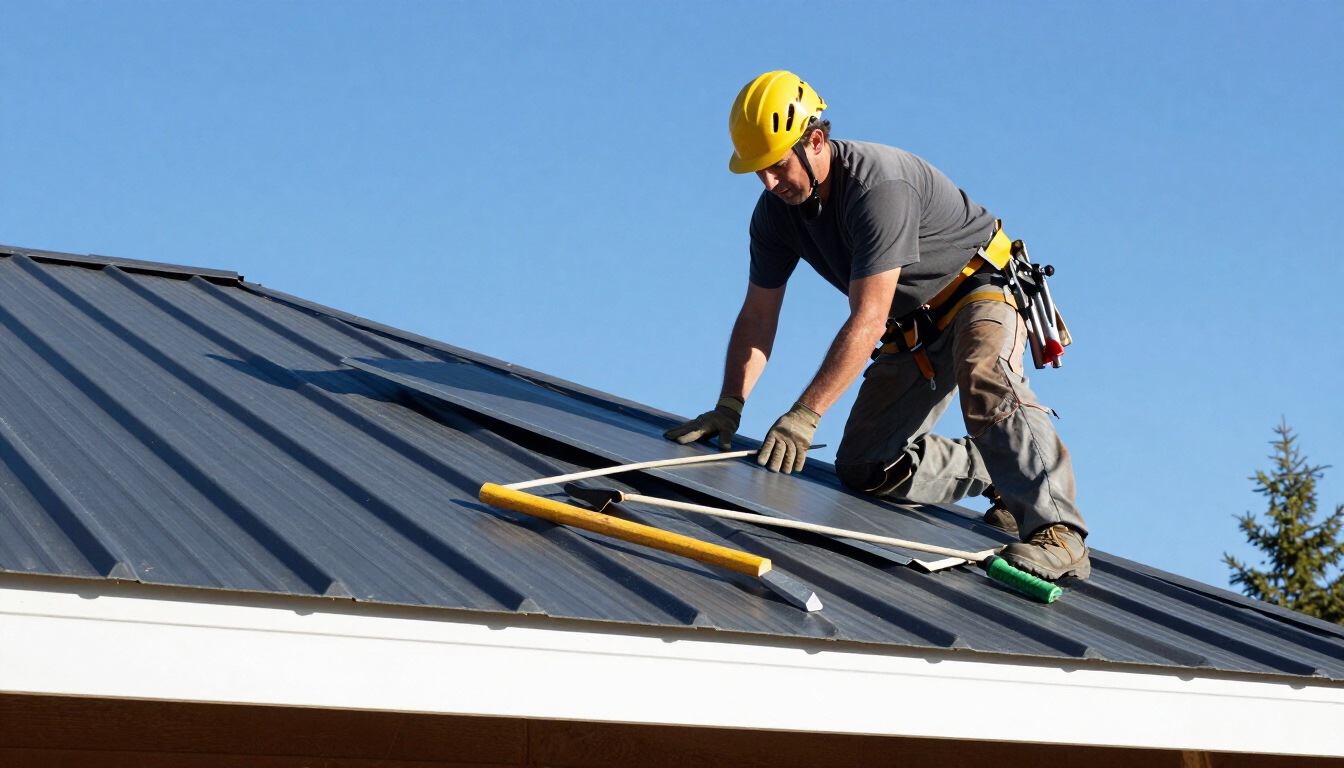
Standing-seam metal: the default for a reason
Standing-seam metal roofing is the most popular tiny-home roof for good reason: it lasts 50+ years, sheds snow and rain on any pitch above 2:12, is lightweight, and is the best surface for rainwater harvesting. It also accepts solar panels cleanly. Cost is $4–$8 per sq ft installed — more than shingles but cheaper over its life. See sustainable materials for its recyclability.
EPDM and TPO: flat-roof friends
For low-slope or flat shed roofs (common on modern tiny homes), a single-ply rubber membrane (EPDM) or thermoplastic (TPO) is the practical choice. They are cheap ($2–$5 per sq ft), easy to install in one sheet, and reliable for 15–25 years. The catch is they need a minimum slope to drain, and standing water will eventually find a seam. Inspect annually and keep branches off.
Asphalt shingles: cheap and heavy
Asphalt shingles are the cheapest upfront ($1.50–$4 per sq ft) and familiar to any roofer, but they are heavier than metal, shed grit into rainwater, and last only 15–30 years. They suit pitched roofs on foundation tiny homes more than mobile THOWs, where weight matters. On a trailer, the weight penalty and shorter life usually make metal the better call.
Match the roof to the pitch
Whatever material you choose, it must suit your roof type and pitch. Metal handles 2:12 and up; shingles need 4:12 minimum; membranes cover flat to 2:12. A well-chosen, well-installed roof is the difference between a tiny home that lasts decades and one that rots in five — do not cut corners here.
Related articles
More guides that dig deeper into the same topics.
Ready to start searching?
Browse tiny homes, plans, builders, communities and land on the interactive map.
Explore the map