Sustainable Materials for Tiny Home Construction
12 min read · Updated February 23, 2026
By John
A tiny home already uses a fraction of the materials of a conventional house — so choosing sustainable ones multiplies the benefit. Here is how the leading green materials compare on cost, durability, and performance.

Why materials matter more in a tiny home
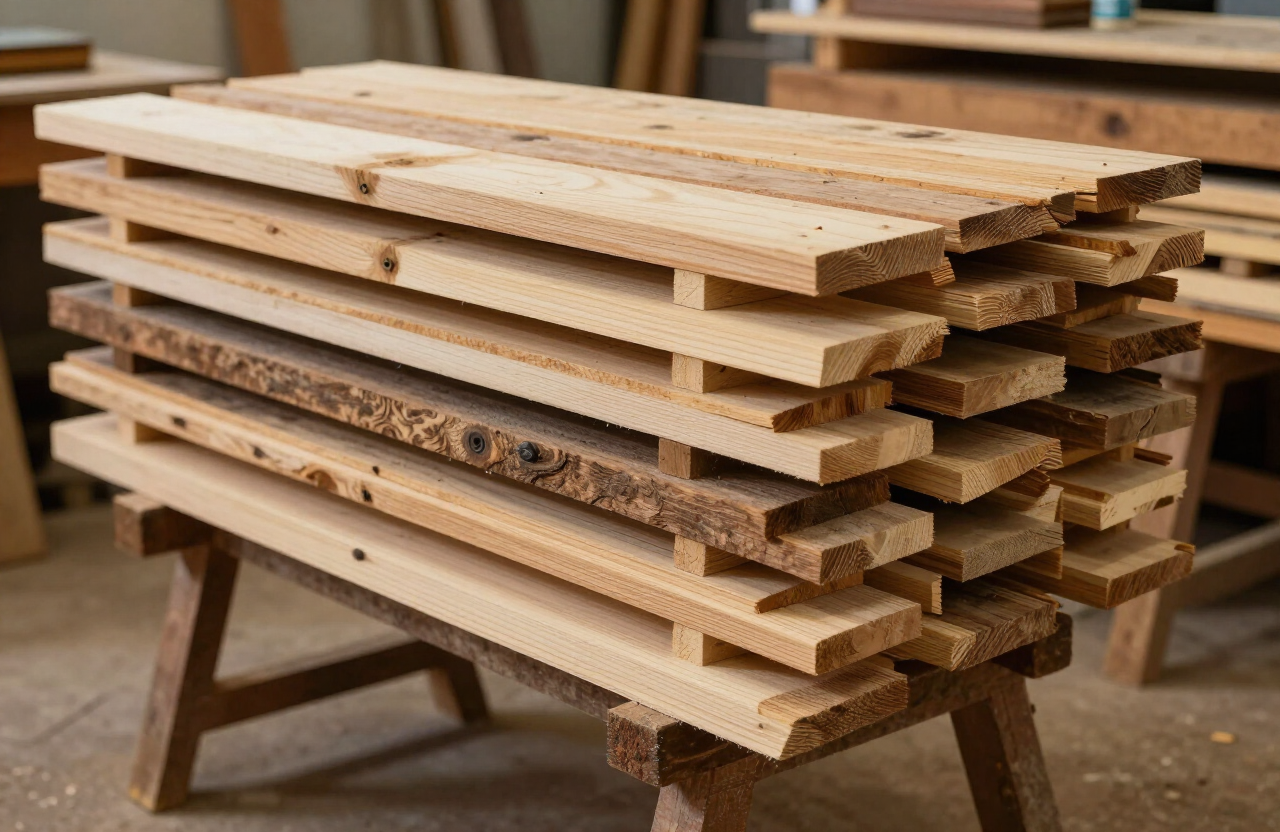
Reclaimed and salvaged wood
Straw bale and natural insulation

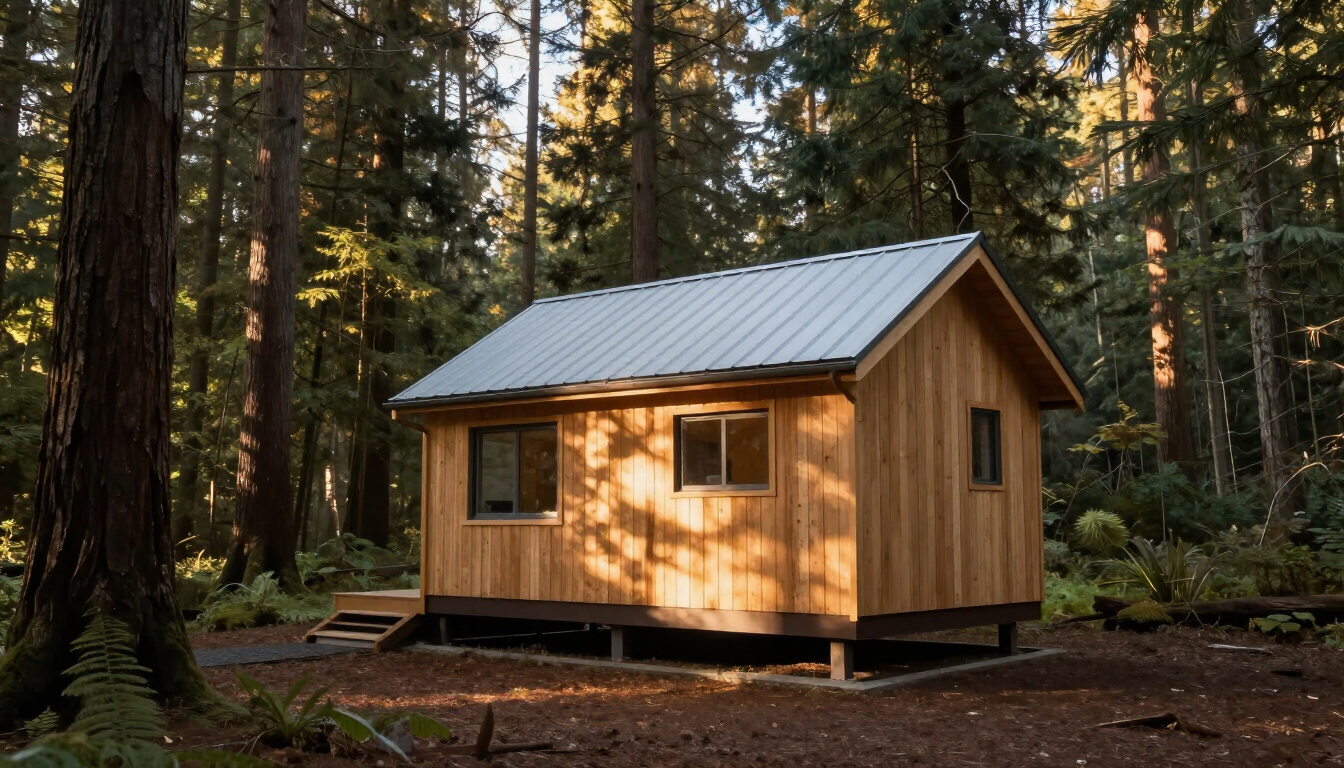
Hempcrete and earthen plasters
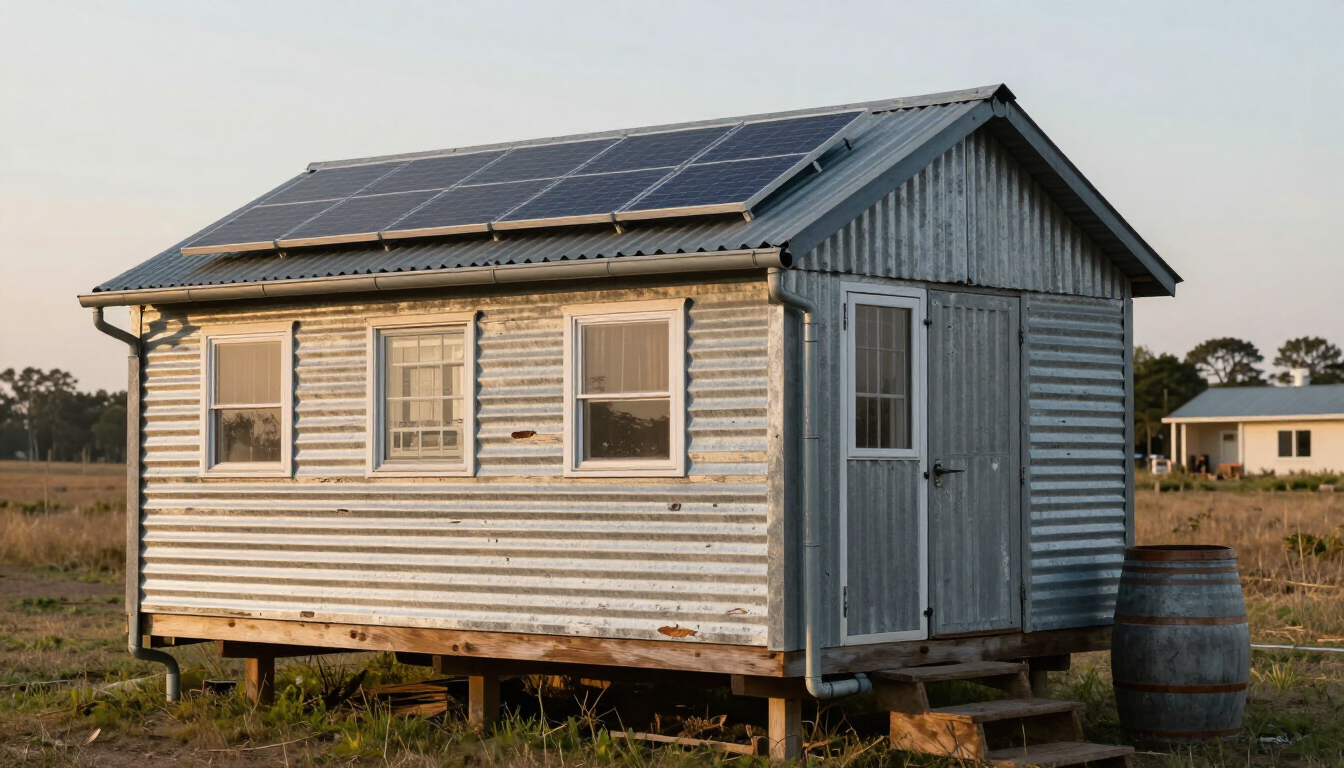
Recycled and reclaimed metal
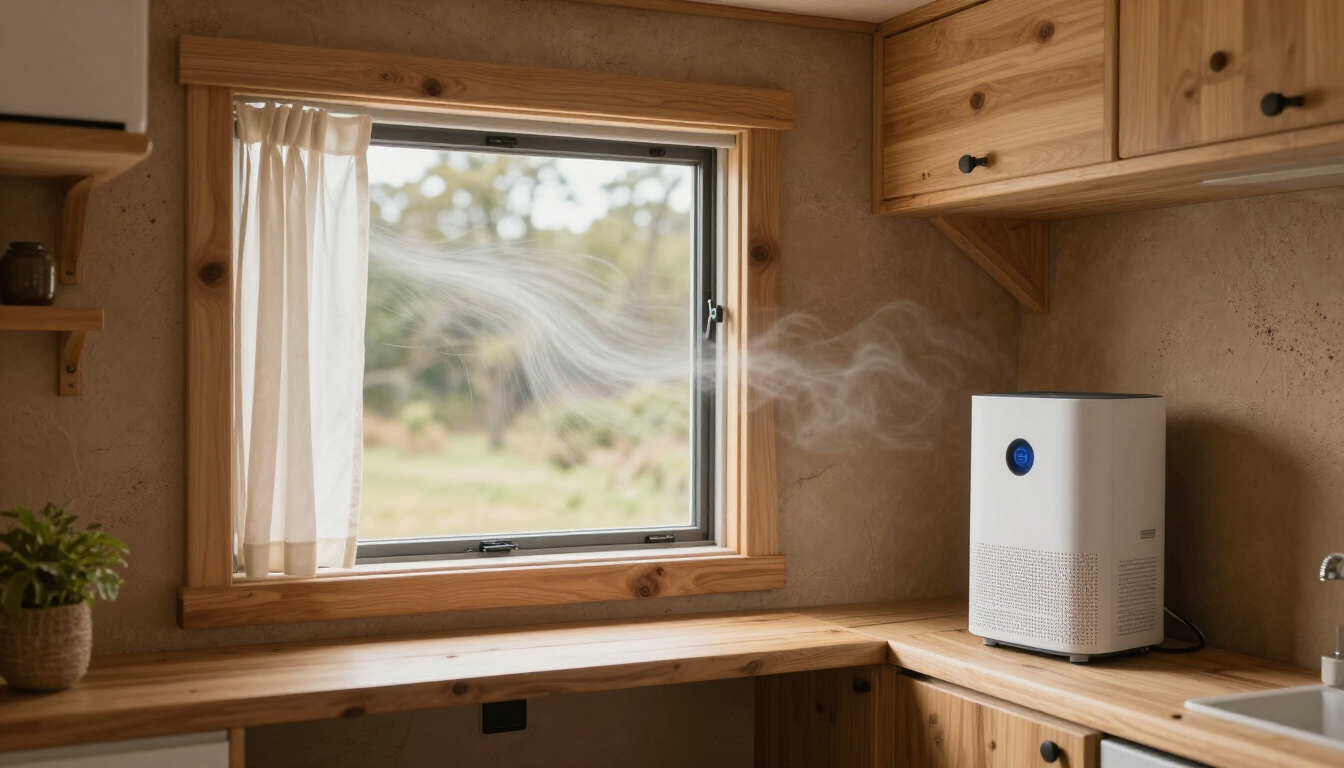
Low-toxic finishes and healthy indoor air
Sourcing locally to cut embodied carbon
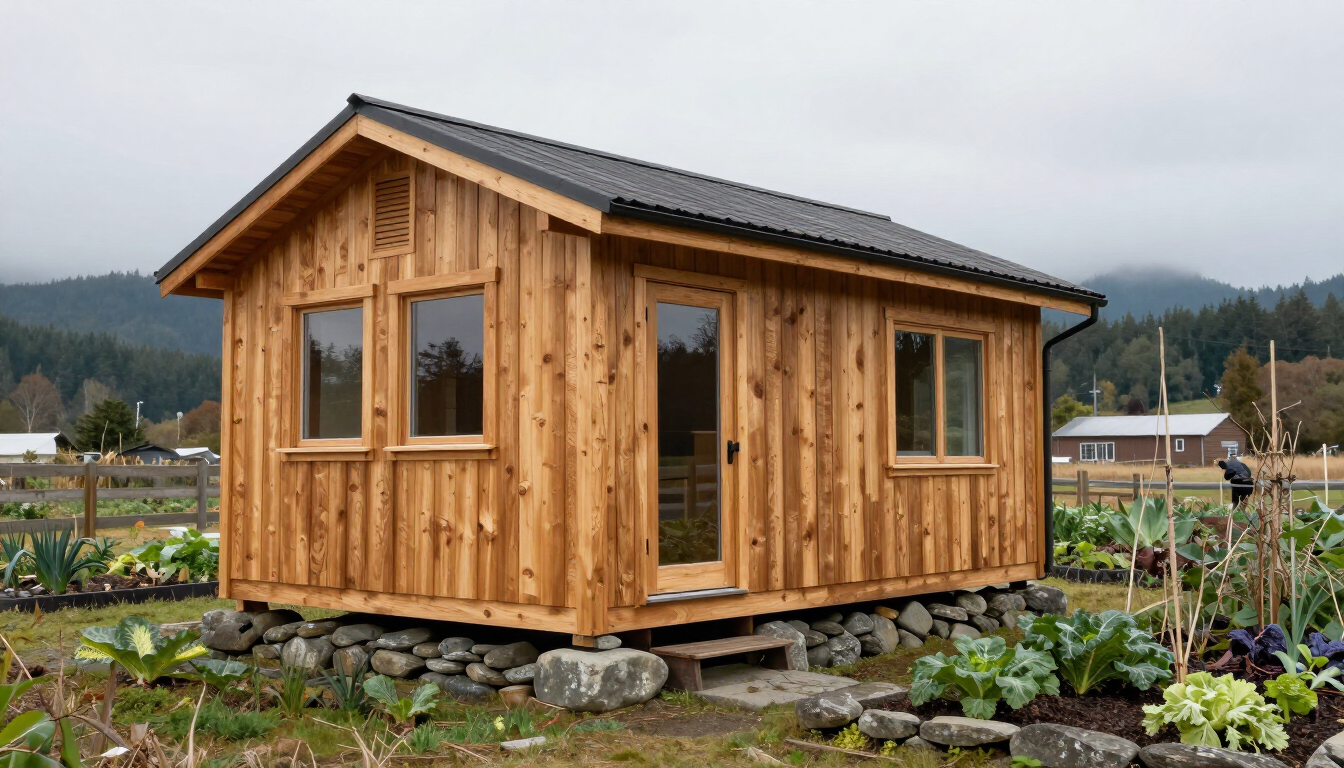
Sustainable materials compared
| Material | Best use | Cost | Key benefit |
|---|---|---|---|
| Reclaimed wood | Flooring, siding, trim | Low–med | Reuses old-growth lumber |
| Straw bale | Foundation walls | Low | R-30, carbon-sequestering |
| Sheep's wool / cellulose | THOW insulation | Med | Healthy, low-carbon |
| Hempcrete | Foundation walls | Med | Breathable, carbon-negative |
| Recycled metal | Roof, siding | Med | 50+ yr life, recyclable |
| Low-VOC finishes | All surfaces | Low | Healthy indoor air |
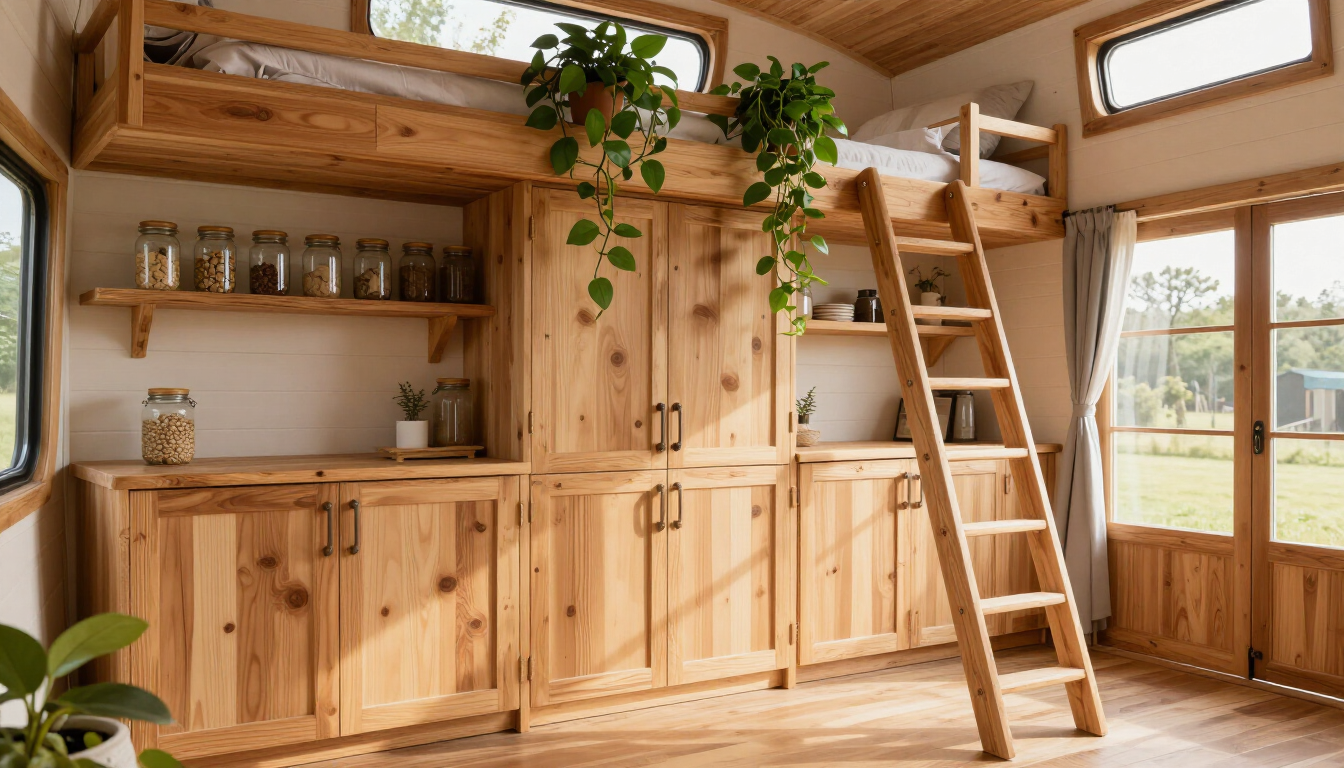
Putting it all together
Related articles
More guides that dig deeper into the same topics.
Frequently asked questions
What is the most sustainable material for a tiny home?+
There is no single best material — sustainability comes from a combination. Reclaimed wood, natural insulations (wool, cellulose, cork), hempcrete or straw bale for foundation walls, and recycled-content metal roofing together create a low-impact, healthy, durable home. The most sustainable choice is often the good-enough material sourced closest to you.
Can I use straw bale in a tiny house on wheels?+
It is possible but rarely practical because straw bale walls are thick, eating precious floor space on a trailer, and bales add weight. Straw bale suits foundation tiny homes better. For a THOW, choose sheep's wool, cellulose, or cork insulation instead.
Is hempcrete structural?+
No. Hempcrete is an infill material cast around a structural frame (usually timber). It provides insulation, thermal mass, and humidity regulation, but the frame carries the load. This makes it a great sustainable wall fill for a foundation tiny home with a wood frame.
Do sustainable materials cost more?+
Some do — hempcrete and sheep's wool can cost more than conventional equivalents. Others, like reclaimed wood and cellulose insulation, can cost less. Across a whole build, sustainable choices often add modest cost, offset by lower energy bills and healthier indoor air over time.
Why does indoor air quality matter more in a tiny home?+
A tiny home is small and tightly sealed, so any off-gassing from paints, adhesives, or engineered panels concentrates in the air you breathe. Choosing low-VOC finishes and formaldehyde-free materials, plus active ventilation, keeps that air healthy.
How do I find sustainable tiny home builders?+
Look for builders who list natural materials, reclaimed wood, or off-grid experience in their work, and ask them directly about material sourcing and indoor air quality. Browse the builders directory and filter for those who specialize in sustainable construction.
Ready to start searching?
Browse tiny homes, plans, builders, communities and land on the interactive map.
Explore the map