Environmental Impact of Tiny Homes: Sustainability
13 min read · Updated March 6, 2026
By John
Tiny homes use less of almost everything — materials, energy, water, and land. Here is a clear look at the real environmental impact of tiny living, where the savings come from, and where the trade-offs hide.

Why tiny homes are a sustainability story
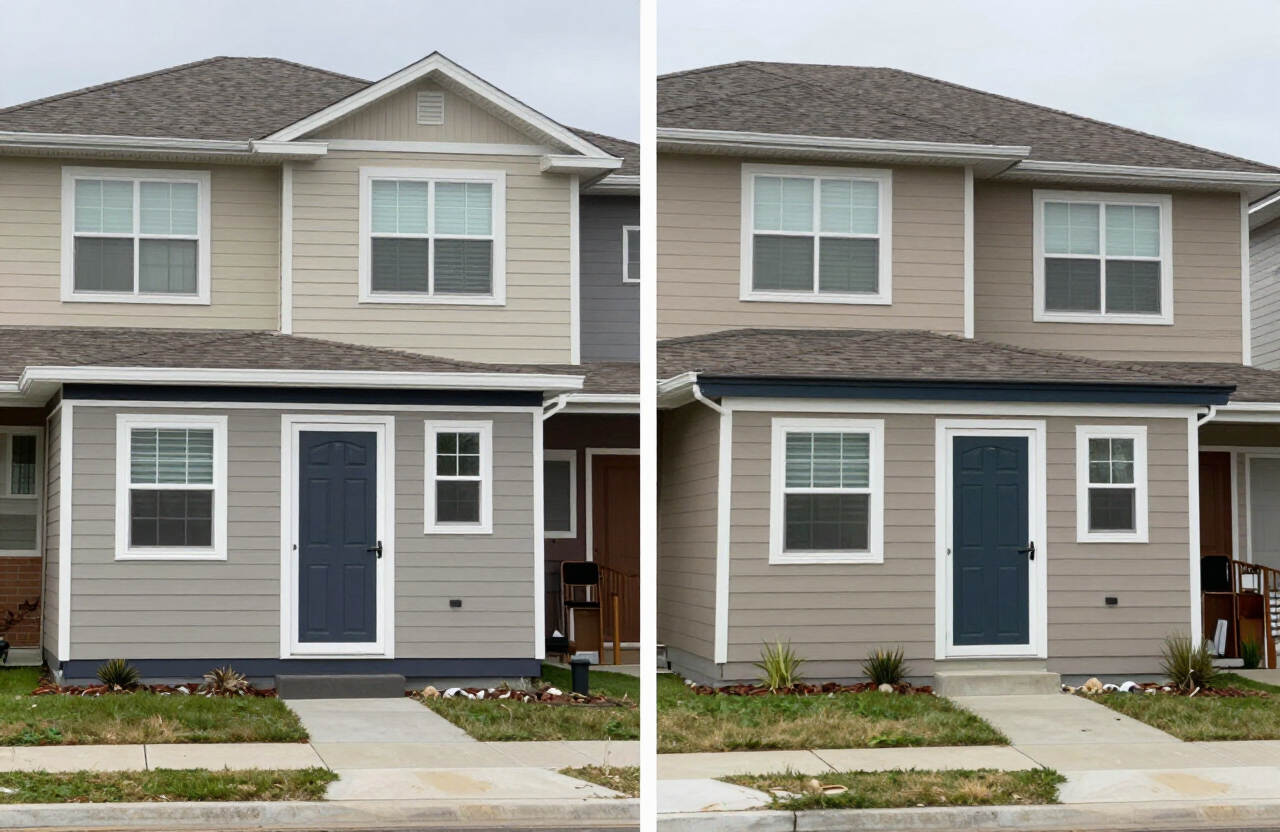
A smaller material footprint
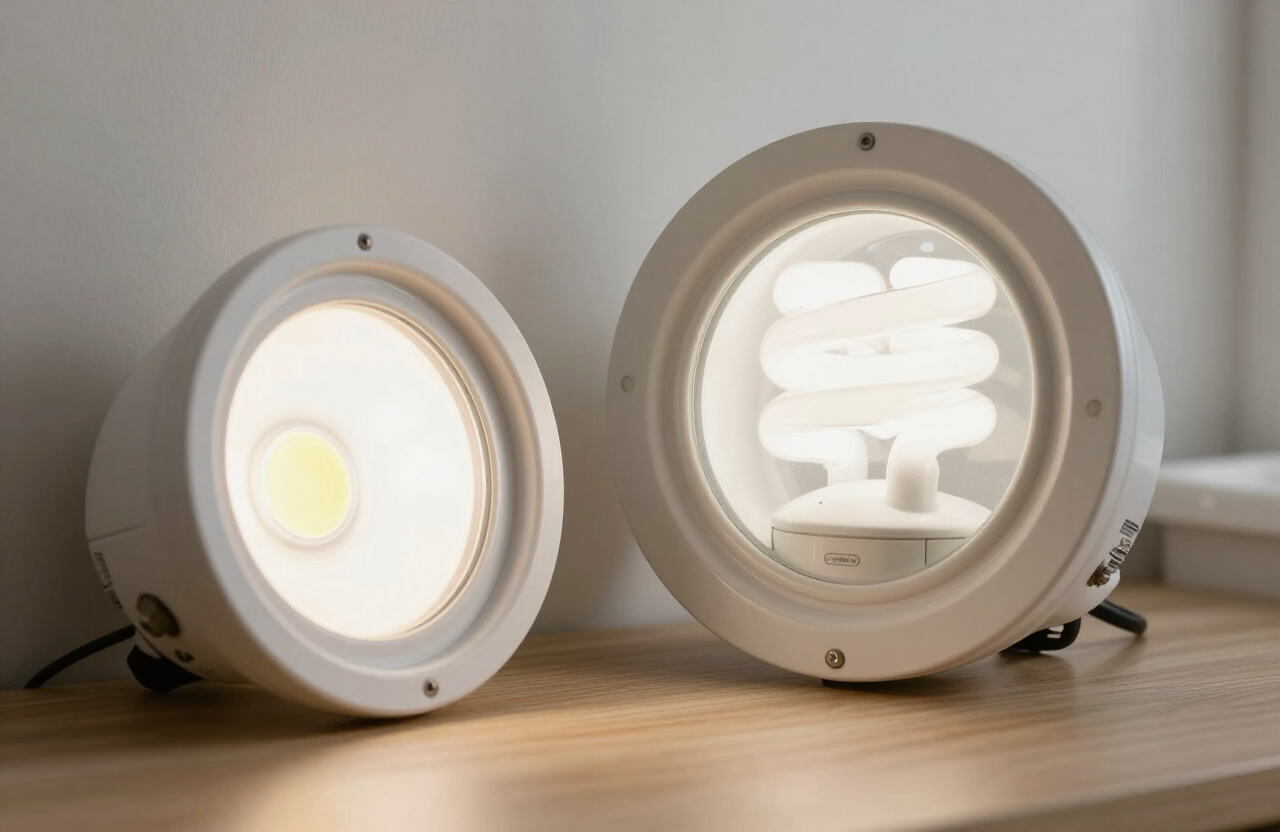
Dramatically lower energy use
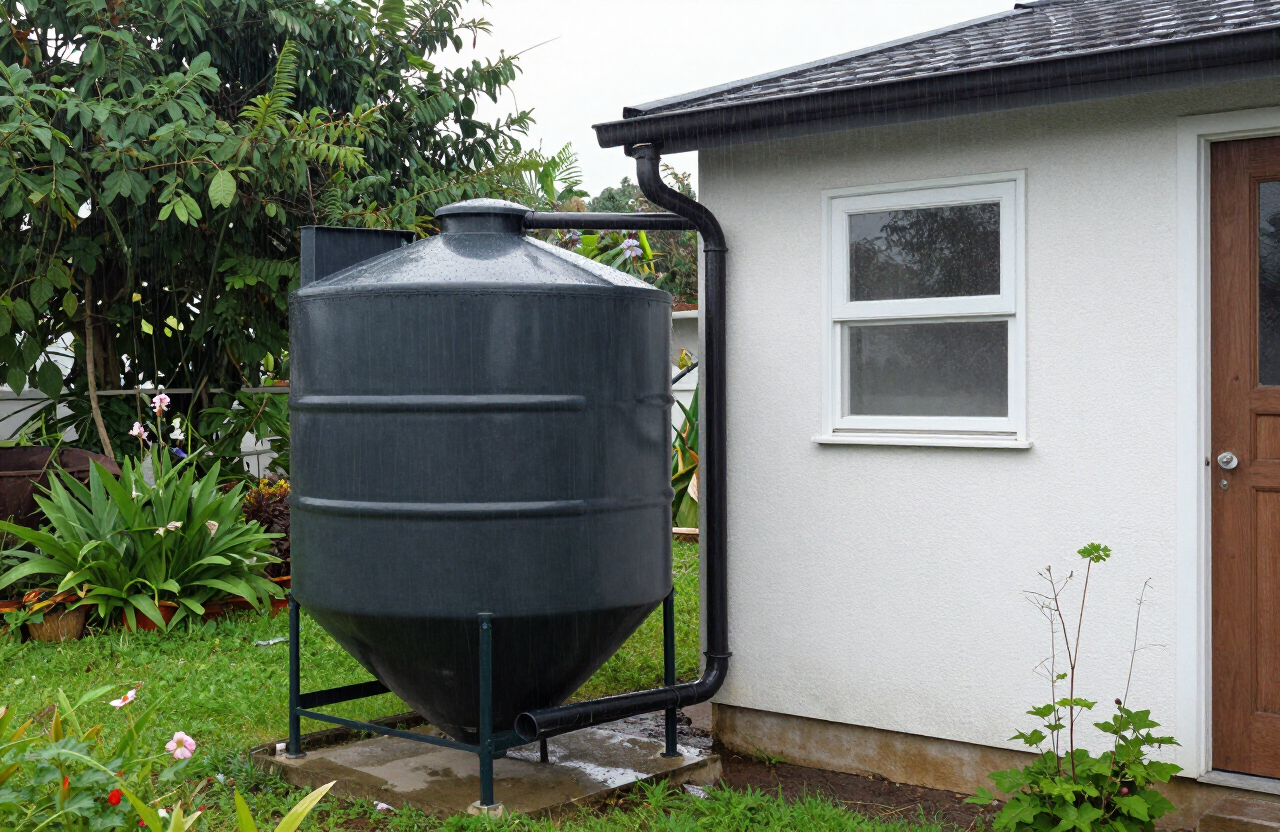
Water: less use, more reuse
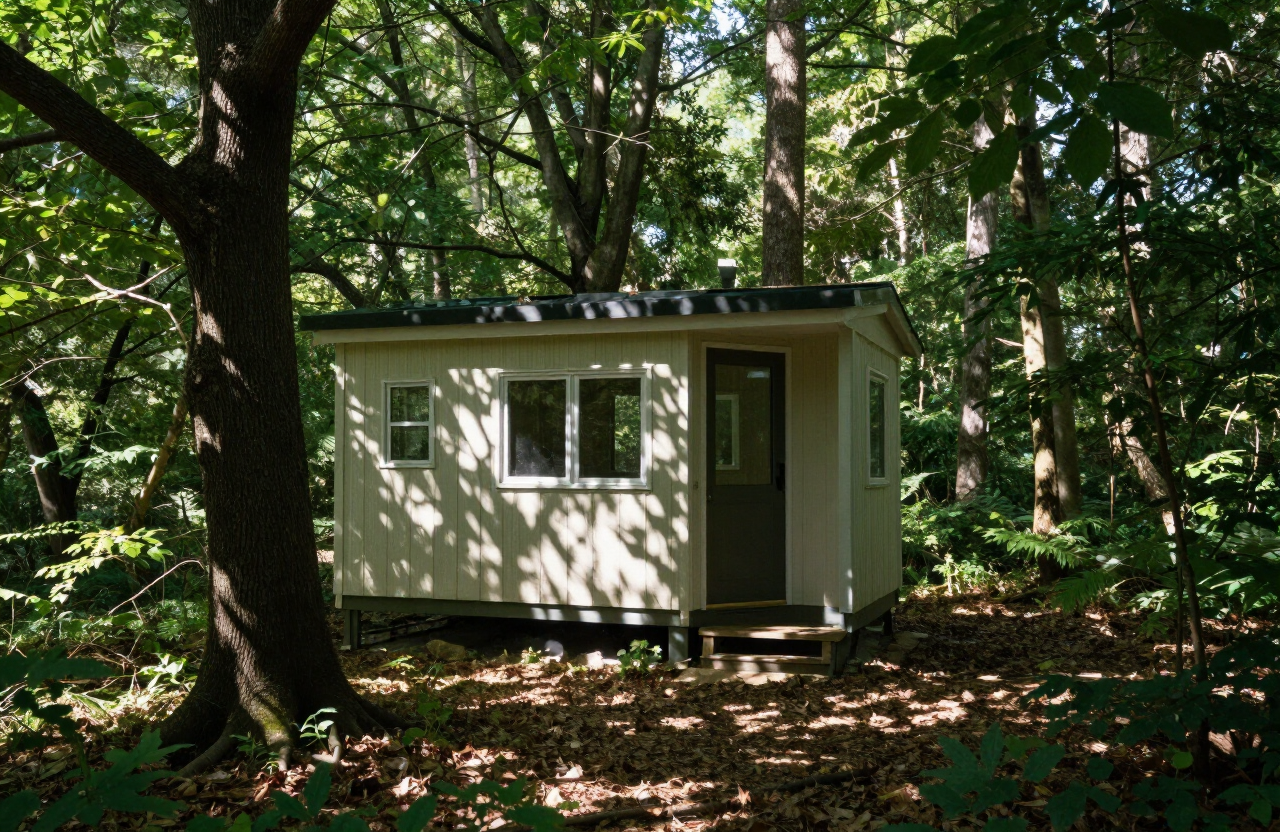
Land use and site impact
Reclaimed and low-impact materials
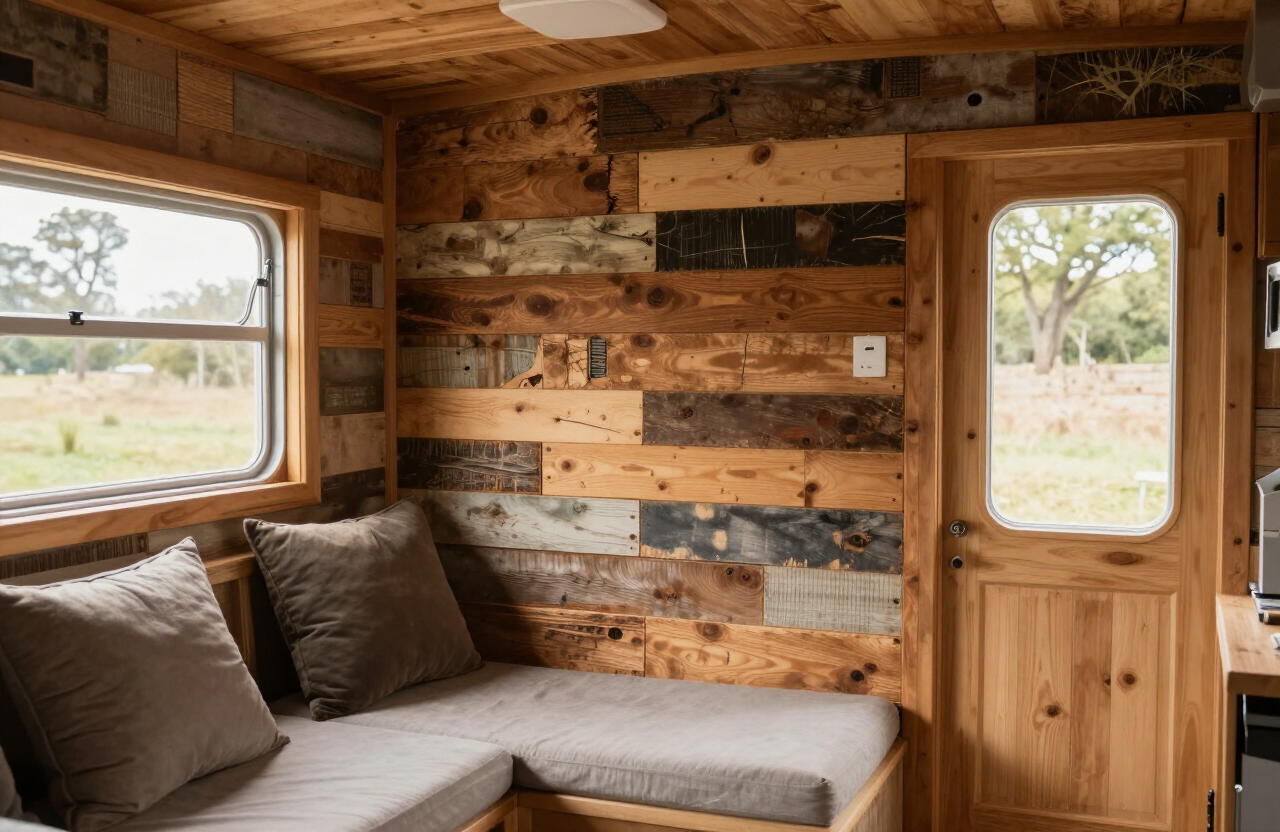
Transportation and lifestyle emissions

Where the savings are not automatic
Impact at a glance
| Category | Conventional home | Tiny home |
|---|---|---|
| Size | ~2,400 sq ft | 200–400 sq ft |
| Annual energy | 10,000+ kWh | 3,000–5,000 kWh |
| Water use | 80+ gal/person/day | 10–25 gal/person/day |
| Materials | Full house worth | One room's worth |
| Land disturbed | House + yard + drive | Pad + short drive |
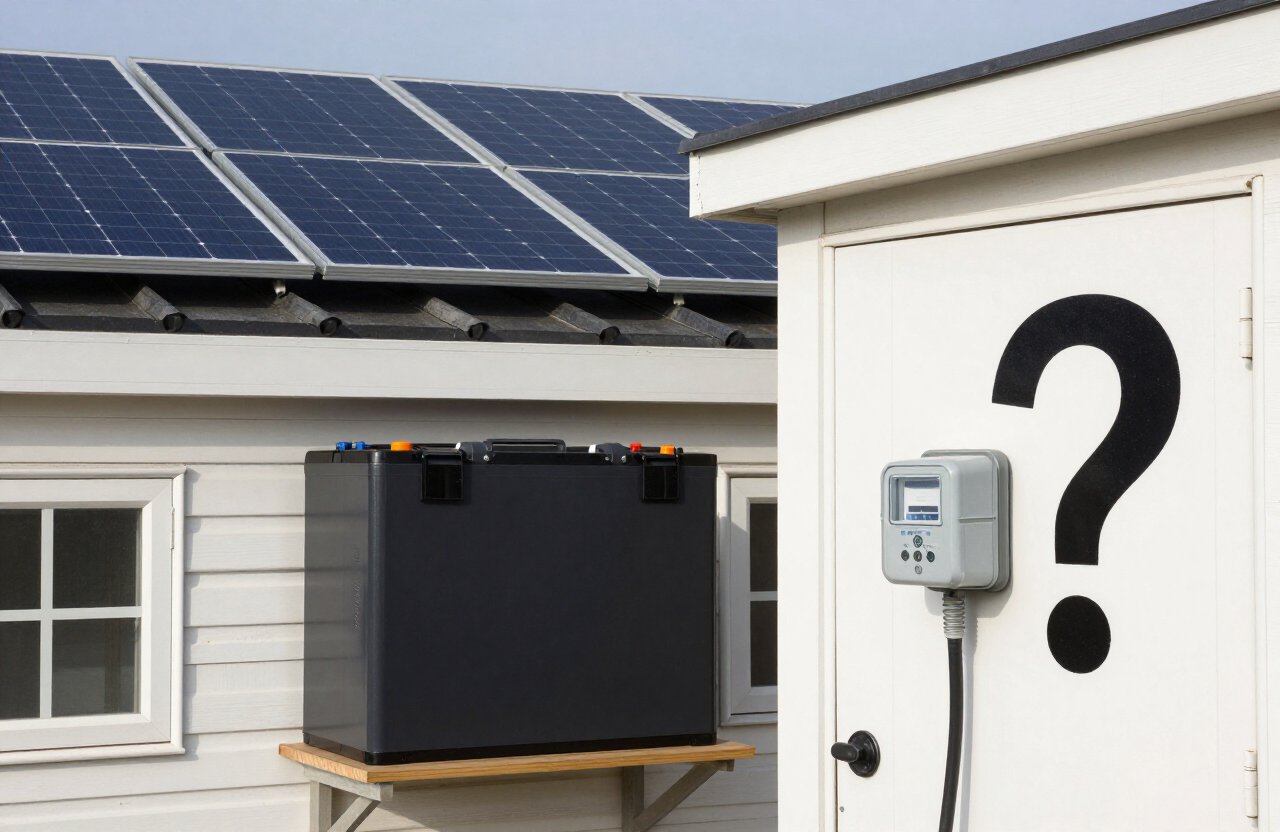
| Solar feasibility | Large system needed | 2–3 kW covers it |
Putting it all together
Related articles
More guides that dig deeper into the same topics.
Frequently asked questions
Do tiny homes really reduce environmental impact?+
Yes, in most categories. A tiny home uses a fraction of the materials, energy, water, and land of a conventional house, and its small loads make on-site solar and rainwater systems practical. The savings are real but not automatic — insulation, materials, and lifestyle choices determine how large they are.
How much energy does a tiny home use compared to a regular house?+
A well-insulated grid-tied tiny home often uses 3,000–5,000 kWh per year, versus 10,000+ for a conventional house. The small load is what makes a 2–3 kW solar array enough to power a tiny home entirely, where a conventional house would need a much larger system.
What is the embodied carbon of a tiny home?+
Embodied carbon — the emissions from making and transporting the materials — is far lower than a conventional house because there is simply less material. You can lower it further with reclaimed wood, salvaged fixtures, locally sourced lumber, and natural finishes, and by avoiding high-impact materials like vinyl siding.
Can a tiny home be fully off-grid and sustainable?+
Yes. A small solar array, modest battery bank, rainwater catchment, and a composting toilet can cover a tiny home's energy and water needs entirely on site. The small loads are what make full off-grid living realistic at a fraction of the cost of off-grid power for a conventional house.
Does living in a tiny home reduce your carbon footprint?+
Usually yes, because you use less energy, water, and goods and often drive less. But it is not automatic — a tiny home on a long rural commute can burn more transport fuel than it saves in heating. The biggest footprint cuts come from pairing a small, efficient home with a low-consumption lifestyle.
Are tiny home building materials sustainable?+
They can be. Reclaimed wood, salvaged doors, locally sourced lumber, recycled-denim or wool insulation, and low-VOC finishes lower the environmental cost. Foam insulation and vinyl siding raise it. The small scale makes sustainable materials more affordable than they would be in a large house.
Ready to start searching?
Browse tiny homes, plans, builders, communities and land on the interactive map.
Explore the map