Utilities & Systems

Water Systems for Tiny Homes: Plumbing and Conservation

13 min read · Updated March 4, 2026

By John

A reliable water system is the difference between a tiny home that feels like a real house and one that feels like camping. Here is how to plan plumbing, pressure, filtration, and conservation for a small footprint.
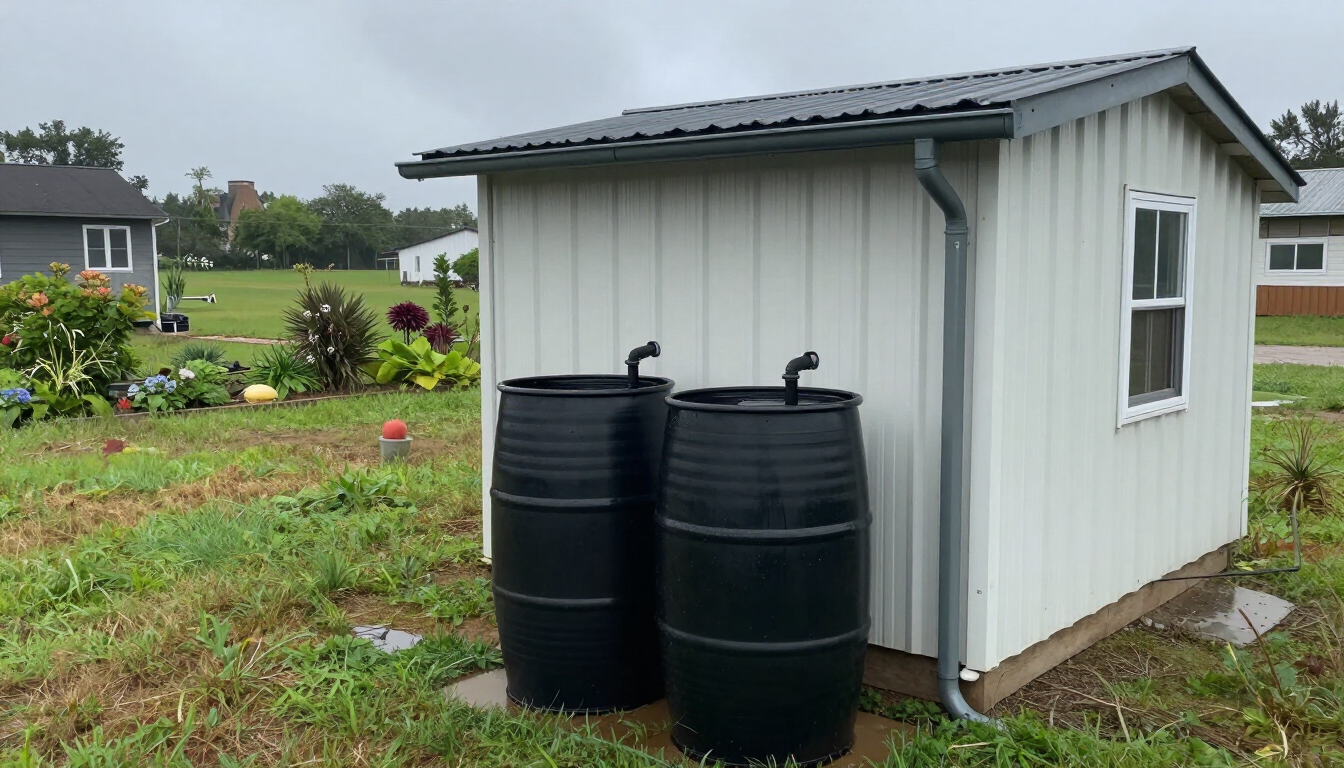
Rain water collection barrels connected to a tiny home gutter downspout with a garden behind

How a tiny home water system works

Every tiny home water system does the same four jobs, whether you are hooked to a city tap or living off-grid: it brings water in, pressurizes it, heats some of it, and drains it away. The difference is where the water comes from and where the waste goes. A grid-tied tiny home connects to a municipal supply and sewer or septic, so pressure and treatment are handled for you. An off-grid tiny home sources its own water — from a well, spring, or rain catchment — and treats both supply and waste on site. Before you buy a single fitting, decide which path you are on, because it changes everything downstream. Browse

Plumbing a tiny home the right way

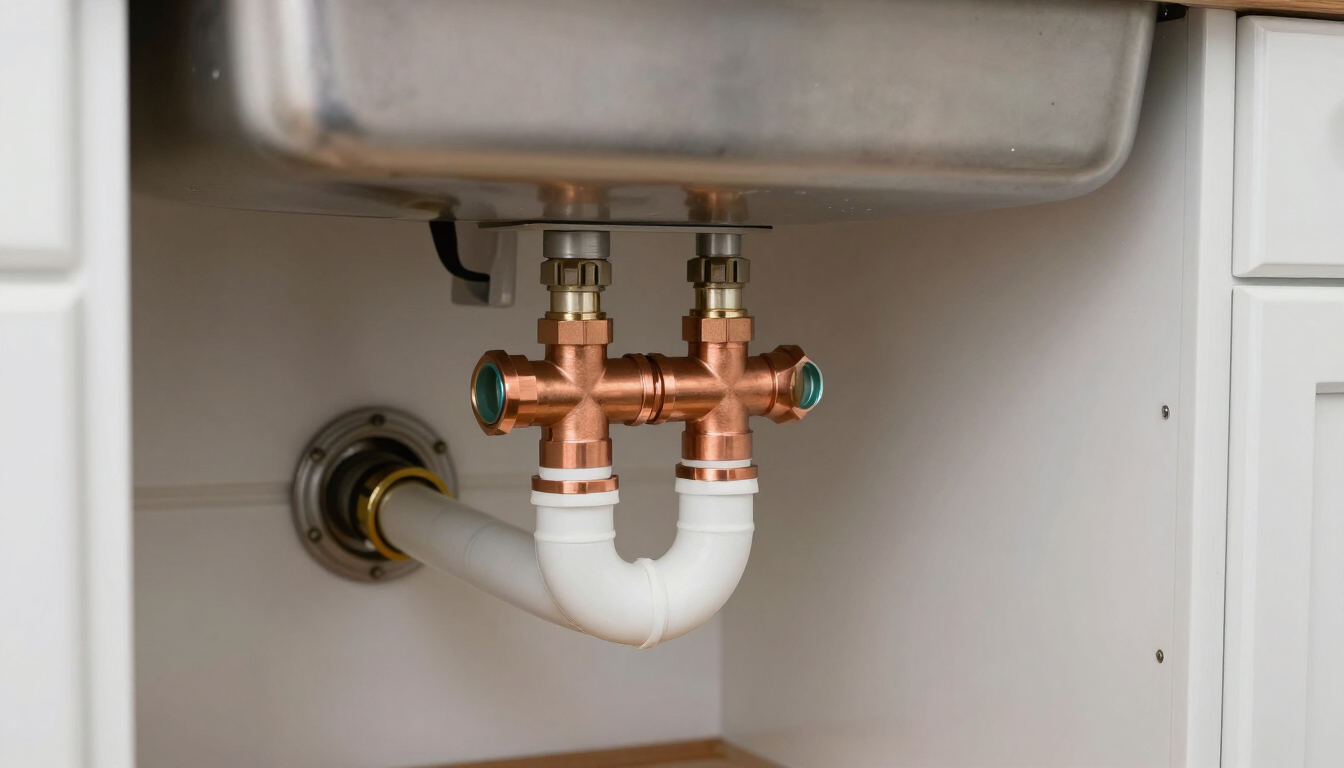
Tiny home plumbing favors flexible PEX tubing over rigid copper. PEX is cheap, freeze-tolerant, and bends around corners without fittings, which matters when your plumbing runs through tight floor cavities. Run supply lines inside the heated envelope wherever possible so a cold night does not split a pipe. Group the kitchen and bathroom along a single plumbing wall to shorten runs, save materials, and concentrate the freeze risk in one easy-to-heat zone. Use a manifold with individual shut-off valves for each fixture so you can isolate a leak without closing the whole system. Every drain needs a P-trap and proper venting — a stud vent (air admittance valve) is the space-saving choice when a true roof vent is impractical.
PEX plumbing manifold and pipes under a tiny home kitchen sink with shut-off valves

Pressure: pumps and accumulator tanks
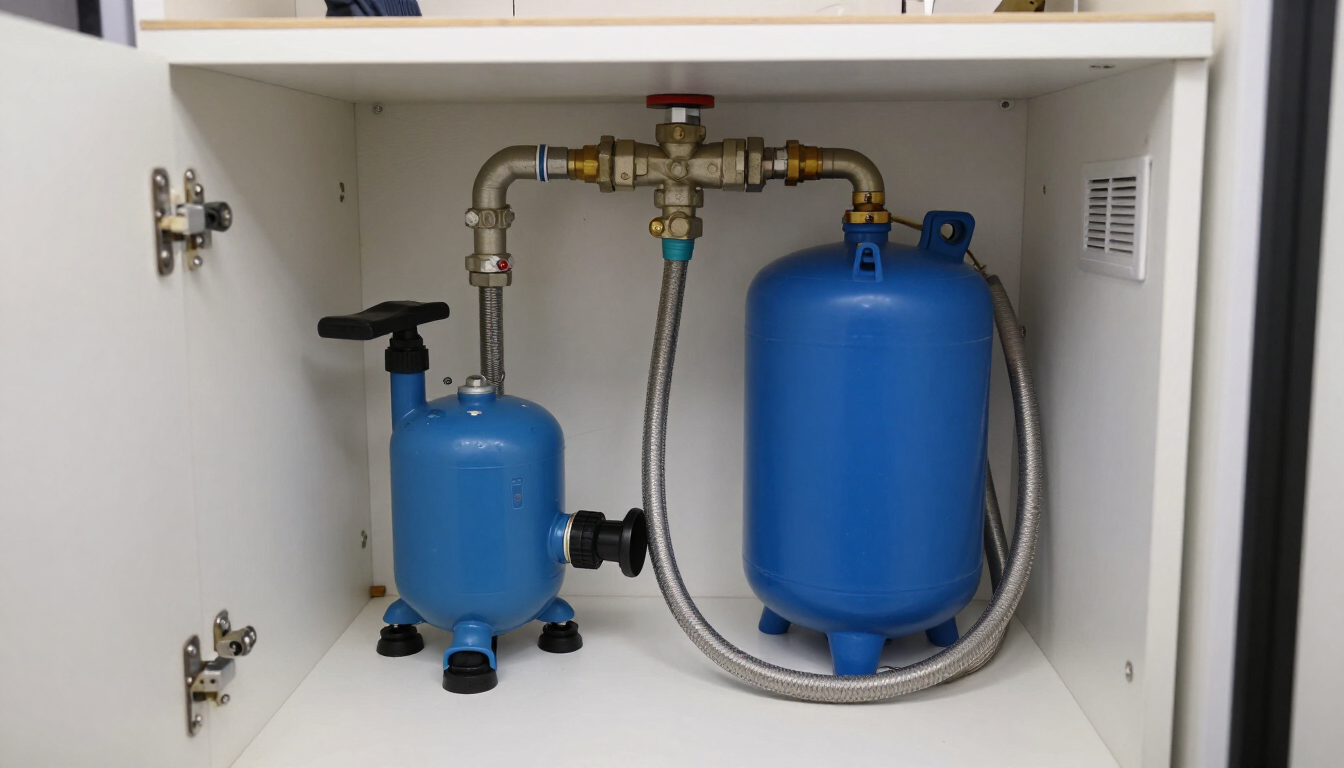
On a municipal connection, pressure comes from the street. Off-grid, you create it yourself with a 12-volt or 120-volt pressure pump paired with a small accumulator tank. The accumulator holds a pressurized cushion of air and water so the pump does not cycle on every time you open a tap — this extends pump life and smooths out the flow. Size the pump to deliver about 2–3 gallons per minute at 30–40 psi, which is plenty for a single fixture at a time. Keep the pump accessible and on a vibration-isolating mount, because a noisy pump in a small home is genuinely annoying. A inline sediment filter before the pump protects it from grit in tank water.
Tiny home utility closet with a pressure pump, accumulator tank and plumbing manifold

Filtration and safe drinking water

If your water comes from a well, spring, or rain catchment, treat it before drinking. A three-stage system is the practical standard: a sediment filter to catch particles, a carbon block to remove taste, odor, and chemicals, and a final stage of UV sterilization or a ceramic filter to deal with biological contamination. Test your source water before choosing the final stage — a UV lamp is the right call if bacteria is a risk; a ceramic or reverse-osmosis unit is better for chemical or mineral concerns. Mount the filters where you can reach them, because cartridges need replacing every few months and a filter you cannot get to is a filter that does not get changed.
Under-sink multi-stage water filtration system mounted on a tiny home wall

Heating water without a big tank

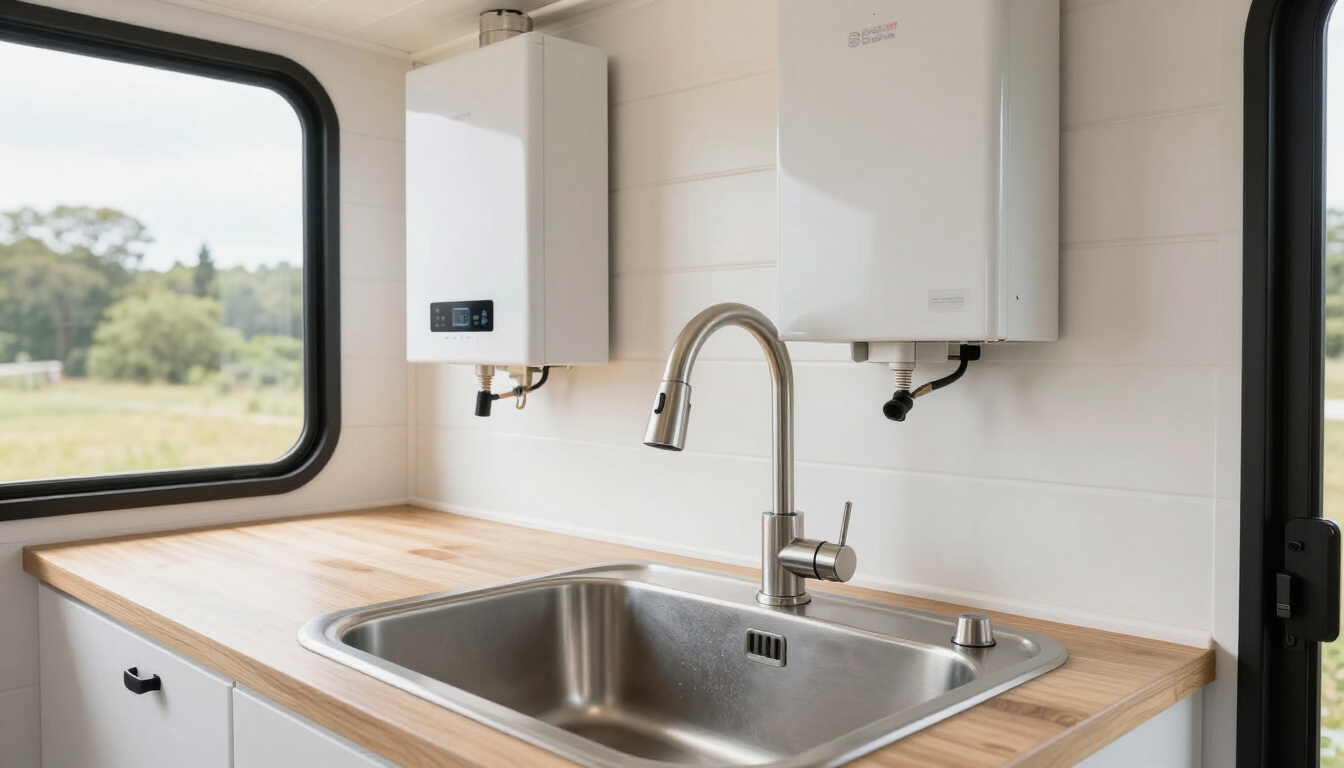
A traditional 40-gallon water heater is a poor fit for a tiny home — it is heavy, wastes standby heat, and eats floor space. The two common alternatives are a small point-of-use electric tank (5–10 gallons, tucked under a sink) or an on-demand tankless heater. A propane tankless unit is the off-grid favorite because it heats endless water without battery drain; an electric tankless works on grid power but draws a large surge that needs a capable breaker. Whichever you choose, insulate the hot lines and keep the runs short — in a tiny home, waiting two minutes for hot water is a design failure, not a feature.
Compact tiny home kitchen with a stainless steel sink and brushed nickel faucet

Conservation: the cheapest gallon is the one you do not use
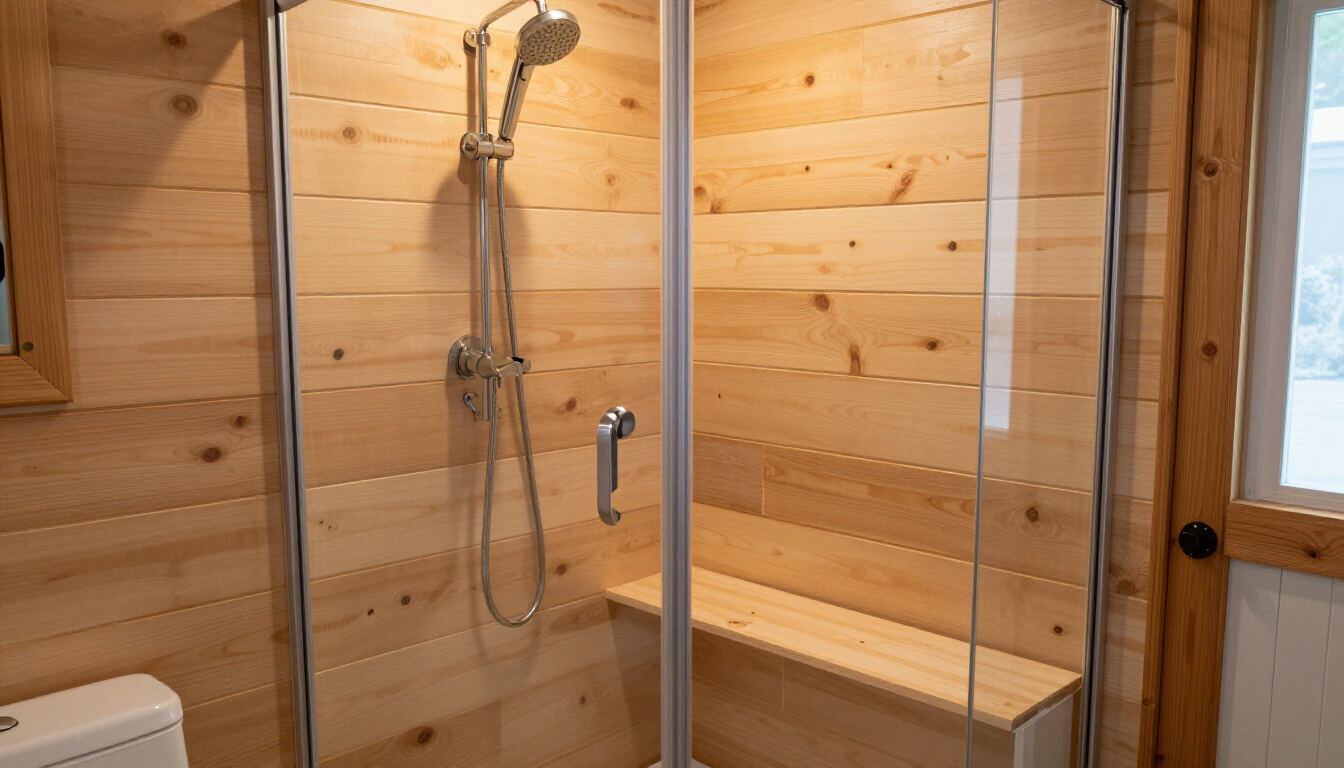
In a tiny home, water conservation is not just environmental — it is operational. The less water you use, the smaller your tanks, pump, filter, and heating system can be, and the longer an off-grid supply lasts through a dry stretch. Start with low-flow fixtures: a 1.5 gpm kitchen aerator, a 1.5 gpm showerhead, and a dual-flush or composting toilet. A Navy shower (wet, soap, rinse) cuts shower use from 17 gallons to under 3. Reuse greywater from the sink and shower to irrigate non-edible plants where local codes allow. Every conservation choice shrinks the system you have to build and pay for.
Tiny home bathroom walk-in shower with a low-flow shower head and wood plank walls

Rainwater catchment as a water source
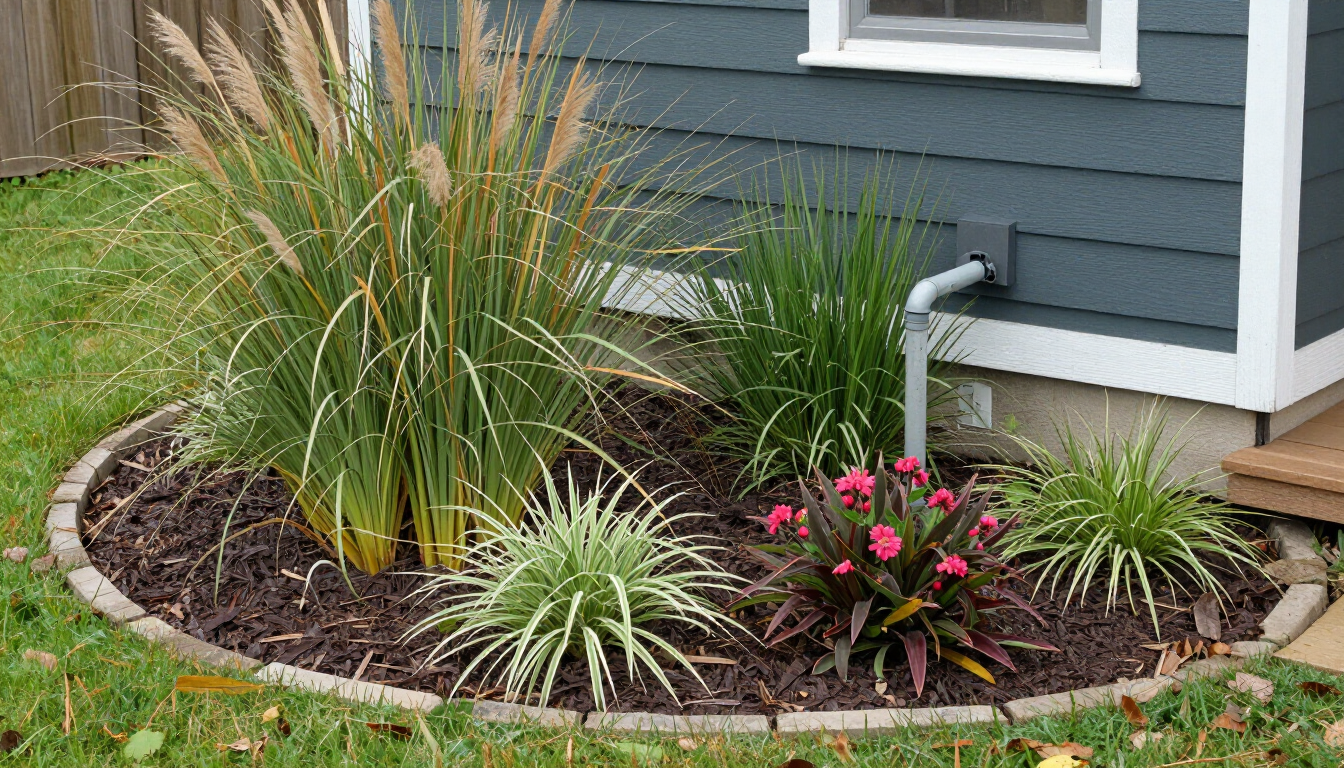
Rainwater is the cheapest off-grid water source to start with. A clean metal roof, gutters, and a first-flush diverter feeding food-grade tanks can supply a surprising volume from modest rainfall — roughly 0.6 gallons per square foot of roof per inch of rain. Size your storage to bridge the dry season, not just the average week, because a full tank in spring is useless if it empts by August. Keep the roof clean, screen every tank inlet, and overflow outlet to keep mosquitoes and debris out. Even if rain is your backup rather than your main supply, a couple of barrels offset garden and toilet flushing for free. See our
Greywater mulch basin with reeds and ornamental plants fed by a pipe from a tiny home

Water systems at a glance

ComponentOn-grid choiceOff-grid choice
SourceMunicipal supplyWell, spring, or rain catchment
PressureStreet pressure12V pump + accumulator tank
FiltrationOptional carbon filterSediment + carbon + UV/ceramic
Hot waterSmall electric tank or tanklessPropane tankless
WasteSewer or septicComposting toilet + greywater
ConservationLow-flow fixturesLow-flow + greywater reuse

Putting it all together

A tiny home water system is a chain — source, pressure, filtration, heating, drainage — and the chain is only as reliable as its weakest link. Plan the plumbing wall early, use PEX and a manifold, and keep runs inside the heated envelope. Off-grid, size storage for the dry season and treat drinking water with a real filtration chain. Conserve first, because every gallon you save shrinks every other component. Get these decisions right and your tiny home will feel like a proper house every time you turn on a tap. Ready to find a home with the systems already sorted? Browse tiny homes for sale, compare builders, or explore communities and land with utilities in place.

Related articles

More guides that dig deeper into the same topics.

Frequently asked questions

Can a tiny home connect to a regular city water supply?+

Yes. A grid-tied tiny home with a standard RV or residential hookup connects to a municipal supply just like any home, with street pressure providing the flow. You only need a pump and storage if you are off-grid or collecting rainwater.

How much water does a tiny home use per day?+

A frugal tiny home household uses 10–25 gallons per person per day with low-flow fixtures and Navy showers, compared to 80+ in a conventional home. Off-grid, that conservation directly determines how big your tanks and catchment need to be.

Is PEX or copper better for tiny home plumbing?+

PEX is almost always the better choice for tiny homes. It is cheaper, flexible, freeze-tolerant, and needs fewer fittings in tight spaces. Copper is durable and looks great exposed, but it is heavier, costlier, and harder to route through small cavities.

Do I need a water filter if I collect rainwater?+

Yes. Rainwater picks up debris, bird droppings, and roof residue, so treat it with a sediment filter, a carbon block, and a final UV or ceramic stage before drinking. Even clear-looking catchment water should be sterilized for biological safety.

What is the best water heater for a tiny home?+

A propane tankless heater is the off-grid favorite because it delivers endless hot water without draining batteries. On grid power, a small 5–10 gallon point-of-use electric tank or an electric tankless unit both work, though tankless draws a large surge.

How big should my rainwater storage tank be?+

Size storage to bridge your dry season, not the average week. Estimate daily use, multiply by the longest dry stretch you expect, and add a buffer. A good starting point for a couple off-grid is 1,000–2,500 gallons, depending on local rainfall patterns.

Ready to start searching?

Browse tiny homes, plans, builders, communities and land on the interactive map.

Explore the map
>