Utilities & Water

Tiny Home Water Heaters: Tankless, Point-of-Use, Solar & Heat Pump

10 min read · Updated February 6, 2026

By John

Hot water is one of the biggest energy loads in a tiny home. From propane tankless to solar thermal and heat-pump units, here is how to choose a water heater that fits your space, fuel, and off-grid setup.
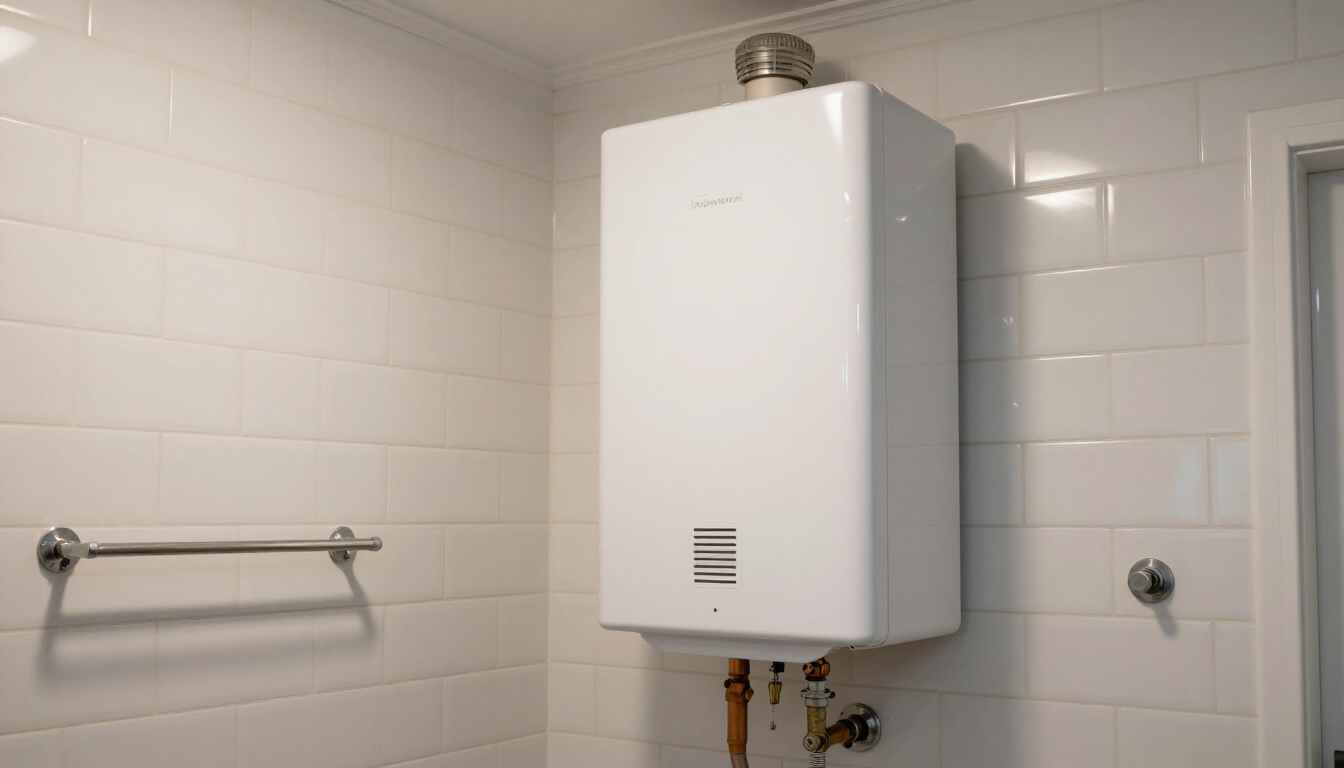
Tankless water heater mounted on a wall in a tiny home bathroom

Hot water is a big energy decision

After heating and cooling, heating water is usually the largest energy use in a tiny home. The right

Propane tankless: the off-grid favorite
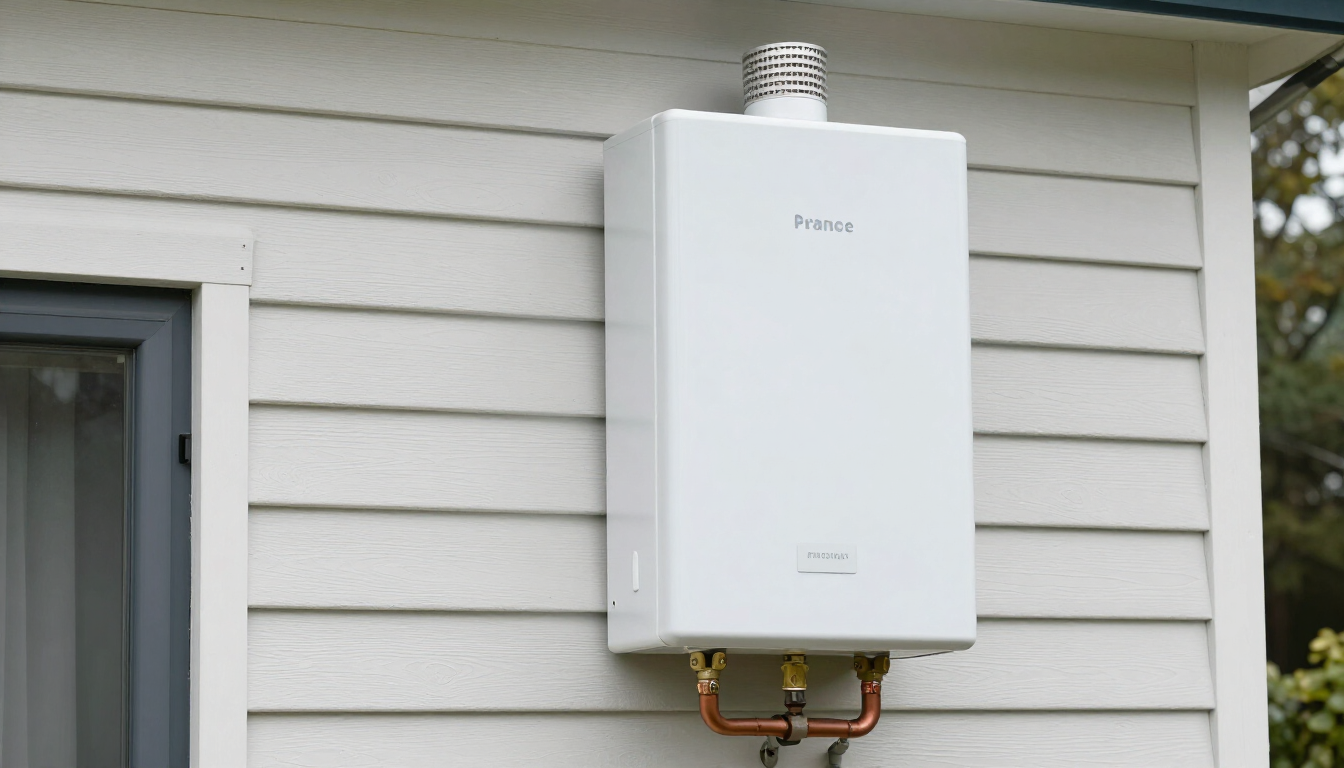
A propane tankless (on-demand) water heater heats water only when you turn on the tap, so it uses no energy keeping a tank warm and takes up very little space. It delivers endless hot water and is the most popular choice for off-grid tiny homes because propane stores a lot of BTU in a small tank. Outdoor-mounted units save interior space and simplify venting. The trade-offs: a small flow rate (usually one fixture at a time), a minimum flow to trigger heating, and the need for proper venting and a propane supply. For a couple in a tiny home, a small propane tankless unit is hard to beat off grid.
Propane tankless water heater mounted on the exterior wall of a tiny home

Electric point-of-use: compact and simple
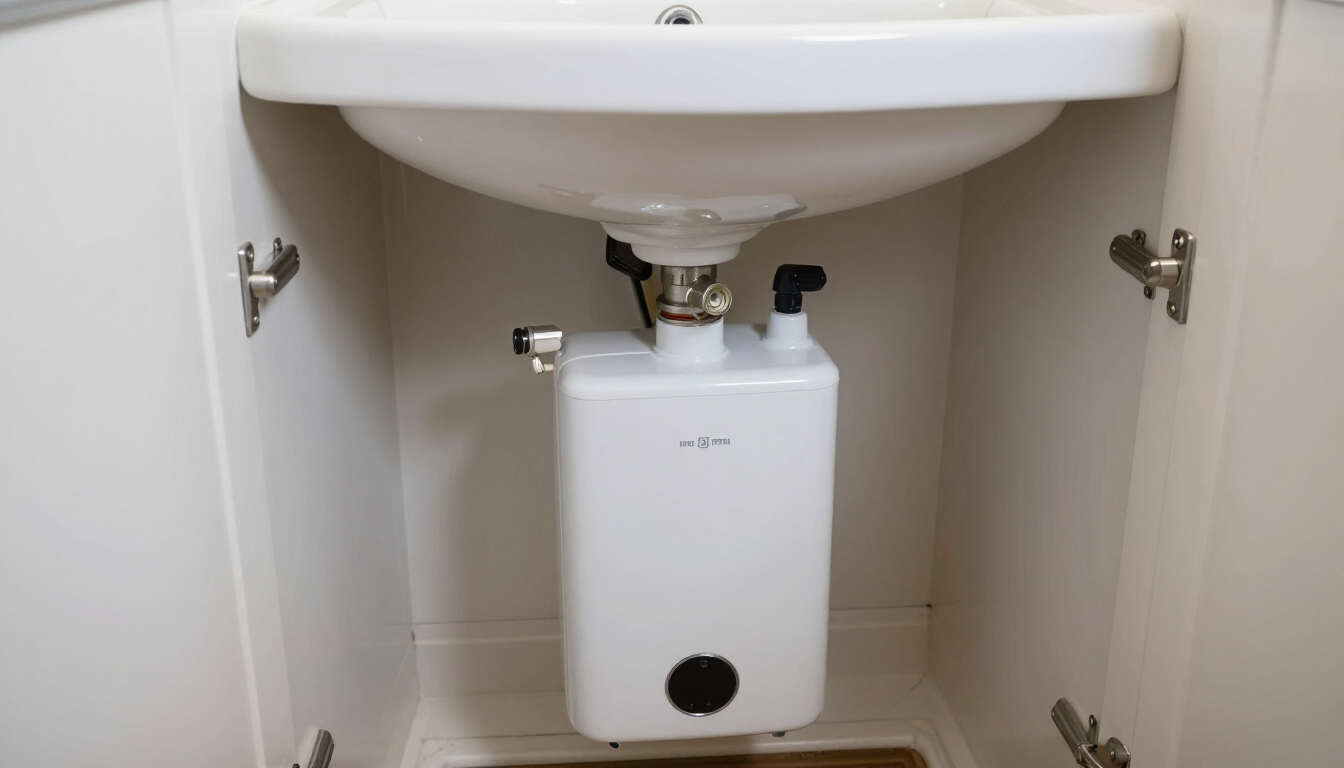
A small electric point-of-use water heater — a 2.5–7 gallon mini-tank or a small electric tankless unit installed right at the sink or shower — is the simplest option for grid-tied tiny homes. It eliminates the wait for hot water and the heat loss from long pipe runs. Mini-tanks are cheap and easy but run out; electric tankless units are compact but draw a lot of power (often 12 kW or more), which can overwhelm a 30-amp tiny-home service. For occasional hand-washing, a mini-tank under the kitchen sink is perfect; for showers, check your electrical capacity carefully.
Small electric point-of-use mini-tank water heater under a tiny home sink

Solar thermal: free hot water from the sun
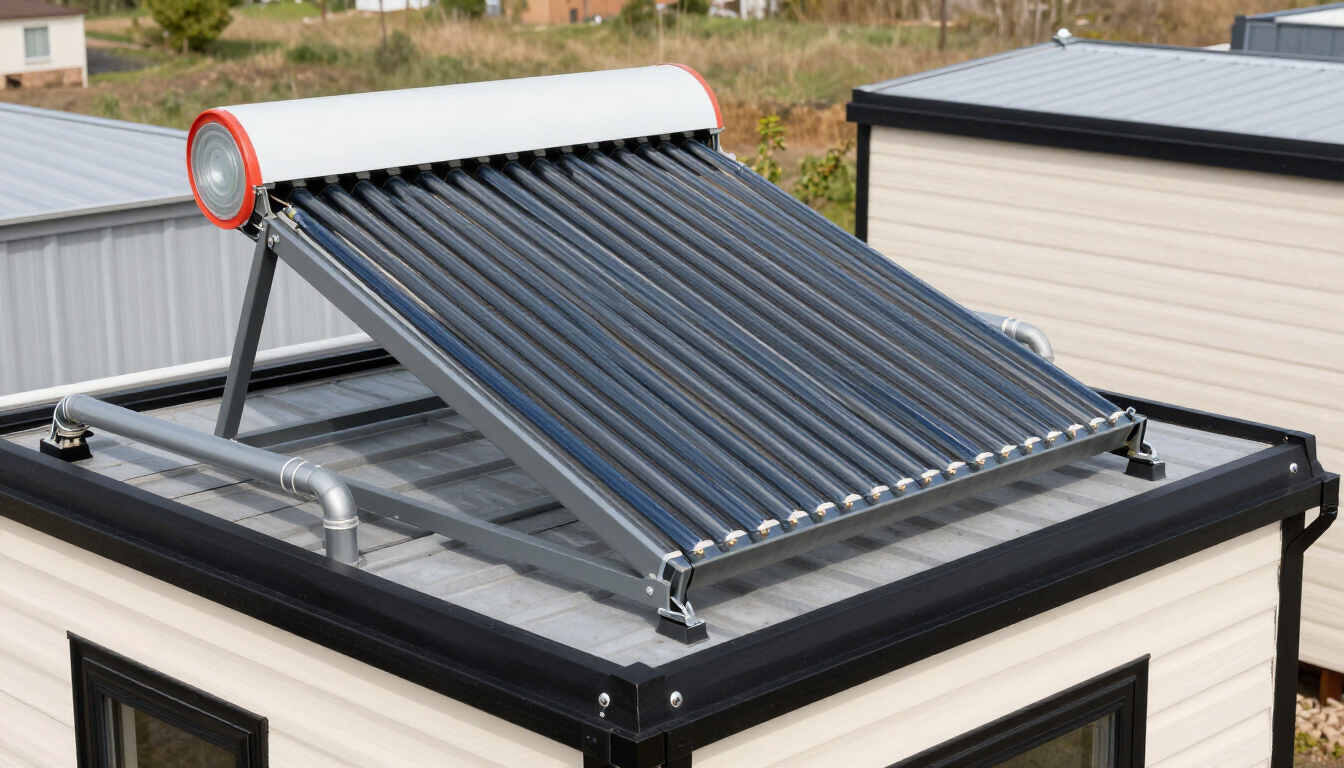
A solar thermal water heater uses a roof-mounted collector to warm water directly, storing it in a small tank. In sunny climates it can provide most of your hot water for free, making it attractive for off-grid tiny homes. The downsides are upfront cost, complexity (pumps, a heat exchanger, antifreeze in cold climates), and inconsistent output on cloudy days, so it is usually paired with a backup (a propane or electric heater). Solar thermal makes the most sense in sunny regions for owners who want to minimize fuel use. Pair it with rainwater and filtration for a full off-grid water system.
Solar thermal water heating panel mounted on a tiny home roof

Heat pump water heater: efficient but needs space
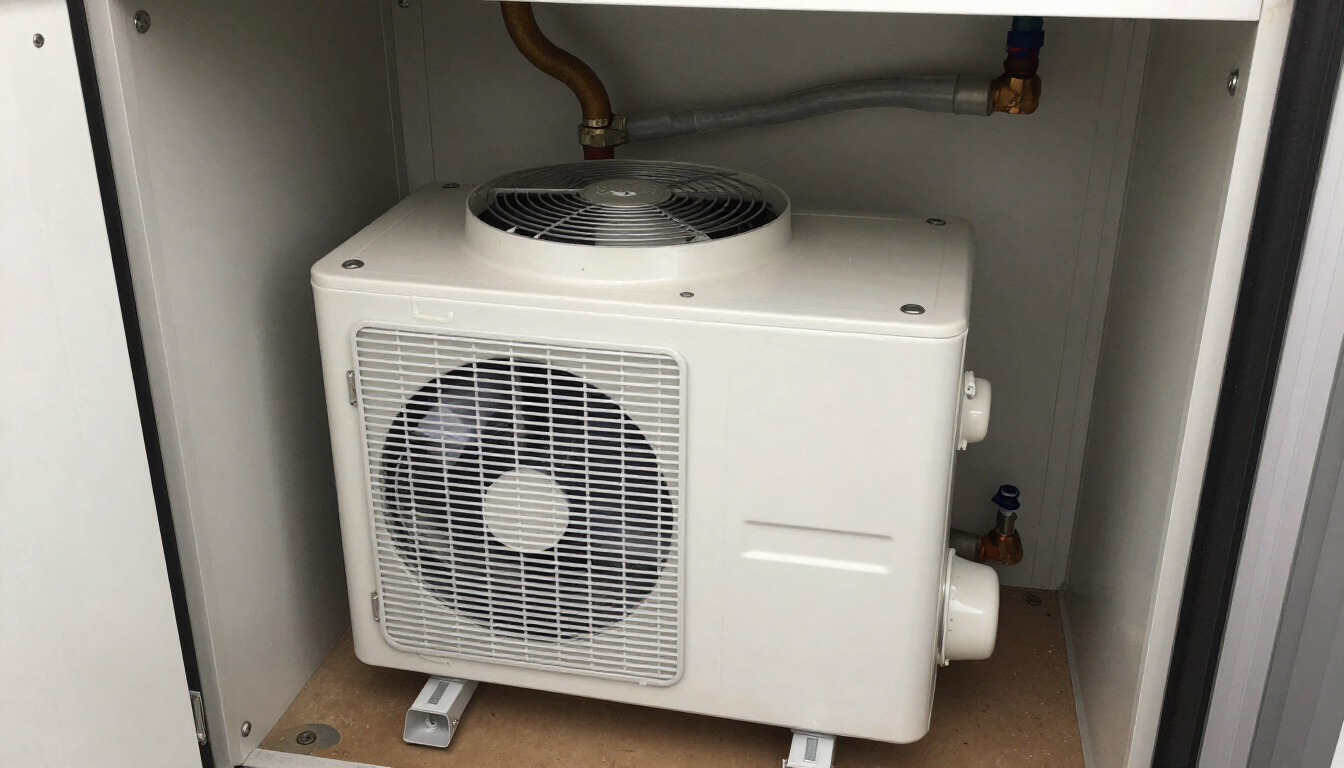
A heat-pump water heater pulls heat from the surrounding air to warm water, using about a third as much electricity as a standard electric tank. It is the most efficient electric option and also dehumidifies and cools the space it sits in — a bonus in summer, a drawback in winter. The catch for tiny homes is size: most heat-pump units are taller than a tiny home can easily accommodate, and they need air volume to work well. Compact versions are emerging, but for now heat-pump water heaters fit best in larger tiny homes or small houses on foundations with a utility closet.
Compact heat pump water heater unit in a tiny home utility closet

Water heater types compared

TypeFuelSpaceOff-grid?Best for
Propane tanklessPropaneSmallYesOff-grid, couples
Electric point-of-useElectricSmallWith big solarGrid-tied, single fixtures
Solar thermalSun + backupMediumYesSunny climates
Heat pumpElectricLargeWith big solarLarger tiny homes, grid-tied
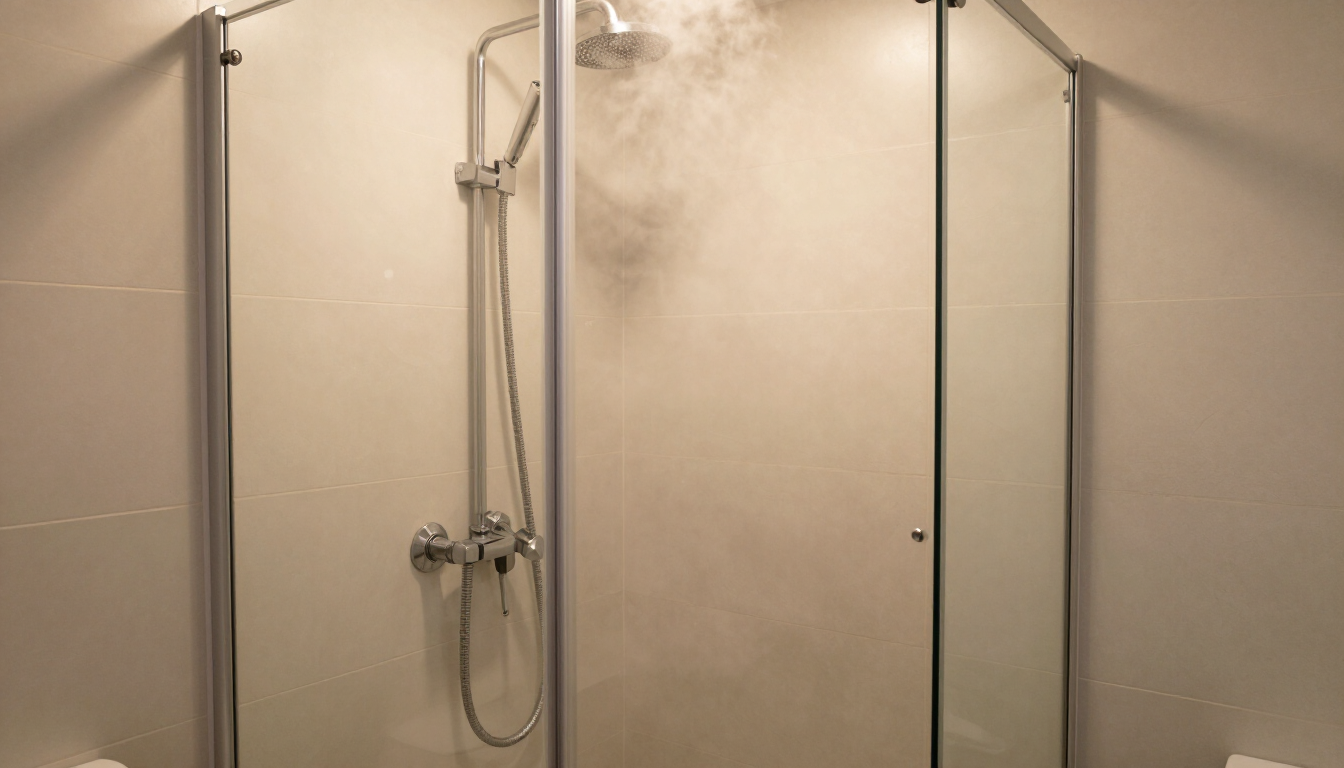
Tiny home bathroom shower with hot water running and steam

Sizing and off-grid pairing

Size the heater to your biggest simultaneous use. For most tiny homes that is a single shower: a propane tankless needs about 35,000–55,000 BTU to deliver a 2–2.5 gallon-per-minute shower in winter. Electric tankless for a shower often needs 18–24 kW, which is too much for many tiny-home panels — a key reason propane wins off grid. If you go electric off grid, pair it with a large solar array and consider a small pre-heat tank to reduce peak demand. Insulate hot-water pipes to reduce wait and waste.
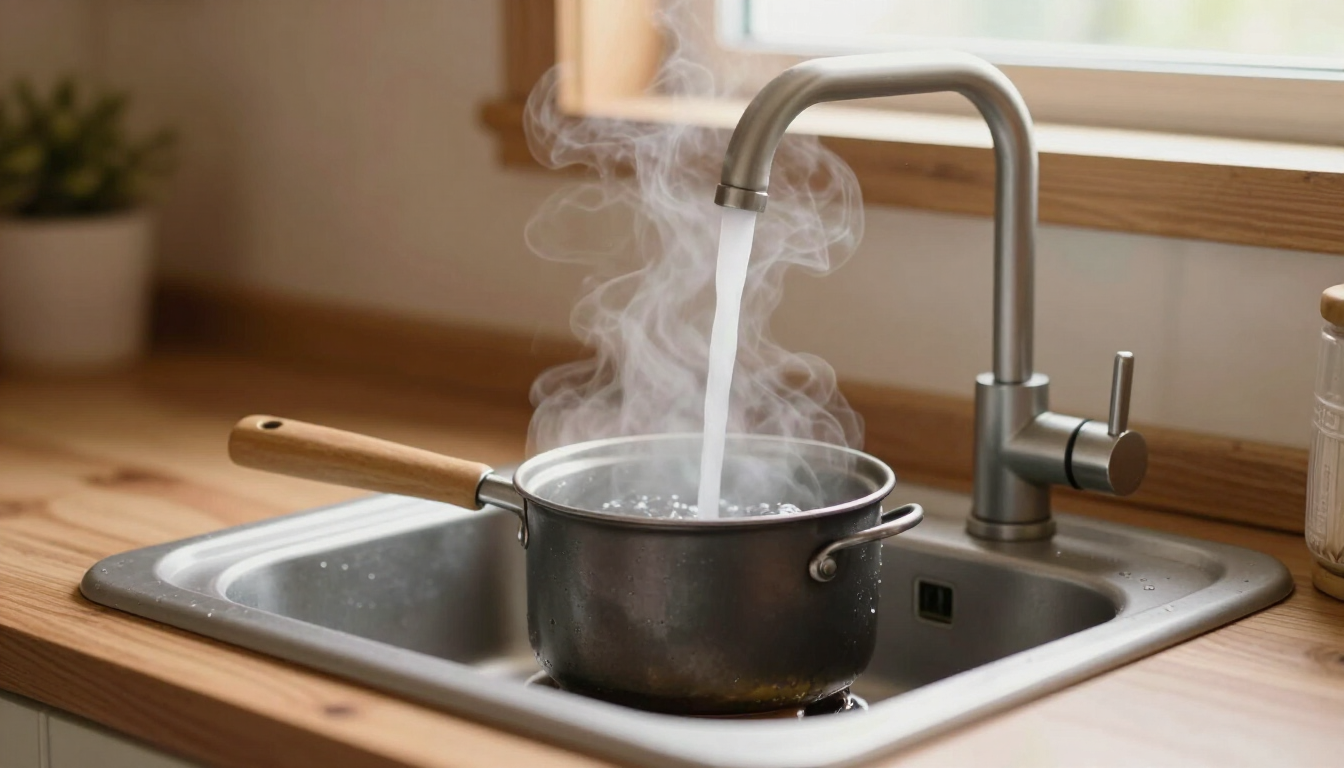
Tiny home kitchen faucet with hot water running into a pot, steam rising

Choosing your water heater

Off grid, a small propane tankless is the proven choice for reliable showers in a tiny space. Grid-tied, an electric point-of-use unit is simple and cheap for sinks, with a careful check on electrical capacity for showers. In sunny climates, solar thermal with a backup cuts fuel use dramatically. Heat-pump units suit larger tiny homes with a utility closet. Whatever you choose, insulate pipes, vent combustion units properly, and winterize if you travel. Find a home with hot water already sorted on the map, or browse tiny homes for sale.

Related articles

More guides that dig deeper into the same topics.

Frequently asked questions

What is the best water heater for an off-grid tiny home?+

A small propane tankless (on-demand) water heater is the most popular off-grid choice because it is compact, delivers endless hot water, and runs on energy-dense propane. Solar thermal with a propane backup is a great low-fuel option in sunny climates.

Can I use an electric tankless water heater in a tiny home?+

Yes, but check your electrical capacity. A whole-home electric tankless for a shower often draws 18–24 kW, which can overwhelm a 30-amp tiny-home service. Point-of-use mini-tanks for sinks are fine; size carefully for showers.

How much propane does a tankless water heater use?+

A small propane tankless uses about 1 gallon per hour of continuous use at full output. For a couple taking short daily showers, a 20 lb tank may last a few weeks; many off-grid owners use a larger 30–100 lb tank.

Are solar thermal water heaters worth it for a tiny home?+

In sunny climates, yes — they can provide most of your hot water for free. They cost more up front and need a backup for cloudy days, but they minimize fuel use, which matters off grid.

Do heat-pump water heaters work in tiny homes?+

They can, but most units are too tall for a tiny home and need air volume to work well. They suit larger tiny homes or small foundation houses with a utility closet. Compact versions are becoming available.

How do I get instant hot water at a tiny-home sink?+

Install a small electric point-of-use mini-tank (2.5–7 gallons) under the sink. It eliminates the wait and pipe heat loss, and is cheap and easy for grid-tied homes.

Should I insulate hot-water pipes in a tiny home?+

Yes. Pipe insulation reduces heat loss, shortens the wait for hot water, and saves energy — important in a small system where every watt or BTU counts.

Ready to start searching?

Browse tiny homes, plans, builders, communities and land on the interactive map.

Explore the map
>