Tiny Home Utilities: Electricity, Water, and Gas
13 min read · Updated March 14, 2026
By John
A tiny home still needs the same three utilities as any house — electricity, water, and gas — but in a much smaller and more flexible package. Here is how to set up tiny home utilities for grid-tied, hybrid, and off-grid living.
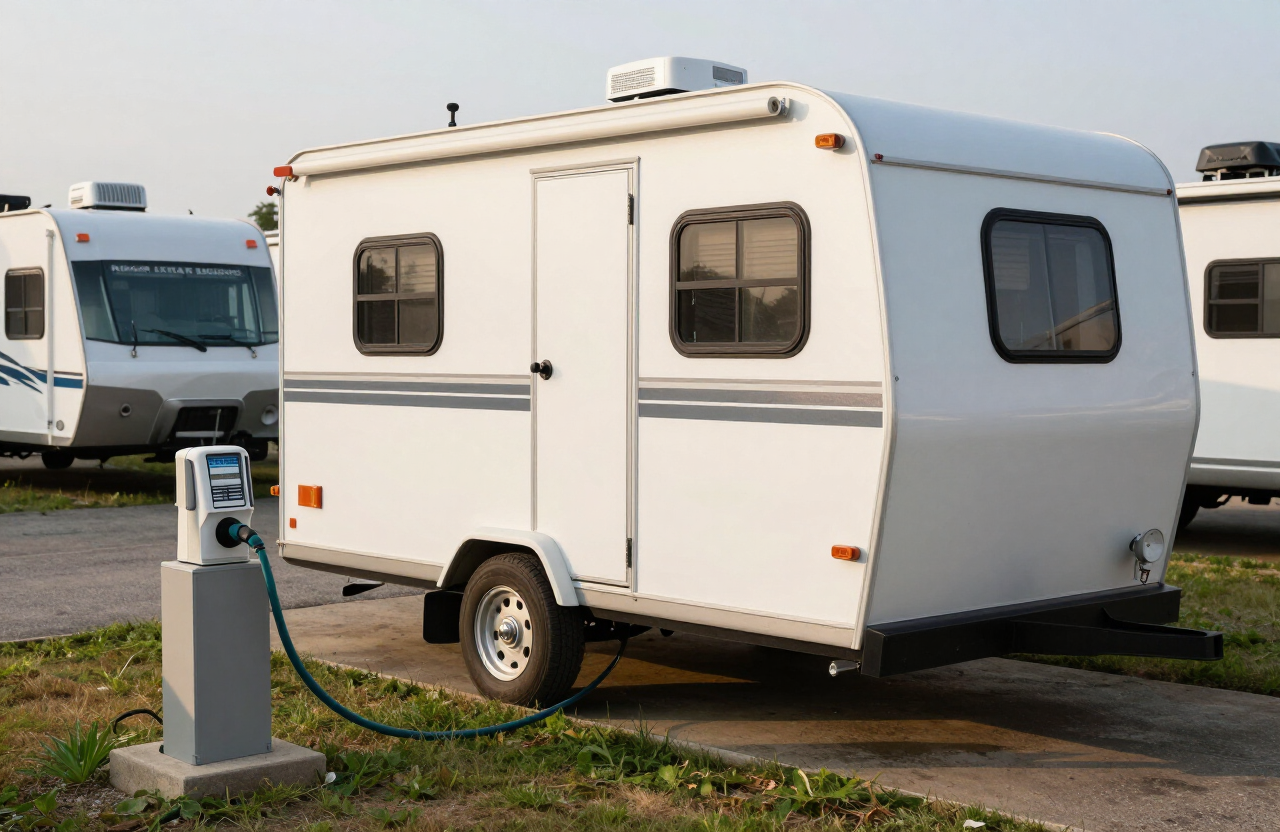
The three utilities every tiny home needs
Electricity: grid-tied connections
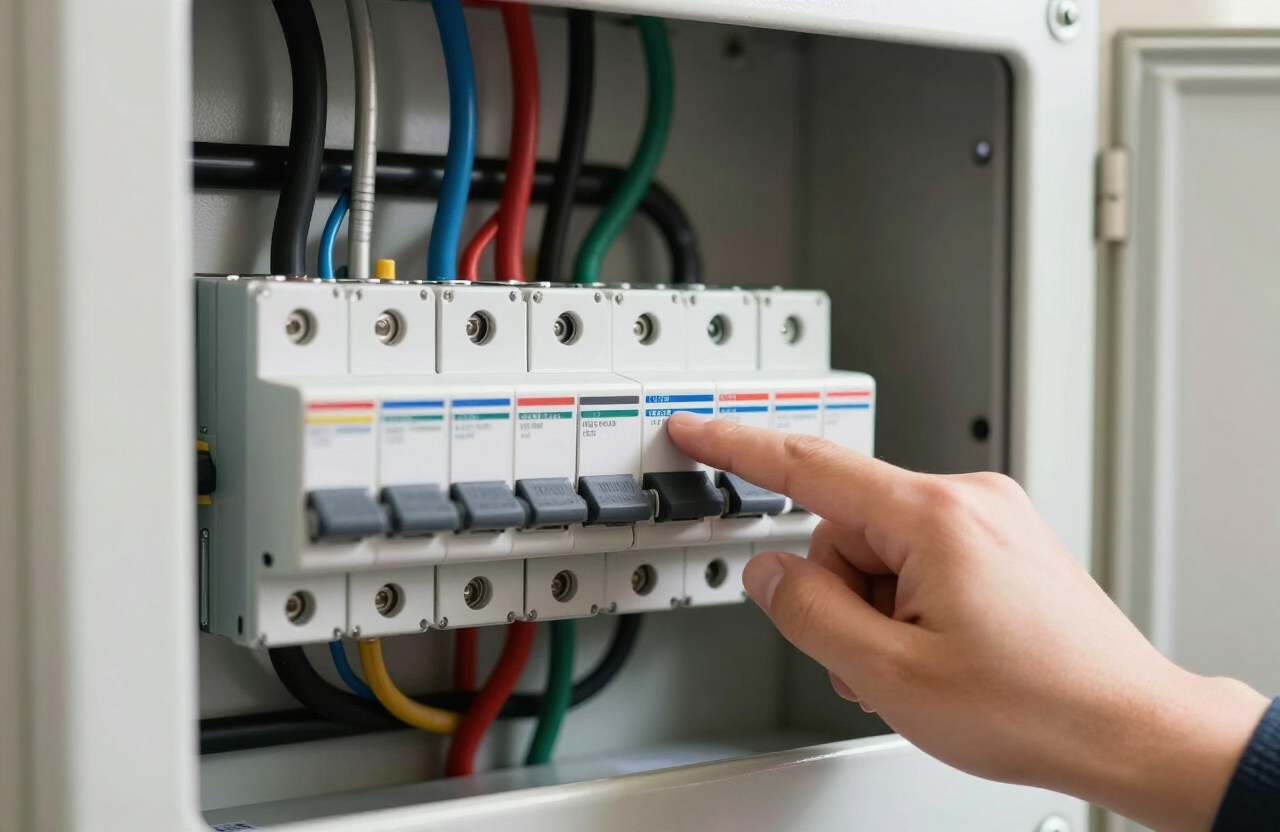
Electricity: solar and off-grid power
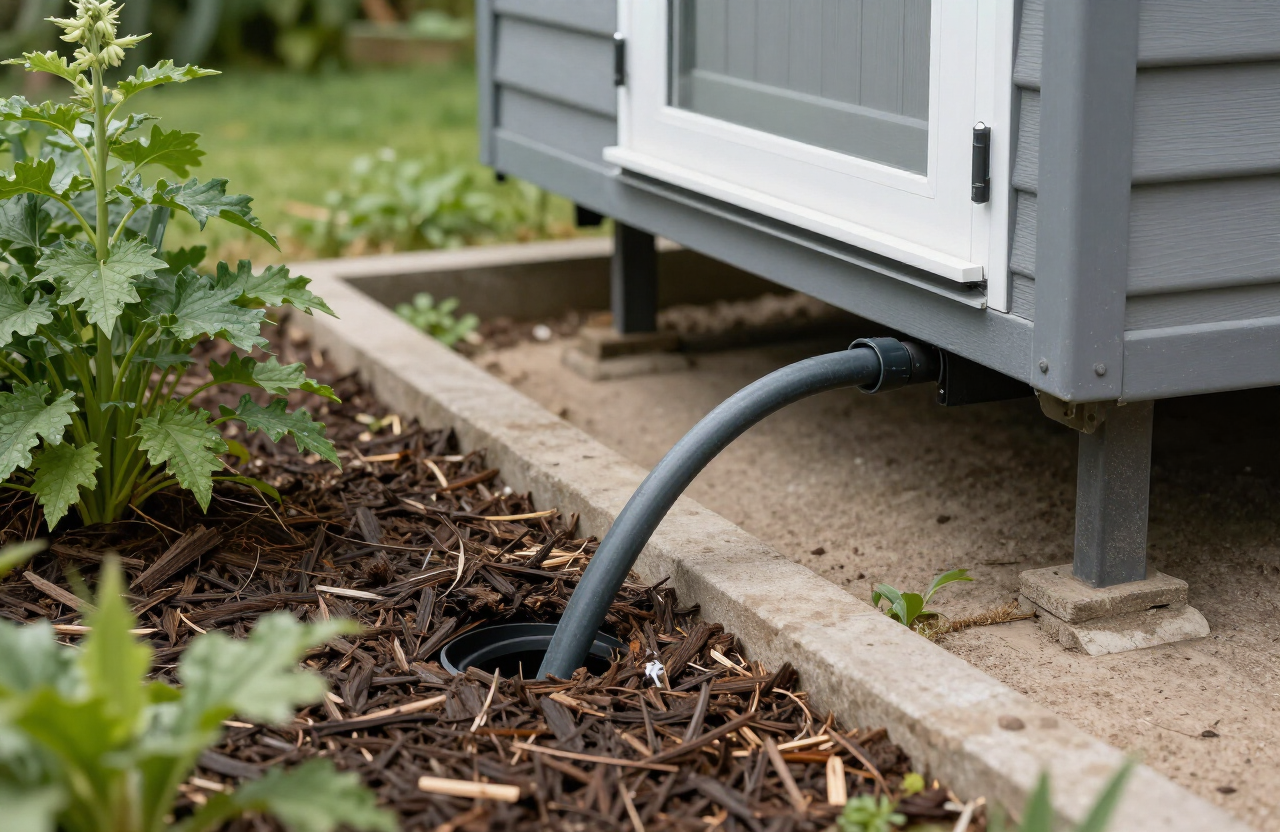
Water: where it comes from

Water: plumbing inside the tiny home
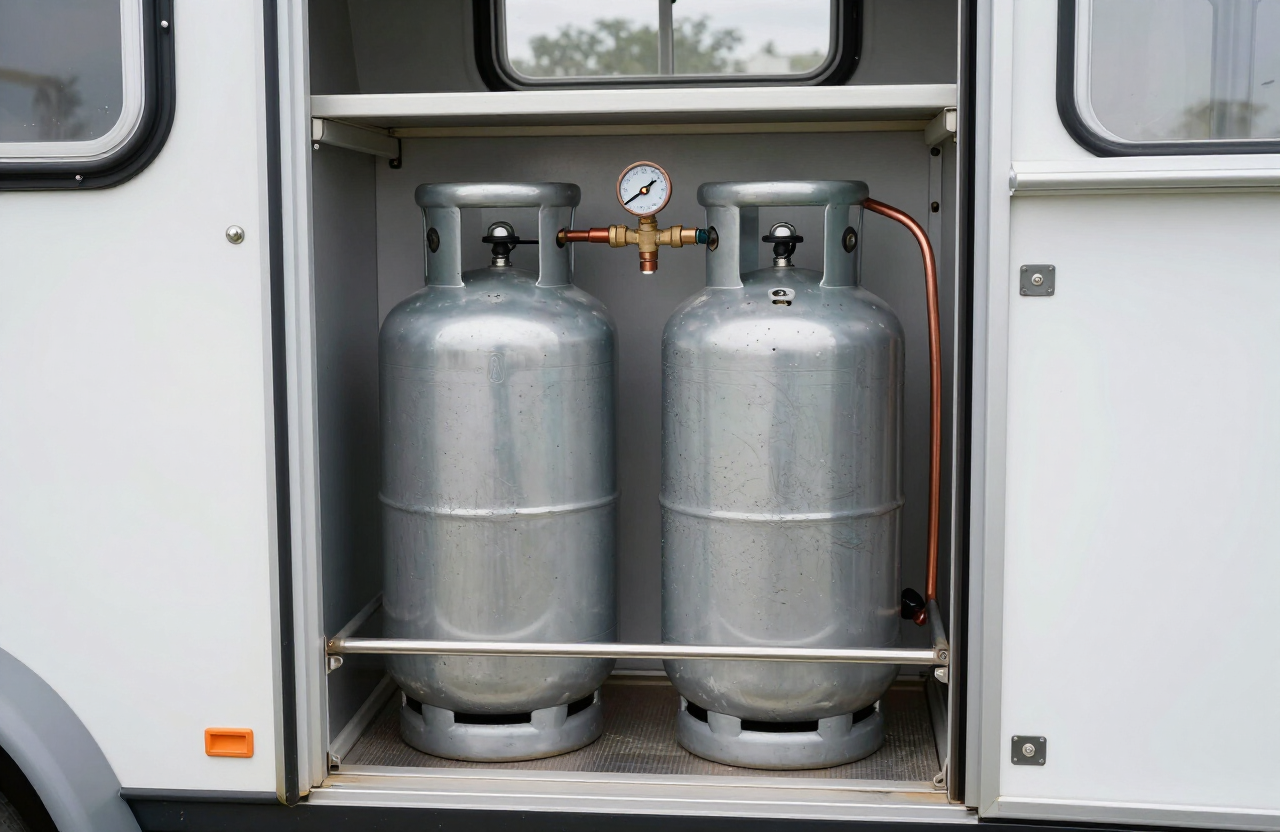
Gas: propane for cooking, heating, and hot water
Gas: natural gas and all-electric alternatives
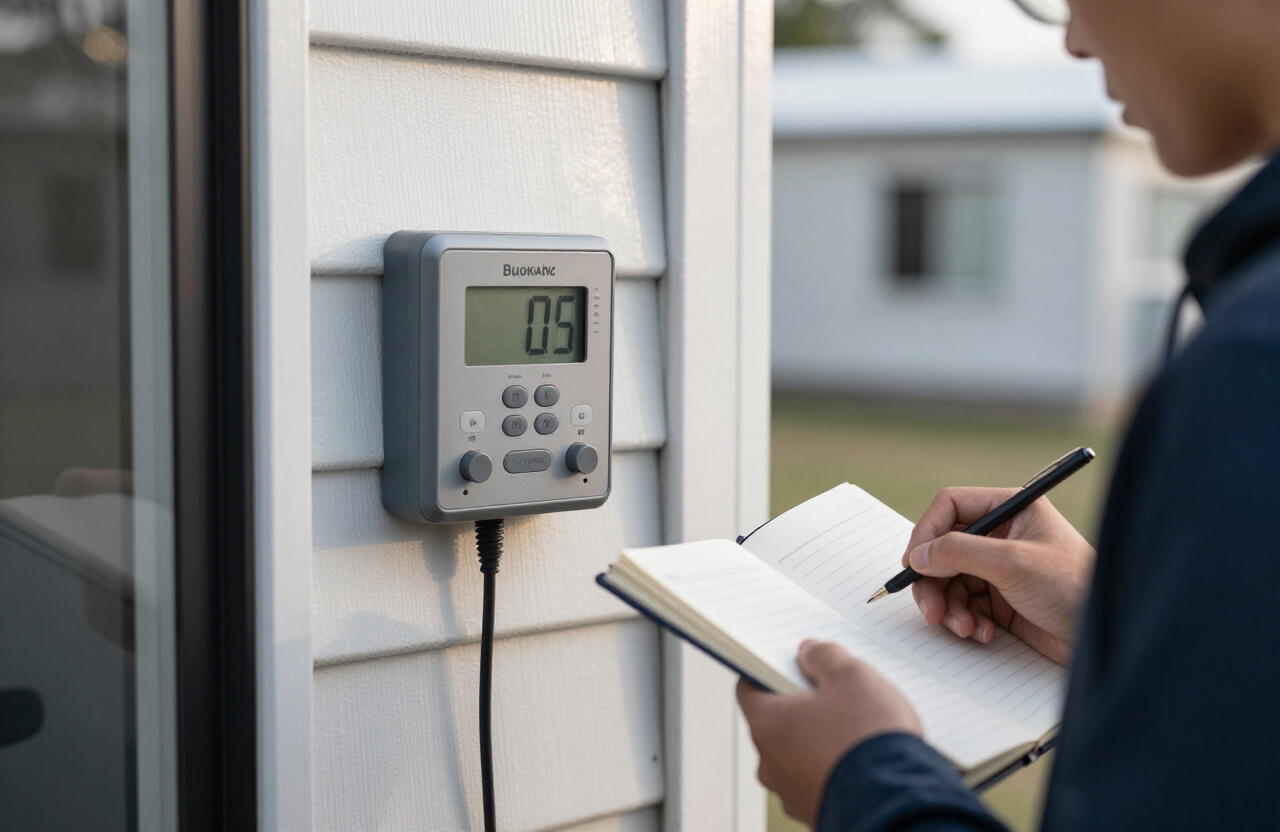
Monitoring and managing utility costs

Utility setup comparison
| Utility | Grid-tied option | Off-grid option | Typical monthly cost |
|---|---|---|---|
| Electricity | 30/50A shore power or sub-panel | Solar + battery bank | $20–$60 (grid) / $0 (solar) |
| Water | Municipal or well connection | Rainwater or hauled water | $10–$30 (grid) / $0–$40 (off-grid) |
| Cooking fuel | Natural gas or electric | Propane or induction | $15–$40 (propane) |
| Heating fuel | Electric mini-split or gas furnace | Propane furnace or wood stove | $20–$80 (winter) |
| Waste | Sewer or septic | Composting toilet + greywater | $0–$30 (dump fees) |
Safety and permits for utility hookups
Related articles
More guides that dig deeper into the same topics.
Frequently asked questions
How much electricity does a tiny home use per month?+
A grid-tied tiny home typically uses 200 to 600 kWh per month, depending on climate and appliances, compared to 900-plus for an average house. Heating and cooling dominate the bill. Expect $20 to $60 per month on grid, or zero with a properly sized solar system after the up-front cost.
Can a tiny home connect to city water and sewer?+
Yes, if it sits on land with municipal service. You connect to the water main through a hose or pipe with a pressure regulator and filter, and to the sewer through a standard RV sewer hose or a permanent PVC connection. Some cities require a permit and backflow prevention; check with the local utility before hooking up.
Is propane safe to use inside a tiny home?+
Propane is safe when installed correctly. Tanks must sit in a ventilated exterior compartment, lines must be copper or stainless steel with a regulator, and the system must be pressure-tested. Install a propane leak detector and a carbon monoxide detector inside, and have a licensed technician do the initial hookup.
How big a solar system does an off-grid tiny home need?+
Most off-grid tiny homes run on a 1,000 to 3,000 watt solar array with a 5 to 15 kWh lithium battery bank. Size the inverter 20 percent above your largest simultaneous load. In cloudy climates, add a backup generator. See our solar power guide for a detailed sizing walkthrough.
What is the cheapest way to get water to a tiny home?+
A municipal or well connection is cheapest where available, often under $20 per month. Rainwater catchment is free after the equipment cost but depends on rainfall and local law. Hauled water is the most expensive ongoing option, running $30 to $80 per fill for a 500-gallon tank.
Do I need permits for tiny home utility hookups?+
On private land, most jurisdictions require electrical, plumbing, and mechanical permits for permanent utility connections, even for a tiny home on wheels. Permits protect you in an insurance claim and a resale. In an RV park or tiny home community, the park typically handles the main permits and you simply plug in.
Can I go all-electric in a tiny home off-grid?+
Yes, but it demands a larger solar array, battery bank, and inverter to handle an induction cooktop, heat-pump water heater, and mini-split. All-electric is simpler and safer with no combustion, but the up-front power system cost is higher. Many off-grid owners use a propane backup for heating to ease the electrical load.
Ready to start searching?
Browse tiny homes, plans, builders, communities and land on the interactive map.
Explore the map