Off-Grid
Off-Grid Tiny Living: Systems Explained
9 min read · Updated January 2, 2026
By John
Solar, water, waste and heat — the four systems that make an off-grid tiny home work, and what each one costs.
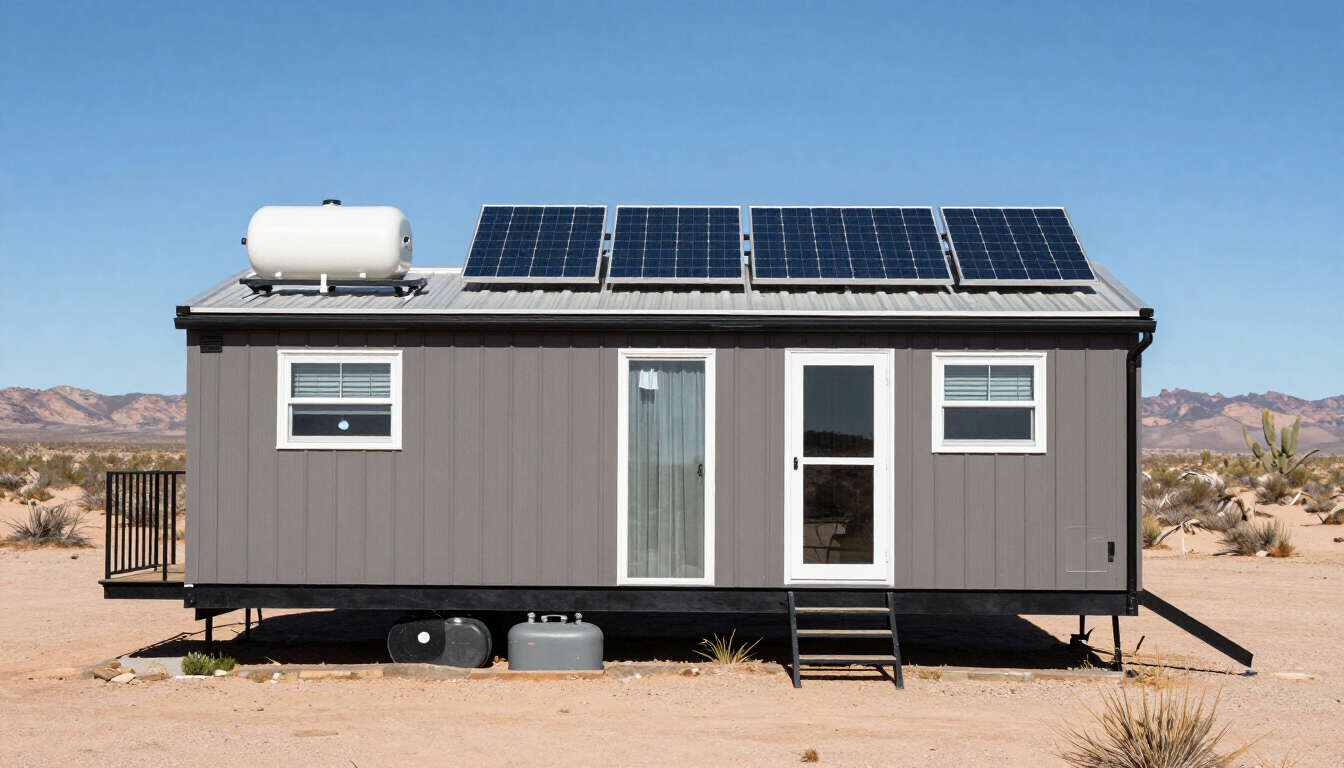
Power: solar is the default
A typical off-grid tiny home runs on 2–4 kW of solar panels with 5–10 kWh of battery storage — enough for lights, refrigeration, laptops and a mini-split in moderate climates. Expect $8,000–$18,000 for a professionally installed system. Propane covers cooking and often water heating to reduce electrical load. Our
Water: catch it or pump it
Rainwater harvesting from a metal roof into food-grade tanks is the most common approach, with filtration and UV treatment for drinking. Where wells exist, a small pump on solar works well. Plan for 40–80 liters per person per day, and size tanks for your driest month, not your average one.
Waste: the composting question
Composting toilets are the standard off-grid solution and modern units are odor-free when maintained. Greywater from sinks and showers can often be filtered and reused for irrigation via a greywater system, subject to local rules. Blackwater is the one stream that genuinely requires either composting or a septic connection.
Heat and cooling
Small wood stoves are beloved but require clearances, insurance approval and dry storage for fuel. Propane heaters and mini-splits are the practical alternatives — see
Is off-grid right for you?
Off-grid living trades monthly bills for system maintenance. If you enjoy understanding how your home works and can troubleshoot a charge controller, it is deeply satisfying. If you want zero maintenance, look for tiny-home communities with full hookups instead — the off-grid listings on TinyHomeMap mark both.
Related articles
More guides that dig deeper into the same topics.
Ready to start searching?
Browse tiny homes, plans, builders, communities and land on the interactive map.
Explore the map