Off-Grid
Greywater Systems for Tiny Homes: Reuse Your Water
6 min read · Updated December 29, 2025
By John
Sink and shower water can safely irrigate plants — here is how to design a code-compliant greywater system for a tiny home.
What greywater is (and isn't)
Greywater is the relatively clean wastewater from sinks, showers and washing machines — everything except toilet water (blackwater). A tiny home occupant produces 20–40 gallons of greywater a day. Instead of sending it to a septic tank, a greywater system directs it to mulch basins or plant beds, where soil and roots filter it. This stretches your water supply and feeds a garden at once. It pairs naturally with rainwater harvesting.
The simplest system: laundry-to-landscape
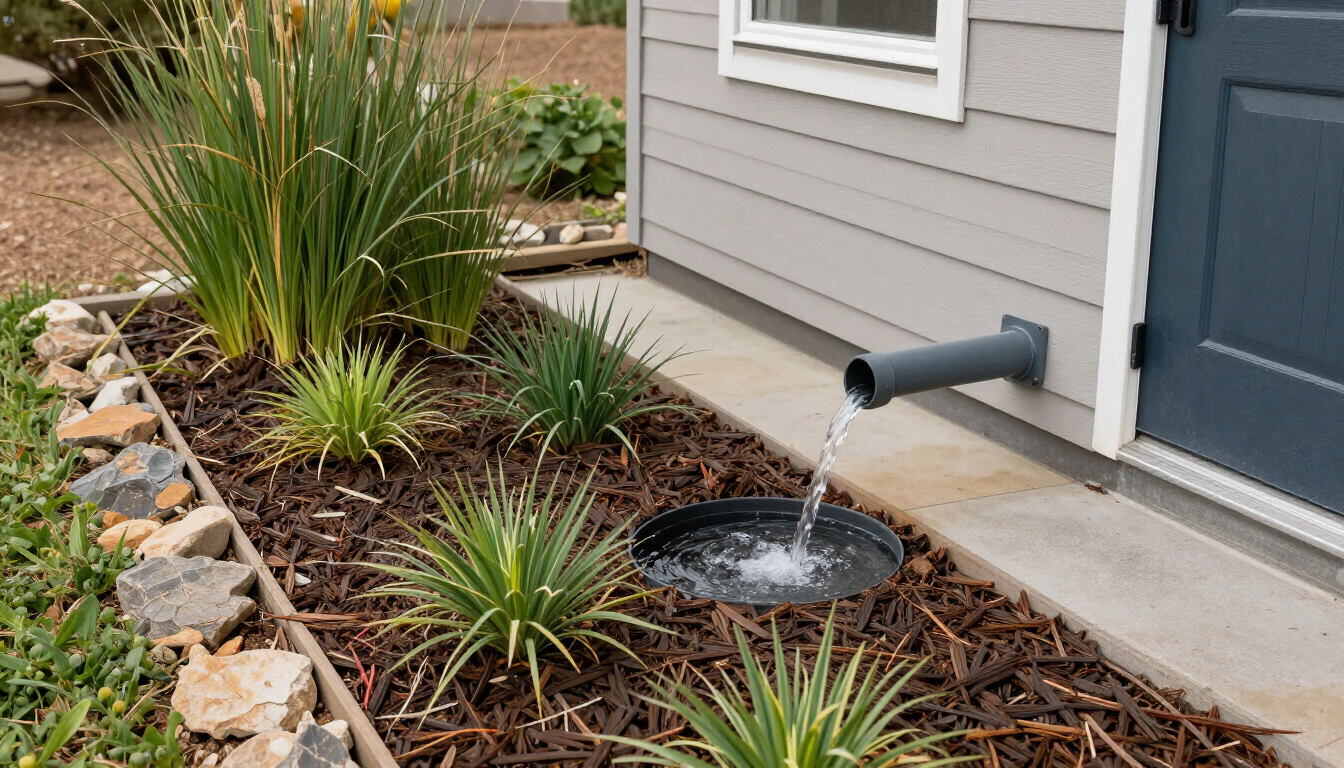
The easiest greywater system routes washing machine discharge directly to mulch basins around trees and shrubs, with no pump and no filtration beyond a lint trap. It is cheap ($100–$300 in parts), low-maintenance, and legal in many states without a permit. For a tiny home, a sink-and-shower-to-mulch-basin version works the same way: pipe the drain out to a shallow basin filled with wood chips and planted with non-food plants.
Codes and what to avoid
Greywater rules vary widely — some states allow simple systems by right, others require a permit. Never store greywater (it goes septic in 24 hours), never use it on root vegetables, and never let it pool on the surface. Use plant-friendly, salt-free, biodegradable soaps. Check your local rules the same way you would for
Pairing with composting toilets
A composting toilet plus a greywater system lets a tiny home operate with zero septic — the holy grail for off-grid land. Together they cut your water needs dramatically and remove the single most expensive off-grid infrastructure item. Browse off-grid listings to see homes already running this combination.
Related articles
More guides that dig deeper into the same topics.
Ready to start searching?
Browse tiny homes, plans, builders, communities and land on the interactive map.
Explore the map