Tiny Home Insurance Claims: Coverage and Protection
12 min read · Updated March 14, 2026
By John
A tiny home is a major investment in a small footprint, and the right insurance is what stands between a minor mishap and a total loss. Here is a practical guide to tiny home insurance coverage, claims, and protection.

Why tiny home insurance is different
The three main types of tiny home coverage

What a good policy actually covers
Common exclusions to watch for
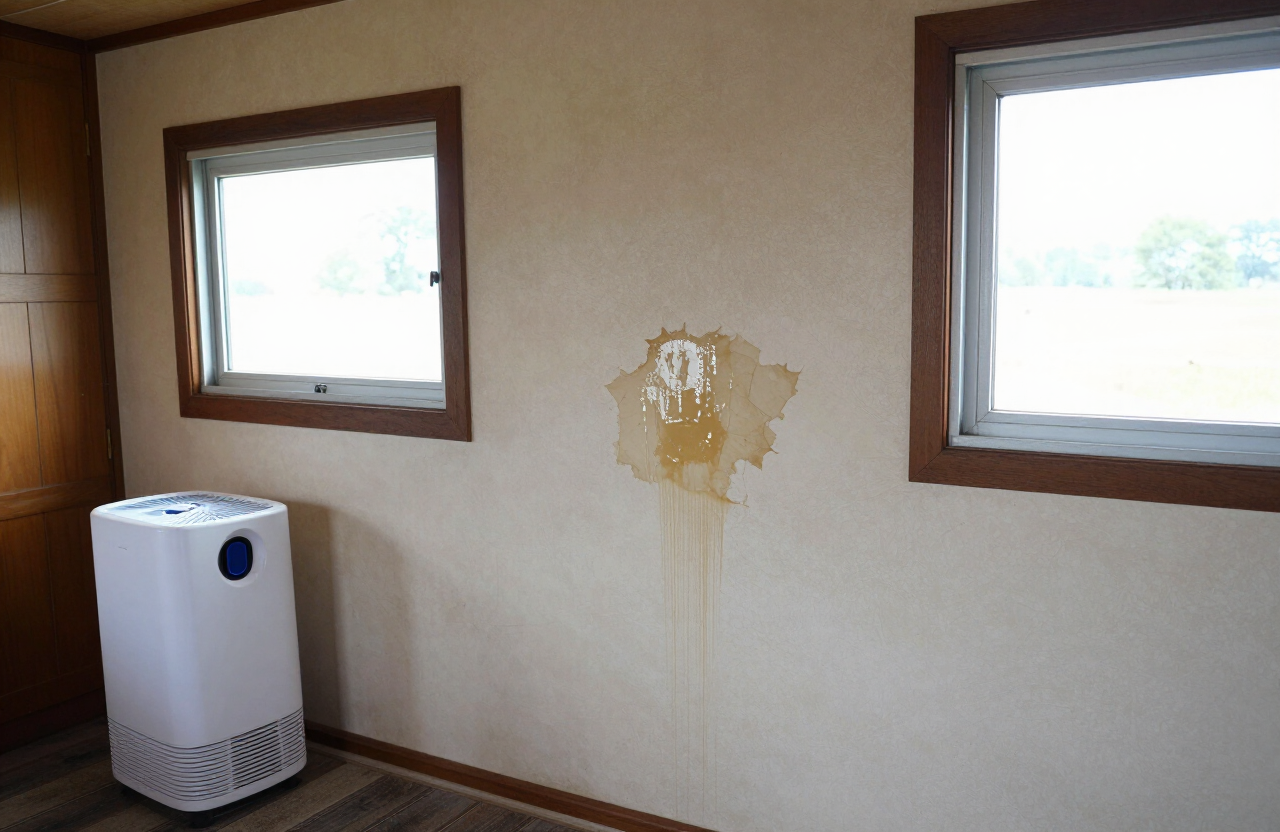
Documenting your home before a loss
How to file a tiny home insurance claim
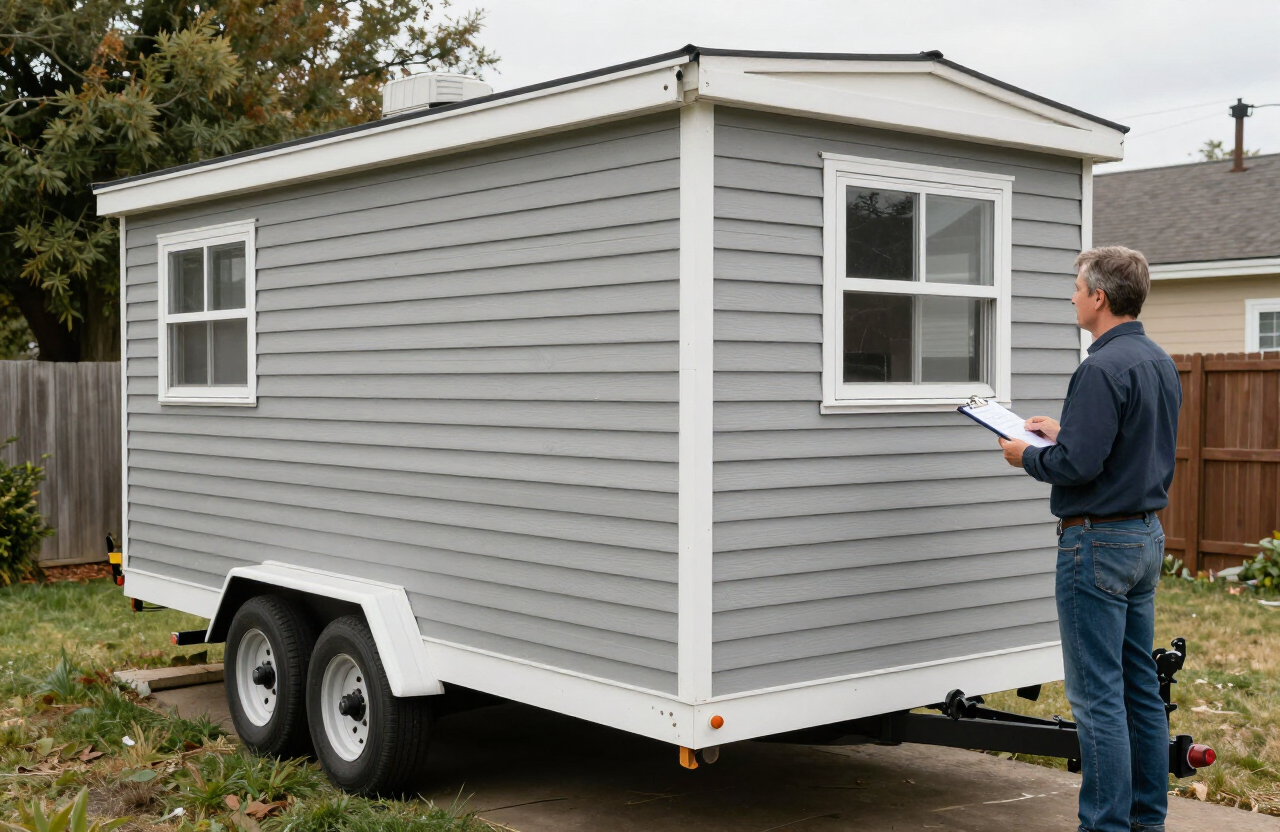
Working with the insurance adjuster
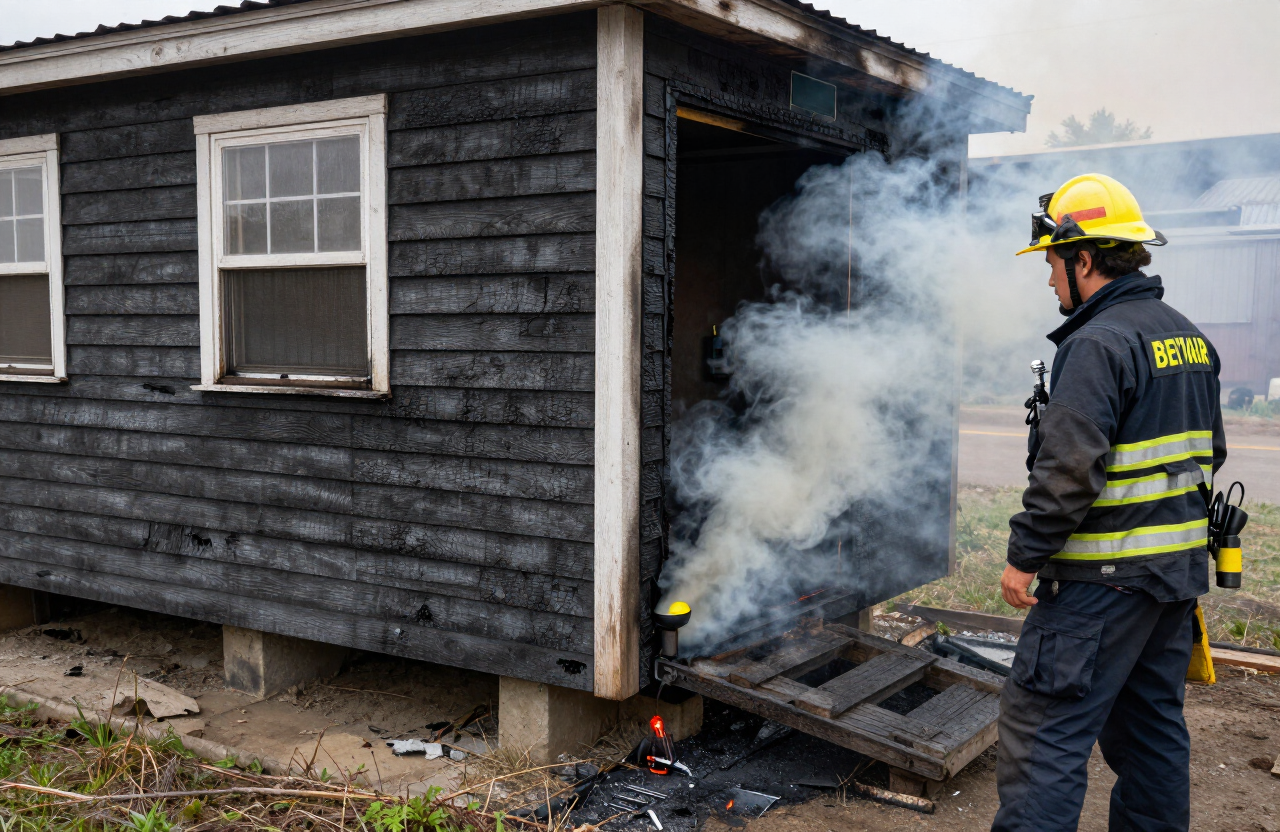
Real claim scenarios and how they play out
Coverage comparison at a glance
| Coverage type | Best for | Typical cost | Key limitation |
|---|---|---|---|
| RV-style policy | Certified THOW, part-time use | $30–$80/month | Excludes full-time residence |
| Specialty tiny home policy | Primary residence in a THOW | $80–$150/month | Fewer insurers offer it |
| Homeowner's / dwelling | Foundation tiny home or ADU | $50–$120/month | Home must be permitted |
| Transit endorsement | Any move over the road | One-time $50–$300 | Single trip, declared route |

Keeping your coverage up to date

Related articles
More guides that dig deeper into the same topics.
Frequently asked questions
Does tiny home insurance cover damage while towing?+
Most standard policies exclude or strictly limit damage that occurs while the home is being towed. You typically need a separate transit endorsement, purchased for a specific declared trip and route, to cover towing damage. Always confirm coverage before a move, and see our moving guide for the full checklist.
How much does tiny home insurance cost per month?+
An RV-style policy for a certified tiny house on wheels typically runs $30 to $80 per month. A specialty full-time residence policy runs $80 to $150 per month. A foundation tiny home on a homeowner's or dwelling policy runs $50 to $120 per month. Costs vary with location, value, and coverage limits.
What is the difference between replacement cost and actual cash value?+
Replacement cost pays what it takes to buy a new equivalent item or rebuild the home today, with no deduction for depreciation. Actual cash value deducts for depreciation, so a five-year-old stove pays out far less than a new one. Always choose replacement cost for both structure and contents when you can.
Will my claim be denied if I live in my tiny home full-time on an RV policy?+
It can be. Many RV-style policies exclude full-time residence, and an insurer can deny a claim if they discover you live in the home year-round. If you live in your tiny home full-time, buy a specialty tiny home policy or a dwelling policy that explicitly covers primary residence.
How do I document my tiny home for an insurance claim?+
Record a narrated video walkthrough of every room, photograph the exterior, roof, trailer VIN, and certification plaques, save receipts for major purchases, and keep a written inventory of belongings with values. Store everything in cloud storage so it survives the event that damages the home.
Does tiny home insurance cover mold and gradual water damage?+
Almost never. Gradual water damage, mold, and rot from a slow leak are standard exclusions across tiny home and homeowner policies. Sudden and accidental water damage, like a burst pipe, is usually covered. Fix leaks immediately and document them the moment you find them.
What liability coverage should a tiny home policy include?+
Carry at least $100,000 in liability coverage, and ideally $300,000, in case a guest is injured on your property or you cause damage to a neighbor's property. If your tiny home is a rental, ask about a landlord or business liability endorsement, since standard personal liability may not cover paying guests.
Ready to start searching?
Browse tiny homes, plans, builders, communities and land on the interactive map.
Explore the map