Legal & Financial

Tiny Home Insurance: Coverage and Protection

11 min read · Updated March 4, 2026

By John

Insuring a tiny home is harder than insuring a house or a car, but it is not impossible. Here is how tiny home insurance works, what the policies cover, and how to find real protection.

Insurance documents and a pen on a wooden desk beside a laptop showing a tiny home photo

Why tiny home insurance is its own problem

A tiny home falls between the cracks of standard insurance. It is too house-like to insure as an RV and too mobile and non-standard to insure as a conventional house, so a regular homeowners or auto policy will usually not cover it. Insurers care about certification, mobility, and where the home sits, because those drive the risk. The good news is that a small but growing market of specialty tiny home insurers has emerged, and the right policy is findable if you prepare. The key to tiny home insurance is matching the policy type to how your home is built and used.

Three policy types and when each applies

There are three realistic policy paths. An RV policy covers a tiny home certified as an RV (RVIA or similar) and used recreationally — it is the cheapest but limits full-time living and may cap occupancy days. A specialty tiny home policy, from insurers that understand the category, covers full-time living in a certified tiny house on wheels and is the best fit for most owners. A homeowners or dwelling fire policy applies to a tiny home on a permanent foundation classified as real estate, often as an accessory dwelling. The right path depends on certification, mobility, and whether you live in it full time.
Three insurance policy documents labeled RV, specialty and homeowners laid out side by side on a wooden desk

What a good policy covers

A solid tiny home policy should cover the structure against fire, wind, theft, vandalism, and certain water damage, up to the home's replacement cost. It should include personal property coverage for your belongings inside, and liability coverage in case someone is injured on your property or your home damages someone else's. If you tow the home, look for coverage during transit, since that is a high-risk moment that some policies exclude. For off-grid homes, confirm coverage for solar panels, batteries, and other systems, which some insurers treat as separate scheduled items. Read the exclusions carefully — what is not covered matters as much as what is.
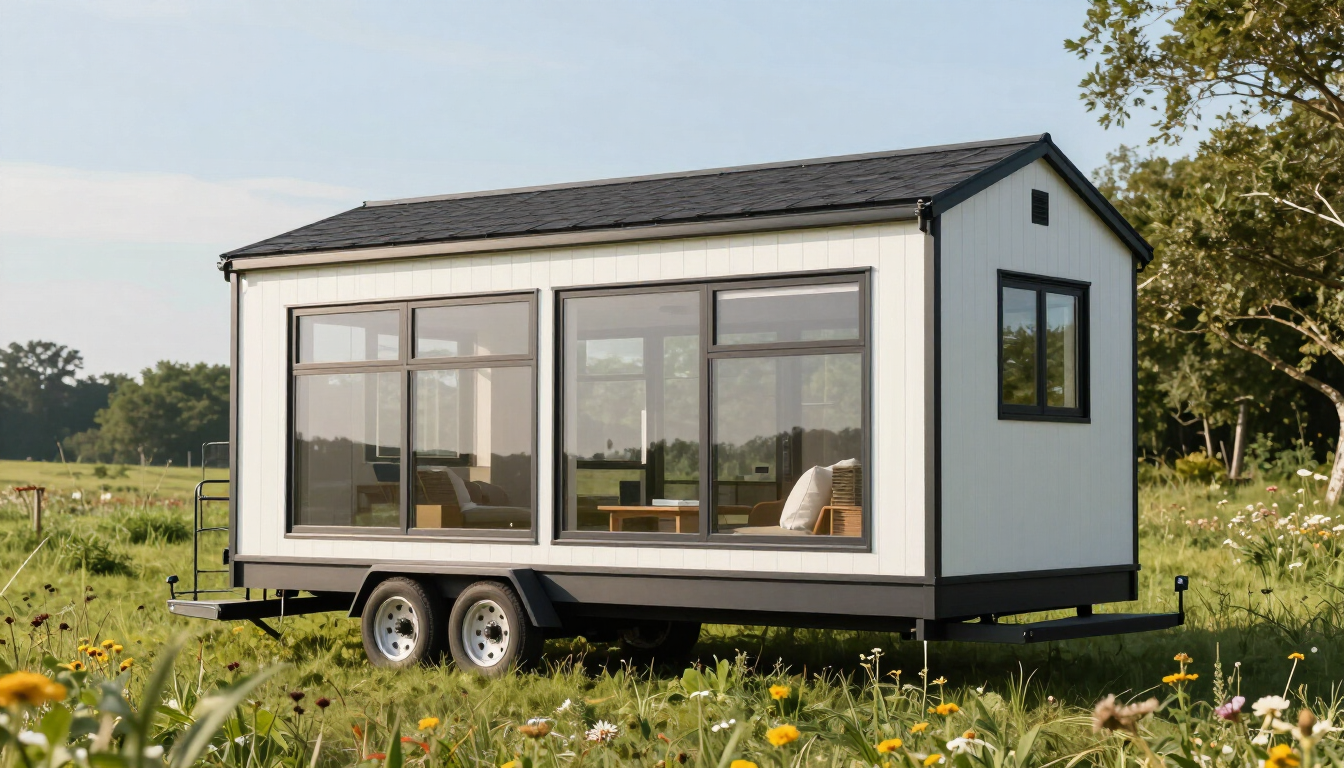
Modern tiny home on wheels with a gable roof and large windows parked in a green meadow

What is usually excluded

Common exclusions catch tiny home owners off guard. Flood and earth movement (earthquake, landslide) typically require separate policies. Wear and tear, gradual damage, and defects in workmanship are not covered — they are maintenance issues. Damage from towing accidents may be excluded unless you specifically add transit coverage, in which case your auto policy might apply to the tow vehicle but not the home. Unpermitted or uncertified builds may be denied coverage entirely, since insurers require the home to meet a recognized standard. Read the policy's exclusions and conditions section in full, and ask the insurer direct questions about anything unclear before you buy.
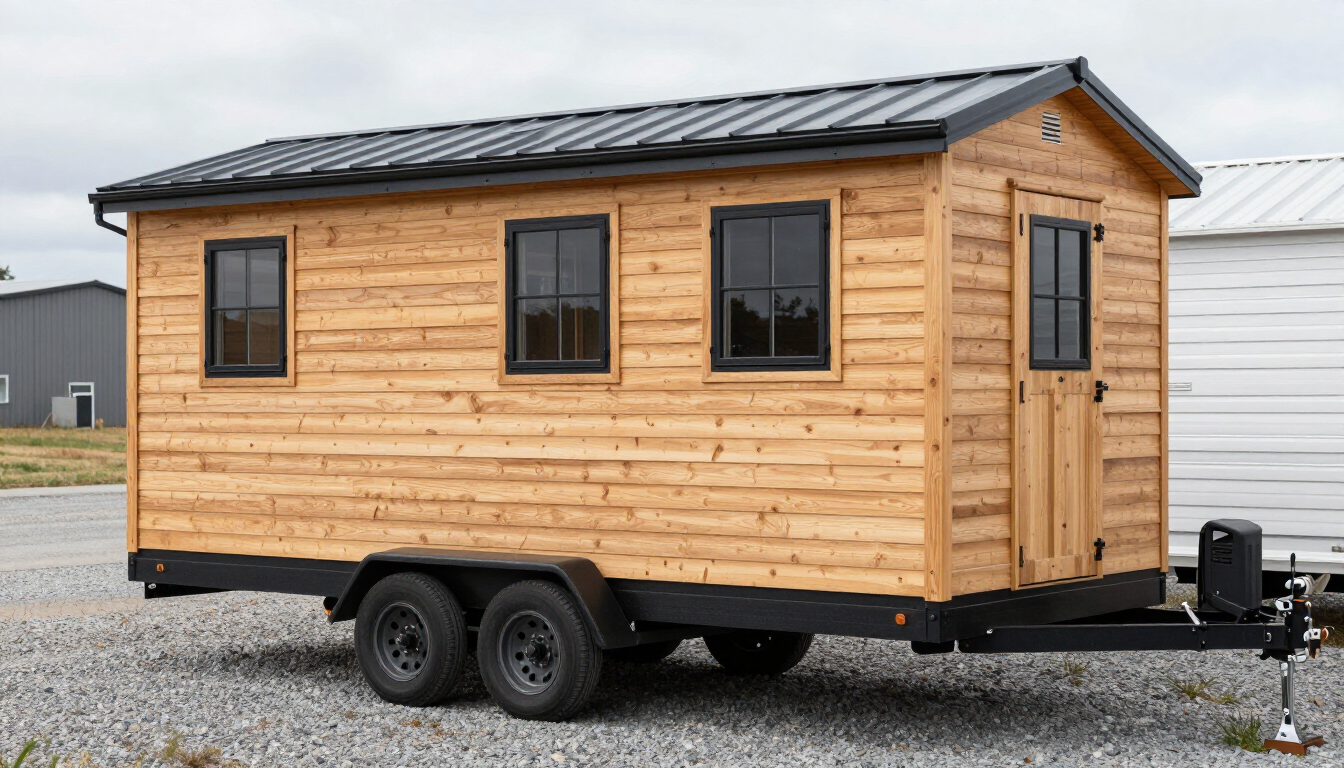
Tiny home on wheels with trailer hitch, cedar siding and metal roof parked on a gravel pad

How certification and documentation unlock coverage
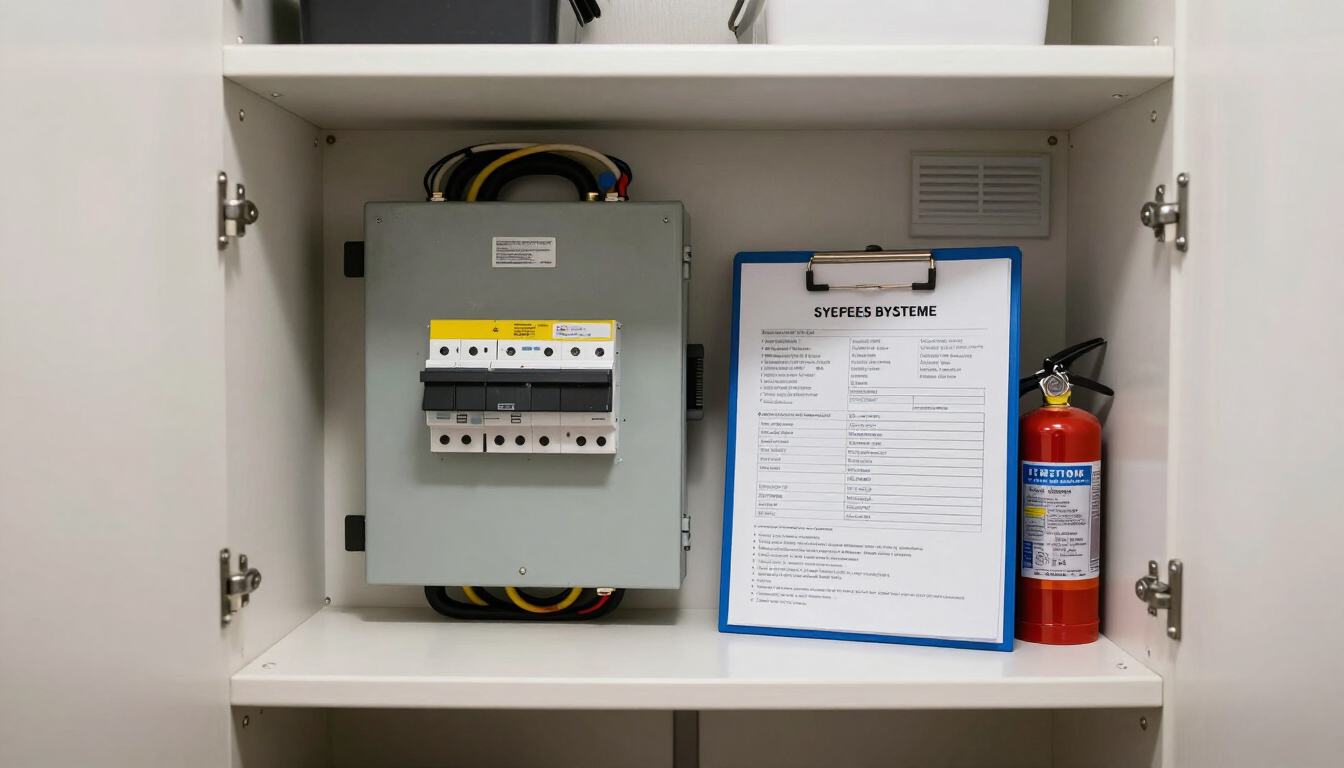
Insurance is much easier and cheaper with a certified, well-documented home. An RVIA, NOAH, or Pacific West Associates certification tells the insurer the home meets a recognized build standard, which many require before issuing a policy. Keep a binder with your build photos, certifications, receipts, the trailer VIN, appliance manuals, and a home inventory with photos and serial numbers — this documentation speeds up underwriting and is essential if you ever file a claim. An uncertified amateur build can be insured, but the market is smaller, the premiums are higher, and some insurers will decline outright. Buy from a certified builder if insurance is a priority.
Tiny home utility closet with a breaker panel and documented systems

Insurance for park models and cabins

The structure type changes the insurance path. A park model, titled as an RV, usually insures under an RV policy, often with full-timer coverage if you live in it year-round. A cabin on a permanent foundation insures as real estate under a dwelling fire or homeowners policy, often through a standard carrier, since it is a permanent building meeting local code. A tiny home on skids that is not on a trailer and not on a permanent foundation can fall into a gray area — a specialty policy is usually the answer. Match the policy to the legal class of the structure, and confirm with the insurer before you commit to a build type. See our
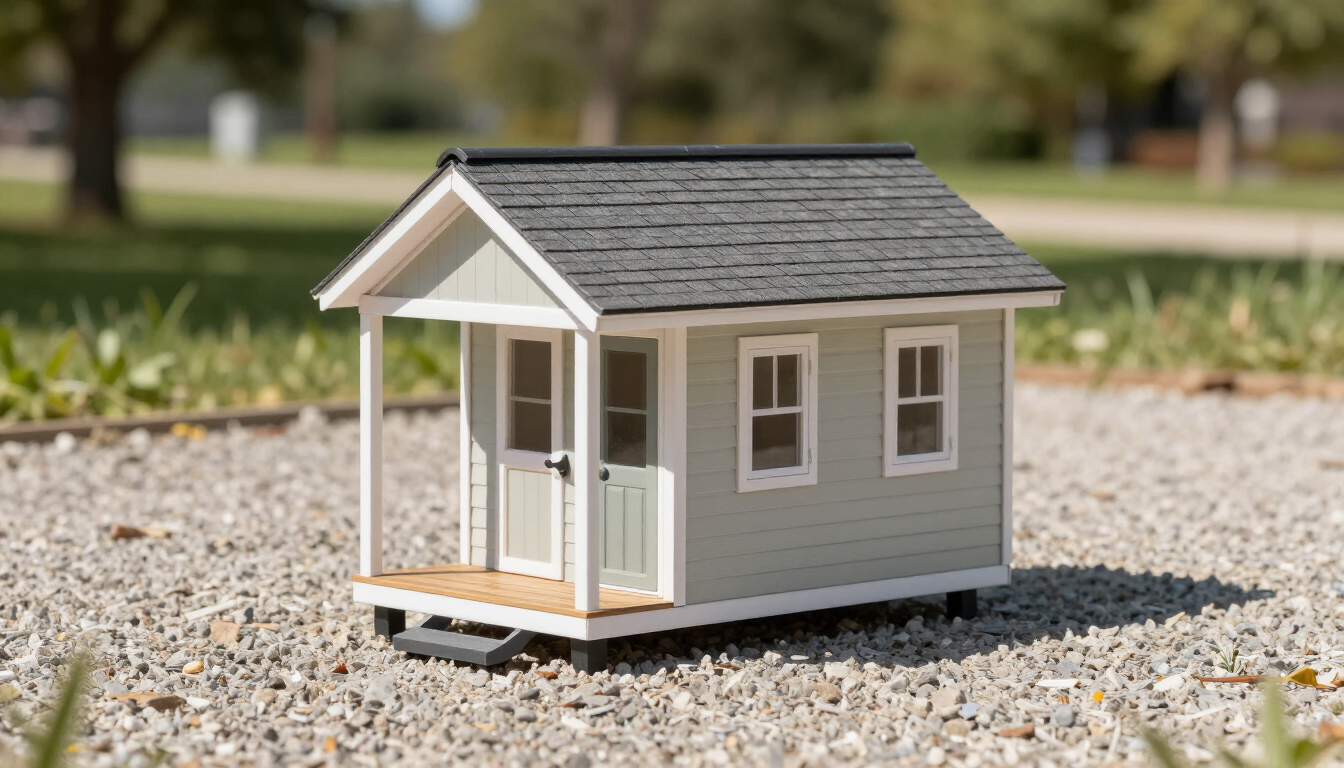
Park model tiny home with a pitched roof, porch and skirting on a rural lot

Policy types at a glance

Policy typeBest forWatch out for
RV policyCertified RV, recreational useFull-time living limits
Specialty tiny homeFull-time tiny house on wheelsFewer insurers, shop around
Homeowners / dwelling fireCabin or foundation tiny homeMust be real estate / code-compliant
Transit / towing endorsementMobile homes that moveOften excluded by default
Scheduled systemsSolar, batteries, off-grid gearMay need separate listing
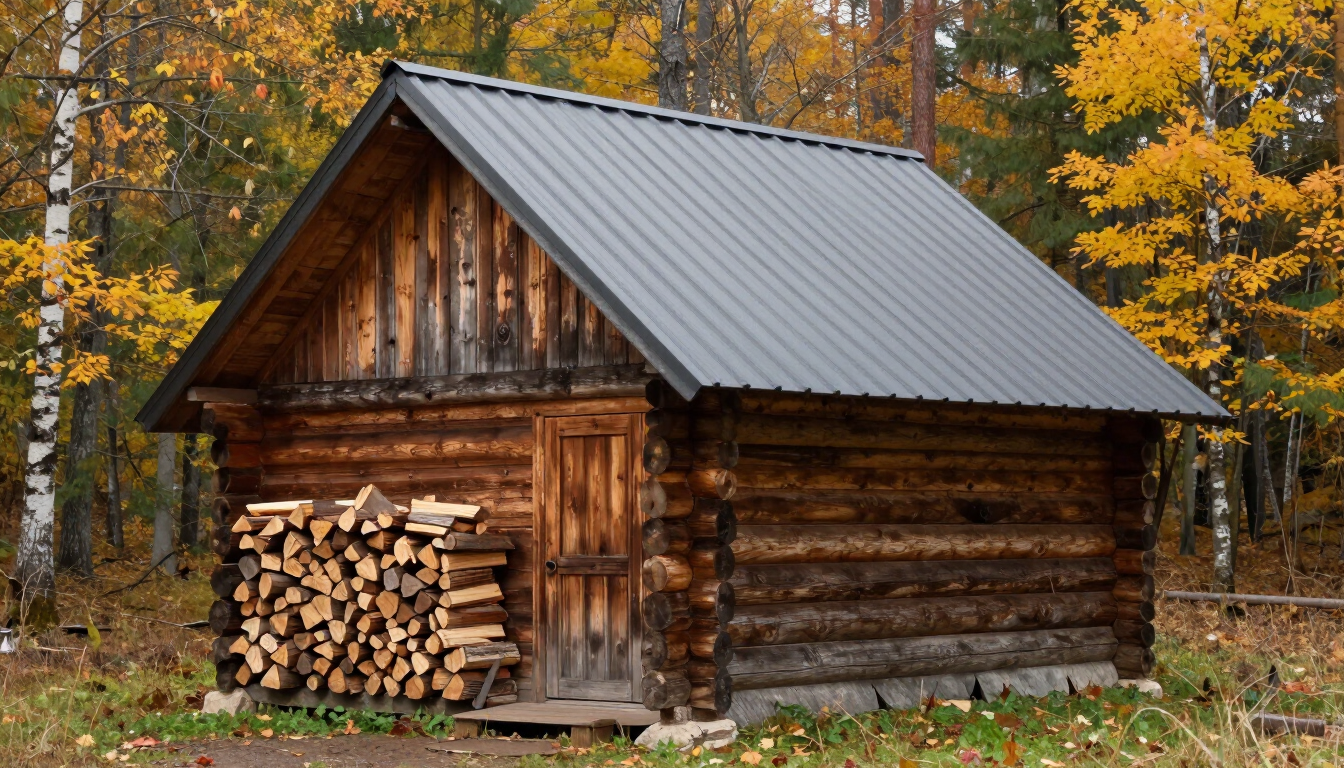
Rustic wooden cabin in a forest clearing with a metal roof in autumn daylight

Putting it all together

Tiny home insurance is findable, but it takes preparation. Match the policy type to how your home is built and used — RV for a certified recreational tiny house, specialty for full-time living on wheels, homeowners for a cabin or foundation home. Buy from a certified builder and keep a complete documentation binder, because certification and records unlock coverage and speed up claims. Confirm coverage for transit, off-grid systems, and liability, and read the exclusions carefully so you know what is not covered. Get quotes from several specialty insurers before you commit. Ready to shop for an insurable home? Browse tiny homes for sale, compare certified builders, or explore park models.

Related articles

More guides that dig deeper into the same topics.

Frequently asked questions

Can I insure a tiny home with regular homeowners insurance?+

Usually not. A tiny home on wheels falls between standard homeowners and RV policies, so most conventional carriers will not cover it. You typically need a specialty tiny home policy, an RV policy if it is certified, or a dwelling fire policy if it is on a permanent foundation as real estate.

Does tiny home insurance cover towing and transit?+

Not always by default. Damage while towing is a high-risk moment that many policies exclude unless you add a transit endorsement, and your auto policy may cover the tow vehicle but not the home. Confirm transit coverage explicitly before you move the home.

Do I need certification to insure a tiny home?+

It is strongly recommended. RVIA, NOAH, or Pacific West Associates certification tells the insurer the home meets a recognized standard, which many require before issuing a policy. An uncertified amateur build can sometimes be insured, but the market is smaller and premiums are higher.

What does tiny home insurance typically cost?+

Costs vary widely by value, location, use, and certification, but a specialty policy for a full-time tiny house on wheels often runs in the range of $500–$1,500 per year, similar to RV or dwelling coverage for comparable value. Get quotes from several specialty insurers to compare.

Are off-grid solar and battery systems covered?+

Often yes, but you may need to schedule them separately as high-value items, and some insurers treat solar panels and lithium battery banks differently. Confirm with the insurer before you buy, and keep receipts and photos of the systems for claims.

How do I insure a park model or a cabin?+

A park model, titled as an RV, usually insures under an RV policy, with full-timer coverage if you live in it year-round. A cabin on a permanent foundation insures as real estate under a dwelling fire or homeowners policy through a standard carrier, since it is a code-compliant permanent building.

Ready to start searching?

Browse tiny homes, plans, builders, communities and land on the interactive map.

Explore the map
>