Types & Alternatives

Park Models and Cabins: Alternative Tiny Living

12 min read · Updated March 4, 2026

By John

A tiny house on wheels is not the only path to small-footprint living. Park models and cabins each solve a different problem. Here is how they compare and which one fits your goals.
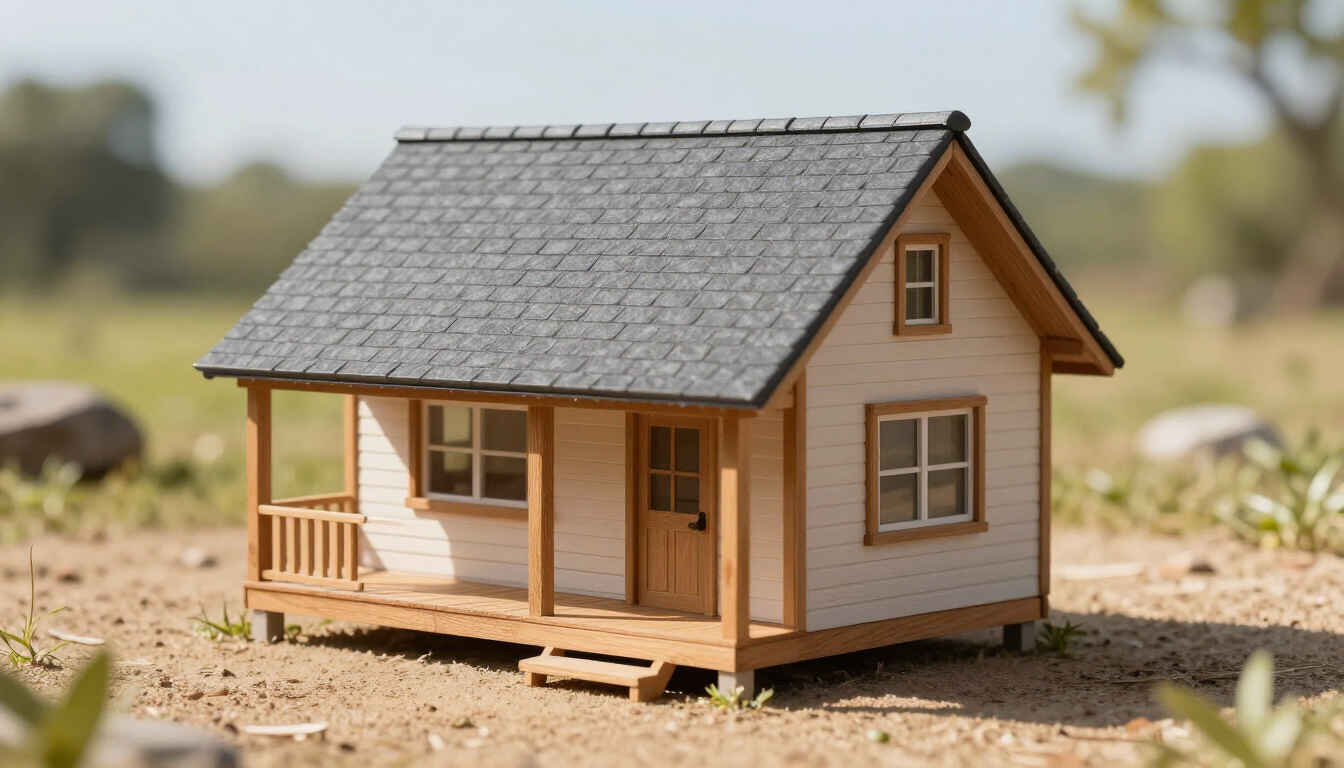
Park model tiny home with a pitched roof, porch and skirting on a rural lot in sunny daylight

Three paths to small-footprint living

When people say 'tiny home,' they usually picture a tiny house on wheels — a road-legal trailer with a house on top. But there are two popular alternatives that solve different problems. A park model is a larger RV-class structure built to ANSI RV standards, designed to sit semi-permanently in an RV park rather than travel constantly. A cabin is a small permanent or semi-permanent structure, often on a foundation or skids, built to residential or cabin codes. Each has a different legal status, size range, mobility, and cost. Understanding the differences is the key to choosing the right

What is a park model

A park model is a recreational vehicle built to ANSI A119.5 standards, capped at 400 sq ft of interior space (set by federal RV law), and titled as an RV rather than real estate. It is wider than a tiny house on wheels — typically up to 12 feet wide, sometimes with tip-outs — so it delivers more living space but requires a special permit and a professional mover to relocate, rather than a standard pickup. Park models are designed to be parked long-term in an RV park or on private land where RVs are allowed, with full utility hookups. They offer residential finishes — real kitchens, full bathrooms, lofts — at a lower cost per square foot than a custom tiny house. Browse
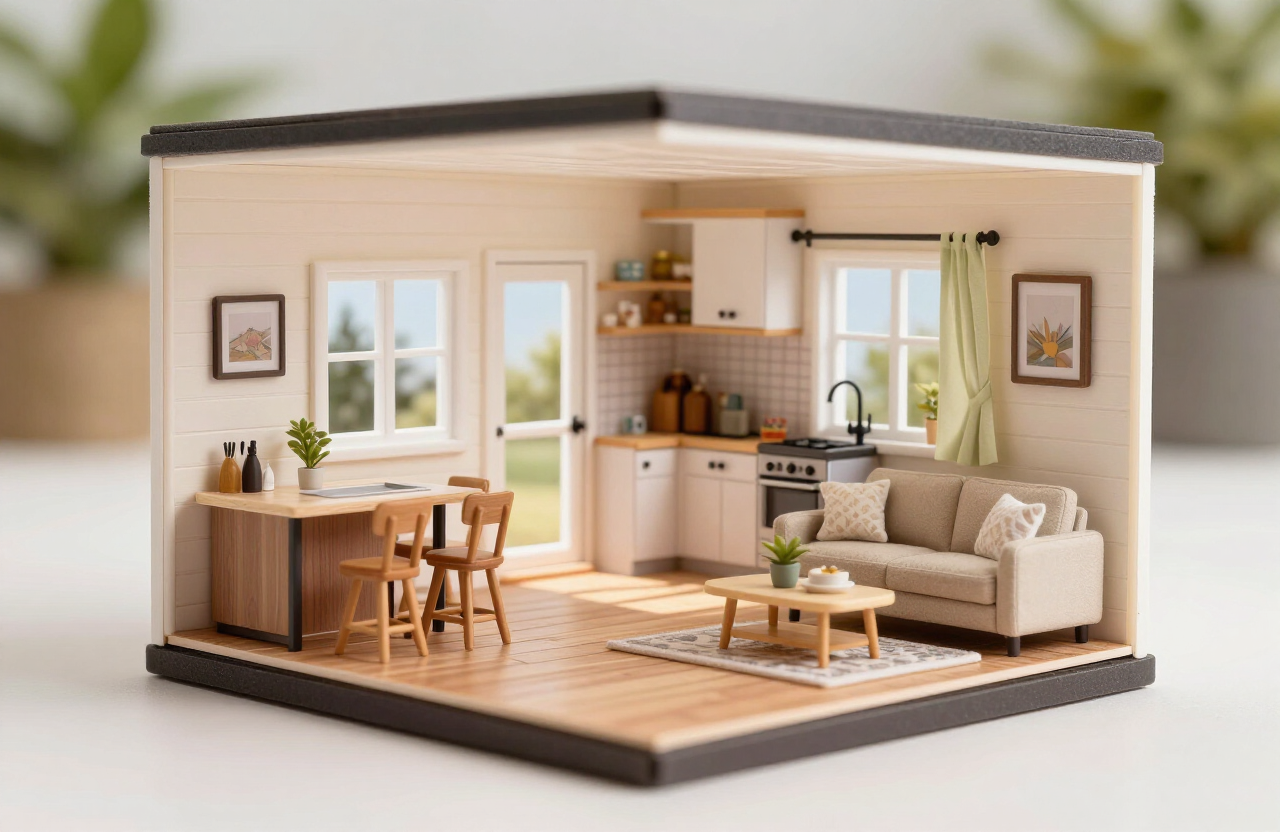
Interior of a park model tiny home showing a wider open living space with residential finishes and full kitchen

What is a tiny cabin

A tiny cabin is a small structure — often 200–600 sq ft — built from wood in a rustic or modern style, usually on a foundation, skids, or piers rather than a trailer. Because it is not on wheels, it is typically treated as a permanent or semi-permanent building subject to local building codes and zoning, not RV rules. Cabins shine on owned rural land where you want a permanent small home, a guest house, or an accessory dwelling. They can be built larger than a road-legal tiny house (no 8.5-foot width limit), with full residential plumbing and electrical, and they feel more like a 'real house' than an RV. The trade-off is immobility and full code compliance. See our
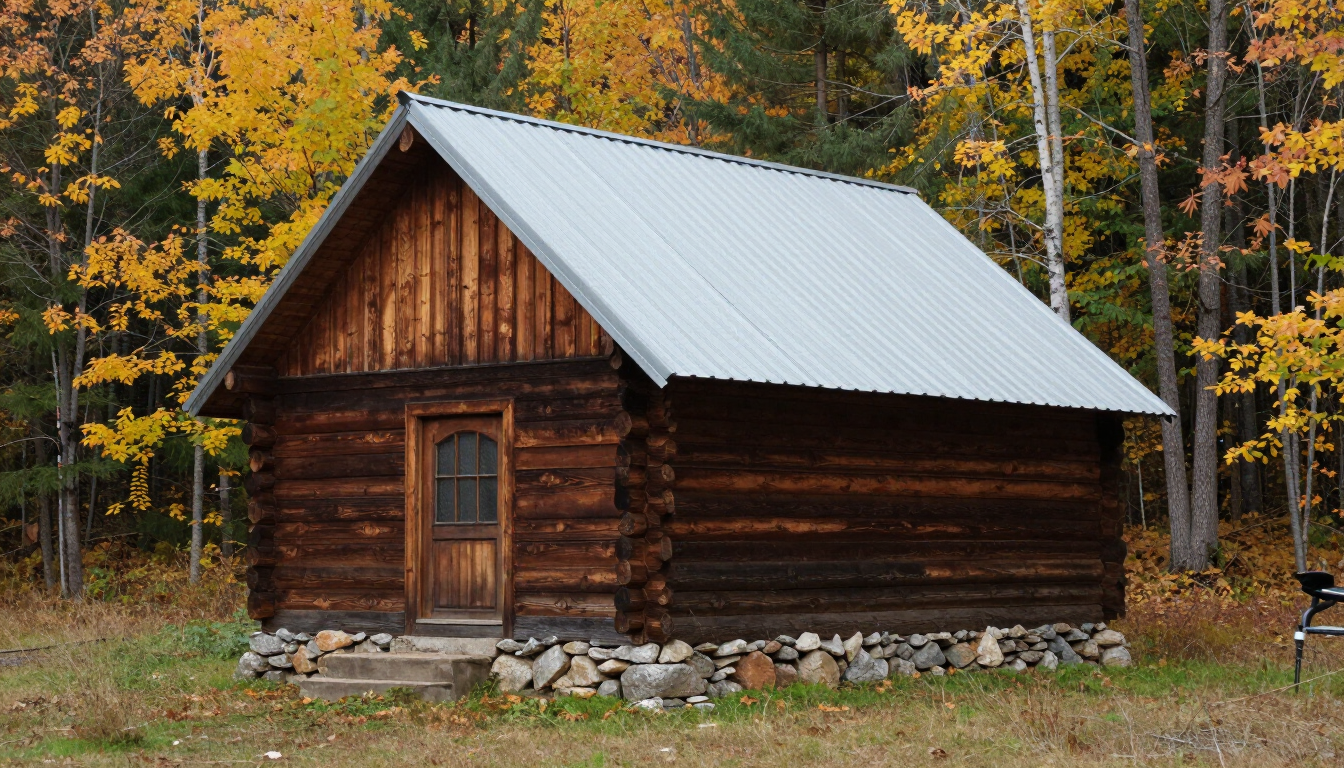
Rustic wooden cabin in a forest clearing with a stone foundation and metal roof in autumn

Size, mobility, and cost

A tiny house on wheels is the most mobile but the smallest, constrained to 8.5 feet wide and 13.5 feet tall for road-legal towing, typically 100–400 sq ft. A park model is wider and roomier — up to 12 feet wide and 400 sq ft — but needs a permit and professional hauler to move, so it is semi-permanent. A cabin can be any size the lot and code allow, with no width limit, but is essentially permanent. On cost, park models often deliver the lowest cost per square foot because they are factory-built to a standard; custom tiny houses are the most expensive per square foot due to bespoke construction; cabins fall in between, with site work adding cost. Browse home plans to compare layouts.
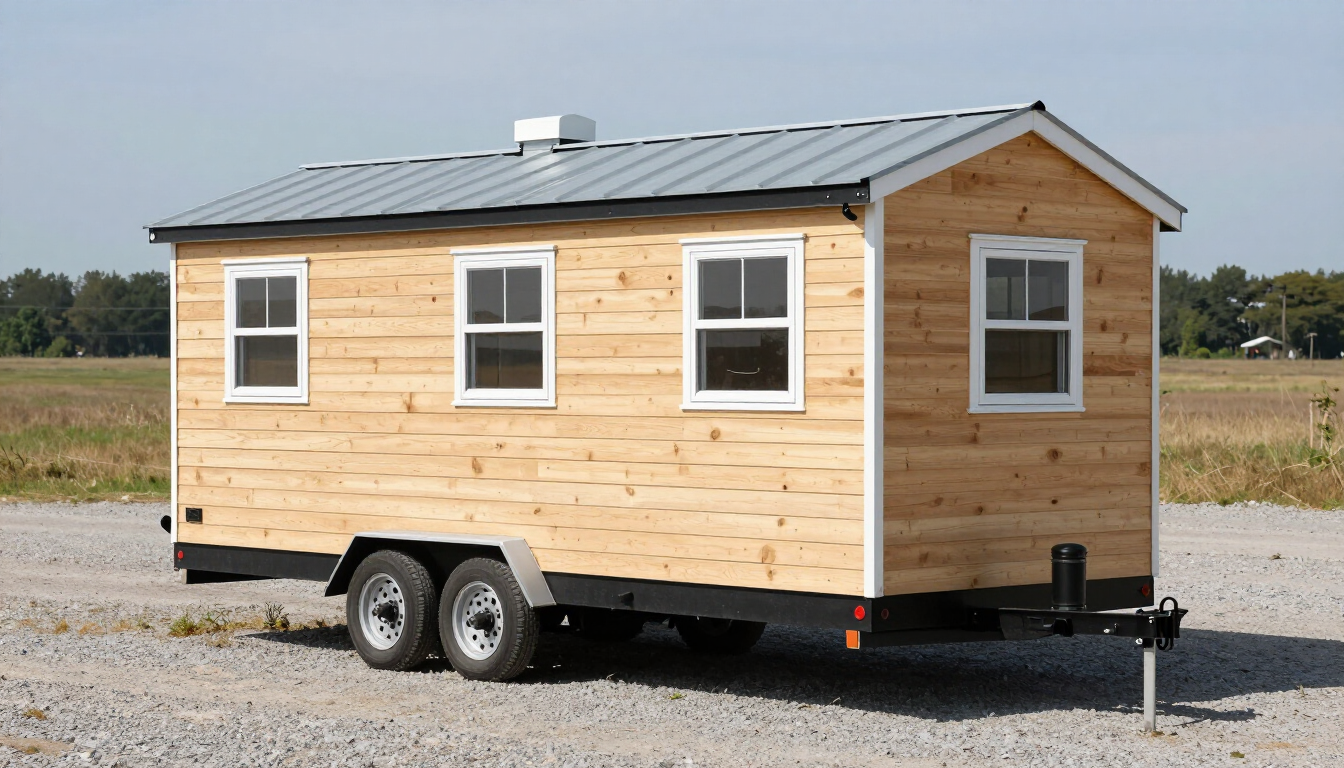
Tiny home on wheels with trailer hitch, cedar siding and metal roof parked on a gravel pad

Which fits your goals

Match the structure to your priorities. Choose a tiny house on wheels if mobility is essential — you want to travel, move for work, or keep your options open. Choose a park model if you plan to settle in an RV park or on private land where RVs are allowed, and you want more space and residential comfort at a lower cost than a custom tiny house. Choose a cabin if you own or plan to buy rural land, want a permanent small home or accessory dwelling, and are willing to work through local building codes. Each is a legitimate form of small-footprint living; the right choice depends on where you want to live and how much you want to move.
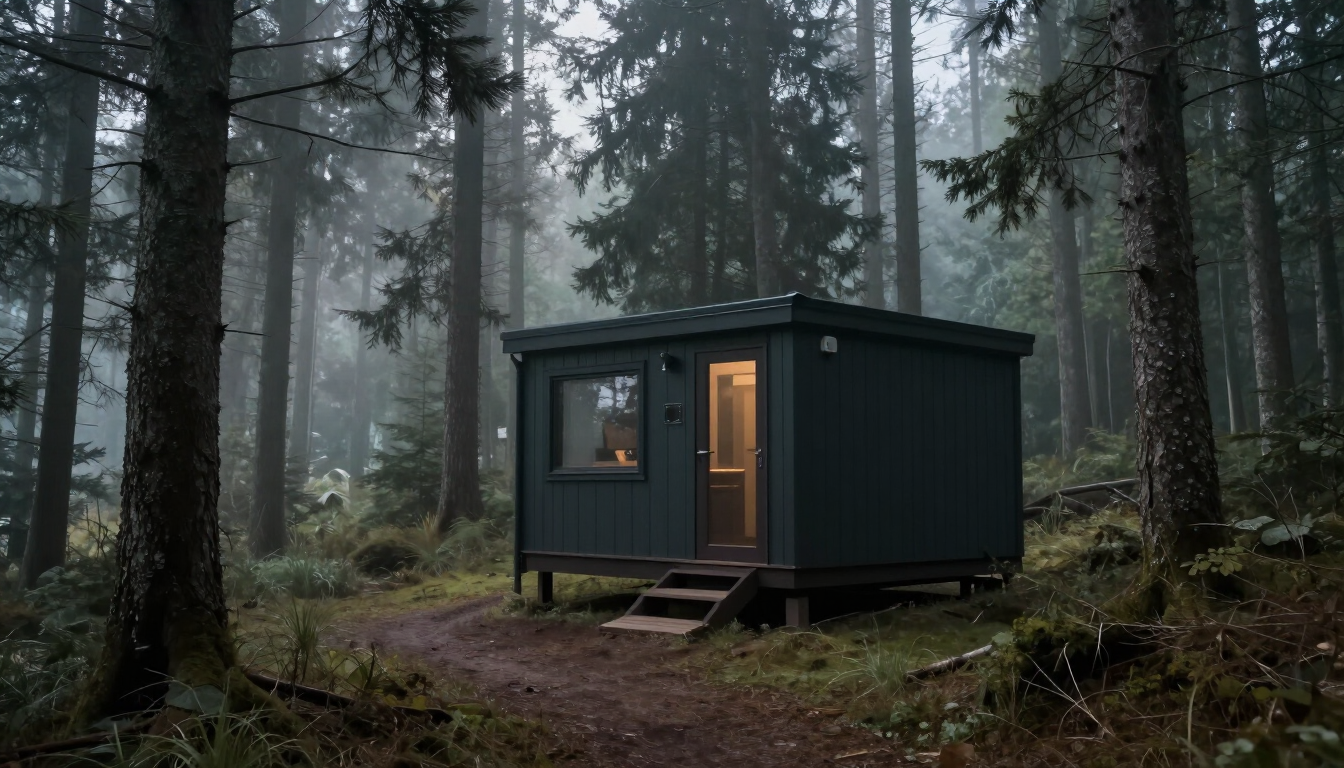
Tiny home nestled in a forest clearing with tall trees around it in misty morning light

Park model, cabin, and tiny house compared

FeatureTiny house on wheelsPark modelTiny cabin
Legal classRV (usually)RV (ANSI A119.5)Real estate / building
Max width8.5 ft (road-legal)~12 ftNo limit (code permitting)
Typical size100–400 sq ftup to 400 sq ft200–600+ sq ft
MobilityHigh (pickup-towable)Low (permit + hauler)None (permanent)
Best forTravel, flexibilityRV park living, spaceOwned land, permanence
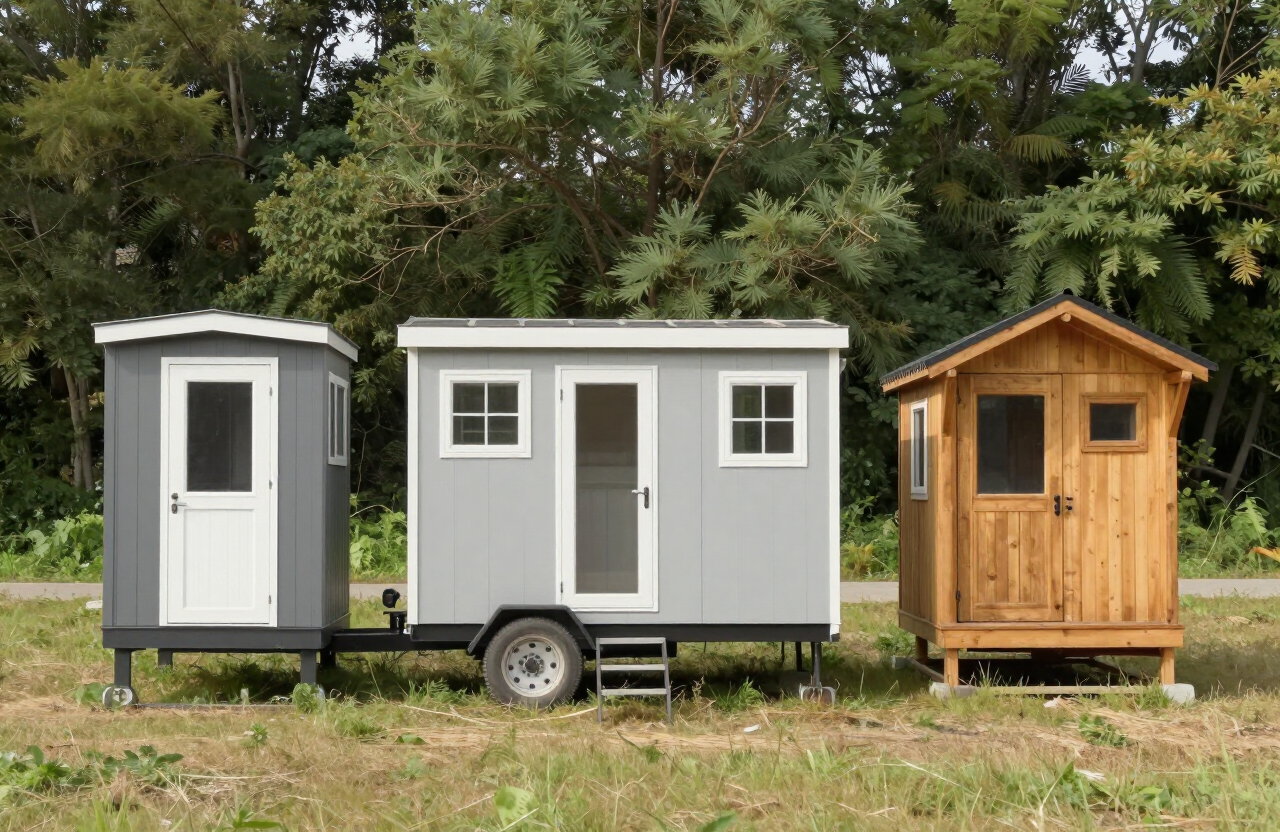
Three small structures side by side for comparison: a tiny house on wheels, a wider park model and a wooden cabin

Putting it all together

A tiny house on wheels is the iconic form of tiny living, but it is not the only one. Park models offer more space and residential comfort at a lower cost per square foot, ideal for settling in an RV park or on RV-friendly land. Cabins offer permanence and full residential systems on owned land, ideal when you want to stay put and work through local codes. Match the structure to your location, mobility, and permanence goals, and confirm the legal status with local authorities before you commit. Ready to compare? Browse park models, explore communities and land for cabin sites, and look at builders who construct each type.

Related articles

More guides that dig deeper into the same topics.

Frequently asked questions

What is the difference between a park model and a tiny house on wheels?+

A park model is a wider (up to 12 ft), RV-class structure built to ANSI A119.5 standards and capped at 400 sq ft, designed for long-term parking in RV parks. A tiny house on wheels is narrower (8.5 ft for road-legal towing), usually custom-built, and more mobile but smaller inside.

Is a park model considered an RV or a home?+

A park model is legally an RV, titled as a recreational vehicle rather than real estate. This means it is welcome in many RV parks for long-term occupancy, but it is not treated as a permanent dwelling under residential building codes.

Do I need a permit to move a park model?+

Yes. Because park models are wider than standard road-legal width, moving one typically requires a special oversize-load permit and a professional hauler, often with a chase vehicle. They are semi-permanent, not something you tow with a pickup on a whim.

Can I build a cabin instead of a tiny house on wheels?+

Yes. A cabin on a foundation or skids is a permanent or semi-permanent building governed by local building and zoning codes, not RV rules. It can be larger than a road-legal tiny house and feels more like a conventional home, but it is not mobile and must meet code.

Which is cheapest: a tiny house, a park model, or a cabin?+

Park models often have the lowest cost per square foot because they are factory-built to a standard. Custom tiny houses are usually the most expensive per square foot due to bespoke construction. Cabins fall in between, with site work and foundation adding cost.

Where can I legally live in a park model?+

Park models are designed for long-term occupancy in RV parks and on private land where RVs are allowed with full utility hookups. Confirm the specific park's rules and your local zoning, since full-time RV residency is restricted in some areas.

Ready to start searching?

Browse tiny homes, plans, builders, communities and land on the interactive map.

Explore the map
>