Legal & Zoning

Tiny Home Permits and Building Codes: Legal Requirements

14 min read · Updated March 6, 2026

By John

The legal side of tiny living trips up more people than the building side. Here is a practical guide to permits, building codes, zoning, and certifications — so your tiny home is legal before you pour a footing or hitch up.
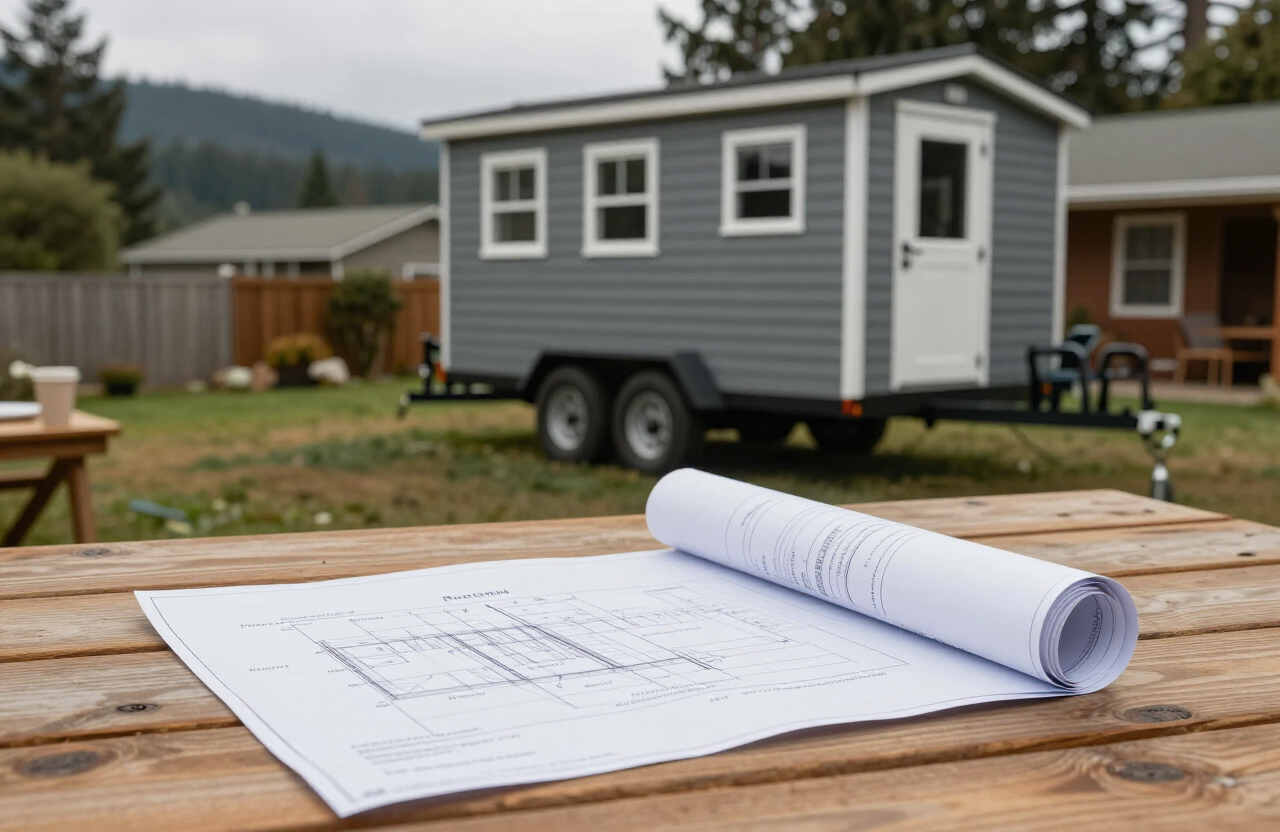
Tiny house on wheels parked in a rural backyard with blueprints and a rolled permit document on a wooden table

Foundation home vs tiny house on wheels
The single biggest legal distinction is whether your tiny home is permanently attached to the ground or sits on a trailer. A foundation tiny home is treated like any other site-built house: it must meet the International Residential Code (IRC), which since the 2018 appendix has included specific provisions for tiny homes under 400 square feet, and it needs a building permit, inspections, and a certificate of occupancy. A tiny house on wheels (THOW) is usually classified as a recreational vehicle or a park model, governed by RV or ANSI standards instead of the IRC, and it is typically legal only in places that allow RV parking or in dedicated tiny home communities. Neither path is automatically easier — they just answer to different authorities.
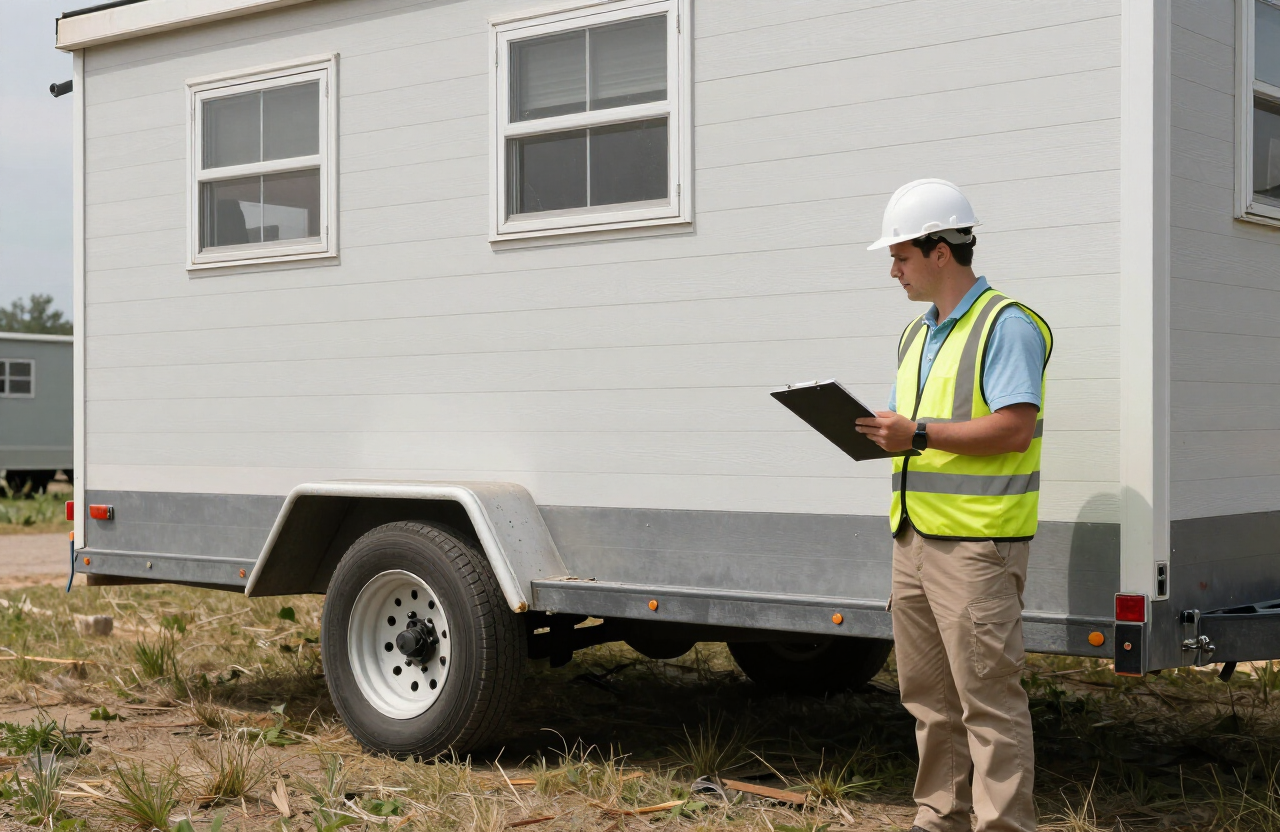
Building inspector with a clipboard examining the trailer foundation of a tiny house on wheels

Zoning: what the land allows
Zoning tells you what you may put on a piece of land and how you may use it. Residential zoning usually permits a permanent dwelling but may set a minimum square footage that a tiny home cannot meet. Agricultural or rural zoning is often more permissive but may restrict full-time residence in an RV. Some forward-looking jurisdictions have adopted tiny-house-specific overlay zones that explicitly allow small dwellings. Before buying land, ask the planning department for the parcel's zoning designation, the minimum dwelling size, whether full-time occupancy of an RV or THOW is allowed, and how many dwellings are permitted per parcel. Get the answers in a written zoning verification letter when you can — verbal assurances do not hold up later.
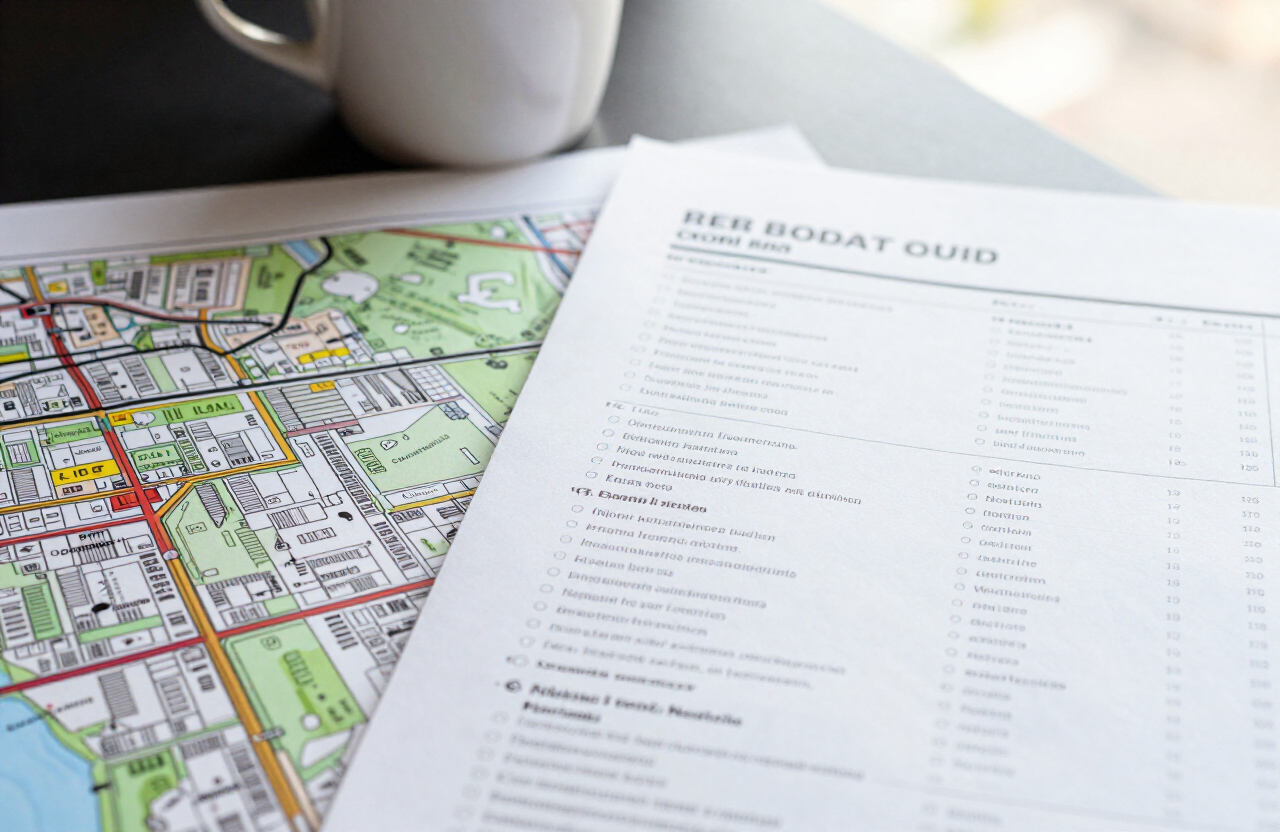
Zoning map and building code booklet on a desk beside a coffee mug in natural window light

Building codes and the IRC tiny house appendix
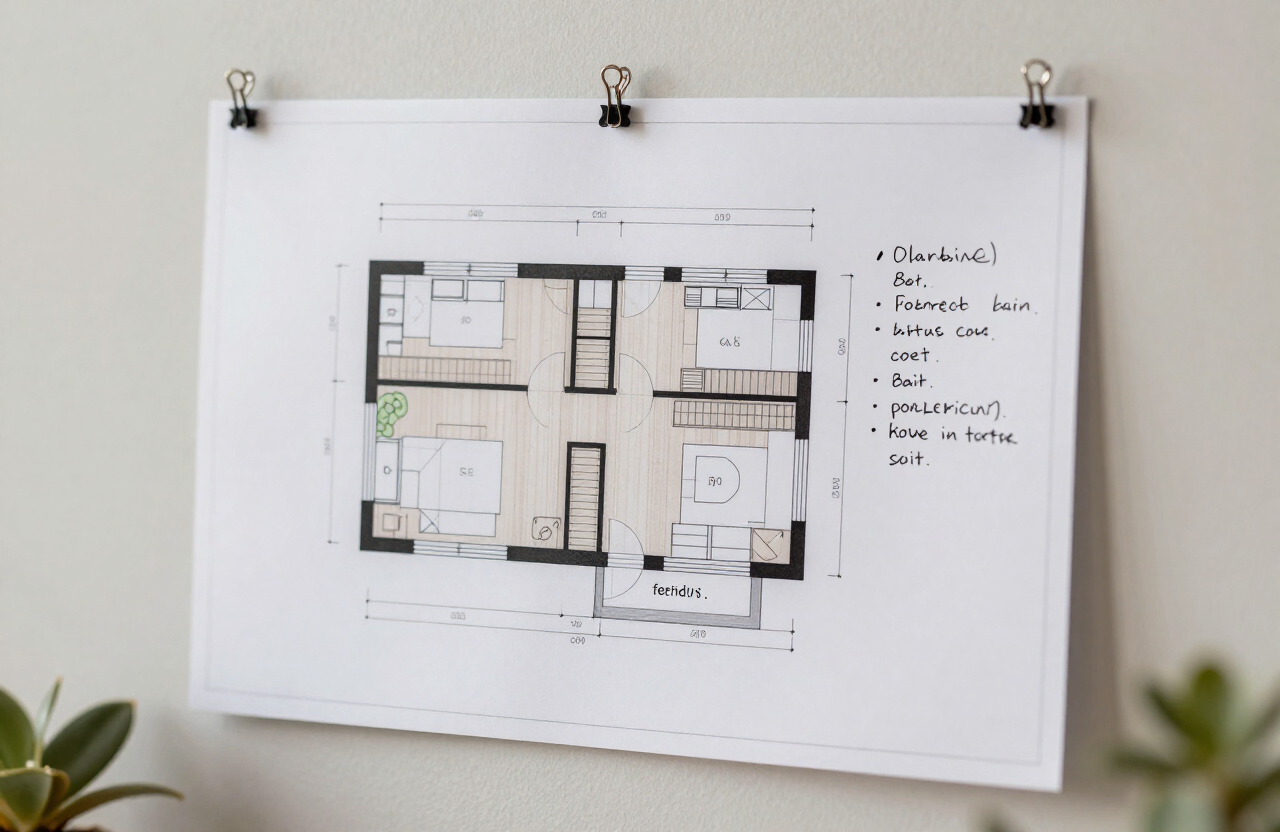
The IRC Appendix Q (renamed Appendix AQ in the 2024 code) is the model code section that brings tiny homes under 400 sq ft into the residential code. It adapts ceiling heights, loft access, egress, and stair requirements to small dwellings so a code-compliant tiny home can earn a certificate of occupancy. Not every state or city has adopted Appendix AQ, and adoptions vary — some adopt it with amendments, some not at all. Ask your building department which code cycle they enforce and whether the tiny house appendix is in effect. If it is, a foundation tiny home can be permitted like any house. If it is not, you may need an engineer's stamp or a variance to proceed.
Architectural blueprint of a tiny home floor plan with handwritten code notes pinned to a wall

Setbacks, utilities, and site requirements
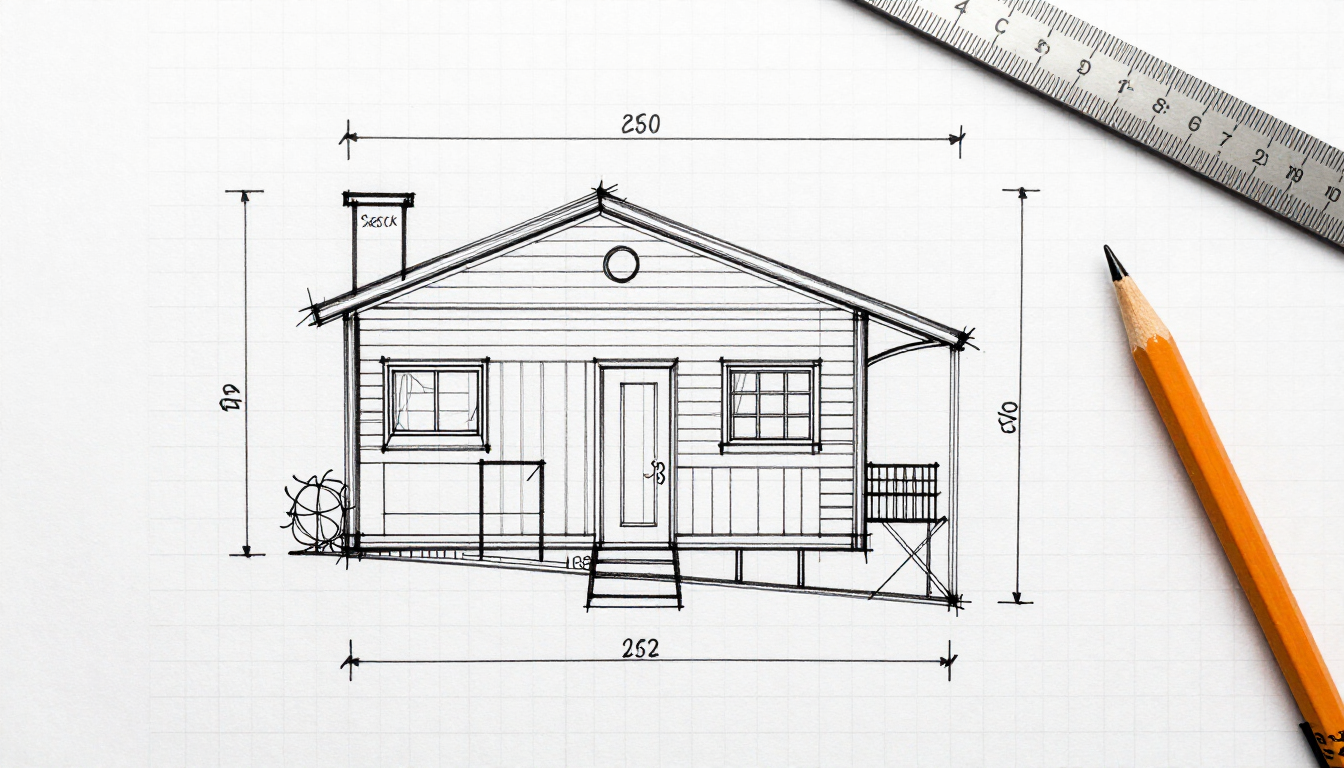
Even when a tiny home is allowed, the site must comply with setback rules — the minimum distance from the structure to property lines, roads, and other buildings. Setbacks typically range from 5 feet in tight urban lots to 30 feet or more in rural zones, and they directly affect how small a parcel is usable. You will also need a plan for utilities: a permitted well or municipal water connection, an approved septic system or sewer hookup, and electrical service. Off-grid systems are legal in many rural areas but usually still require permits for the septic and electrical work. Sketch a site plan showing the home, setbacks, well, septic, and driveway before you apply — the planning department will want to see it.
Site plan sketch showing setback distances from property lines around a tiny home on graph paper

Certifications: NOAH, RVIA, and PWA

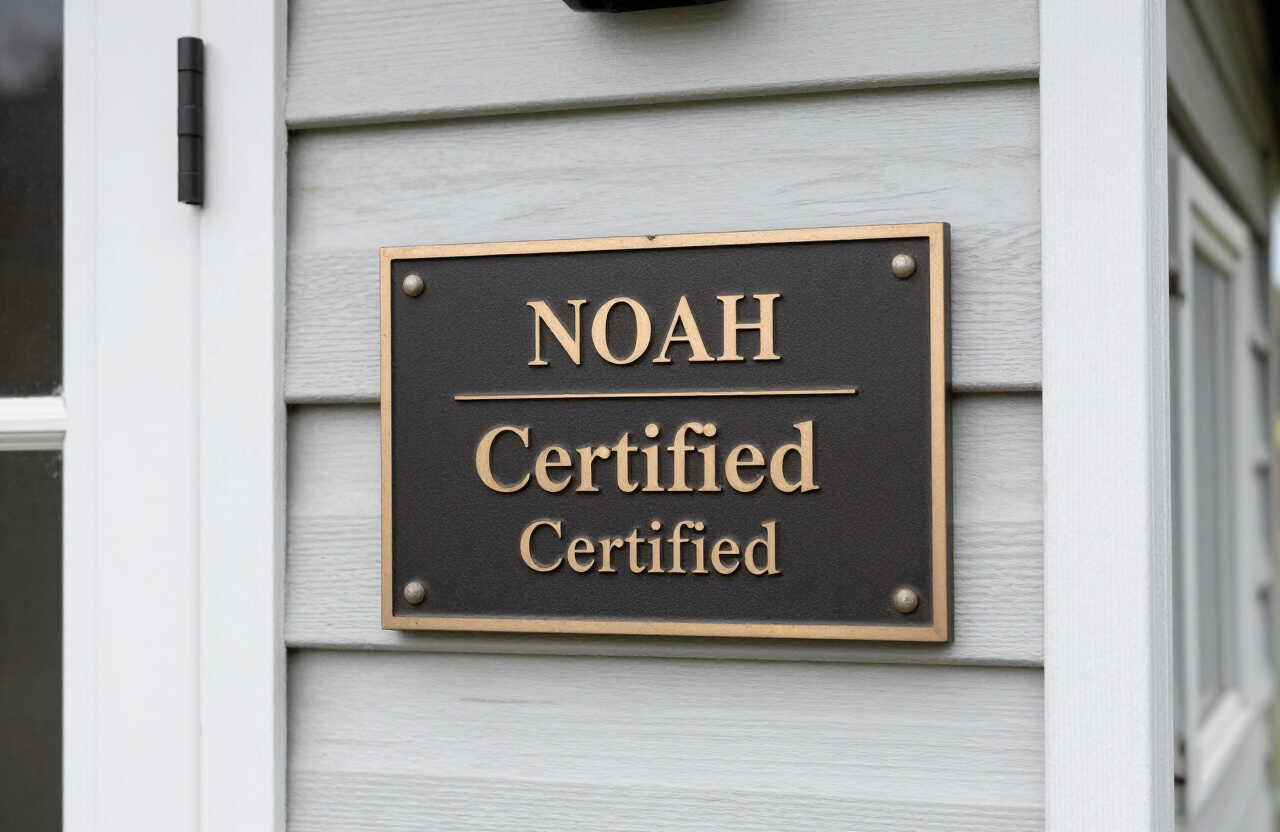
If you are building or buying a THOW, a third-party certification can open doors that an uncertified build cannot. The National Organization for Alternative Housing (NOAH) inspects tiny homes on wheels against a combined ANSI, IRC, and NEC standard and issues a certification that many parks and lenders accept. The RV Industry Association (RVIA) badge certifies a build as a recreational vehicle, which is what many RV parks require for full-time parking. Pacific West Associates (PWA) certifies park models and tiny homes to ANSI standards. A certified build costs more upfront but makes financing, insurance, and placement dramatically easier — and many
NOAH certified tiny home plaque mounted on the exterior siding of a small house

How to apply for a permit step by step

Start at the planning department counter, not the building counter — zoning comes first. Bring your parcel number, a sketch site plan, and a list of questions. If zoning allows the use, move to the building department with construction drawings (engineer-stamped if required), a foundation plan, and your energy and plumbing details. Pay the plan-review fee, respond to any corrections, and wait for the permit to issue. During construction, schedule inspections at each required stage — footing, framing, plumbing rough-in, electrical rough-in, and final. Only the final inspection grants a certificate of occupancy, which is the document that makes the home legally livable. Expect the whole process to take weeks to months depending on the jurisdiction.
A person reviewing permit paperwork at a county planning office counter

Putting it all together

The legal path for a tiny home is knowable, but it is not the same everywhere. Decide foundation versus wheels first, then verify zoning in writing, then confirm which building code and certifications apply to your build. Apply for permits in the right order — planning before building — and schedule every inspection. A certified THOW or a code-compliant foundation home is the difference between a home you can live in confidently and one you are always worried about. Ready to find a place to put yours? Browse communities and land, explore tiny homes for sale, or compare builders who deliver certified builds.

Related articles

More guides that dig deeper into the same topics.

Frequently asked questions

Do I need a permit to build a tiny home?+

Almost always yes. A foundation tiny home needs a building permit and inspections under the IRC. A tiny house on wheels usually needs no building permit for the structure itself if it is certified as an RV, but you still need zoning approval to park and live in it legally on a given parcel.

What is IRC Appendix AQ and does my area use it?+

Appendix AQ is the model code section that adapts the residential code for tiny homes under 400 sq ft. Not every jurisdiction has adopted it, and adoptions vary by code cycle. Ask your building department which code they enforce and whether the tiny house appendix is in effect before you design.

Is a tiny house on wheels legal to live in full-time?+

It depends on local zoning. Many areas classify a THOW as an RV and restrict full-time RV occupancy, while dedicated tiny home communities and some rural zones allow it. A written zoning verification letter for your parcel is the only reliable answer — do not rely on a verbal okay.

What does a NOAH or RVIA certification do for me?+

A third-party certification proves the build meets a recognized standard, which makes it easier to finance, insure, and park in communities or RV parks that require certification. Many lenders and parks will not accept an uncertified build, so the upfront cost often pays for itself in access.

Can I put a tiny home on my own land without permits?+

Rarely. Even where zoning allows a tiny home, the well, septic, and electrical work usually require permits, and a foundation home needs a building permit and certificate of occupancy. Skipping permits risks fines, orders to remove the home, and trouble when you sell the land.

What setbacks apply to a tiny home?+

Setbacks — the minimum distance from the home to property lines and roads — vary by zoning, typically from 5 feet in urban lots to 30 feet or more in rural zones. They are set by the planning department and shown on your site plan, so confirm them before buying a small parcel.

Ready to start searching?

Browse tiny homes, plans, builders, communities and land on the interactive map.

Explore the map
>