Legal & Zoning

Building Codes for Tiny Homes: Legal Requirements

11 min read · Updated February 17, 2026

By John

Building codes decide whether your tiny home is legal to live in — and they differ sharply depending on whether it is on wheels, a foundation, or certified as an RV. Here is what the rules actually require.
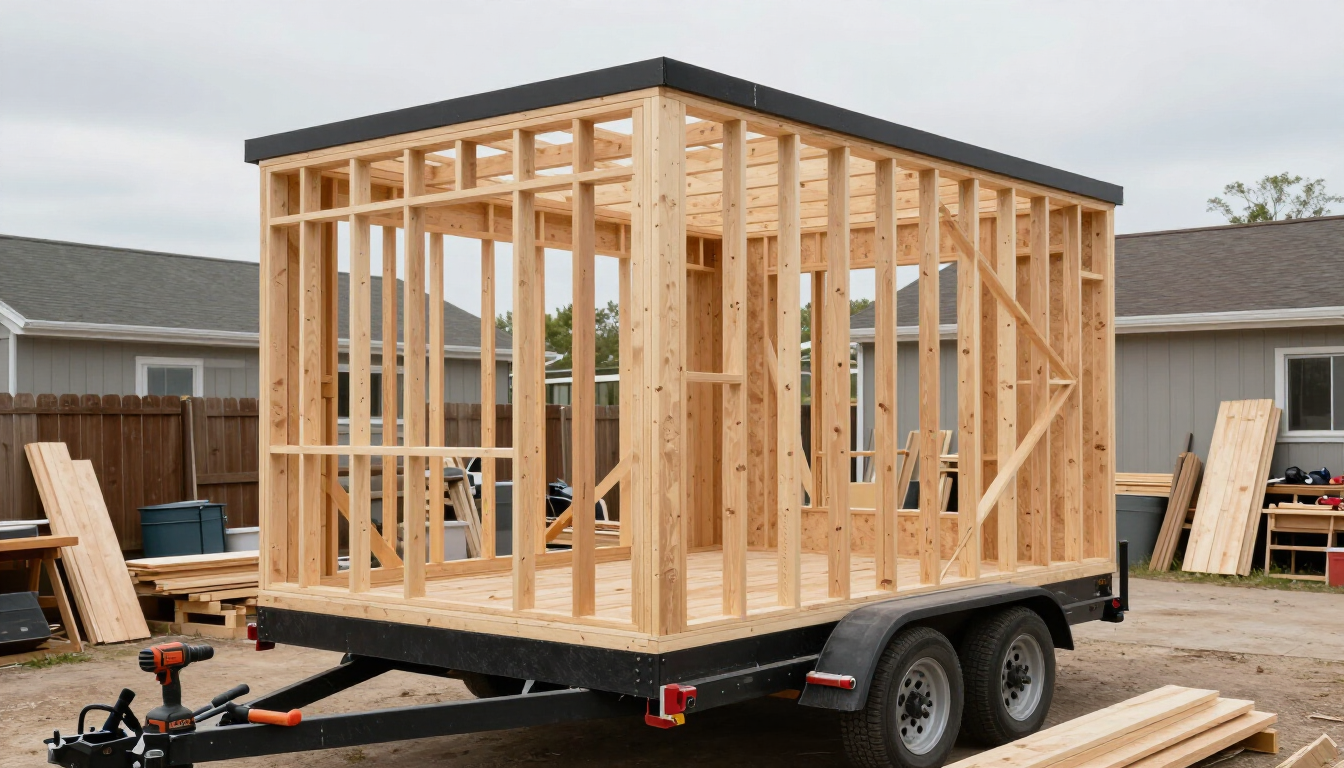
Tiny home wooden wall frame under construction on a trailer with tools nearby

Codes are separate from zoning — and just as important

Zoning decides where you can put a tiny home; building codes for tiny homes decide how it must be built and whether it is legal to occupy. The two are separate systems handled by the same local department, and you need to satisfy both. Codes set the construction standards — structural, electrical, plumbing, fire safety, egress, and minimum room sizes — that protect health and safety. Which code path applies depends on what kind of tiny home you have: a foundation dwelling follows the residential building code, a tiny house on wheels usually follows an RV standard, and a park model follows a separate recreational park trailer standard. Knowing your path is the first step. See our zoning guide for the where; this guide covers the how.

Appendix Q: the tiny-house residential code
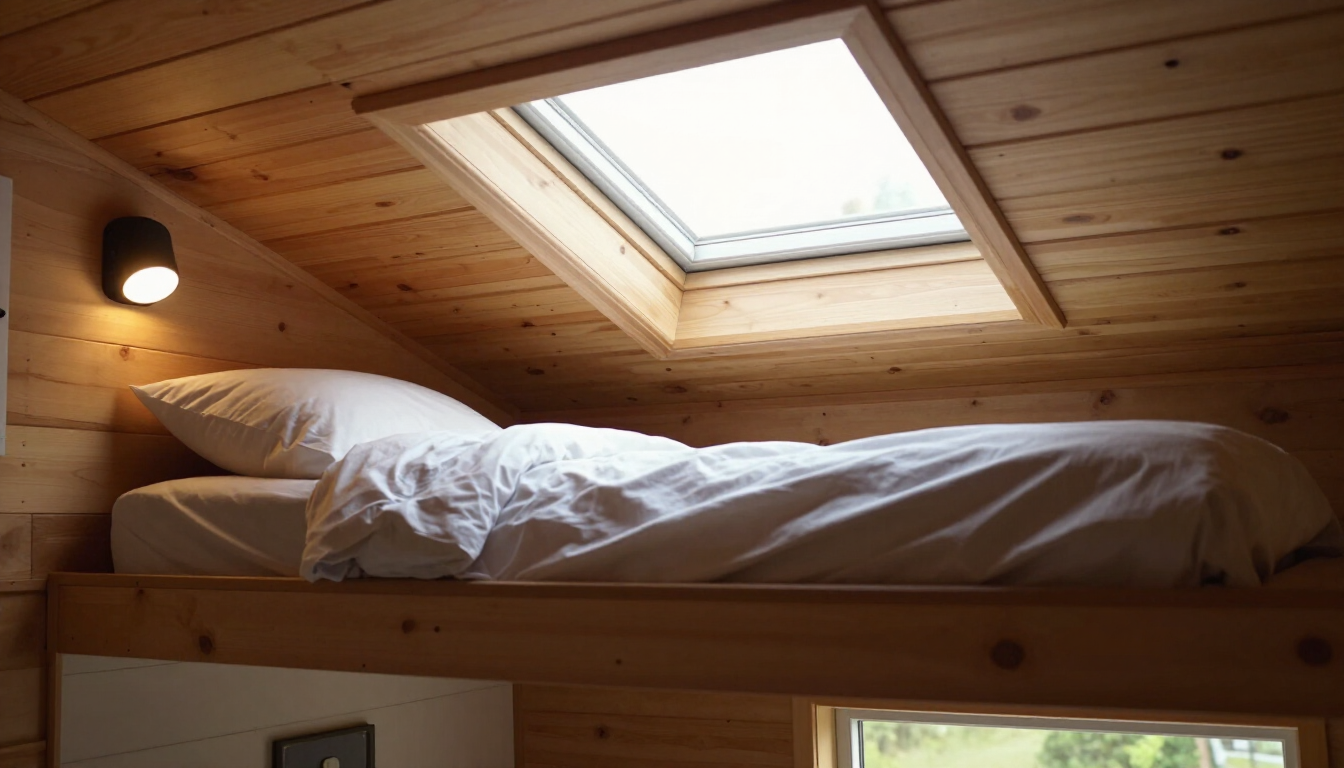
Appendix Q of the International Residential Code (IRC) is the first mainstream building code written specifically for tiny homes of 400 sq ft or less on a foundation. It adapts residential rules to small spaces — allowing reduced ceiling heights (6'8" in lofts, with even lower minimums in some cases), ladder or alternating-tread stairs to lofts, and smaller minimum room areas. A growing number of US states and cities have adopted Appendix Q, which makes permitting a foundation tiny home far more straightforward where it is in force. If your jurisdiction has adopted it, design to it; if not, you may need a variance or an alternative compliance path. Check with your local building department.
Tiny home loft bedroom with reduced ceiling height allowed under Appendix Q

RV standards for tiny homes on wheels
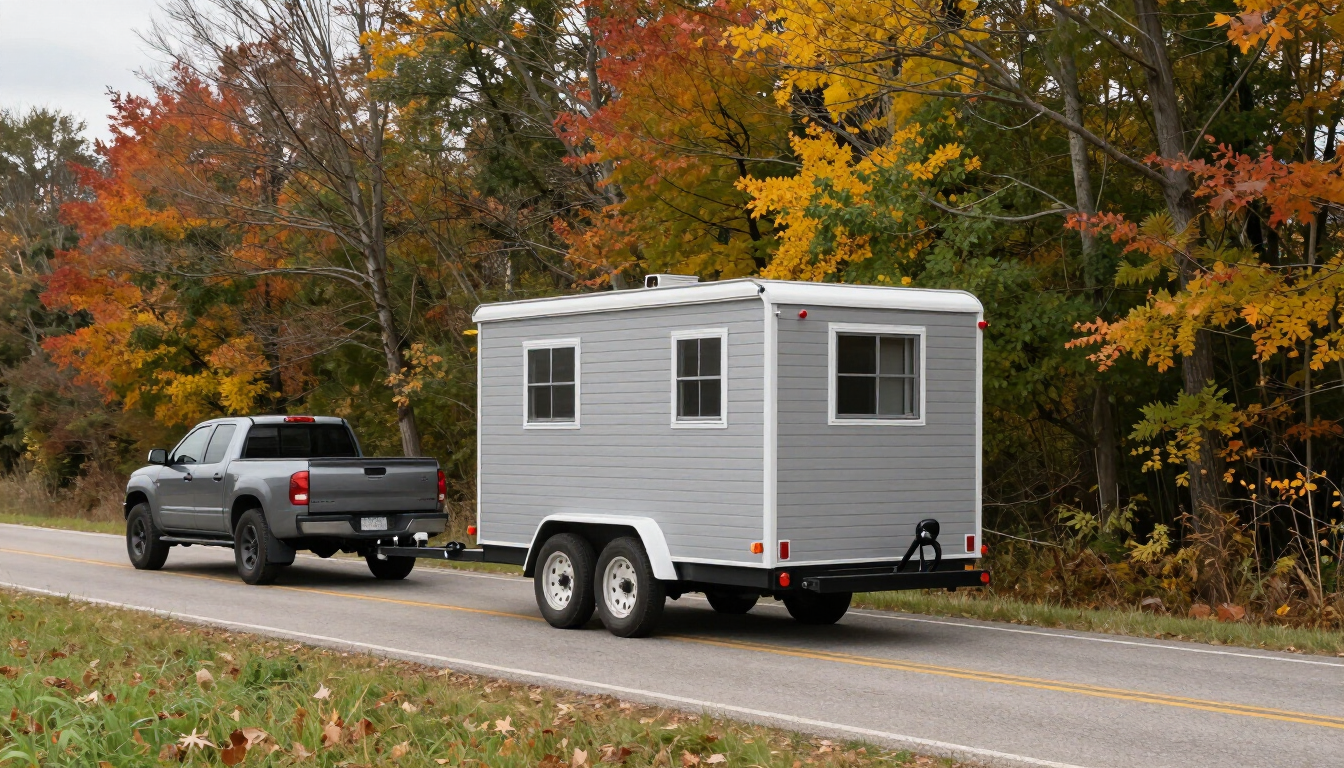
A tiny house on wheels is usually certified to an RV standard — most commonly RVIA (Recreation Vehicle Industry Association) or NOAH (National Organization of Alternative Housing) — rather than the residential building code. These standards cover structural integrity, electrical, plumbing, and fire safety for a vehicle-class dwelling. RV certification matters for two reasons: it is often required to park in RV parks and tiny home communities, and it is usually required to qualify for an RV loan. If you are buying a THOW, ask the builder for proof of certification. If you are building yourself, you can hire a NOAH inspector to certify the build. Browse
Tiny home on wheels being towed, usually certified to an RV standard

Park model and ADU code paths

Park model tiny homes follow the ANSI 119.5 standard for recreational park trailers, which is similar to the RV standard but tailored to larger, semi-permanent units typically sited in parks. A park model is usually titled as a vehicle and sited on a rented or owned pad in a park. An accessory dwelling unit (ADU), by contrast, is a permanent foundation dwelling and follows the residential building code (including Appendix Q where adopted) plus any local ADU-specific rules on size, setbacks, and utilities. The ADU path is often the most code-compliant route to a backyard tiny home. Explore
Park model tiny home on a permanent foundation with a porch

Permits: when you need one and what to submit

A foundation tiny home or ADU almost always requires a building permit, and the electrical, plumbing, and mechanical work each typically need their own permits. To apply, you usually submit a site plan, construction drawings, and a materials list, then pay a fee based on the project's value. A THOW built in a factory and certified to an RV standard generally does not need a local building permit for the home itself, but you may need a permit for the site — utility hookups, a pad, or an accessory structure. The permit process is also when the building department checks that your plans meet code before you start. See our
Desk with paperwork and plans for a building permit application

Inspections: the checkpoints you must pass
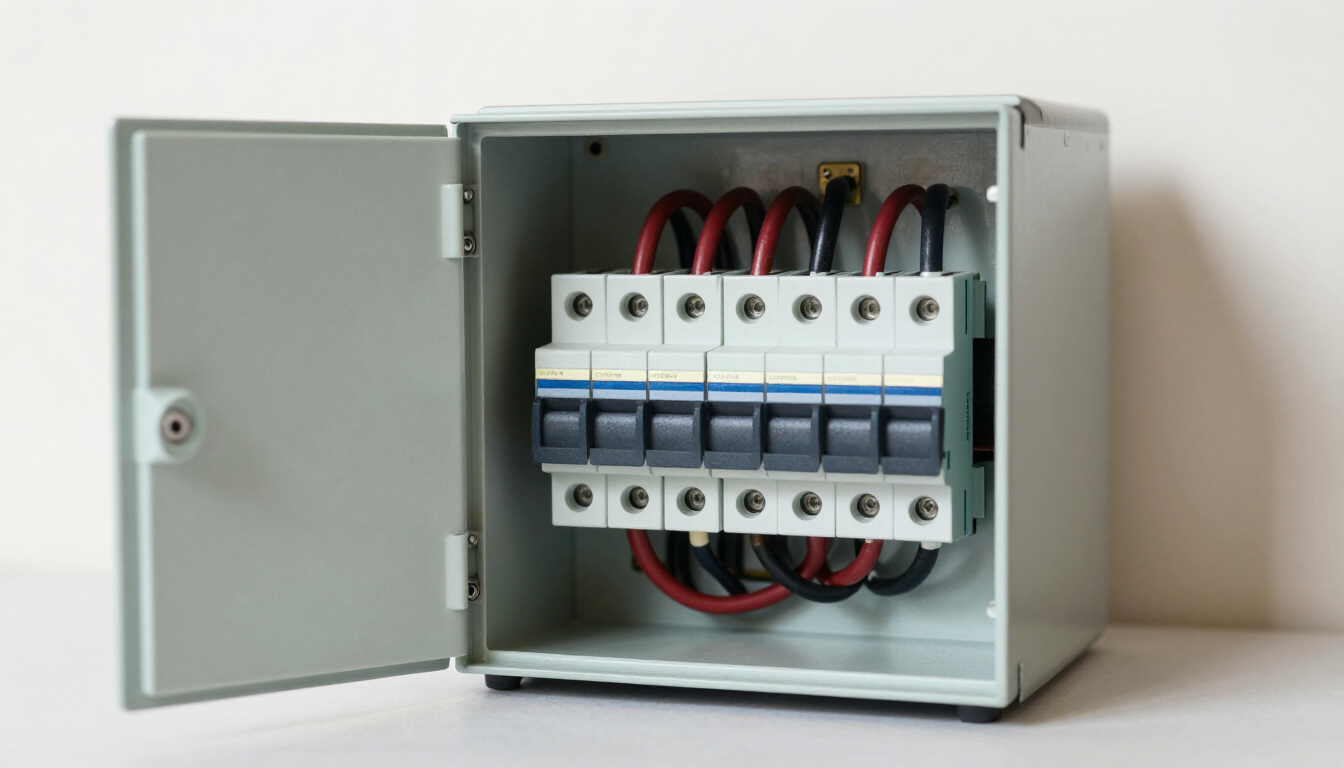
Permitted work is verified through a series of inspections at key stages. For a foundation build, expect inspections for the foundation, framing (before insulation and drywall close the walls), electrical rough-in, plumbing rough-in, and a final inspection. Each must pass before you proceed to the next stage, so schedule them in advance and do not cover work until it is signed off. Failing an inspection means correcting the issue and re-inspecting, which costs time. The best defense is to follow the approved plans exactly and ask the inspector questions early if something is unclear. A certified THOW is inspected during the factory build instead, by the certifying body.
Tiny home electrical panel with an open breaker box during a rough-in inspection

Owner-builders and the code

If you build your own tiny home, you are still responsible for meeting code — there is no amateur exemption for safety. An owner-builder pulling a permit signs off that the work meets the residential code, and the inspections enforce it. Many owner-builders hire licensed electricians and plumbers for those trades, both for safety and to smooth the inspection process. If you are building a THOW yourself and want it certified, a NOAH inspector can inspect at staged milestones and issue certification. The code is not your enemy; it is the standard that makes your home safe and insurable. Browse builders if you would rather hire it out.
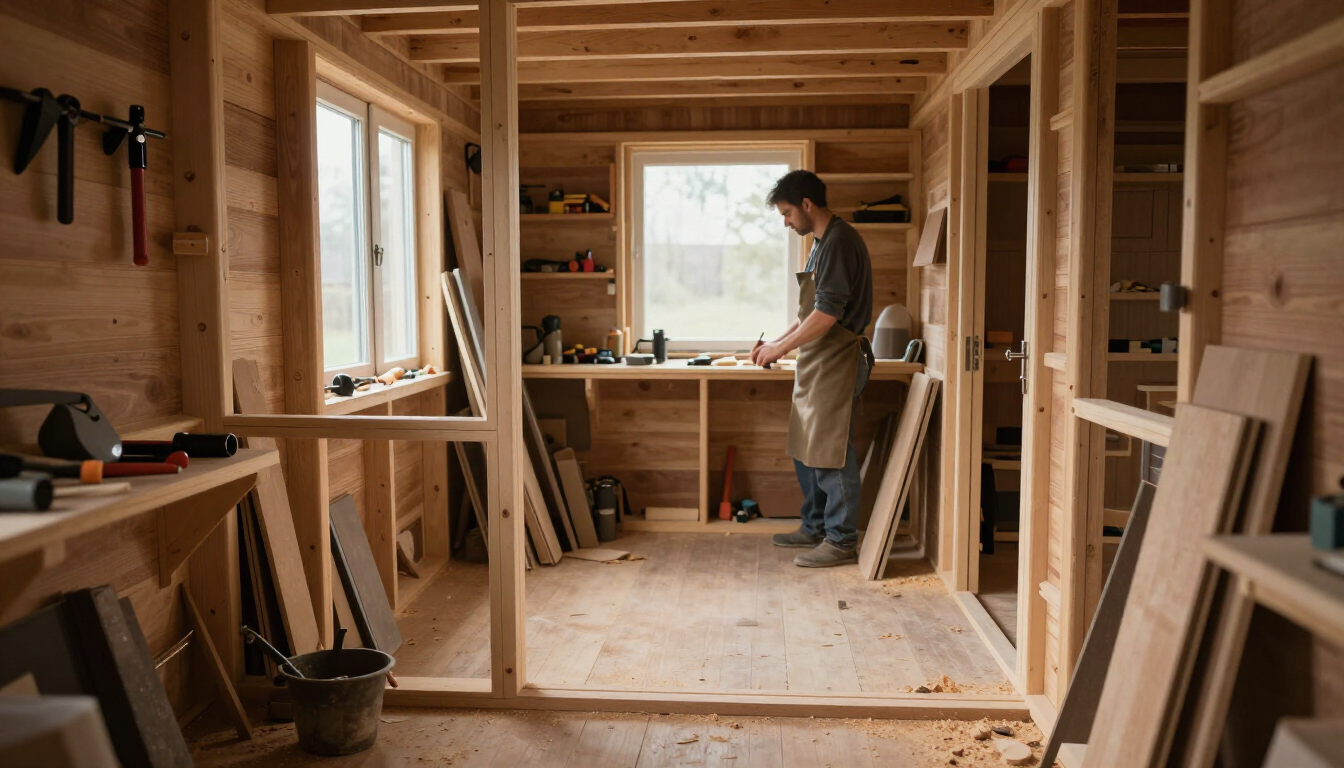
Tiny home builder's workshop with wall frames and tools, meeting code standards

Code paths compared

PathStandardPermitBest for
Foundation tiny homeIRC + Appendix QYesPermanent dwelling
THOWRVIA / NOAHSite onlyMovable home
Park modelANSI 119.5Site onlyPark siting
ADUIRC + local ADU rulesYesBackyard build
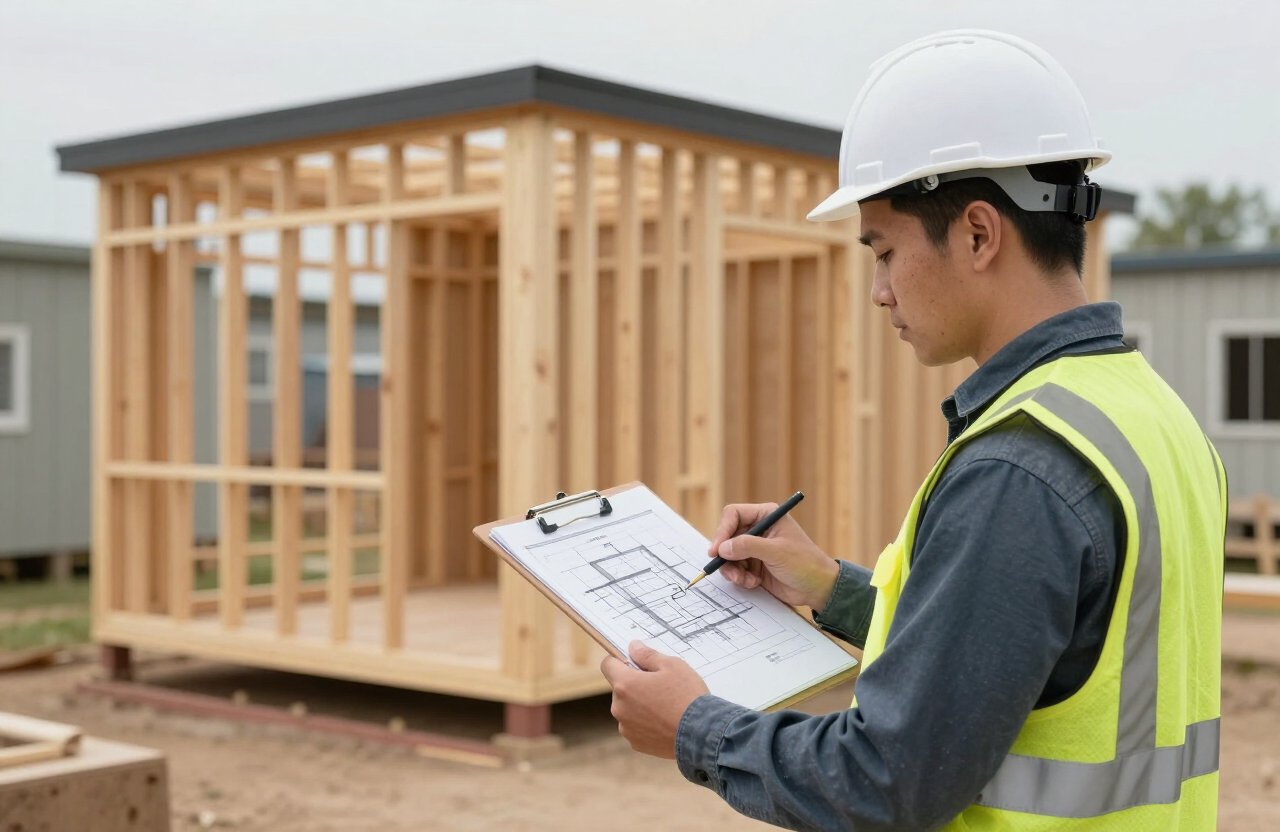
Building inspector with a clipboard comparing construction plans at a tiny home build site

Putting it all together

Building codes for tiny homes depend on what you build: a foundation home follows the residential code and Appendix Q where adopted, a THOW follows an RV standard like RVIA or NOAH, a park model follows ANSI 119.5, and an ADU follows residential code plus local ADU rules. Permits and inspections enforce the standard for permitted builds, and owner-builders must meet the same code as professionals. The code is the standard that makes your home safe, insurable, and legal to occupy — work with it, not around it. Ready to build to code? Compare

Related articles

More guides that dig deeper into the same topics.

Frequently asked questions

Do I need a building permit for a tiny home?+

A foundation tiny home or ADU almost always needs a building permit, plus separate electrical, plumbing, and mechanical permits. A factory-built THOW certified to an RV standard generally does not need a permit for the home itself, but you may need a permit for the site and hookups.

What is Appendix Q?+

Appendix Q is a section of the International Residential Code written specifically for tiny homes of 400 sq ft or less on a foundation. It adapts residential rules to small spaces — allowing reduced ceiling heights, loft access by ladder, and smaller minimum room areas. Where adopted, it makes permitting a foundation tiny home much easier.

What is the difference between RVIA and NOAH certification?+

RVIA certifies factory-built recreational vehicles, including tiny homes on wheels built by member manufacturers. NOAH is an alternative housing certifier that inspects and certifies both factory and DIY tiny homes on wheels. Both provide the RV-class certification often required by parks, communities, and lenders.

Can I build my own tiny home and still meet code?+

Yes, but owner-builders must meet the same code as professionals — there is no amateur exemption for safety. Many owner-builders hire licensed electricians and plumbers for those trades. For a THOW, a NOAH inspector can inspect at staged milestones and issue certification.

What inspections are required for a foundation tiny home?+

Expect inspections for the foundation, framing (before walls are closed), electrical rough-in, plumbing rough-in, and a final inspection. Each must pass before you proceed to the next stage, so schedule them in advance and never cover work until it is signed off.

Does a tiny home on wheels need to meet the residential building code?+

Usually no. A THOW is typically certified to an RV standard (RVIA or NOAH) rather than the residential code, because it is classed as a vehicle. The residential code and Appendix Q apply to foundation dwellings and ADUs.

Ready to start searching?

Browse tiny homes, plans, builders, communities and land on the interactive map.

Explore the map
>