Tiny Home Communities: Benefits and How to Find One
11 min read · Updated February 15, 2026
By John
Living in a tiny home does not have to mean living alone. Tiny home communities offer shared amenities, lower costs, and built-in neighbors who get the lifestyle. Here are the benefits and how to find the right one.
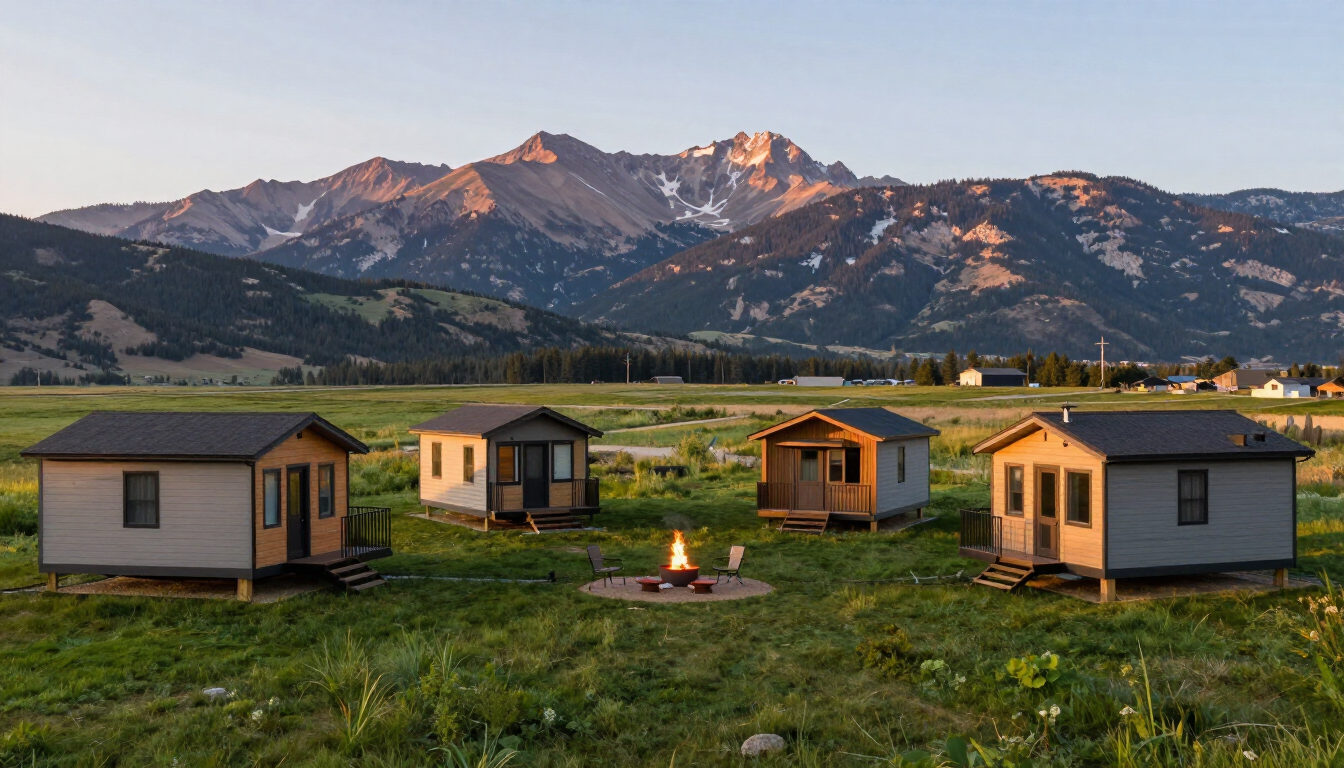
Why community matters in tiny living
The benefits of community living
- Legal, permitted sites — the community handles the zoning and utility approvals that are the biggest barrier to solo tiny living.
- Shared amenities — a common house with a full kitchen, laundry, bathrooms, and a gathering space gives you access to facilities that would not fit in 300 sq ft.
- Lower costs — sharing land, infrastructure, and tools spreads costs across the group; pad rent is usually far cheaper than a conventional lot.
- Built-in neighbors — a community of like-minded people provides social connection, mutual aid, and shared skills.
- Security — clustered homes with eyes on the common area feel safer than an isolated cabin.
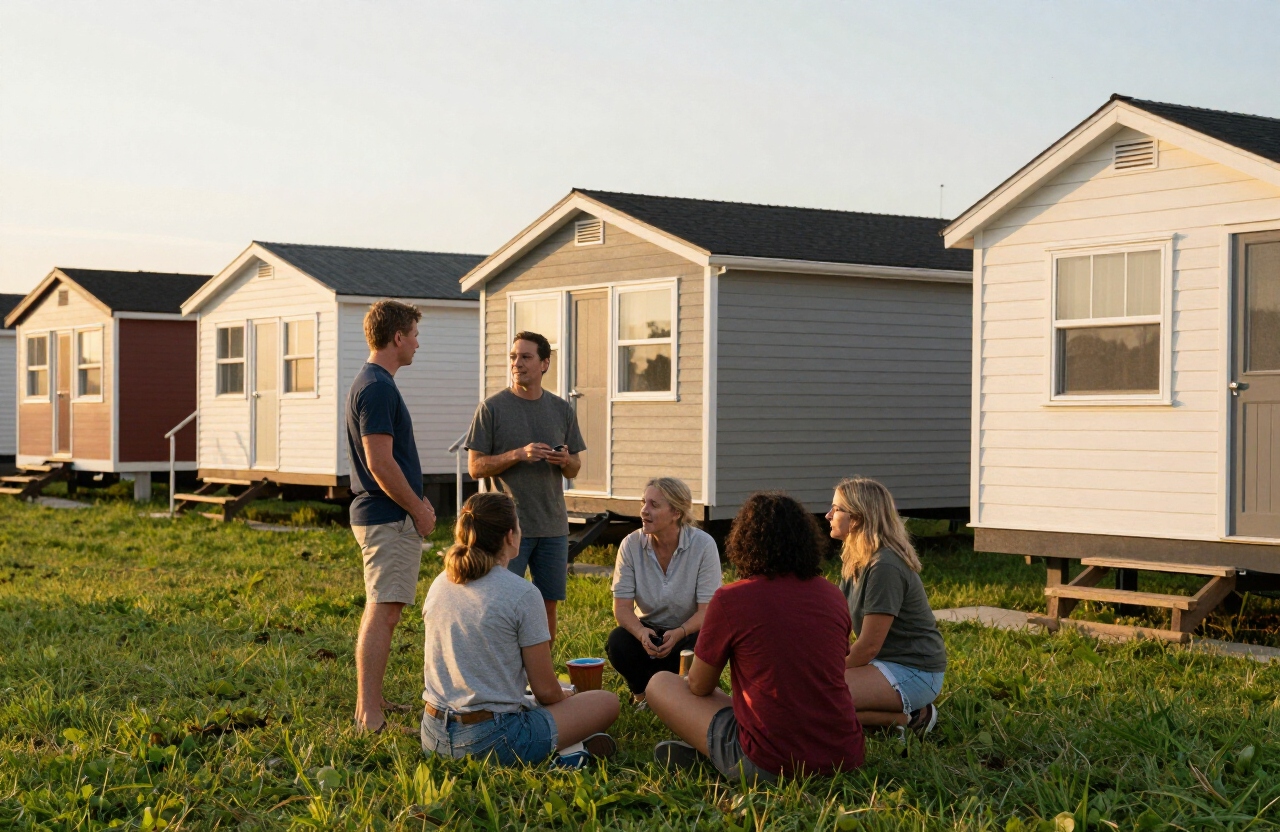
Types of tiny home communities
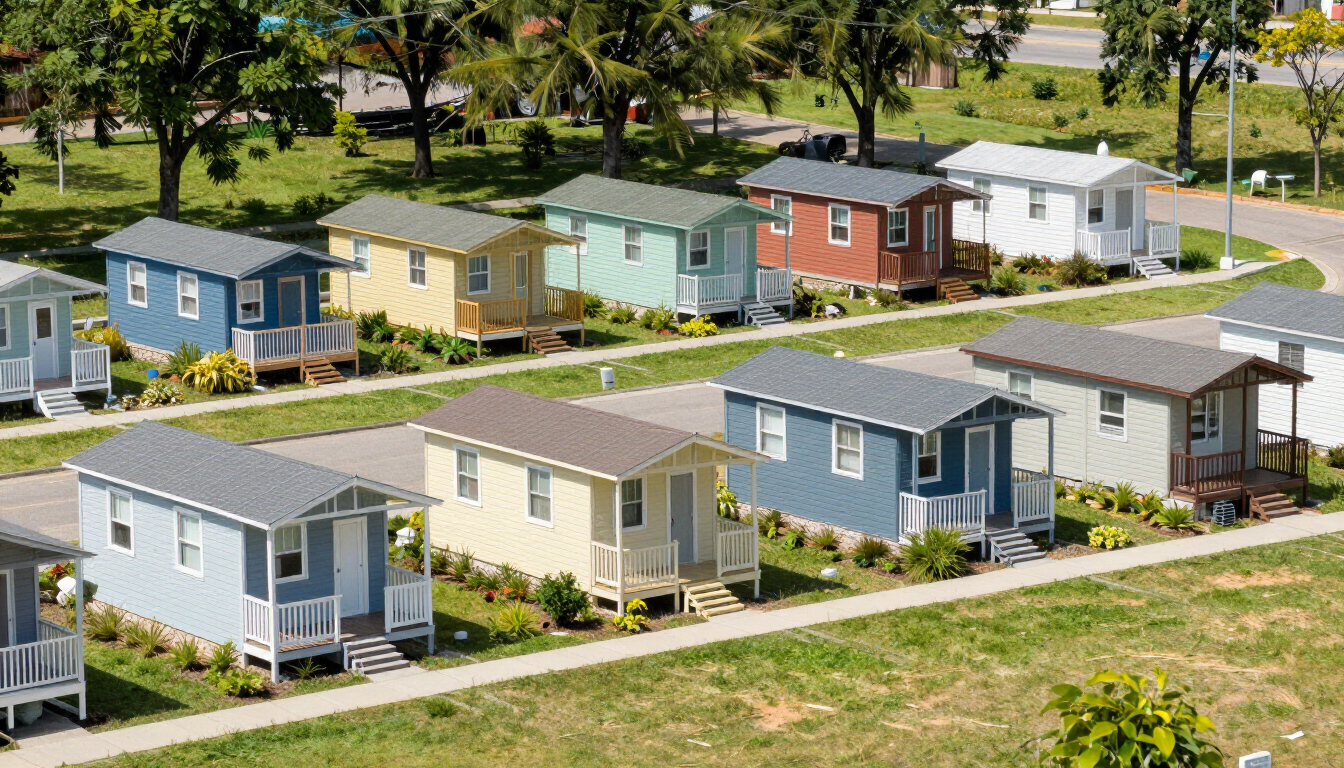
How to find a tiny home community
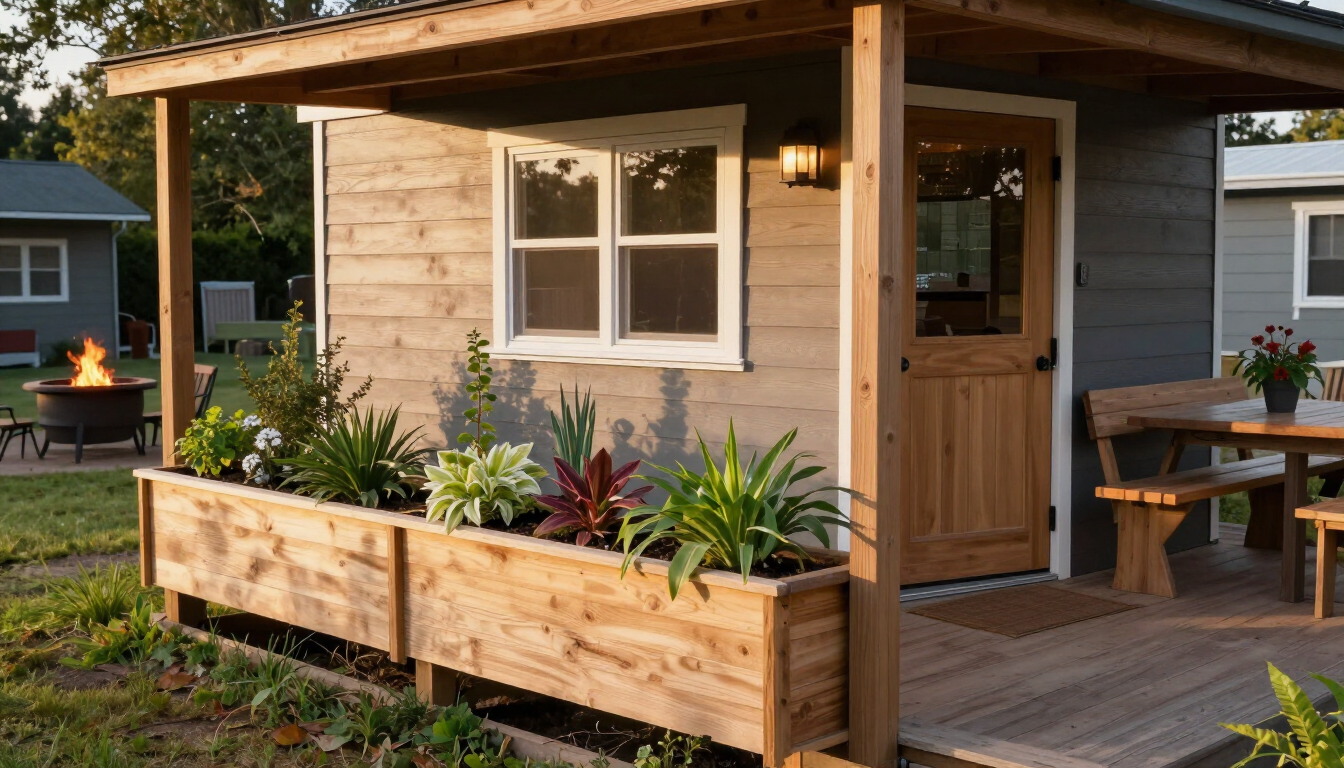
What to evaluate before joining

Renting vs. buying a lot
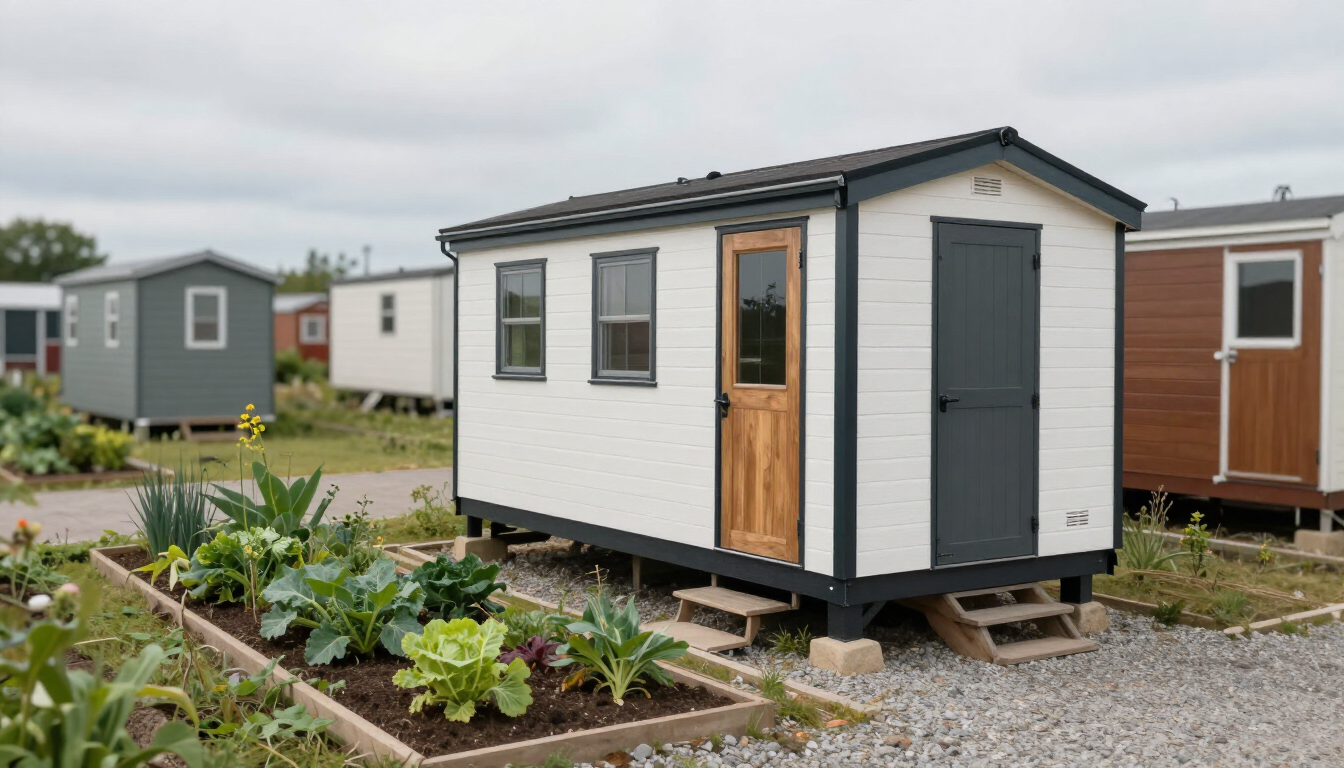
Building your own community

Community types compared
| Type | Cost | Autonomy | Community |
|---|---|---|---|
| RV-style park | Low | High | Low |
| Planned village | Medium | Medium | Medium |
| Intentional community | Varies | Shared | High |
| Backyard ADU cluster | Low | High | Medium |

Putting it all together
Related articles
More guides that dig deeper into the same topics.
Frequently asked questions
What is a tiny home community?+
A tiny home community is a clustered village of tiny homes sharing land, utilities, and often a common house. It ranges from an RV-style park renting pads to a planned village with leased or owned lots to an intentional, values-driven co-housing group.
How much does it cost to live in a tiny home community?+
Pad rent in an RV-style park or village typically runs a few hundred dollars a month plus utilities, far below conventional housing. Buying a lot within a community costs more up front but builds equity. Always confirm pad rent, utility fees, common-area fees, and any buy-in in writing.
Can I own my lot in a tiny home community?+
In some communities, yes — you buy the lot and own it outright, building equity and gaining long-term security. In others, you rent the pad or lease the lot long-term. Buying suits those certain about the area and community; renting is the lower-risk way to test first.
How do I find a tiny home community near me?+
Search tiny home community directories and the communities and land category on TinyHomeMap by region, check regional Facebook groups and tiny home associations, and look at RV park directories since many welcome THOWs. Visit in person to judge the culture, not just the facilities.
What should I check before joining a community?+
Confirm the cost (pad rent or lot price, utilities, fees, buy-in), the rules (home size, age, type, pets, guests, business), whether you rent or own, the amenities and their condition, how decisions are made, and whether the residents' culture fits yours. Get everything in writing before paying.
Can I start my own tiny home community?+
Yes. The simplest path is pooling land with family or friends, placing THOWs or ADUs on a shared lot with clear agreements on costs, rules, and exit. A more ambitious path is a group land purchase zoned for a community. Both need clear written agreements and a lawyer's review before anyone moves in.
Ready to start searching?
Browse tiny homes, plans, builders, communities and land on the interactive map.
Explore the map