Lifestyle & Community

Tiny Home Communities: Social Benefits and Culture

13 min read · Updated March 6, 2026

By John

A tiny home on its own is a house; a tiny home in a community is a way of life. Here is what the social fabric of tiny home villages really feels like, the benefits it delivers, and what to look for before you join.
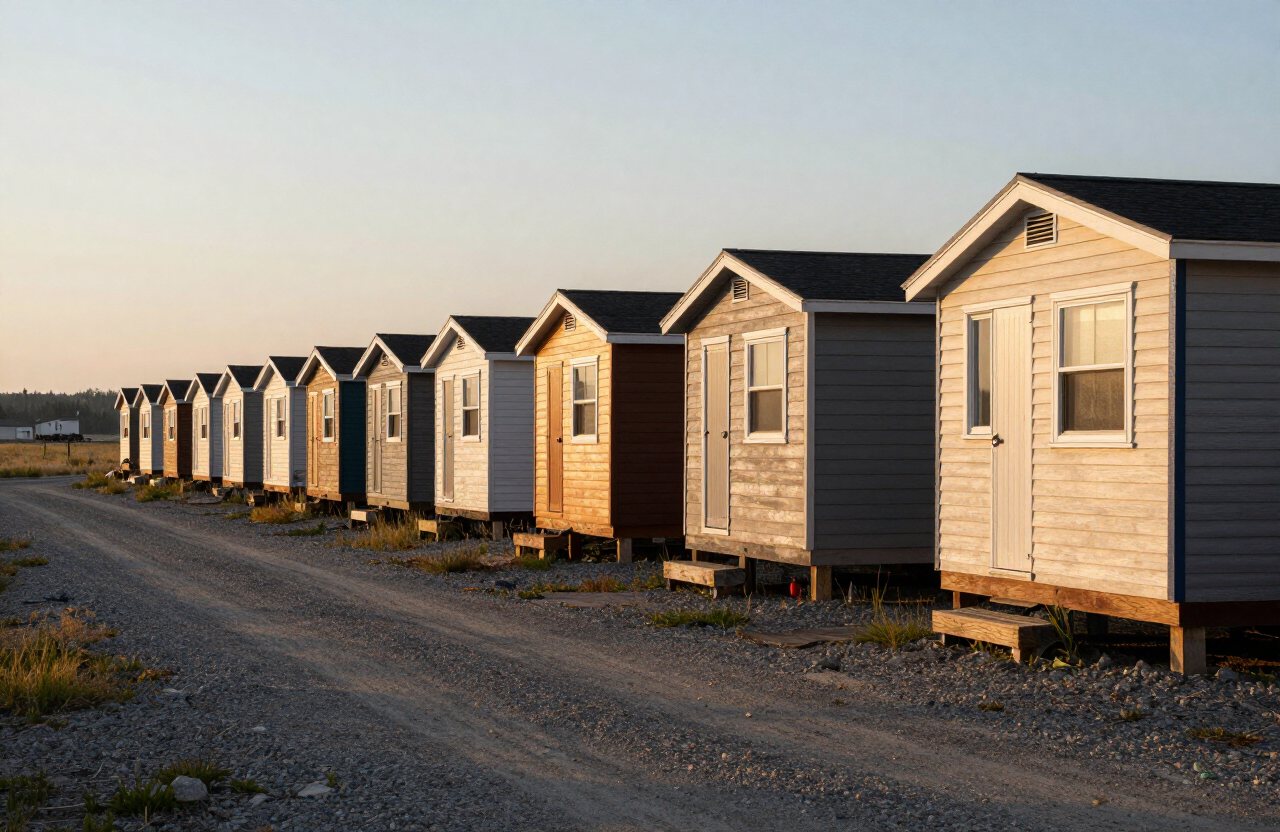
A row of tiny homes arranged along a shared gravel lane in a tiny home community at golden hour

Why community is the point for many

For a lot of tiny home owners, the home is only half the story — the other half is the village around it. Tiny home communities cluster small homes on shared land with common facilities, and they turn what could be an isolating lifestyle into a deeply social one. Residents share gardens, workshops, laundry, and common houses, and they look out for each other in ways that conventional neighborhoods rarely manage. The culture tends toward cooperation, low consumption, and knowing your neighbors by name. It is not for everyone, but for people who want connection more than square footage, a community is where tiny living really shines. Browse

Shared land and lower costs

The economics of a tiny home village start with shared land. Instead of each household buying a separate lot, members lease a pad or buy a share in the land under a cooperative or HOA structure. That makes the cost of entry far lower than buying land solo, and it pools the cost of infrastructure — the road, the well, the septic, the utility hookups — across many households. Shared facilities like a common house, a laundry, and a workshop mean each tiny home can be smaller and cheaper because it does not need to duplicate those functions. The result is a lifestyle that costs less to enter and less to run. See our
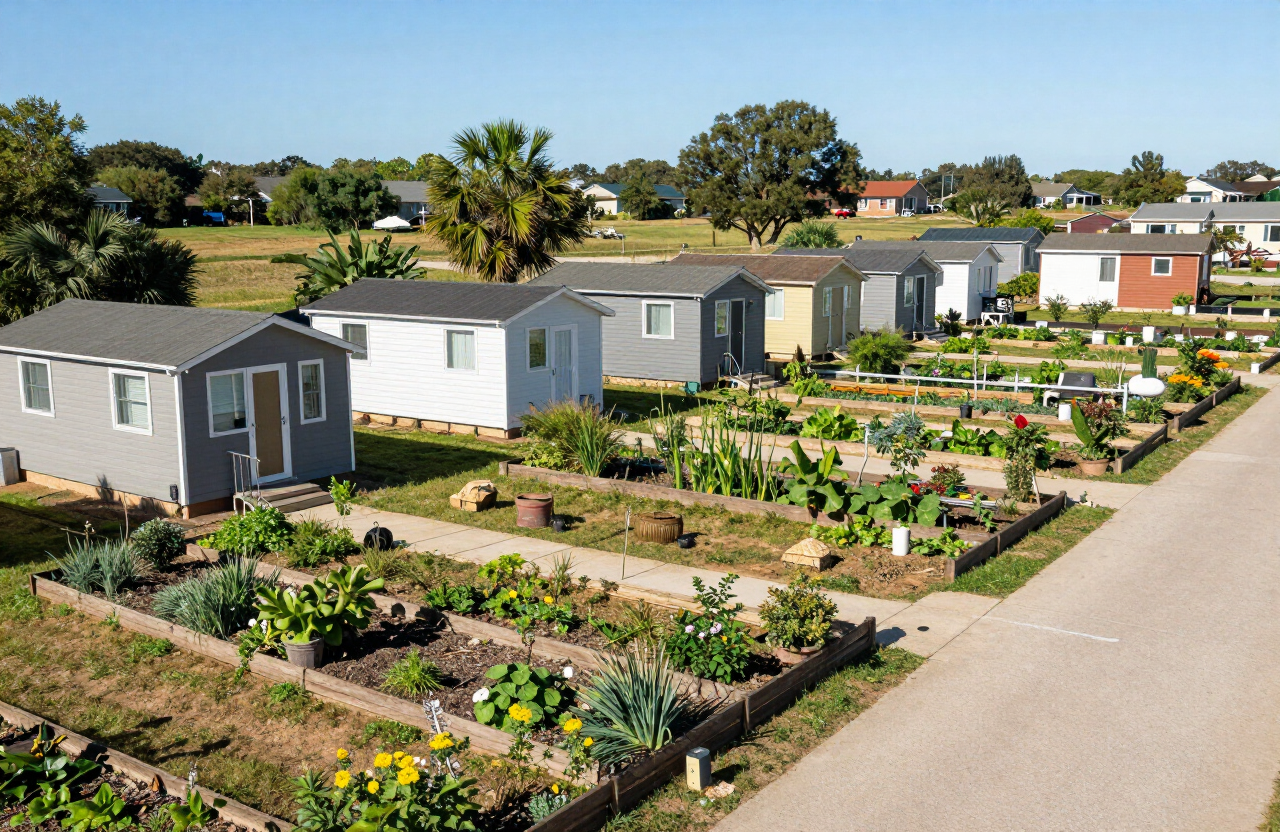
A row of tiny homes sharing a large plot of land with a communal garden and shared driveway for lower costs

Shared gardens and food

A community garden is often the productive heart of a tiny home village. Instead of each household scratching out a few raised beds, members tend a larger shared garden and divide the harvest, which yields more food with less per-person effort. Some villages add fruit trees, a greenhouse, or a chicken coop run on a shared schedule. The garden is also where neighbors work side by side and where the seasons become a shared rhythm rather than a private one. For people used to a conventional neighborhood where you might never speak to the person next door, the shared garden is a quiet revolution in how you eat and who you know.
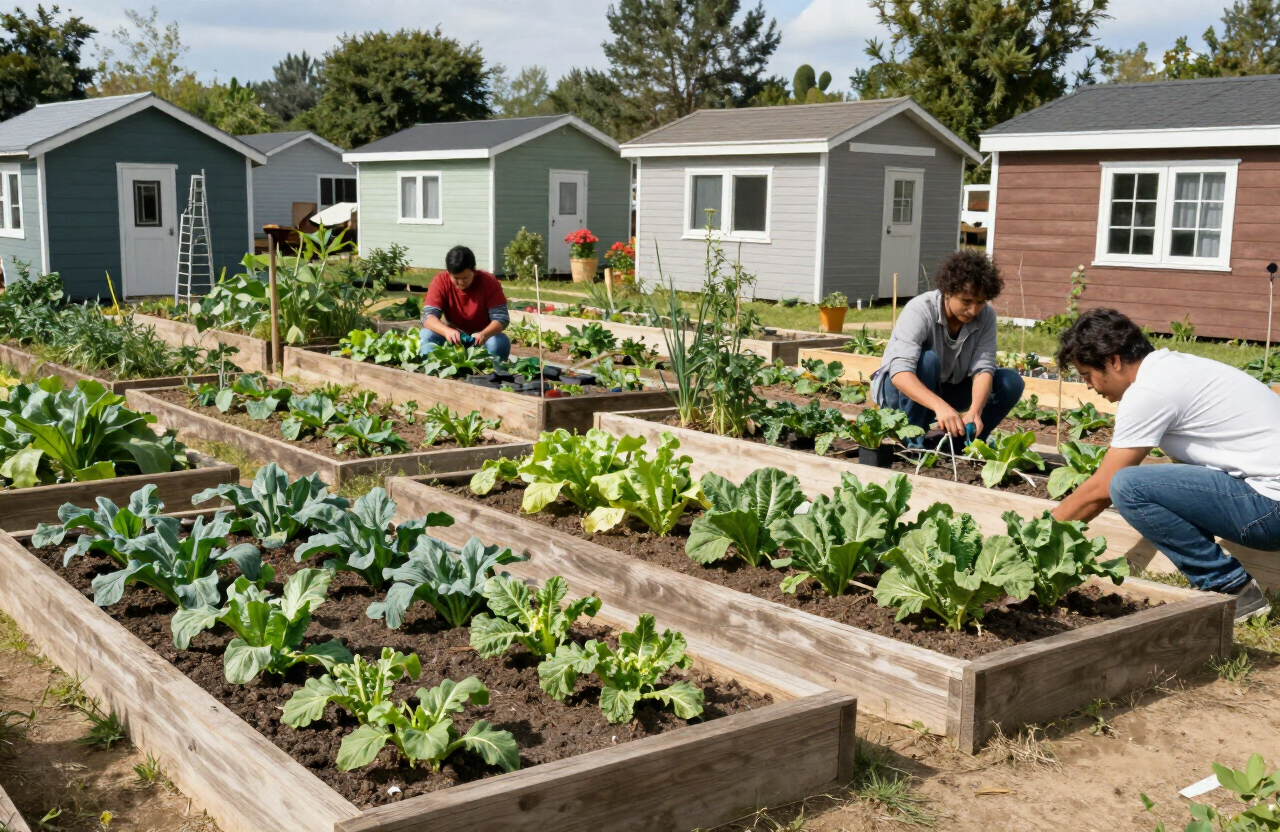
A shared community garden with raised beds and people tending vegetables in a tiny home village on a sunny day

The common house and shared facilities
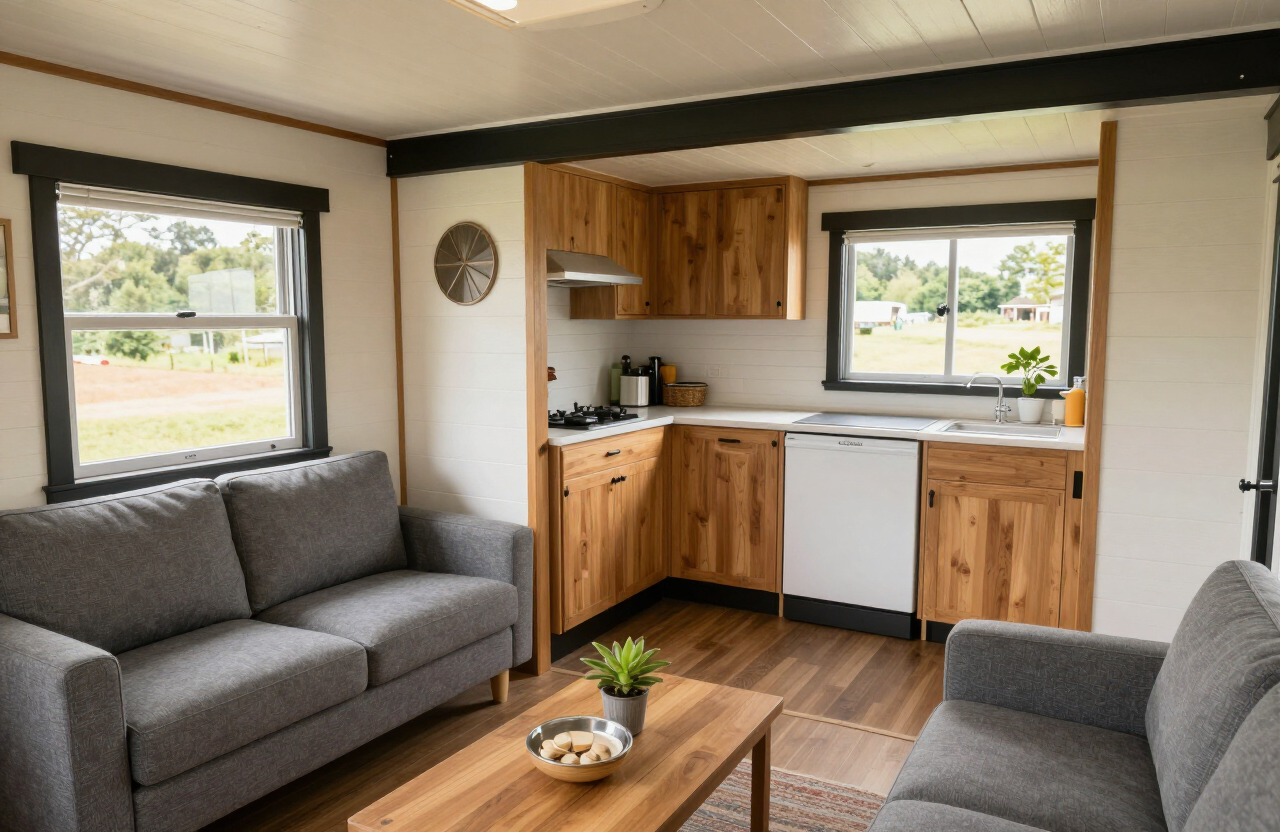
The common house is the social anchor of a well-designed village — a shared building with a kitchen, a dining area, and a lounge where residents eat together, host guests, and hold meetings. Because the common house has the big kitchen and the dining table, each tiny home can skip those functions and stay small. Other shared facilities often include a laundry, a workshop with tools members borrow, a guest room for visitors, and sometimes a sauna or a playroom. The pattern is the same: pool the expensive, occasionally-used spaces, and let the private homes be just the private parts of life. The common house is also where the community's culture is made, meal by meal.
A shared common house with a kitchen and seating area in a tiny home community in natural light

Social connection and mutual support

The benefit most cited by tiny home village residents is simple: they know their neighbors and they help each other. In a conventional suburb, you might go weeks without speaking to the person next door; in a village, you see the same people at the garden, the common house, and the fire pit, and relationships form. That web of acquaintance becomes practical support — a borrowed tool, a watched pet, a meal when someone is sick, an extra set of hands for a project. For older residents, it is a built-in social network that combats isolation. For families, it means kids grow up around trusted adults. The social fabric is the real amenity.
Two neighbors talking on the path between their tiny homes in daylight in neutral tones

Culture: cooperation and low consumption
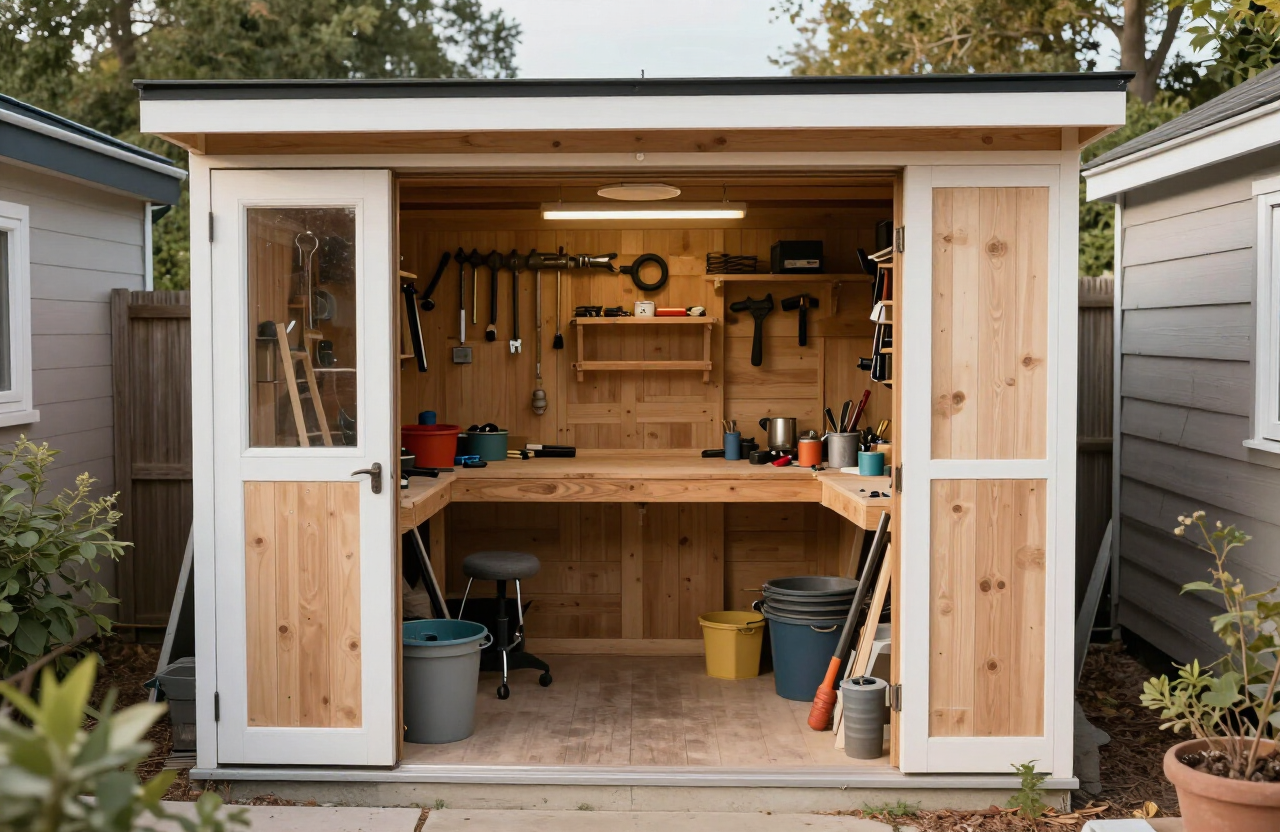
Tiny home villages tend to develop a recognizable culture: cooperative, low-consumption, and intentional. Because homes are small and storage is limited, residents own less and share more — the workshop tools, the garden, the guest room. Decisions about the shared land are made together, often by consensus, which builds a sense of ownership and a tolerance for group process. The culture usually values sustainability, simplicity, and knowing where your food and energy come from. That said, every village has its own personality — some are quiet and private, others are highly social — so visit before you commit and find one whose culture fits yours.
A shared workshop shed with tools in a tiny home community in soft daylight

Gatherings and shared life

The rhythm of gatherings is what makes a village feel alive. A weekly shared meal in the common house, a fire-pit night, a work day in the garden, a seasonal celebration — these recurring events create the structure that turns neighbors into friends. Kids play together in a shared grassy area while adults talk nearby, which gives children a freedom and a social circle that a single isolated tiny home cannot. The gatherings are usually opt-in, so introverts can participate at their own pace, but the option is always there. For many residents, these shared moments are the part they would miss most if they left.
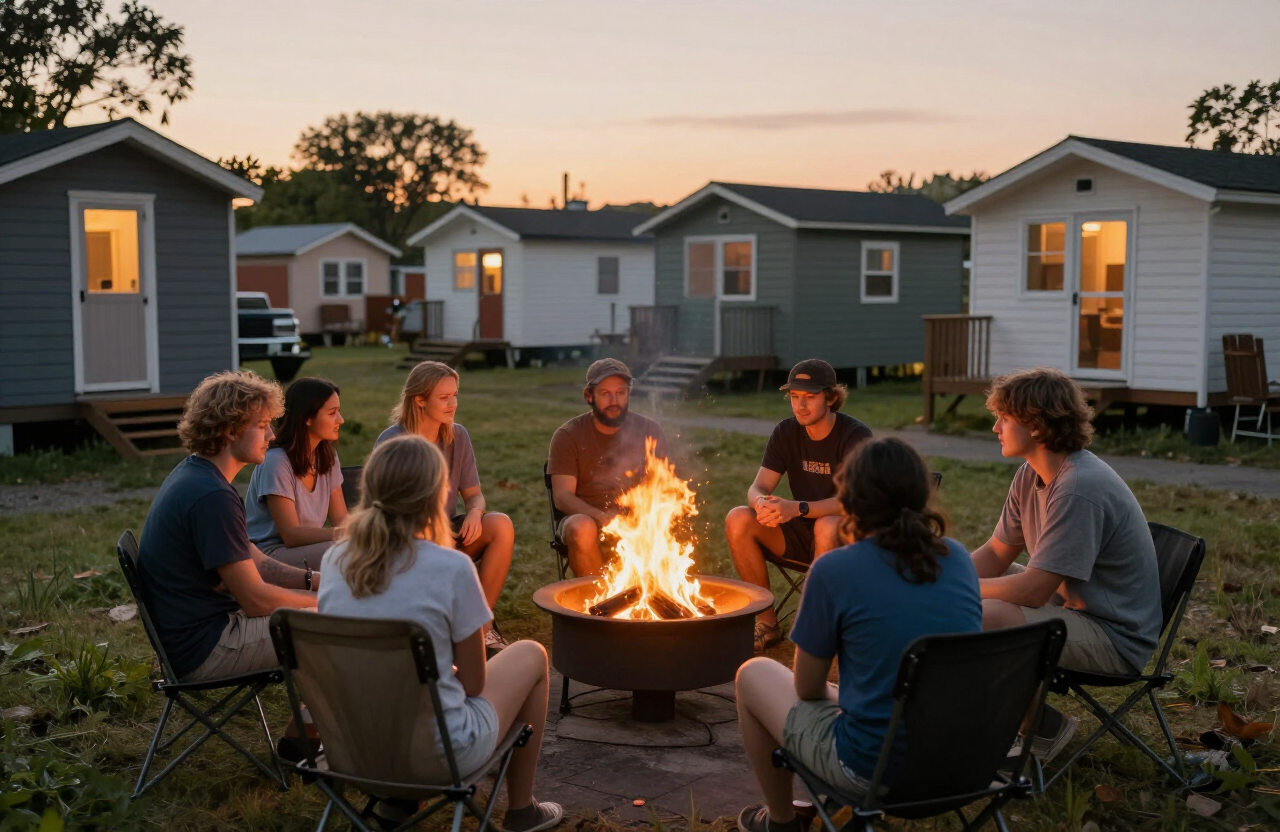
Residents gathered around a community fire pit at dusk in a tiny home village in warm tones

What to look for before you join

Not every village is right for every person, so do your homework before joining one. Visit more than once, including a shared meal or a work day, and talk to current residents about how decisions get made and how conflicts are handled. Read the governing documents — the bylaws, the land lease, the HOA or co-op rules — and understand what you own, what you lease, and what the exit process is. Ask about the shared facilities, the monthly fees, the guest policy, and any restrictions on home size or style. Check the zoning and whether full-time residency is legal. A good match is wonderful; a poor one is stressful, so choose with your head as well as your heart. See our cohousing comparison for ownership models.
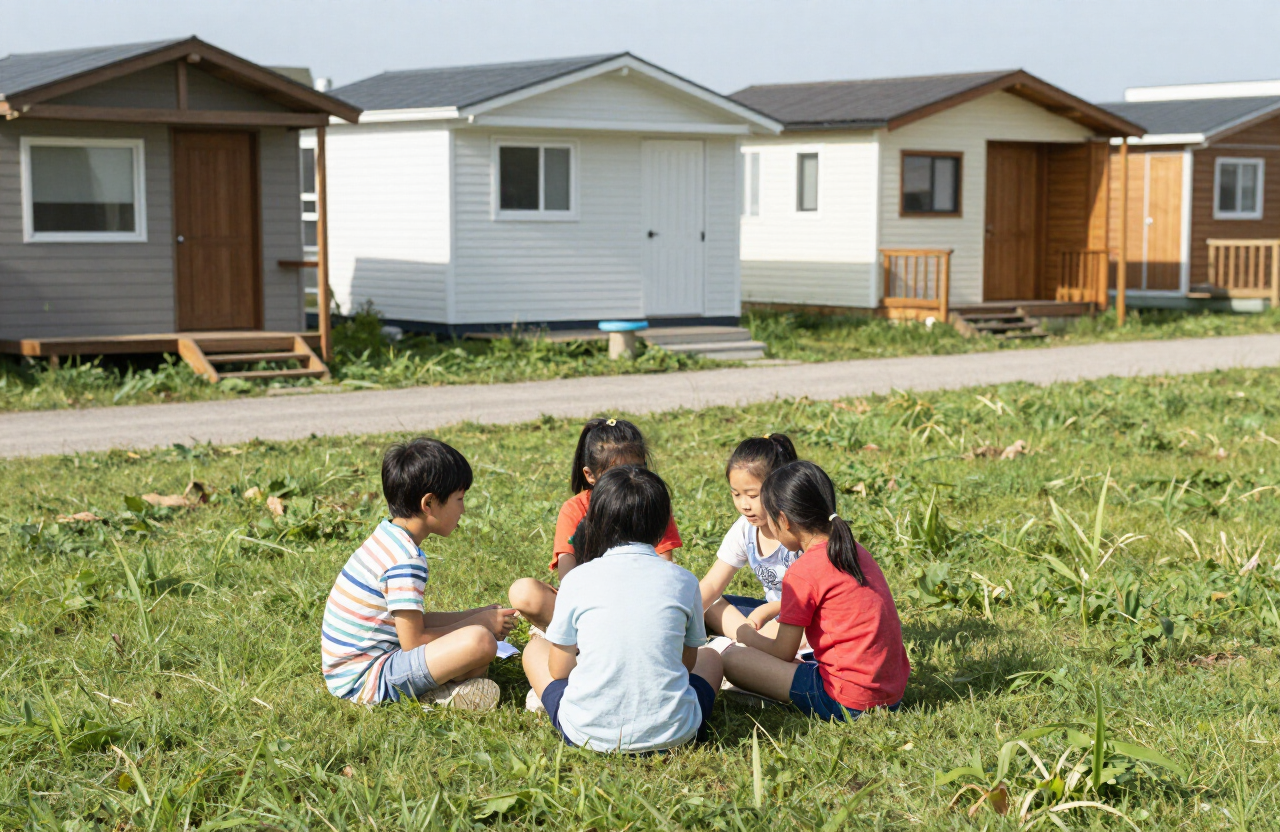
Children playing together in a shared grassy common area of a tiny home community on a sunny day

Community benefits at a glance

BenefitHow a village delivers it
Lower costShared land and pooled infrastructure
Smaller homesCommon house, laundry, workshop shared
FoodShared garden and orchard
ConnectionDaily contact, shared meals, gatherings
SupportBorrowed tools, watched pets, meals
CultureCooperation, low consumption, intention

Putting it all together

A tiny home community turns a small house into a rich life by sharing land, facilities, and daily life with neighbors. The economics work because land and infrastructure are pooled, the homes stay small because the common house carries the big functions, and the social fabric is built through shared gardens, meals, and gatherings. Visit before you commit, read the governing documents, and find a village whose culture fits yours. Ready to explore villages? Browse tiny home communities, look at tiny homes for sale within them, or compare builders who work with villages.

Related articles

More guides that dig deeper into the same topics.

Frequently asked questions

What is a tiny home community?+

A tiny home community is a group of small homes clustered on shared land with common facilities like a garden, a common house, a laundry, and a workshop. Residents lease a pad or buy a share in the land and share the cost of infrastructure and amenities, which lowers the cost of entry and builds social connection.

Are tiny home communities cheaper than living alone?+

Usually yes. Shared land and pooled infrastructure — the road, well, septic, and utilities — spread costs across many households, and shared facilities like a common house and workshop let each tiny home be smaller and cheaper. Members pay a monthly fee, but it is often less than solo land and duplicate facilities.

What is a common house in a tiny home village?+

A common house is a shared building with a kitchen, dining area, and lounge where residents eat together, host guests, and hold meetings. Because it carries the big kitchen and dining table, each tiny home can skip those functions and stay small. It is also where the community's culture forms, meal by meal.

How do tiny home communities make decisions?+

Most use some form of consensus or majority vote among members, governed by bylaws or co-op rules. Decisions about shared land, facilities, and fees are made together, which builds ownership but requires tolerance for group process. Read the governing documents and ask current residents how it works before joining.

Is a tiny home community good for families with kids?+

Often very good. Shared grassy common areas give kids a safe place to play and a built-in social circle of other children and trusted adults, and the shared garden and gatherings create a rich daily life. The trade-off is less private yard space, so it suits families who value community over a big private lot.

What should I check before joining a tiny home village?+

Visit more than once, including a shared meal or work day, and talk to residents about decision-making and conflict handling. Read the bylaws, land lease, and rules to understand what you own, the monthly fees, the guest policy, and the exit process. Confirm the zoning allows full-time residency before you commit.

Ready to start searching?

Browse tiny homes, plans, builders, communities and land on the interactive map.

Explore the map
>