Lifestyle & Community

Tiny Home Communities Worldwide: Global Living

13 min read · Updated March 13, 2026

By John

The tiny home movement is global, and every region brings its own flavor to small-footprint community living. Here is a tour of tiny home communities worldwide and what we can learn from each.
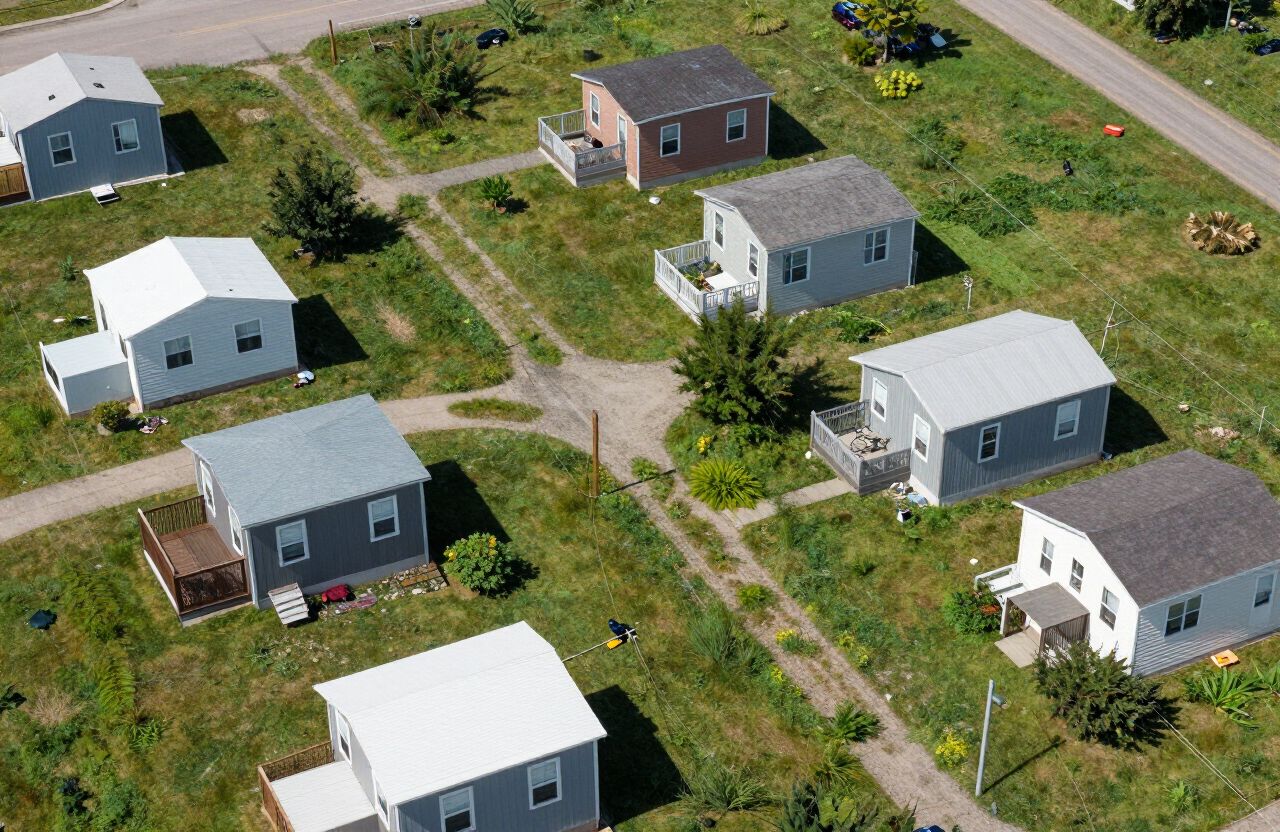
Aerial view of a tiny home community with several small houses arranged around a shared green space

A movement without borders

The tiny home movement is often framed as an American phenomenon, but it is genuinely global — driven everywhere by the same forces of housing cost, environmental concern, and a desire for simpler living. What changes between regions is the form: a US tiny house on wheels, a European eco-village of small cabins, a Japanese compact home built to local codes, an Australian off-grid tiny dwelling. Tiny home communities worldwide share a common thread of shared space and intentional living, even as the buildings adapt to local law and climate. Browse communities and land to find options near you.

North America: the THOW and the village
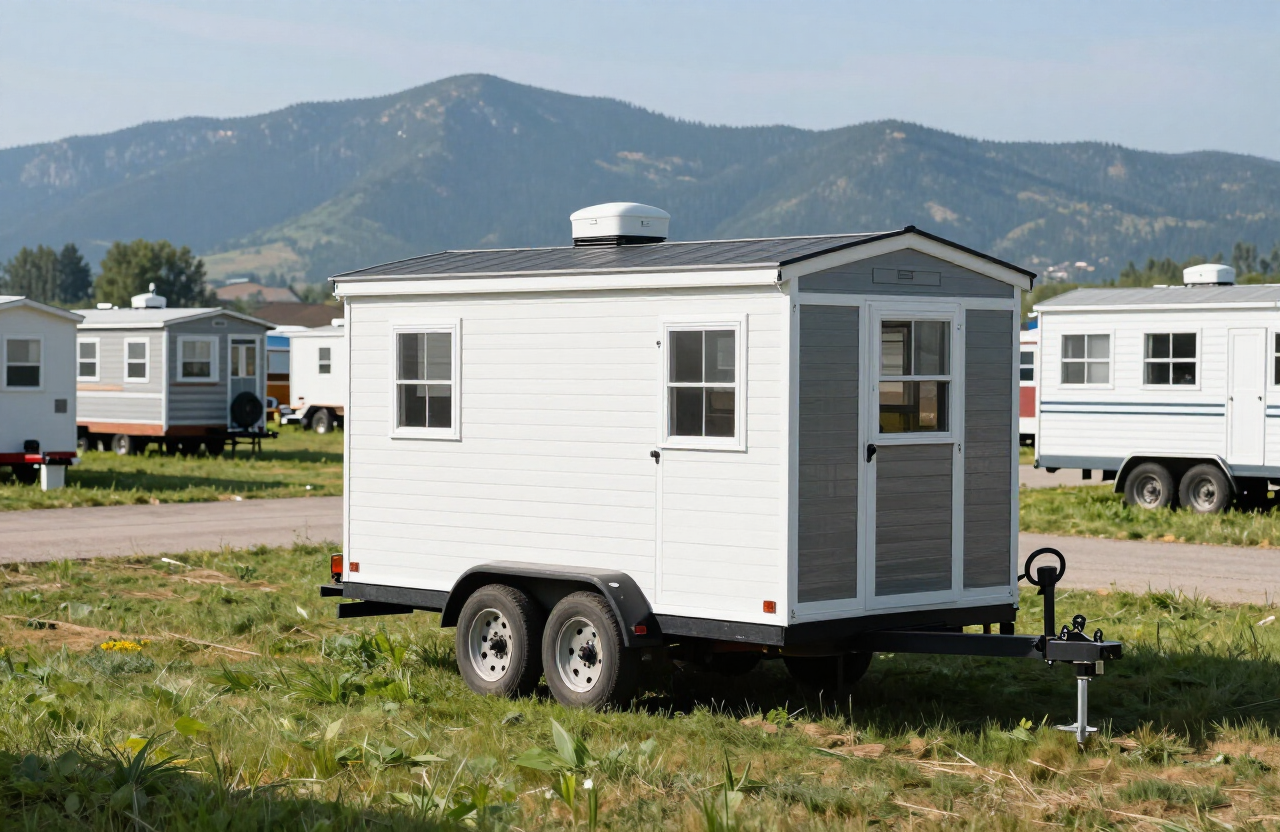
North America is the heartland of the tiny house on wheels, born from a combination of restrictive zoning and a culture of mobility. Communities here range from rural THOW villages with leased pads and a shared common house to urban pocket communities tucked into city lots. The US faces a patchwork of state and county rules — some places welcome tiny homes, others ban full-time living in a THOW — so communities often form in the welcoming zones. Canada has a growing eco-village scene, especially in British Columbia and Quebec, where small cabins cluster around shared land. See our
A tiny house on wheels parked in a North American tiny home village with other small homes and shared green space

Europe: eco-villages and cohousing

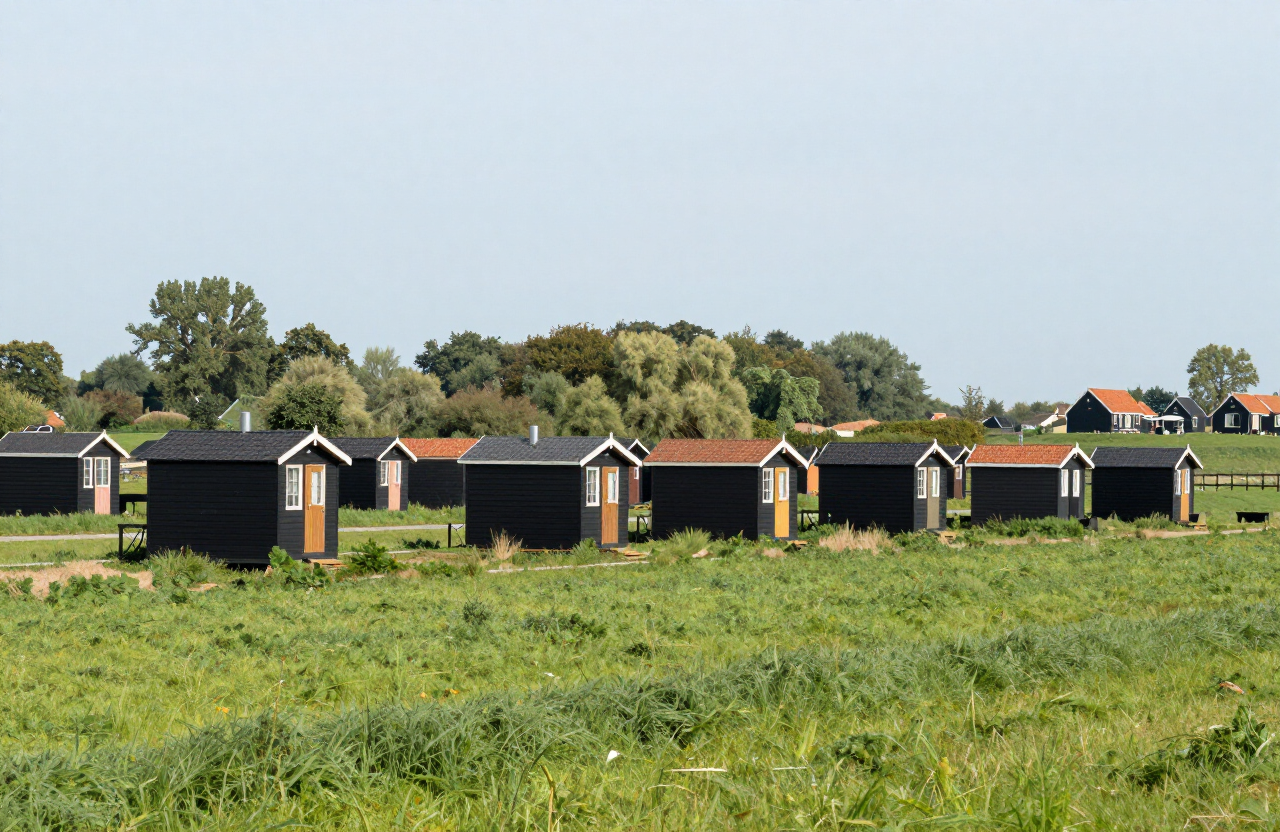
Europe's tiny home scene leans less toward wheels and more toward eco-villages and cohousing — intentional communities of small, low-impact homes with a strong shared-resource ethic. The Netherlands, Germany, and the UK have thriving examples, from small-footprint cabin clusters in the countryside to urban cohousing projects where private tiny homes sit alongside a shared common house, workshop, and garden. European communities often emphasize sustainability — renewable energy, shared tools, composting — and benefit from planning frameworks in some countries that explicitly support low-impact development. The result is small-footprint living with a strong social fabric.
European tiny home community with small wooden cabins in a green field in the Netherlands countryside

Australia and New Zealand: off-grid and resilient
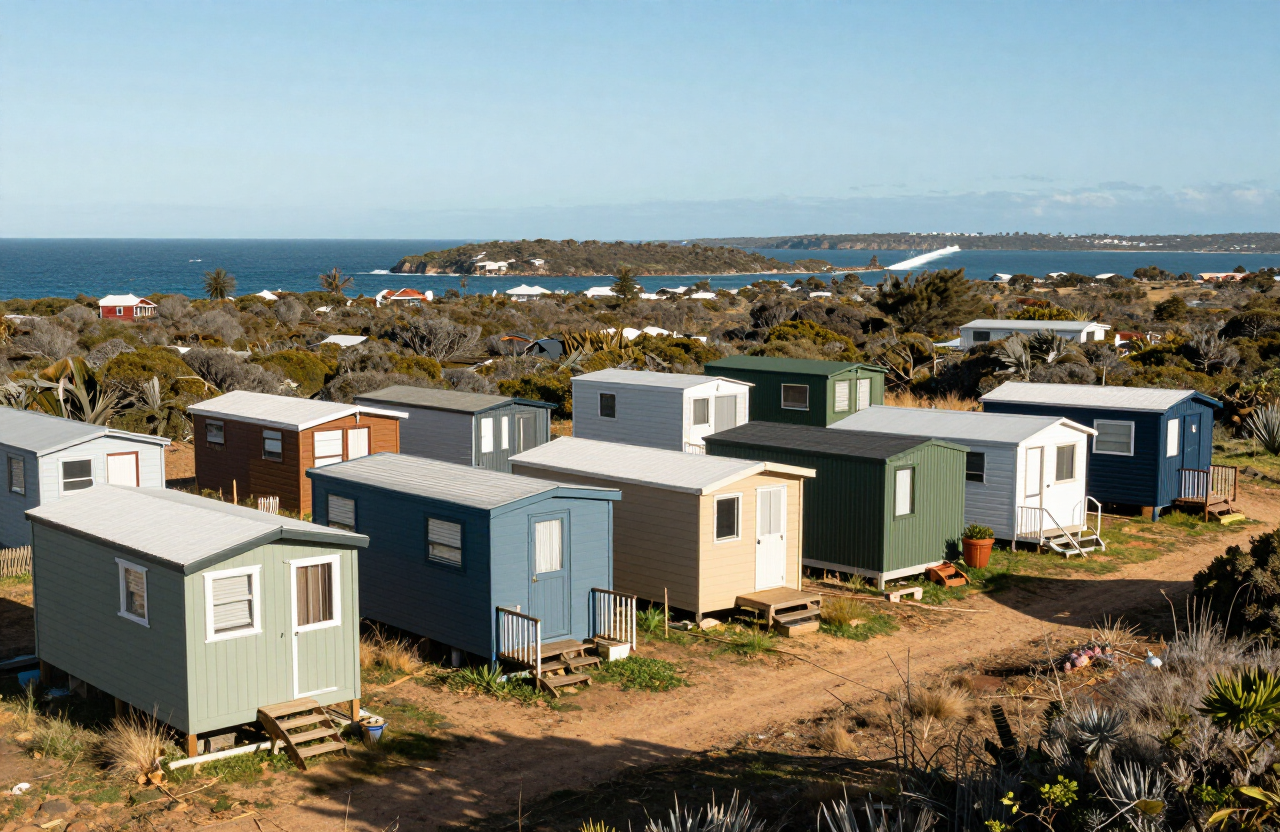
Australia and New Zealand have embraced tiny homes as a response to high urban housing costs and vast rural land where off-grid living is practical. Australian communities range from suburban granny-flat arrangements to remote off-grid tiny home clusters in the bush, often built for bushfire resilience and water independence. New Zealand's relaxed building consent for small, relocatable homes has made tiny communities accessible, and the country's eco-village movement is strong. The regional flavor is rugged self-sufficiency paired with strong community — shared water tanks, solar arrays, and a neighbor network that matters when the nearest town is hours away.
Australian tiny home community in a sunlit coastal landscape with small off-grid cabins

Japan: compact living as a tradition

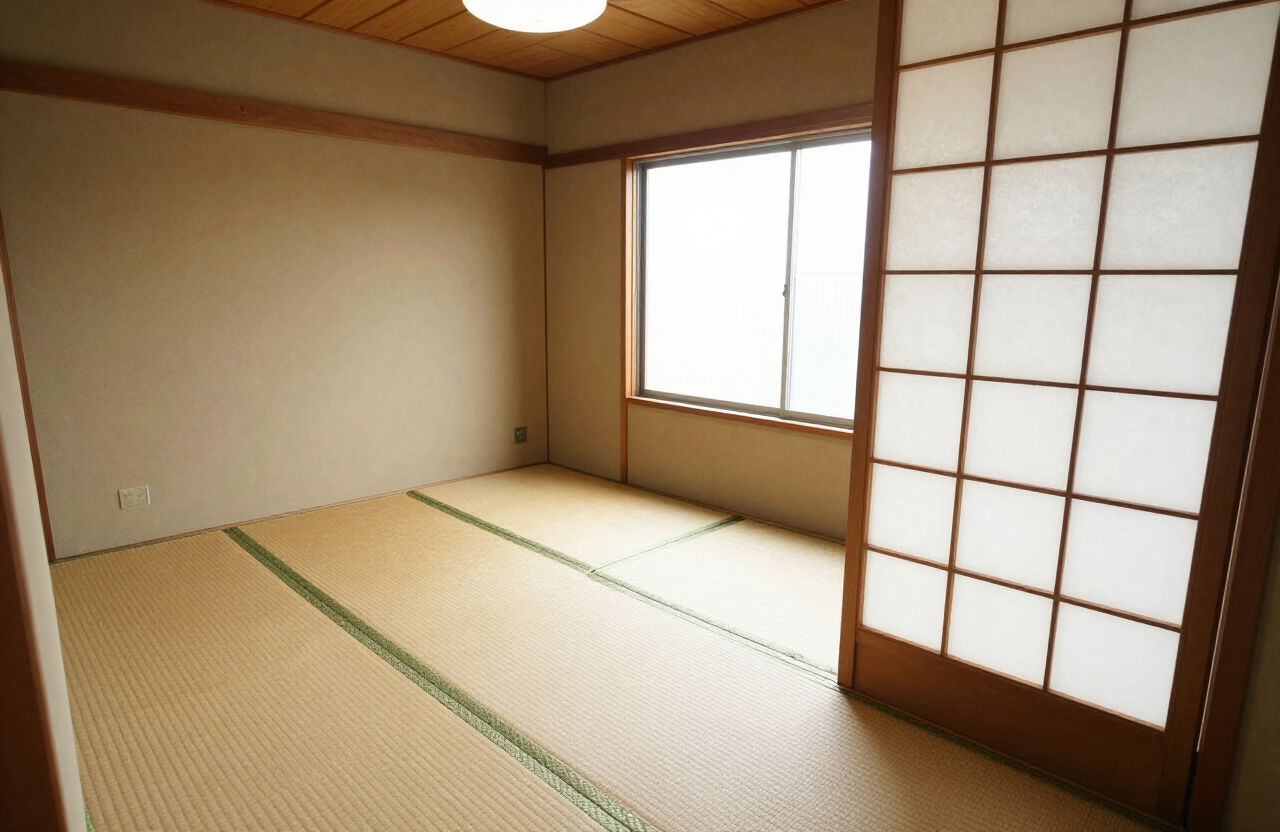
Japan brings a unique perspective because compact living is not a movement there — it is a centuries-old tradition shaped by dense cities, small plots, and a cultural comfort with small spaces. Modern Japanese tiny homes and micro-houses push design ingenuity to extremes, with multi-level lofts, sliding screens, and built-in storage that make 300 square feet feel generous. Community forms are more urban — share houses and small-lot neighborhoods — than the rural villages common elsewhere. The global tiny home movement draws heavily on Japanese design principles of simplicity, natural materials, and respect for empty space. See our
Compact Japanese-inspired tiny home interior with tatami mat, shoji screen, and minimal furnishings

The shared common house

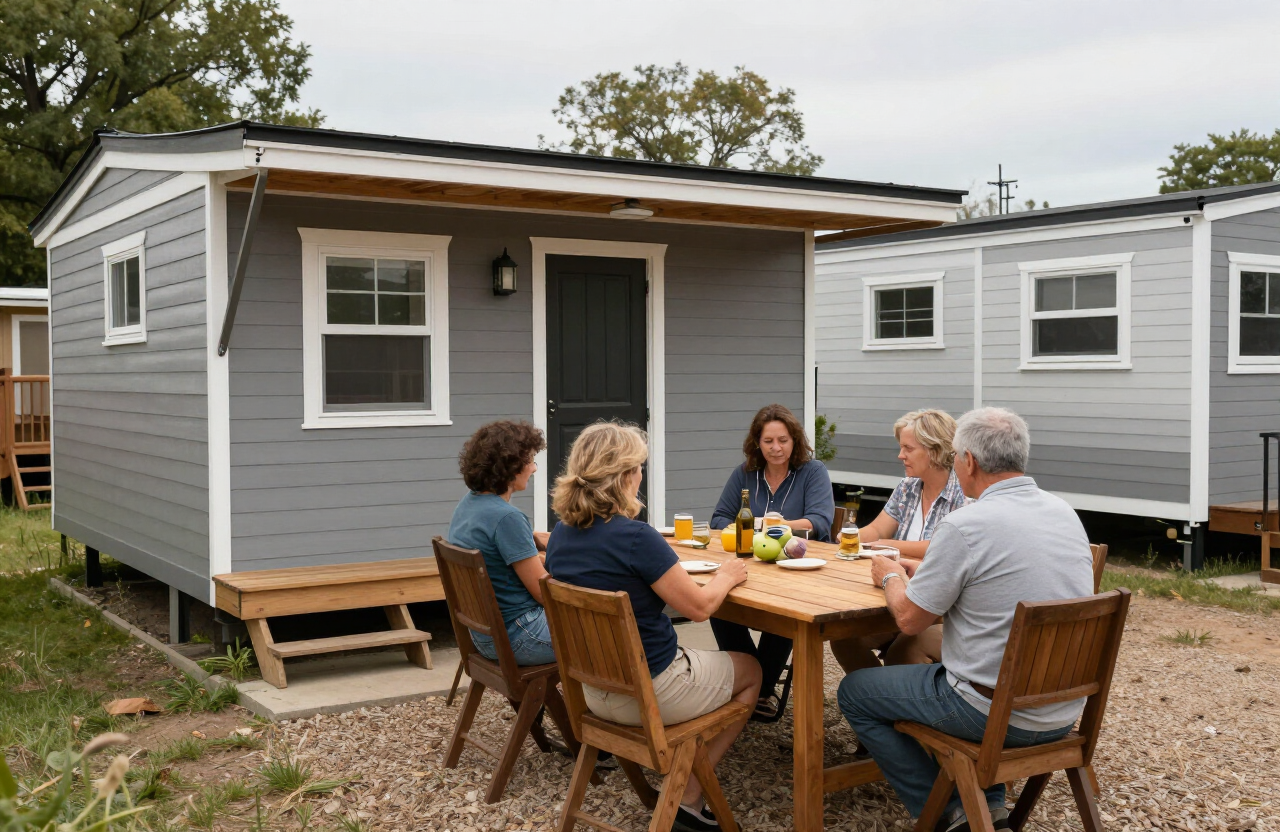
Across regions, the feature that defines a tiny home community is the shared common house. Because private tiny homes are too small for big gatherings, laundry, or a workshop, the common house provides the space a single tiny home cannot — a communal kitchen and dining room for shared meals, a laundry, a workshop, guest rooms, and a place for meetings and celebrations. The common house is what turns a collection of small homes into a community, and it is the single biggest factor in whether a village feels connected or isolated. Tour any community and look at how its common house is used.
Shared common house in a tiny home community with a long dining table and neighbors gathered for a meal

Shared land, gardens, and resources

Beyond the common house, shared land and resources are what make tiny community living affordable and sustainable. A community garden grows food and builds relationships, shared tools and a workshop replace individual ownership, and shared solar or water systems lower everyone's cost. Land is often held collectively — through a co-op, a land trust, or a master lease — so individuals buy or rent their home but not the lot, keeping entry costs low. This shared infrastructure is the economic case for community: together, residents afford what none could alone. Browse communities and land for examples.
Tiny home eco-village in a forested setting with small cabins along a shared path and a community fire pit

Diversity and inclusion in global communities
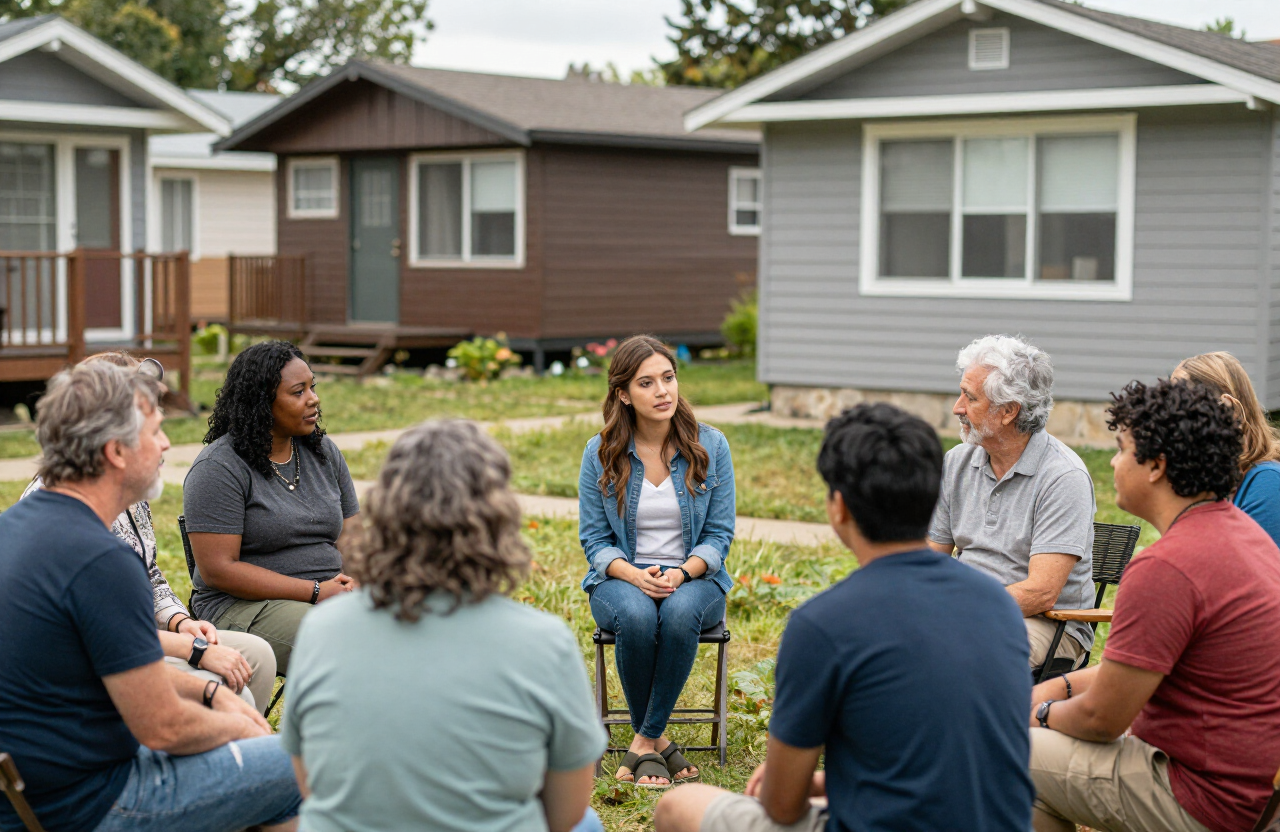
The most successful tiny home communities worldwide are deliberately diverse — across age, background, and household type — because diversity is what makes a community resilient and interesting. Intentional communities that screen only for one demographic tend to stagnate, while those that welcome retirees, young families, and singles together thrive. Global communities also show that tiny living is not one culture's idea: it shows up in eco-villages in Europe, off-grid clusters in Australia, urban share houses in Japan, and THOW villages in North America, each adapted to local needs. The movement's strength is that it looks different everywhere and works anyway.
Diverse group of tiny home community residents of different ages and backgrounds chatting outdoors between homes

Regional approaches at a glance

RegionTypical formDefining feature
North AmericaTHOW villages, pocket communitiesMobility, patchwork zoning
EuropeEco-villages, cohousingShared resources, sustainability
Australia / NZOff-grid bush clustersResilience, self-sufficiency
JapanUrban micro-houses, share housesCompact-living tradition

Learning from the global movement

The global tiny home movement is a library of ideas — European shared resources, Australian off-grid resilience, Japanese compact design, North American mobility. No single region has the answer, but each has lessons worth borrowing for your own home or community. Whether you join an existing village, start one, or simply design your own tiny home with the world's best ideas in mind, the global movement shows that small-footprint living is not a sacrifice but a choice with a worldwide community behind it. Ready to explore? Browse communities and land, compare builders, or look at off-grid homes from around the world.

Related articles

More guides that dig deeper into the same topics.

Frequently asked questions

Are tiny home communities only in the United States?+

No. The tiny home movement is global, with thriving communities in Europe (eco-villages and cohousing), Australia and New Zealand (off-grid clusters), Japan (urban micro-houses), and Canada. Each region adapts tiny living to its own laws, climate, and culture.

What is a tiny home common house?+

A shared building in a tiny home community that provides space a single tiny home cannot — a communal kitchen and dining room, laundry, workshop, guest rooms, and meeting space. The common house is what turns a collection of small homes into a connected community.

How do European tiny home communities differ from US ones?+

European communities lean toward eco-villages and cohousing — small permanent cabins with strong shared resources and a sustainability focus — while US communities often center on tiny houses on wheels, shaped by mobility and a patchwork of zoning rules.

Can you live off-grid in a tiny home community?+

Yes, especially in Australia, New Zealand, and rural North America, where communities share solar arrays, water tanks, and septic systems. Shared off-grid infrastructure lowers the cost and complexity that an individual off-grid tiny home would bear alone.

How is land owned in a tiny home community?+

Land is often held collectively — through a co-op, a community land trust, or a master lease — so individuals buy or rent their home but not the lot. This keeps entry costs low and protects the community from individual land sales. Some communities sell individual lots instead.

What makes a tiny home community successful?+

A well-used common house, shared resources and land, deliberate diversity across age and background, clear governance, and a shared purpose. Communities that welcome a mix of retirees, families, and singles tend to thrive, while those built around a single demographic often stagnate.

Ready to start searching?

Browse tiny homes, plans, builders, communities and land on the interactive map.

Explore the map
>