Family Living in Tiny Homes: Raising Kids Small
13 min read · Updated March 6, 2026
By John
Families do live in tiny homes — and many thrive. The secret is treating the indoors as one part of a bigger life that spills into the outdoors, the community, and a set of routines that keep a small space calm.
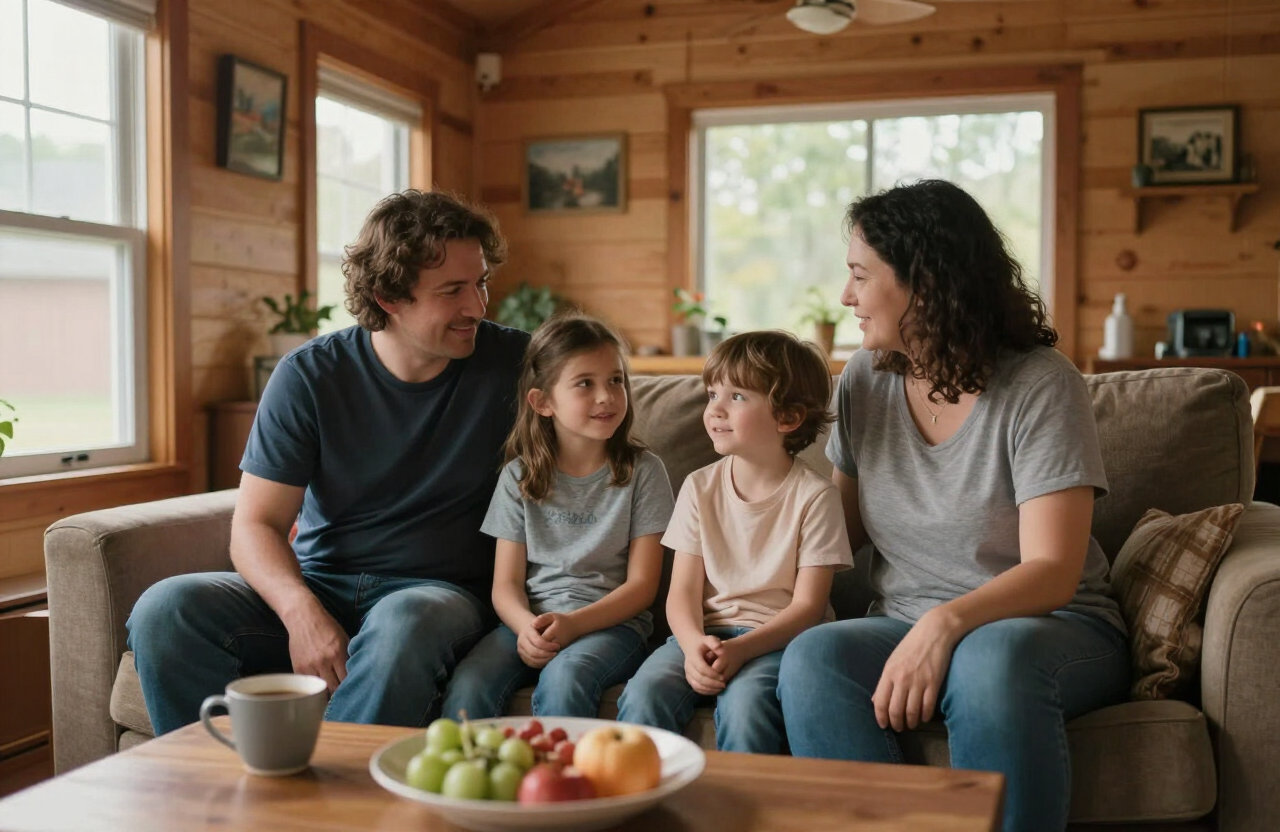
Can a family really live in a tiny home?
Choosing a family-friendly layout
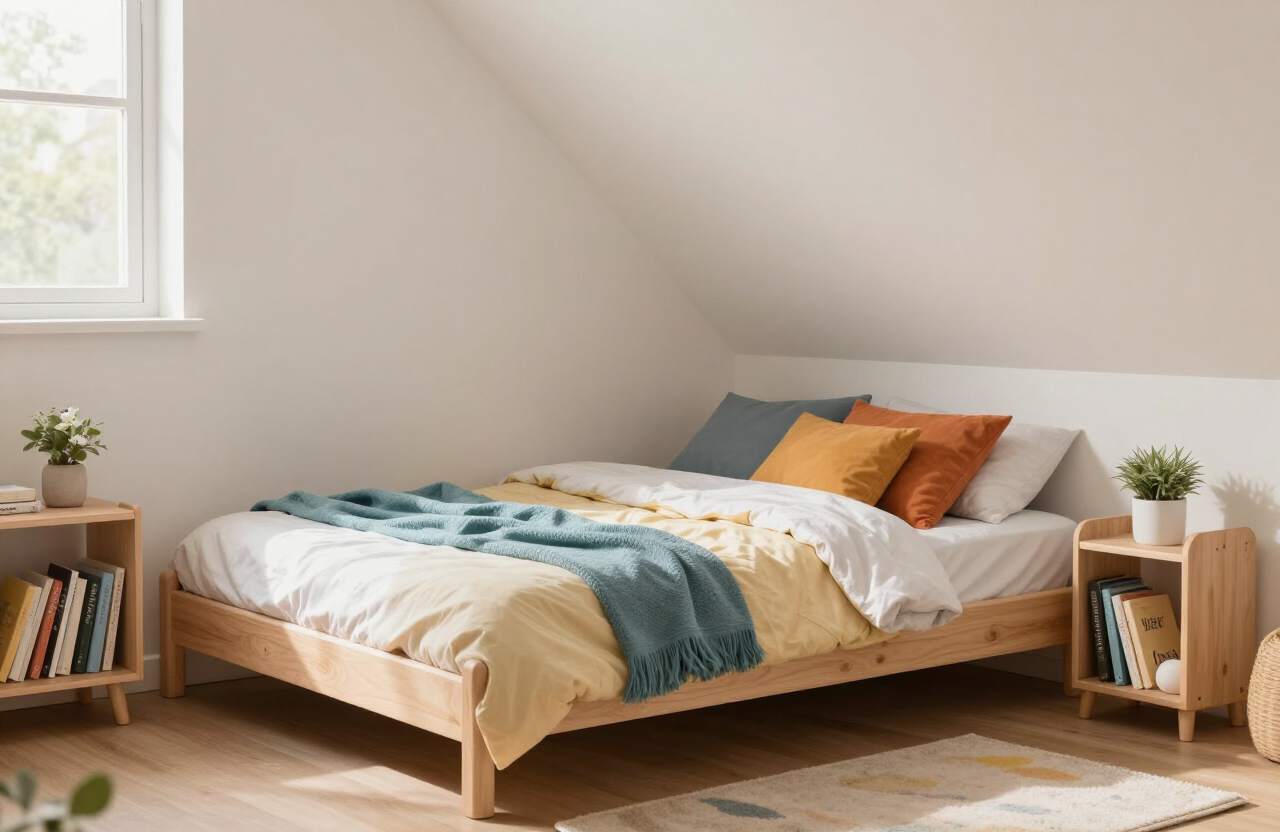
Sleeping arrangements that grow
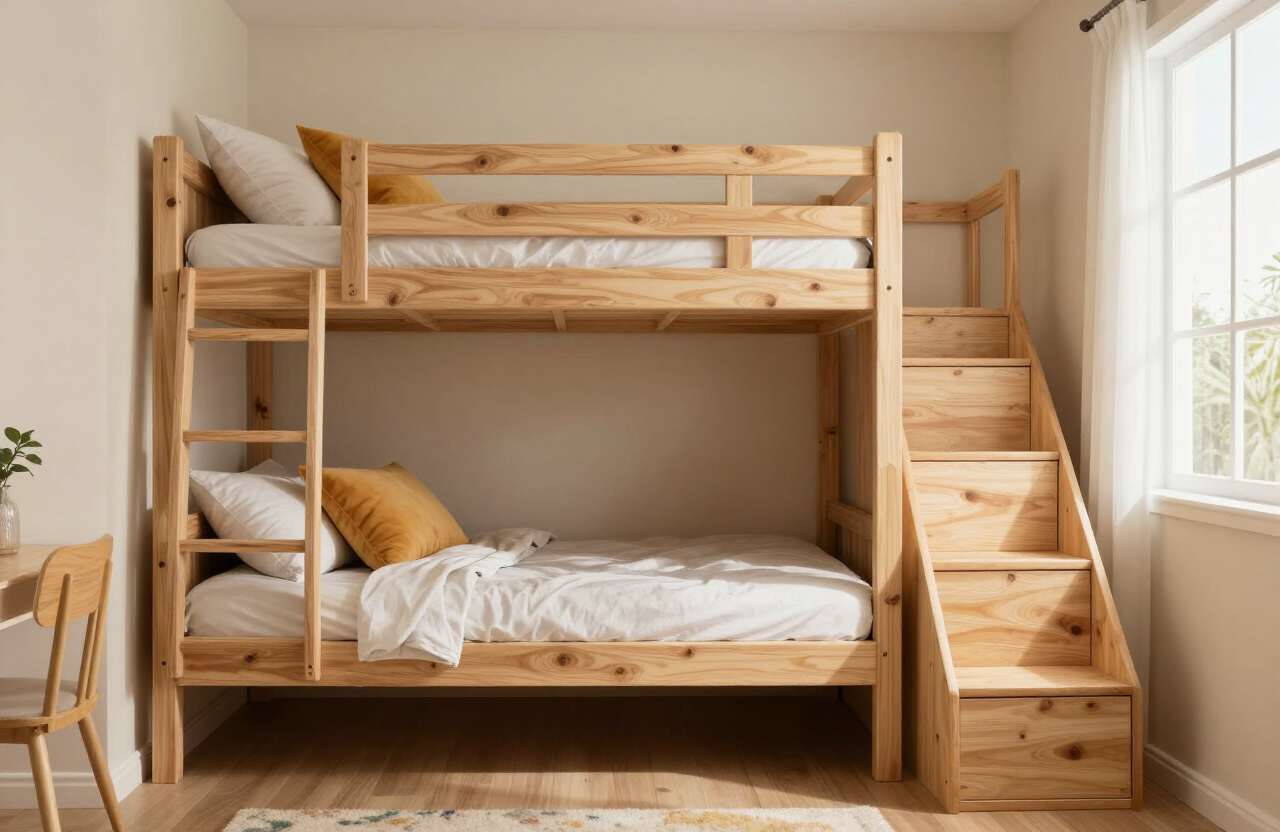
Storage and belongings with kids

Daily routines that keep the peace

The outdoors as a second room
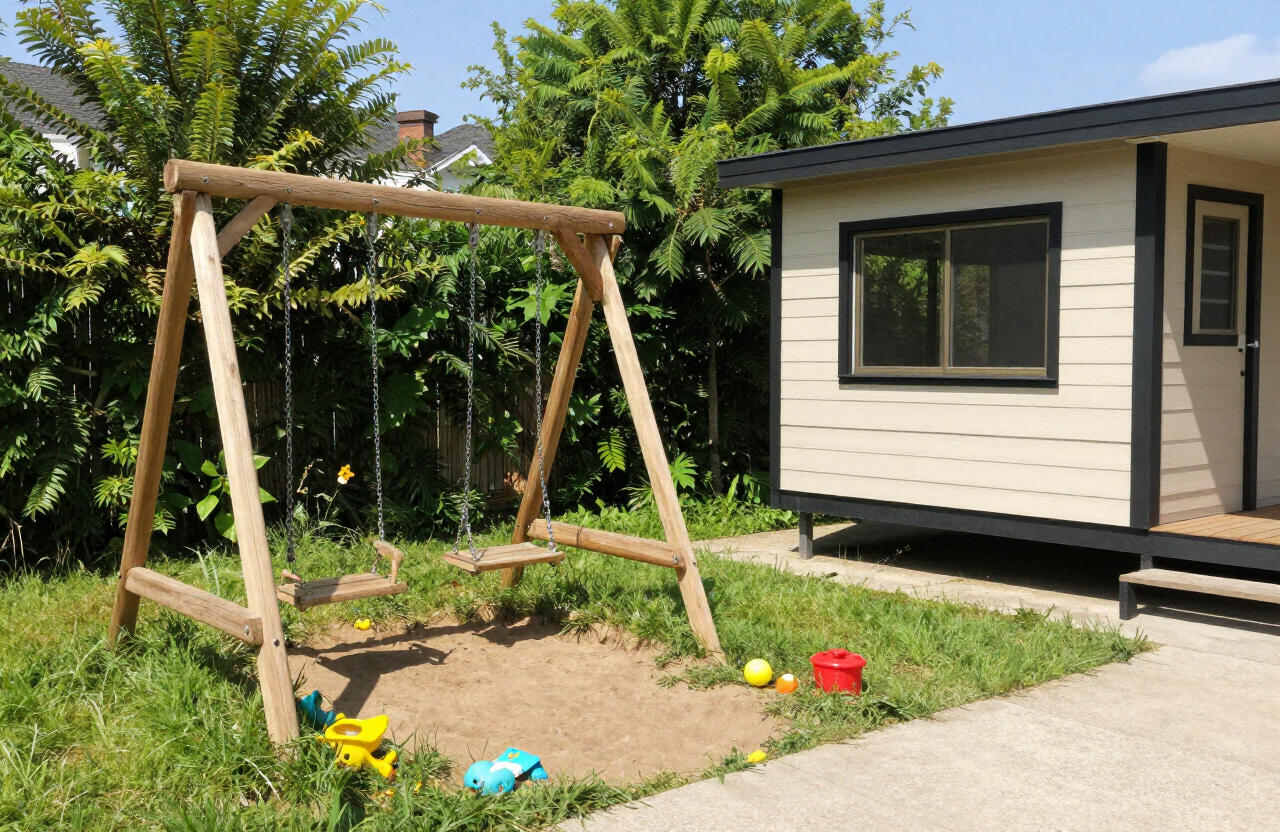
Family tiny home considerations
| Need | Solution |
|---|---|
| Kids privacy | Loft bedroom with curtain or rail |
| Parents access | Main-floor bed, no night ladder climbs |
| Belongings | Labeled bins per child, toy rotation |
| Play space | Yard, deck, community common area |
| Quiet time | Daily reset, quiet-hour rule, headphones |
| Schoolwork | Shared table that clears to a desk |
Putting it all together
Related articles
More guides that dig deeper into the same topics.
Frequently asked questions
Can a family of four live in a tiny home?+
Yes. Families of four live comfortably in tiny homes from about 300–400 sq ft when the layout includes a kids loft, a main-floor parent bed, and strong storage. The lifestyle relies more on outdoor and community space than on indoor square footage, so a yard or a community common area matters.
Where do kids sleep in a tiny home?+
Most families use a loft bedroom for kids, with bunk beds or a low single bed and a rail on the edge. Parents usually sleep on the main floor so no one climbs a ladder at night. Avoid permanent built-in kids beds — choose beds they can outgrow and replace.
How do you handle toys in a tiny home with kids?+
Give each child labeled bins or cubbies and rotate toys so only a portion is out at once. Practice one-in-one-out before birthdays and holidays, and store out-of-season clothes and hand-me-downs in under-bed bins. When storage is built-in and labeled, kids learn to manage their own belongings.
Is a tiny home too small once kids become teenagers?+
It can be, which is why adaptability matters. Some families move to a slightly larger tiny home or add an outdoor room as kids grow. Others find teenagers, who prize privacy, do well with a dedicated loft and a clear quiet-hour agreement. Reassess the layout as needs change.
How do kids in tiny homes socialize?+
Often more broadly than in conventional homes, because families rely on parks, libraries, community gardens, and shared community spaces. In a tiny home village, shared common areas and other children create instant social fabric, and kids tend to be comfortable across age groups.
What layout works best for a tiny home family?+
One open living area that can subdivide with a curtain or pocket door, a kids loft, a main-floor parent bed, and a locking main-floor bathroom. The best family layouts feel like one big room that can subdivide on demand rather than a set of tiny compartments.
Ready to start searching?
Browse tiny homes, plans, builders, communities and land on the interactive map.
Explore the map
Social life and community