Legal & Zoning

Zoning Laws and Tiny Homes: What You Need to Know

11 min read · Updated February 25, 2026

By John

The single biggest barrier to tiny home living is not cost or design — it is finding a legal place to put one. Here is how zoning laws treat tiny homes and how to find a spot where yours is allowed.
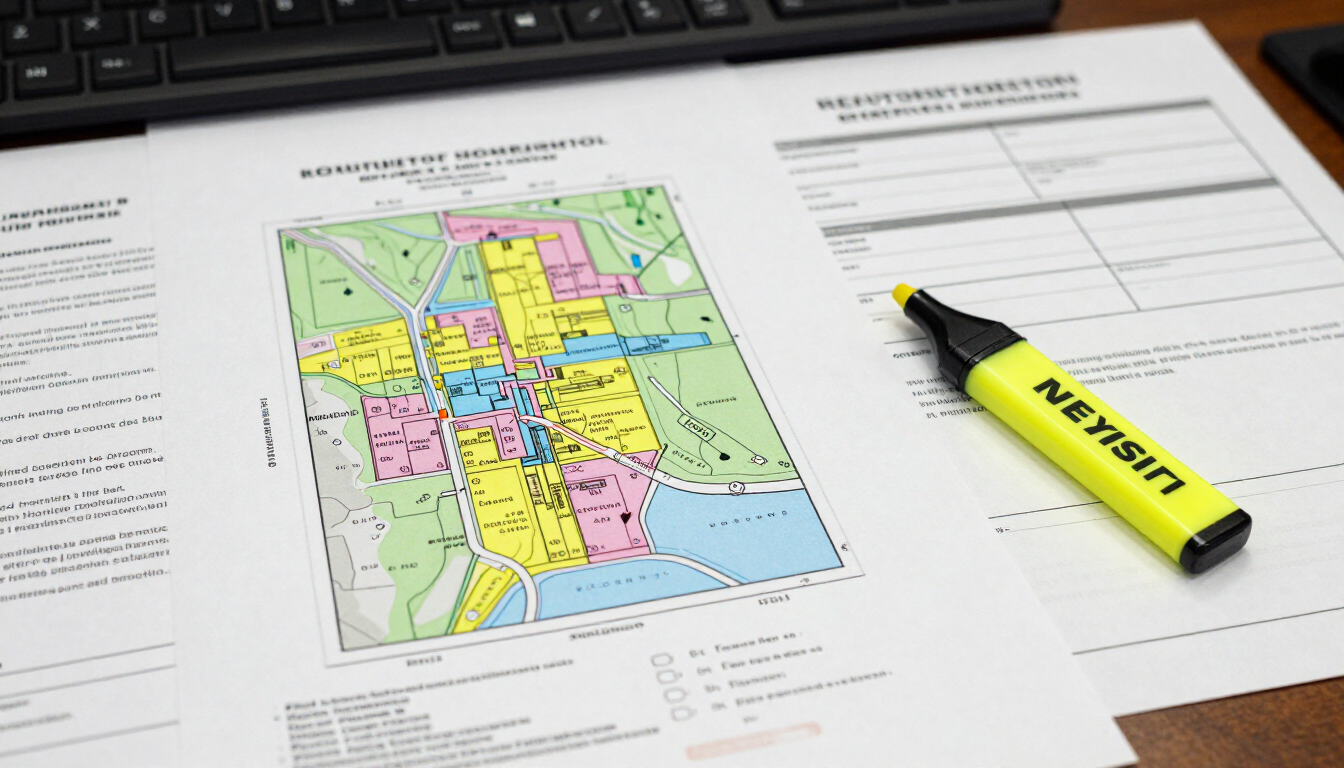
Zoning map documents and permit paperwork spread on a desk with a highlighter

Why zoning is the first question, not the last

You can design the perfect tiny home and finance it cleanly, but if you cannot legally park it anywhere, none of that matters. Zoning laws decide what can be built where, how small a dwelling can be, and whether a home on wheels counts as a residence or a vehicle. These rules vary not just country to country but county to county and even lot to lot, which is why there is no single answer to 'are tiny homes legal?' The honest answer is always 'it depends on your local jurisdiction.'

How zoning treats different kinds of tiny homes
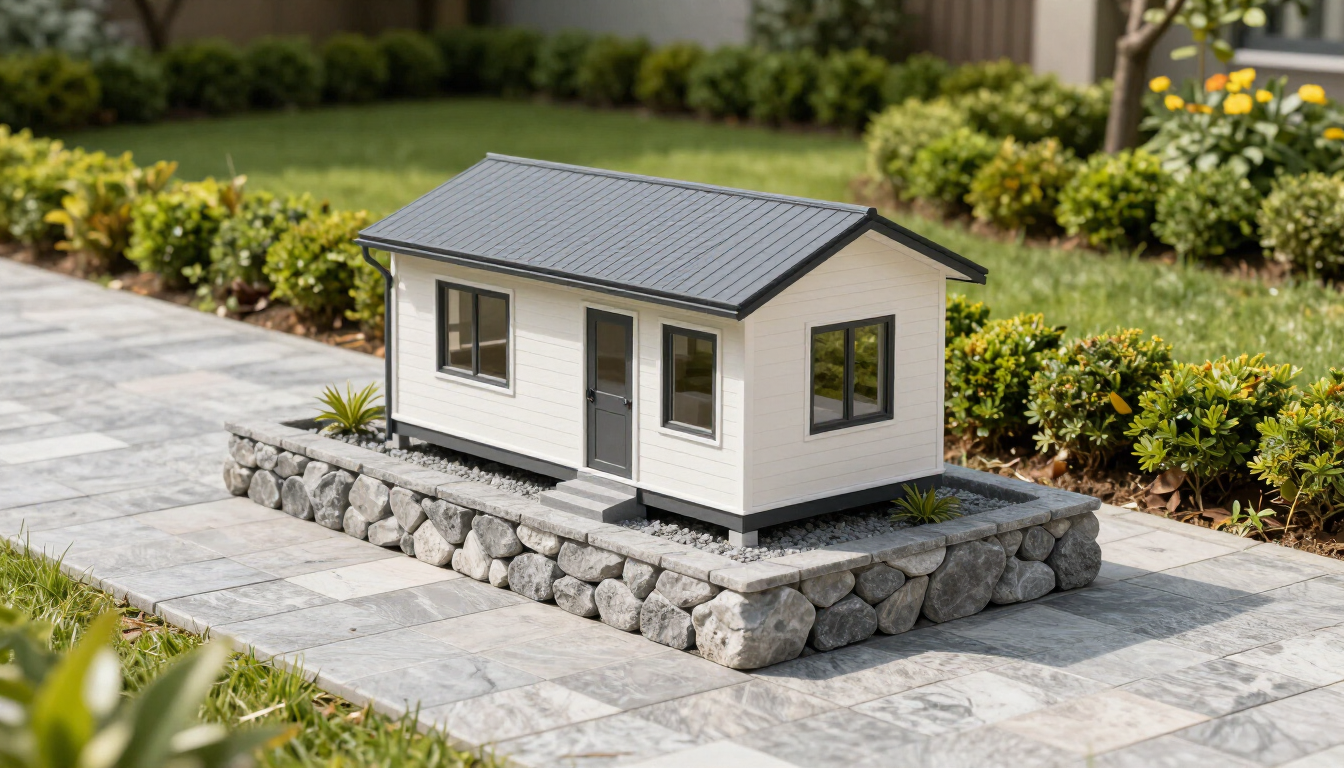
Zoning does not treat all tiny homes the same. A tiny house on wheels (THOW) is usually classed as an RV, which means it can be parked in RV parks or on a lot that allows recreational vehicles — but often cannot be a primary residence in a residential zone. A foundation tiny home is treated as a permanent dwelling and must meet the local minimum square footage and setback rules, which can be 600–1,000 sq ft in some zones. An accessory dwelling unit (ADU) is a second small home on a lot with an existing main house, and many cities now allow ADUs by right. Knowing which category your home falls into tells you which rules apply.
Park model tiny home on a permanent foundation on a landscaped lot

How to research your local zoning

Start with the municipal or county planning department's website, where the zoning map and ordinance are usually published. Find your parcel on the zoning map, note the zone designation, then read that zone's rules in the ordinance: permitted uses, minimum lot size, minimum dwelling size, setbacks, and whether ADUs are allowed. If the language is unclear — and it often is — call the planning desk and ask specifically: 'Can I place a tiny house on wheels / a foundation tiny home / an ADU on this lot, and what permits do I need?' Get the answer in writing if you can. Never assume a friendly verbal answer will hold; zoning is enforced on paper.
Person at a laptop looking at an online zoning map website with a notebook of handwritten notes

Minimum square footage and the tiny home catch
Many zoning codes set a minimum dwelling size — often 600, 700, or 1,000 sq ft — that a typical 200–400 sq ft tiny home cannot meet. This is the single most common reason a foundation tiny home is rejected in a residential zone. Workarounds include building in a zone with no minimum, classifying the home as an ADU (which often has its own smaller minimum), or siting it in an RV-allowed area where the minimum does not apply. Some progressive cities have adopted tiny-house-specific ordinances that lower or remove the minimum; check whether yours is one of them. See our building codes guide for how construction standards interact with these rules.
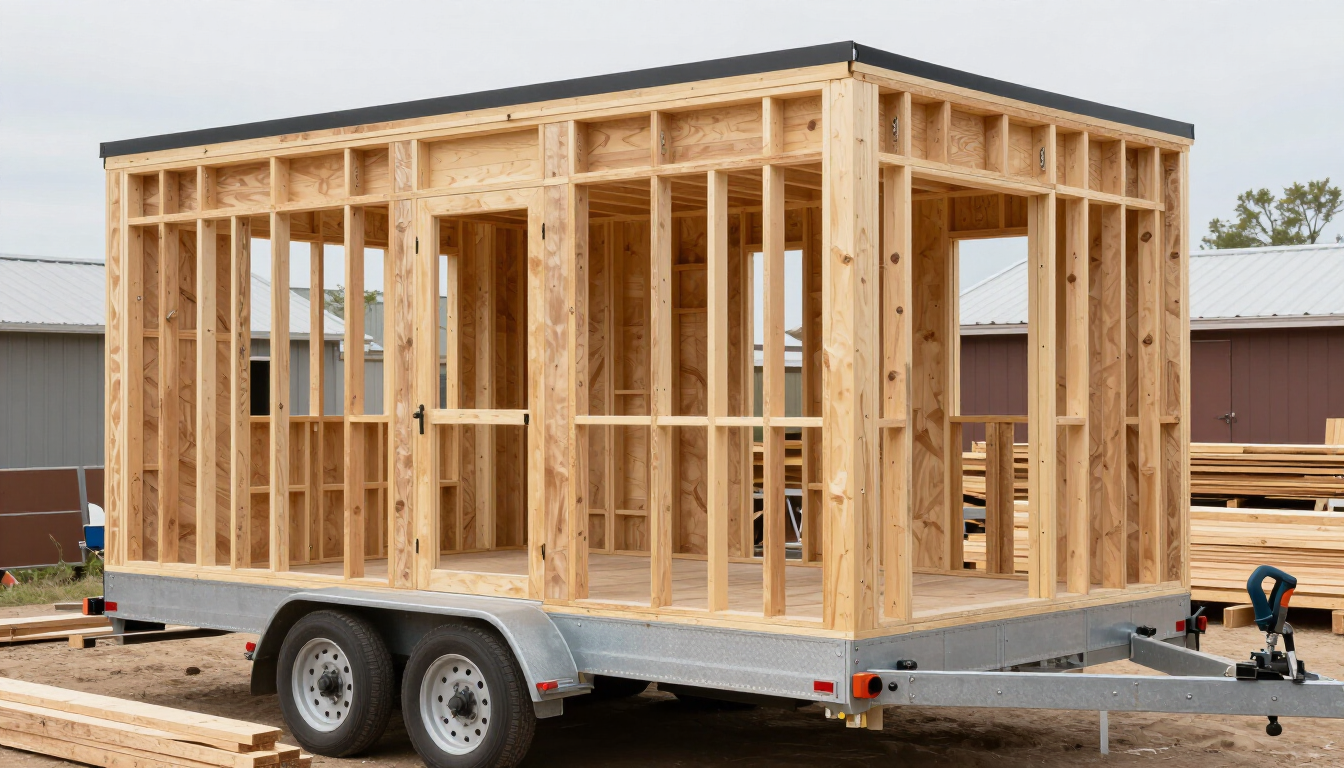
Tiny home wooden wall frame under construction on a trailer

ADUs: the backyard path that is opening up
Accessory dwelling units have become the most legally accessible route for a tiny home in many regions, because cities facing housing shortages have relaxed ADU rules to add housing supply. An ADU can be a detached backyard tiny home, a garage conversion, or an attached suite, and where allowed it can often be rented out. The rules to check are maximum size (often 600–1,200 sq ft), setbacks, owner-occupancy requirements, and utility connection standards. If you or your family already own a house with a yard, an ADU may be the fastest legal path to a tiny home. Explore park models and backyard-ready builds on the interactive map.
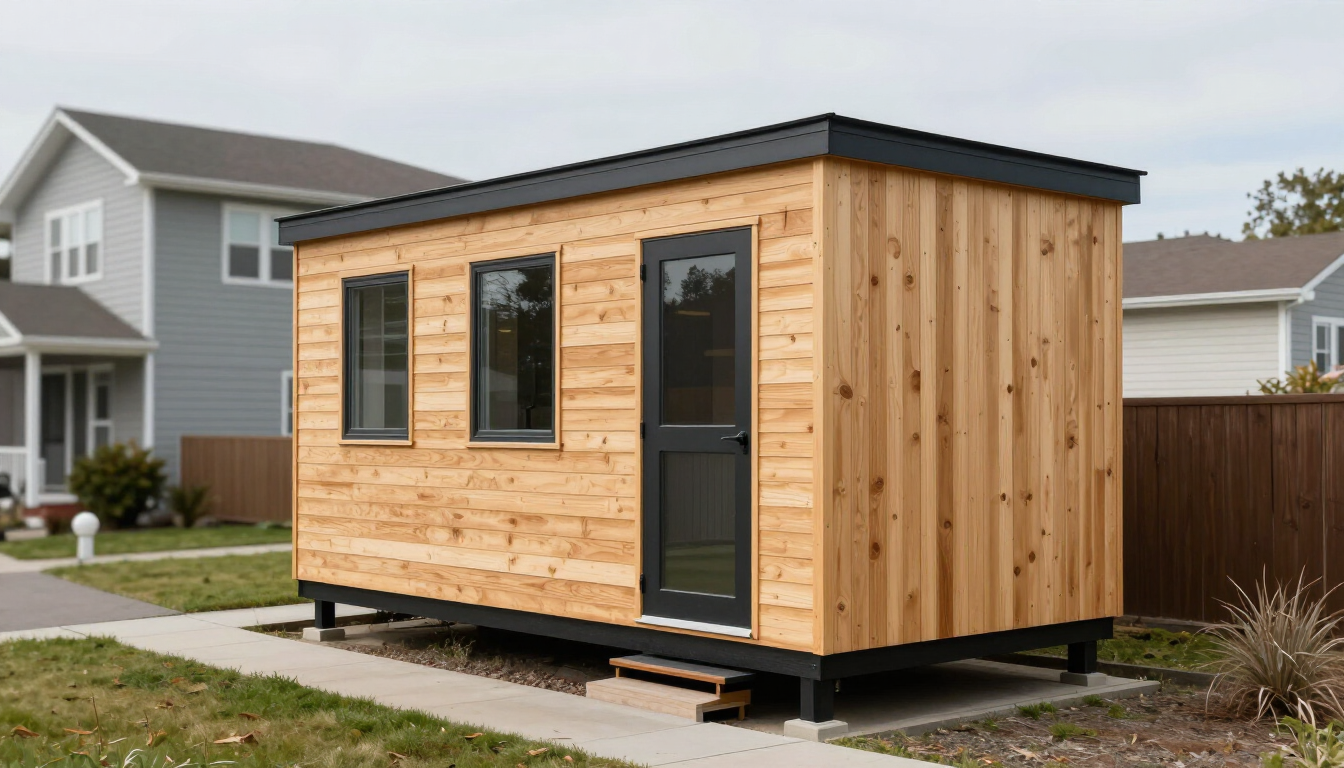
Modern tiny home with cedar siding that could serve as a backyard ADU

Finding tiny-home-friendly jurisdictions
Some places have gone out of their way to welcome tiny homes — adopting tiny-house ordinances, allowing THOWs as primary residences, or zoning land for tiny home communities. These jurisdictions change the question from 'can I?' to 'where do I want to?' When you are flexible on location, prioritizing tiny-home-friendly areas saves months of permitting struggle. Research lists of tiny-house-friendly states and cities, then verify the current rules with the local planning department before committing, since ordinances change. Browse
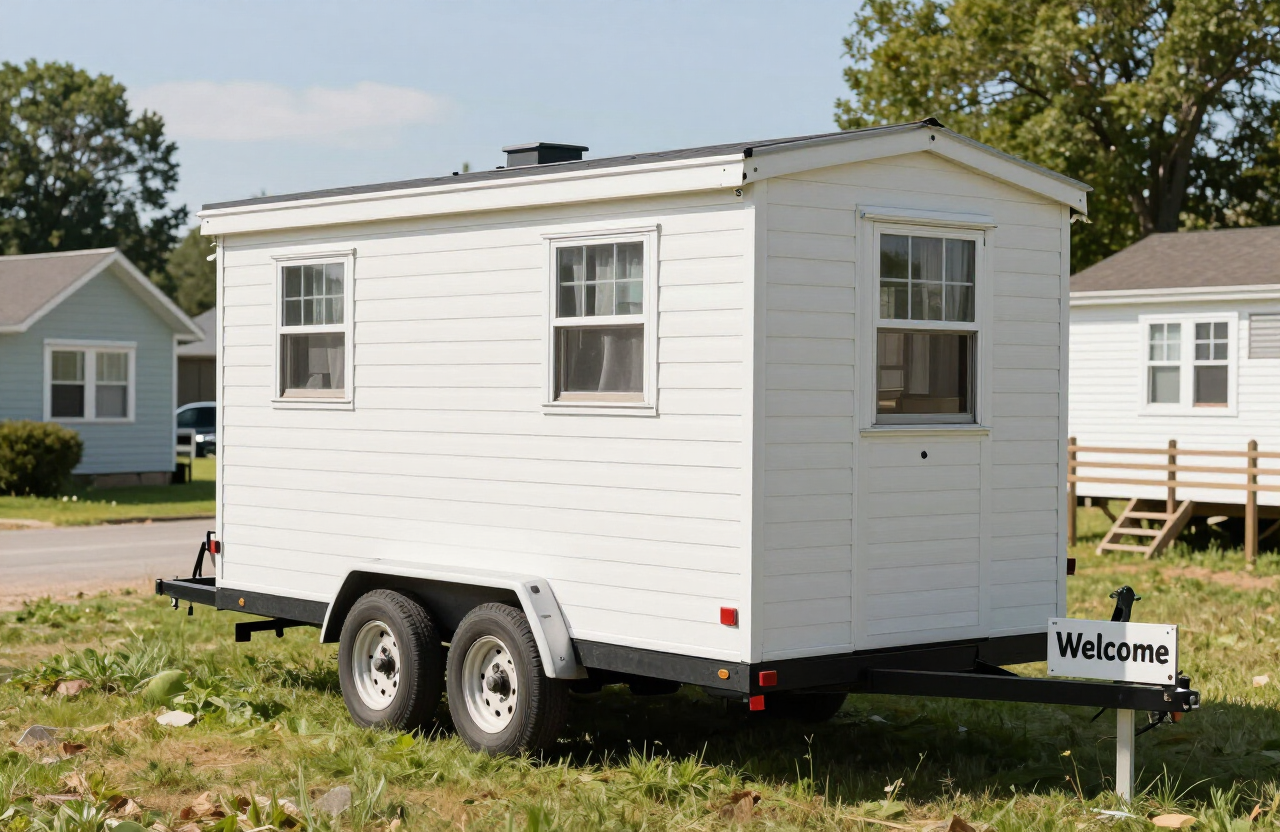
Tiny home on wheels parked legally in a welcoming rural community with a welcome sign

Zoning paths compared

PathBest forLegal easeTrade-off
RV park / communityTHOWEasyYou rent the pad
ADU on a lotBackyard buildMediumOwner-occupancy rules may apply
Rural landFoundation or THOWVariesUtilities may be off-grid
Tiny-house ordinance cityPrimary residenceEasy if eligibleFewer locations
Tiny home on rural land with a garden and open space around it

Putting it all together

Zoning is the gatekeeper to tiny home living, and the rules depend entirely on your local jurisdiction and what kind of tiny home you have. A THOW is usually treated as an RV, a foundation home as a dwelling subject to minimum sizes, and an ADU as a second unit on an existing lot. Research your parcel's zoning before you buy or build, get answers from the planning desk in writing, and consider tiny-home-friendly jurisdictions if you are flexible on location. The right legal path turns a maybe into a yes. Ready to find a place? Browse communities and land, explore tiny homes for sale, or search the interactive map.

Related articles

More guides that dig deeper into the same topics.

Frequently asked questions

Are tiny homes legal everywhere?+

No. Legality depends on the local jurisdiction, the type of tiny home, and the zoning of the specific lot. A tiny home that is legal in one county may be illegal in the next. Always research the zoning of your exact parcel before buying or building.

Can I live in a tiny house on wheels as my primary residence?+

In many residential zones, no — a THOW is classed as an RV and cannot be a primary residence. It is usually allowed in RV parks, tiny home communities, rural zones, or cities with a tiny-house-specific ordinance. Check your local rules.

What is an ADU and how does it help?+

An accessory dwelling unit is a second small dwelling on a lot with an existing main house. Many cities now allow ADUs by right, making a backyard tiny home one of the most legally accessible paths, though owner-occupancy and size rules may apply.

Why do zoning codes have minimum square footage?+

Historically, minimum dwelling sizes were set to ensure a standard of living and to maintain neighborhood character. The side effect is that they often block tiny homes in residential zones, which is why tiny-house-friendly cities adopt ordinances that lower or remove the minimum.

How do I confirm what is allowed on a specific lot?+

Find the parcel on your municipality's zoning map, read the rules for that zone in the ordinance, then call the planning desk and ask specifically about your situation. Get the answer in writing whenever possible, since verbal assurances are not enforceable.

Where are the most tiny-home-friendly places?+

A growing number of states and cities have adopted tiny-house ordinances or allow THOWs as primary residences. These change often, so research current lists and then verify the rules with the local planning department before committing to a location.

Ready to start searching?

Browse tiny homes, plans, builders, communities and land on the interactive map.

Explore the map
>