Design & Interior

Storage Solutions for Tiny Homes: Organization Ideas

12 min read · Updated March 6, 2026

By John

In a tiny home, storage is not a closet you walk into — it is a strategy built into every surface. Here are the organization ideas that actually work in a small footprint, from stair drawers to vertical shelving.
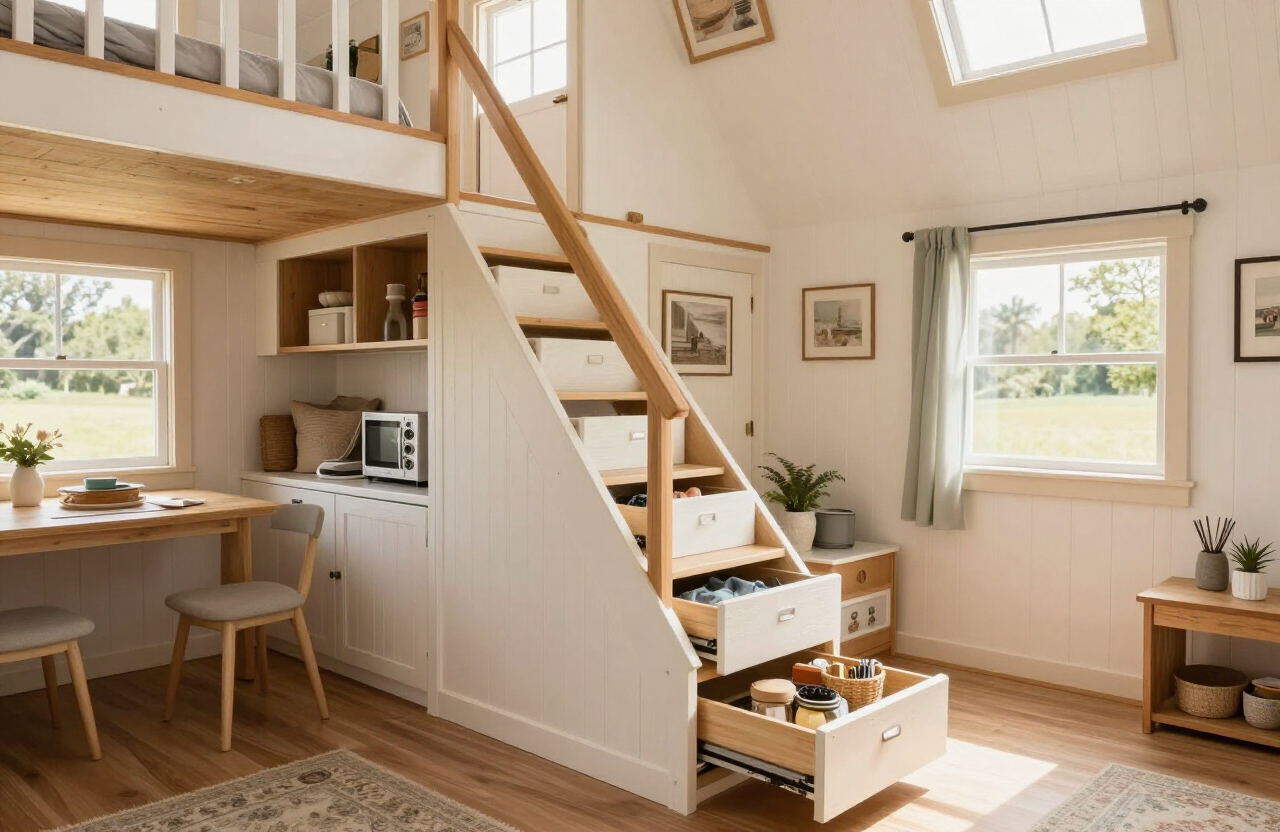
Built-in staircase with pull-out drawers leading to a tiny home loft in warm natural light

Think vertical, built-in, and dual-purpose

Tiny home storage works when it is designed in, not added later. Three principles cover almost every good idea: go vertical to use wall height, build storage into the structure so it costs no floor space, and make every piece of furniture do two jobs. A bed with drawers, a stair with pull-outs, a bench that opens — these are not gadgets, they are the closets of a tiny home. When every surface stores something, you stop fighting clutter and start living in the space. Browse home plans that bake storage into the layout from the start.

Stair drawers and loft access storage

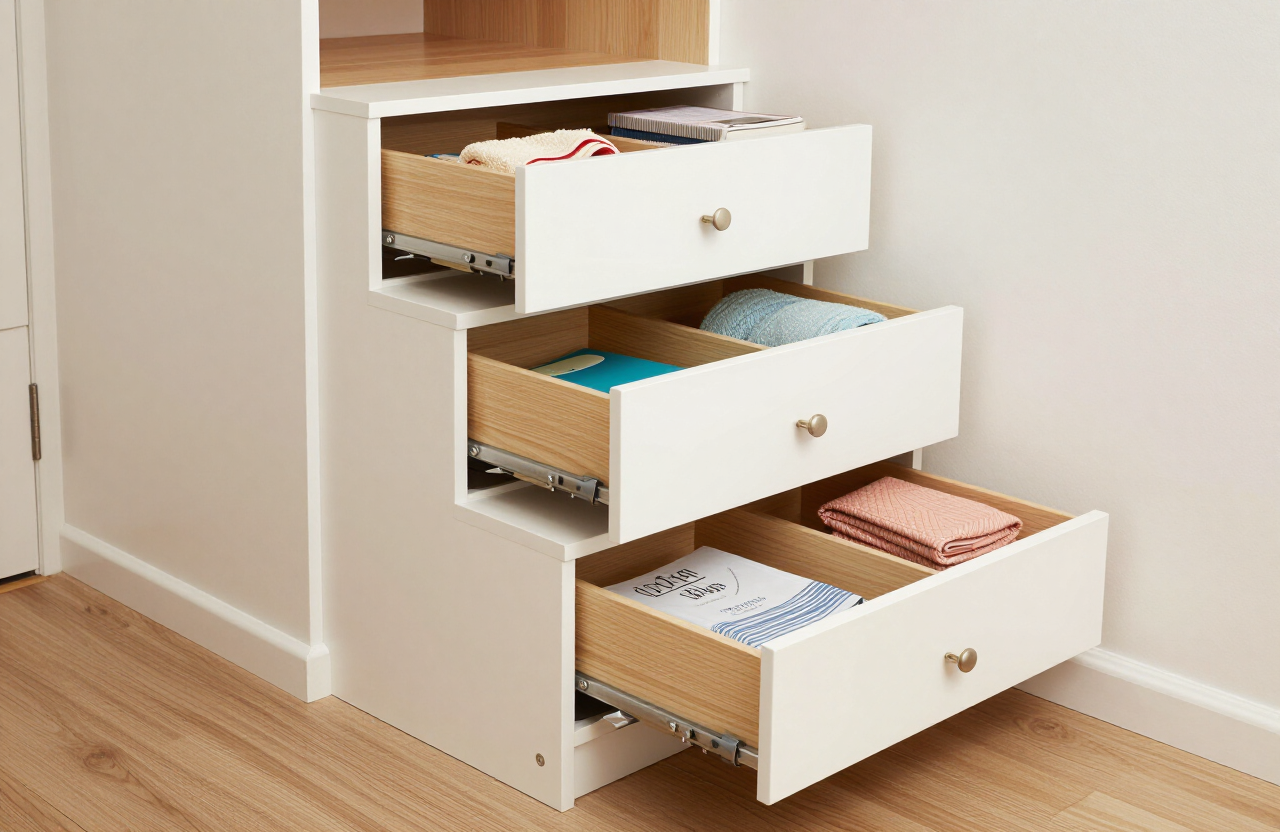
If your tiny home has a loft, the stairs or steps to reach it are a storage goldmine. Built-in stair treads that pull out on drawer slides can hold clothing, linens, shoes, and bulky items that have nowhere else to go — often 20 cubic feet or more of organized space that would otherwise be dead framing. Even a ladder-style access can hide shallow drawers behind each tread. Plan the drawer pulls recessed so they do not snag your feet, and size the lower treads deeper for big items and the upper treads shallower for smaller ones. This single feature often replaces a dresser entirely.
Open stair drawers with built-in storage compartments in a tiny home revealing organized belongings

Under-bed and platform storage

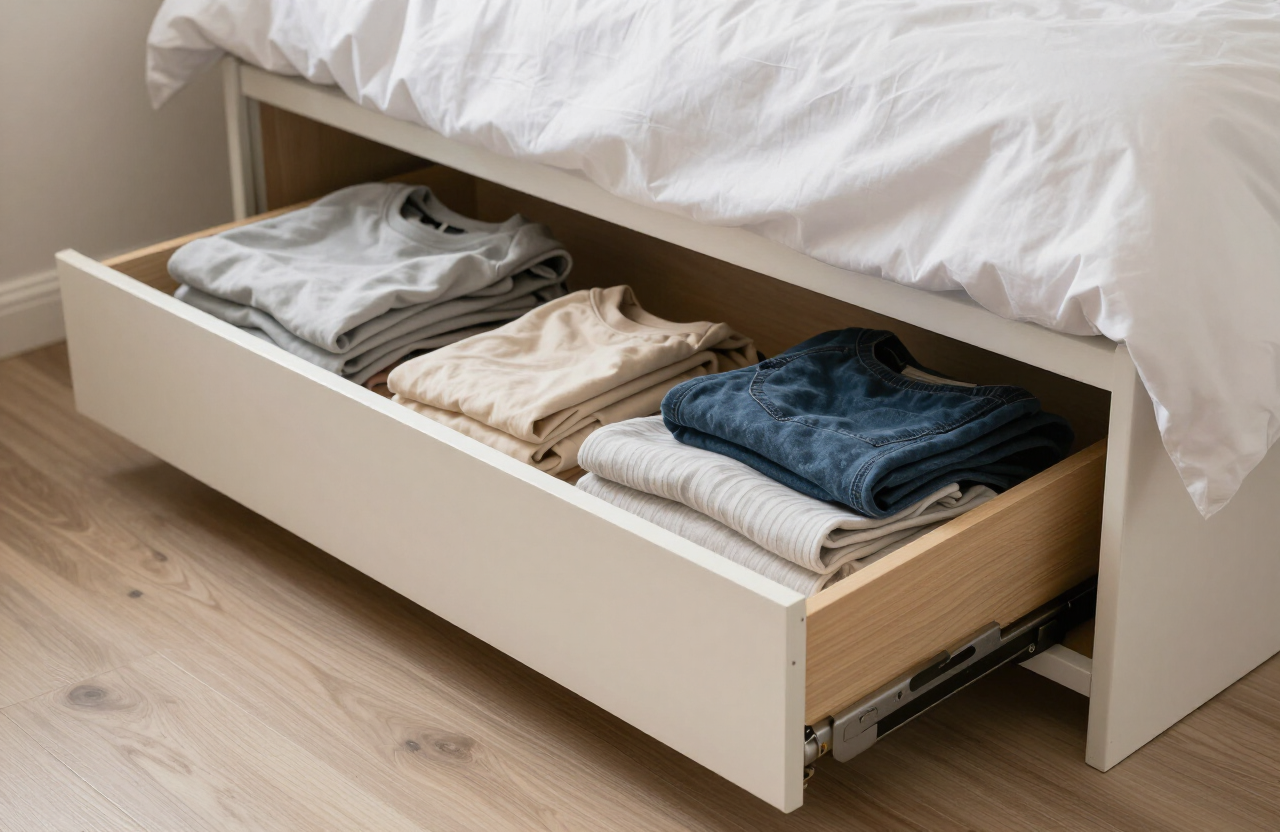
The space under a bed is the largest single storage volume in most tiny homes, and wasting it is the most common mistake. A platform bed with hydraulic lift-up lid or deep pull-out drawers holds seasonal clothing, bedding, and bulky gear. In a loft, a hinged mattress platform opens to reveal the cavity beneath. Aim for full-extension drawer slides so you can reach the back, and divide the space with bins so it does not become a black hole. If the bed is on the main floor, raise it on a platform just high enough for standard storage bins to slide underneath.
Under-bed storage drawers pulled open showing folded clothes in a tiny home bedroom

Vertical shelving and wall systems

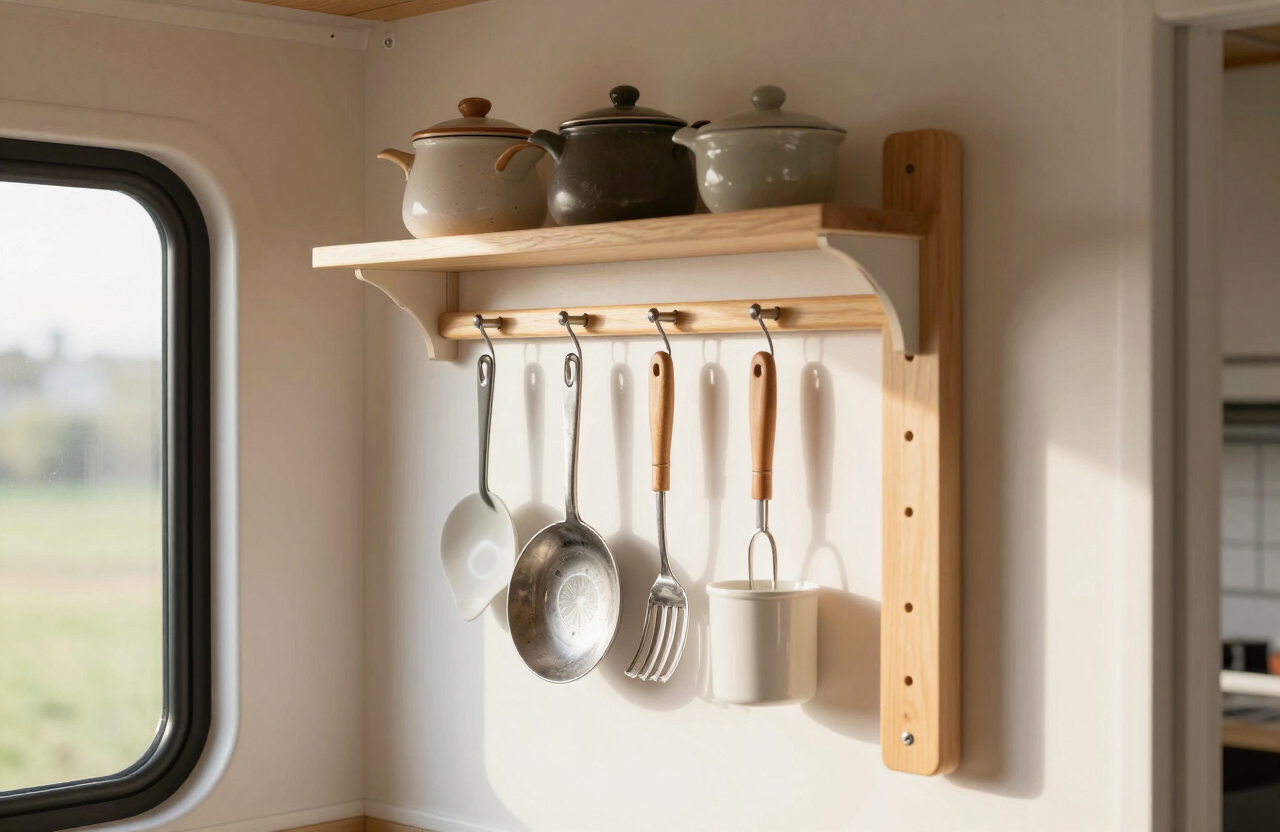
When floor space is scarce, walls are the storage. Run shelving floor to ceiling wherever the structure allows, and use the upper shelves for rarely used items since you will need a step stool. A peg rail along a wall holds hats, bags, and kitchen tools where you can see them, and it costs almost no depth. Open shelving keeps items visible so nothing gets lost at the back of a cabinet, but it demands discipline — group like items and edit regularly. In the kitchen and bathroom, a wall-mounted magnetic strip or rail keeps small metal tools off the counter entirely.
Wall-mounted peg rail and vertical shelving holding kitchen items and hooks in a tiny home

Kitchen pull-outs and pantries

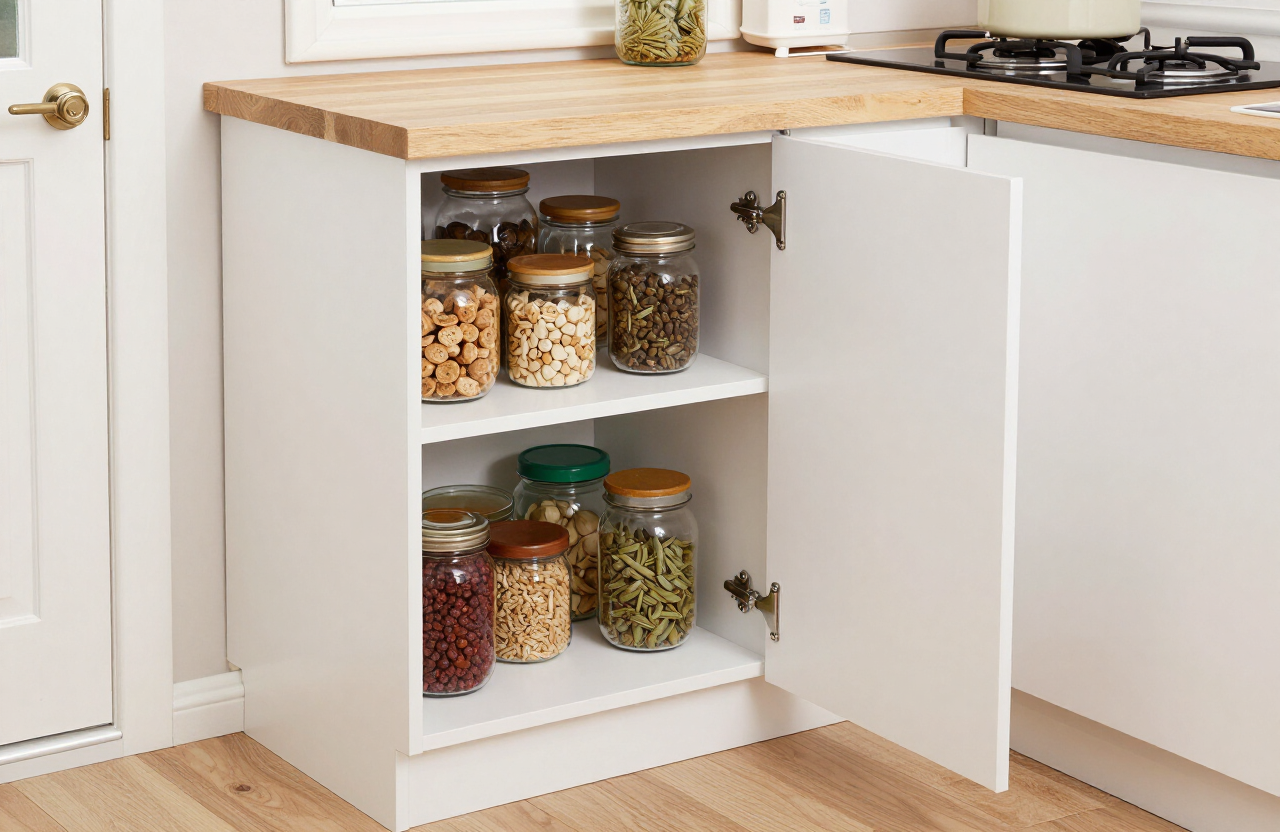
A tiny kitchen stays functional when storage comes to you instead of making you reach into it. A tall pull-out pantry on full-extension slides turns a 9-inch gap into a full dry-goods wall. Drawer-based lower cabinets beat doors with shelves because you see everything at once without crouching. Use vertical dividers for baking sheets and cutting boards, and a pull-out trash bin hidden inside a cabinet to keep the floor clear. Hang pots from a ceiling rack only if you have the headroom — otherwise a wall rail is safer. See our tiny home kitchen guide for how storage and appliance choice work together.
Slim pull-out pantry cabinet beside a tiny home kitchen counter filled with jars and cans

Hidden and multipurpose furniture

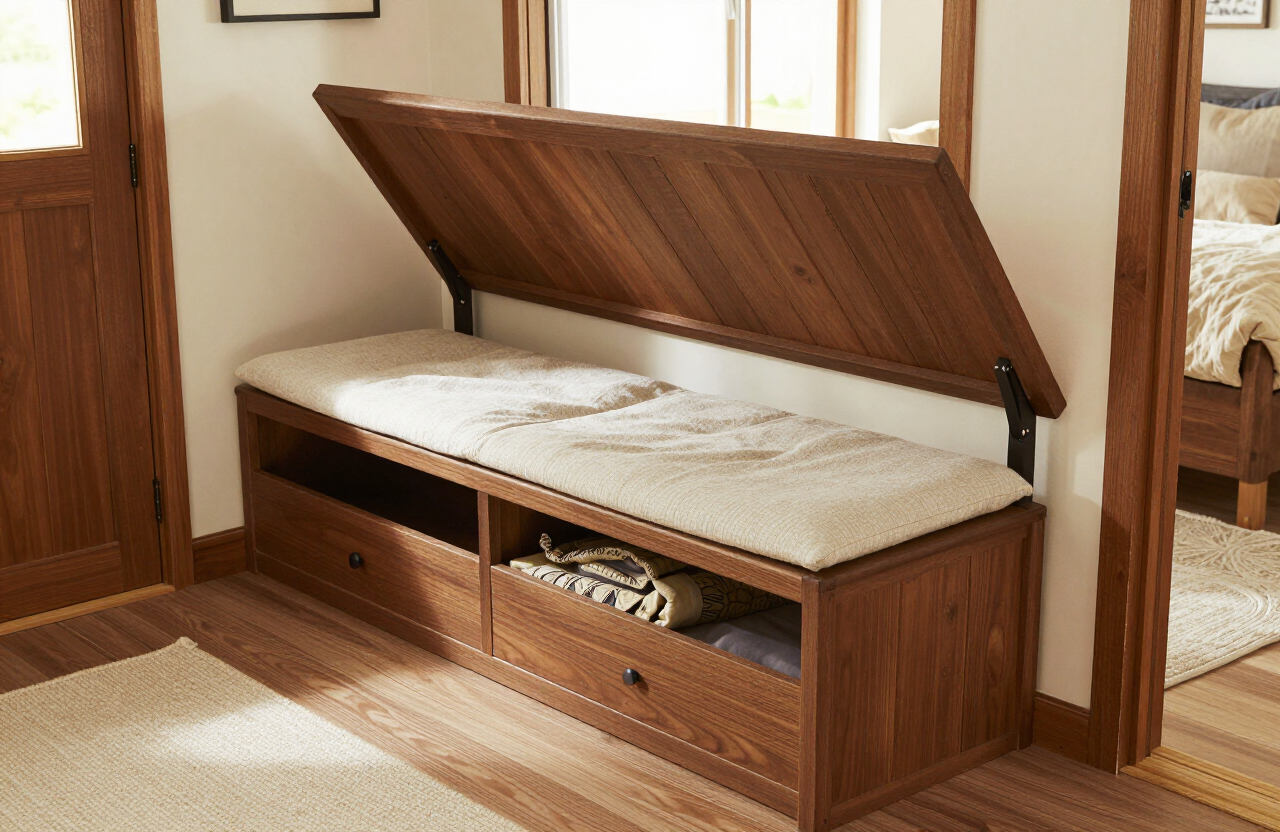
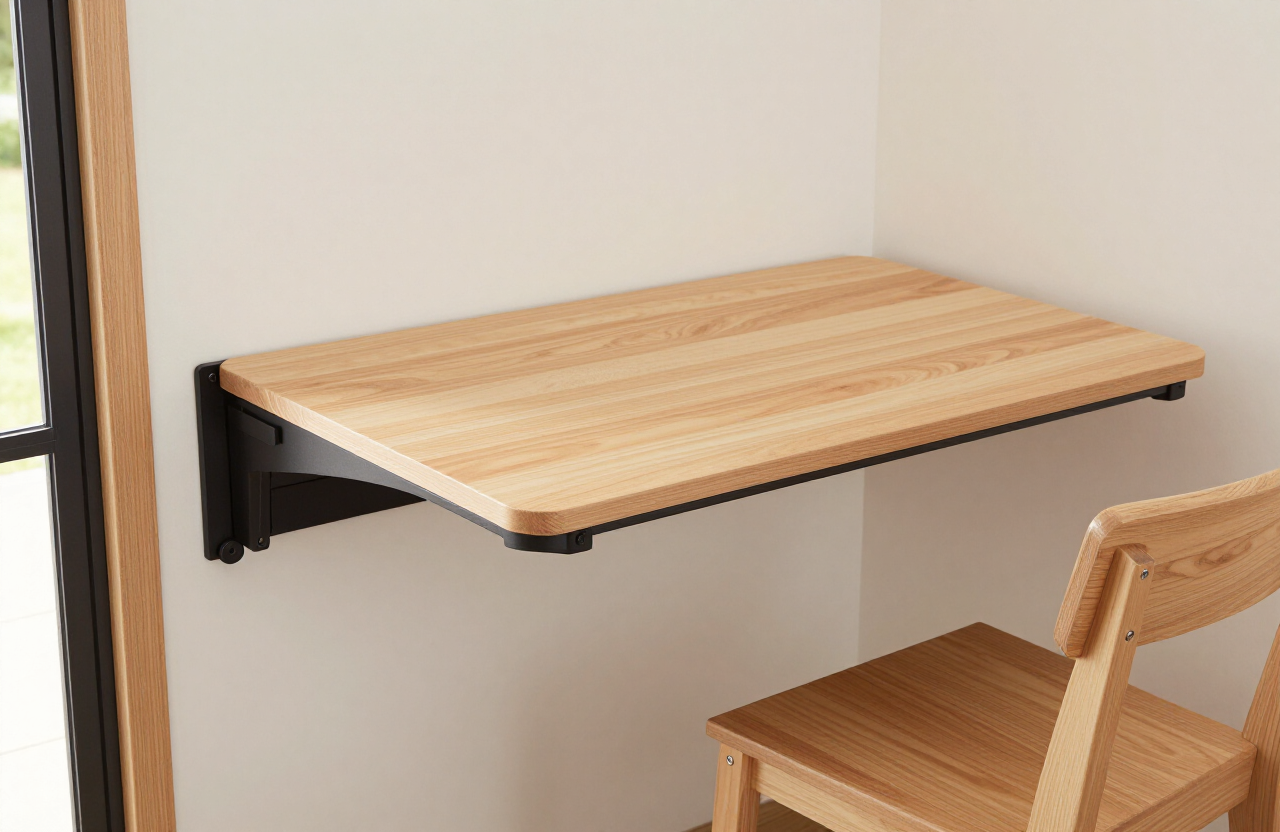
Every piece of furniture in a tiny home should earn its footprint. A storage bench at the foot of the bed or by the door holds blankets and shoes and gives you a place to sit. A drop-leaf or wall-mounted fold-down table becomes a desk or dining surface and disappears when not in use. An ottoman with a hollow interior stores board games and converts to a guest seat. The trick is to avoid furniture that only does one thing — a coffee table that stores nothing is a luxury a tiny home cannot afford. Choose pieces with clean lines so the room does not feel busy when storage is everywhere.
Storage bench seat with the lid open showing blankets inside in a tiny home living area

Loft and overhead storage

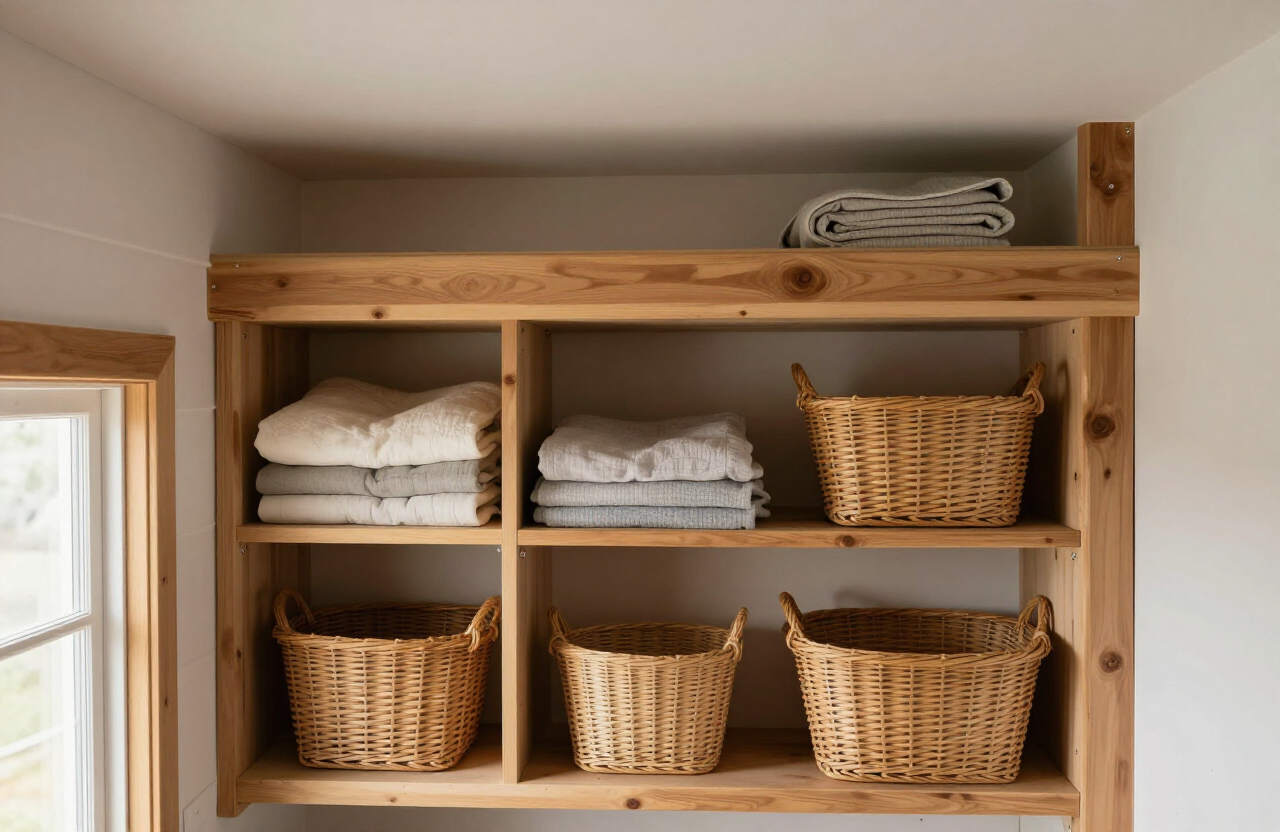
The area above eye level is easy to forget and valuable to use. Shallow shelving along the loft edge holds books and small bins without eating headroom. In the main living area, a bulkhead cabinet above the kitchen or entry stores seasonal items you reach only a few times a year. Keep overhead storage shallow and firmly anchored so nothing falls in transit if the home is on wheels, and avoid heavy items up high. Label every overhead bin, because out of sight is out of mind in a tiny home.
Open shelving in a tiny home loft with folded linens and baskets in soft window light

Storage ideas at a glance

ZoneIdeaHolds
StairsPull-out tread drawersClothes, shoes, linens
BedPlatform with drawers or lift-up lidSeasonal clothing, bedding
WallsPeg rail + floor-to-ceiling shelvesDaily items, display
KitchenTall pull-out pantryDry goods, cans, spices
Living areaStorage bench + fold-down tableBlankets, multi-use surface
OverheadShallow bulkhead cabinetsSeasonal, rarely used
Multipurpose dining table that folds down from a wall in a tiny home with a chair

Putting it all together

Tiny home storage is a design problem you solve once, not a chore you repeat. Build drawers into the stairs, lift-up storage into the bed, shelving to the ceiling, and a pull-out pantry into the kitchen gap. Make every piece of furniture do two jobs, and keep overhead bins labeled and shallow. When storage is structural, clutter stops competing with living. Ready to find a home with storage designed in? Browse tiny homes for sale, compare builders, or explore home plans with built-in organization.

Related articles

More guides that dig deeper into the same topics.

Frequently asked questions

Where do you store clothes in a tiny home?+

Clothes usually live in stair drawers, under-bed pull-outs, and a small wardrobe or open rail. Most tiny home residents own far fewer clothes than in a conventional house — editing your wardrobe is part of the lifestyle. Built-in drawers beat freestanding dressers because they use no floor space.

How much storage should a tiny home have?+

Aim for at least 50–80 cubic feet of built-in storage for one or two people, concentrated in stairs, under the bed, and along walls. The right amount depends on how much you own — most people store less than they think once they edit belongings to match the lifestyle.

Are open shelves or cabinets better in a tiny home?+

Open shelves keep items visible and make a small space feel larger, but they demand regular editing. Cabinets hide clutter but can become dark holes. A mix works well — open shelves for daily items and labeled cabinets or bins for everything else.

How do I keep a tiny home from feeling cluttered?+

Build storage into the structure so it is invisible, keep surfaces clear, use a consistent palette of bins and baskets, and edit belongings regularly. When everything has a designated home and storage is built-in, the space stays calm even when full.

Can I use under-floor storage in a tiny home on wheels?+

Yes, but with care. The space between trailer frame members can hold shallow bins for lightweight, rarely used items. Avoid heavy storage there because it lowers the center of gravity and adds unsprung weight, and make sure nothing shifts in transit.

What is the best kitchen storage for a tiny home?+

Drawer-based lower cabinets, a tall pull-out pantry in a narrow gap, vertical dividers for sheets and boards, and a hidden pull-out trash bin. Full-extension slides are essential so you can reach the back without emptying the cabinet.

Ready to start searching?

Browse tiny homes, plans, builders, communities and land on the interactive map.

Explore the map
>