Communities
Cohousing vs Tiny Home Communities: Key Differences
6 min read · Updated December 16, 2025
By John
Both share land and facilities, but cohousing and tiny-home communities differ in ownership, scale and decision-making. Here is the comparison.
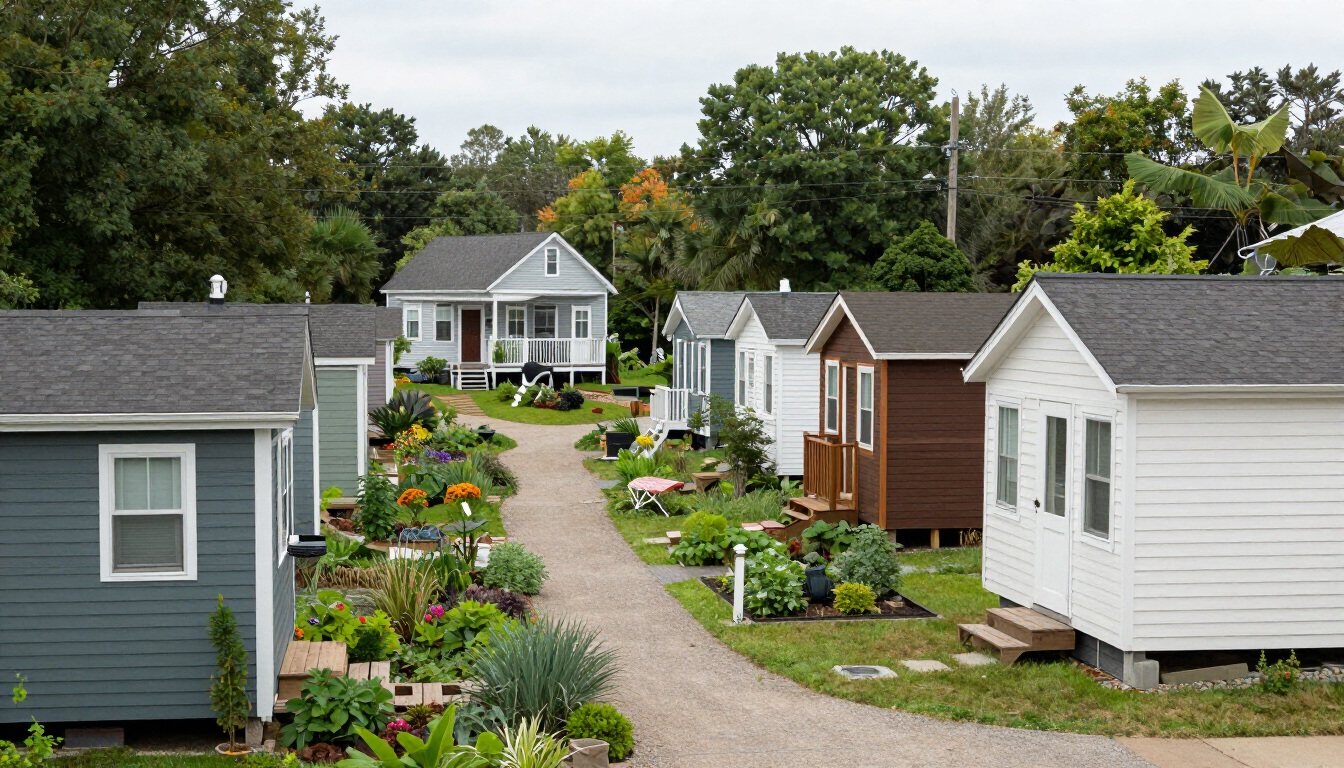
Ownership and scale
Cohousing is typically a condominium or co-op: you buy your unit and a share of the common land, with full mortgage financing available. Homes are usually 800–1,500 sq ft and the community is 15–35 households. A tiny-home community is usually a land lease: you own the movable home, you rent the lot, and financing is harder (see
Governance and joining
Cohousing groups form first, design together, then build — a multi-year, consensus-driven process with a high buy-in cost. Tiny-home communities are often developer- or landowner-initiated; you join an existing place by renting a lot. Decision-making in cohousing is usually consensus; in tiny-home communities it ranges from landlord-decided to resident co-op. See community living for the daily experience.
Which fits you?
Choose cohousing if you want ownership equity, can finance a unit, and have years to invest in a group design process. Choose a tiny-home community if you want lower cost, mobility (you can take your home with you), and a faster move-in. Both beat isolated suburban living for connection — the question is equity and commitment versus flexibility and price.
Related articles
More guides that dig deeper into the same topics.
Ready to start searching?
Browse tiny homes, plans, builders, communities and land on the interactive map.
Explore the map