Communities
Starting a Tiny Home Community: A Practical Guide
8 min read · Updated December 21, 2025
By John
Land, zoning, utilities and governance — the four hard problems anyone starting a tiny-home community has to solve.
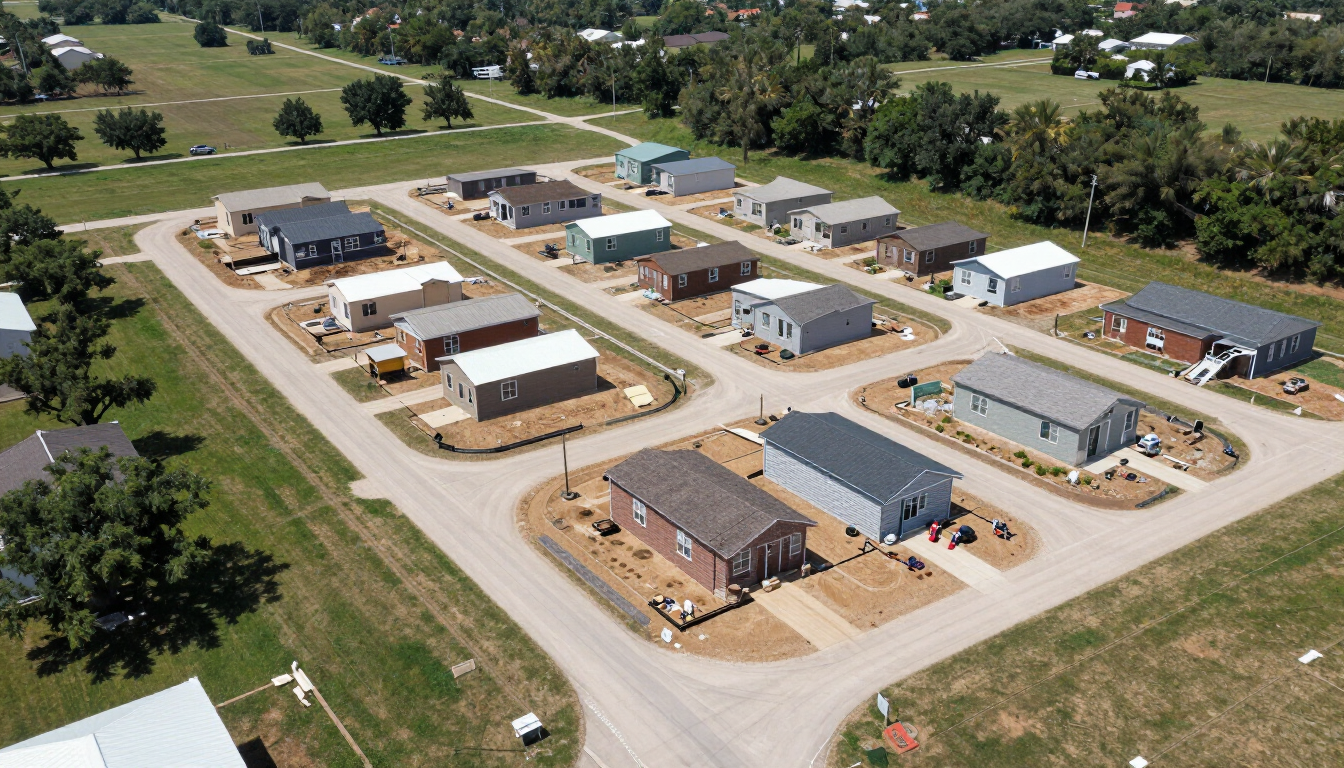
Start with the land and the law
Before anything else, find land where multiple small dwellings are legal — this is the single hardest constraint. Most residential zoning allows one primary dwelling per lot. You need a parcel zoned for multi-unit, RV park, or agricultural use, or a jurisdiction with a tiny-home overlay. Read our
Utilities at scale
One tiny home's off-grid system is manageable; eight is a real engineering project. Decide early: shared well and septic, or individual systems? A central solar microgrid, or per-home arrays? Shared infrastructure is cheaper per lot but requires governance and maintenance agreements. Budget for a civil engineer and a percolation test — these are not optional. See buying land for off-grid for the site checks.
Governance and the agreement
Write the community agreement before the first home arrives. Cover lot fees, utilities, pets, guests, exterior standards, resale, and how disputes are resolved. Decide the legal structure — LLC, co-op, or land trust — and how new members join. The cohousing vs community comparison lays out the models. A clear agreement prevents most of the conflicts that sink young communities.
Phasing and patience
Build in phases: secure the land and permits, install utilities, then invite the first two or three homes before scaling. Each phase teaches you what the next one needs. Expect 18–36 months from land purchase to a functioning community. It is slower and more expensive than people expect, but the result — a permanent place for tiny homes to exist legally — is worth it. See also
Related articles
More guides that dig deeper into the same topics.
Ready to start searching?
Browse tiny homes, plans, builders, communities and land on the interactive map.
Explore the map