Land
Buying Land for Off-Grid Living: What to Check First
8 min read · Updated November 30, 2025
By John
Water rights, solar access, septic feasibility and road access — the checks that decide whether a cheap parcel is actually buildable.
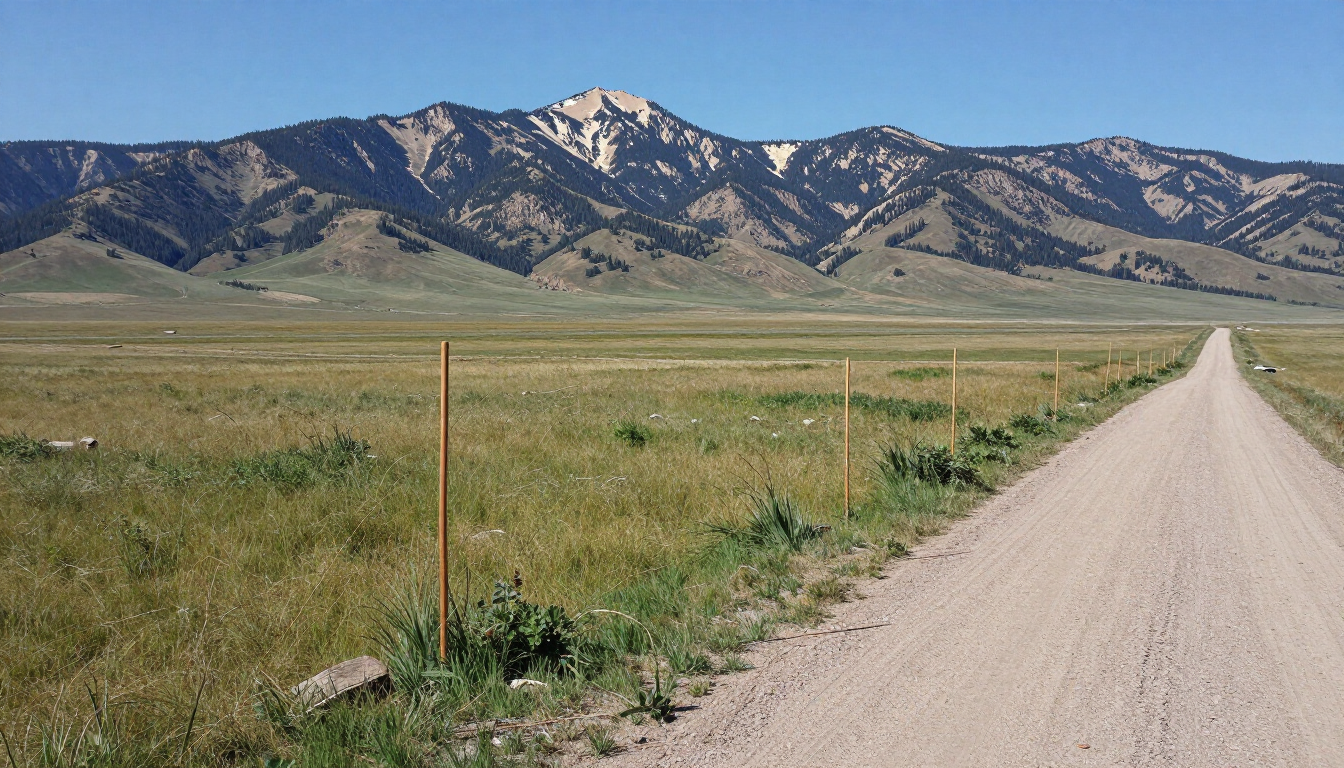
Cheap land is often expensive
A five-acre parcel for $20,000 can look like a steal until you discover there is no legal water access, the soil will not perk for septic, and the road is impassable in winter. The purchase price is the smallest part of off-grid land cost. The checks below are what separate a buildable parcel from a money pit. This builds on our general finding land guide.
Water and waste
Water is the first question. Is there a well (and do you have rights to it), or will you rely on rainwater harvesting and trucked water? In much of the West, water rights are separate from land rights and tightly controlled. For waste, order a percolation test before buying — if the soil will not perk, you cannot install septic and must use a composting toilet plus greywater system. Both are workable but constrain your design.
Solar access and climate
For an off-grid home, year-round sun is income. A south-facing slope free of shade lets your solar system produce through winter; a north slope or heavy tree cover can double your battery budget. Check the climate for heating load too — a cold, cloudy site needs a much larger system (see heating options and insulation).
Access, zoning and legal access
Is the parcel reachable by a legal, maintained road? A deeded easement across a neighbor's land is not the same as a vague dirt track. Check zoning for minimum dwelling size and whether movable homes are allowed (see zoning by state). Confirm mineral and water rights are included. Finally, visit in person in the worst season — a parcel that is lovely in May may be snowbound or mud-swamped in March. Browse off-grid listings to compare parcels already vetted.
Related articles
More guides that dig deeper into the same topics.
Ready to start searching?
Browse tiny homes, plans, builders, communities and land on the interactive map.
Explore the map