Construction & Materials

Tiny Home Builders: Finding and Choosing the Right One

13 min read · Updated March 13, 2026

By John

A tiny home is a big investment in a small package, and the builder you choose decides whether it lasts decades or disappoints you on day one. Here is a practical guide to finding, vetting, and choosing the right tiny home builder.
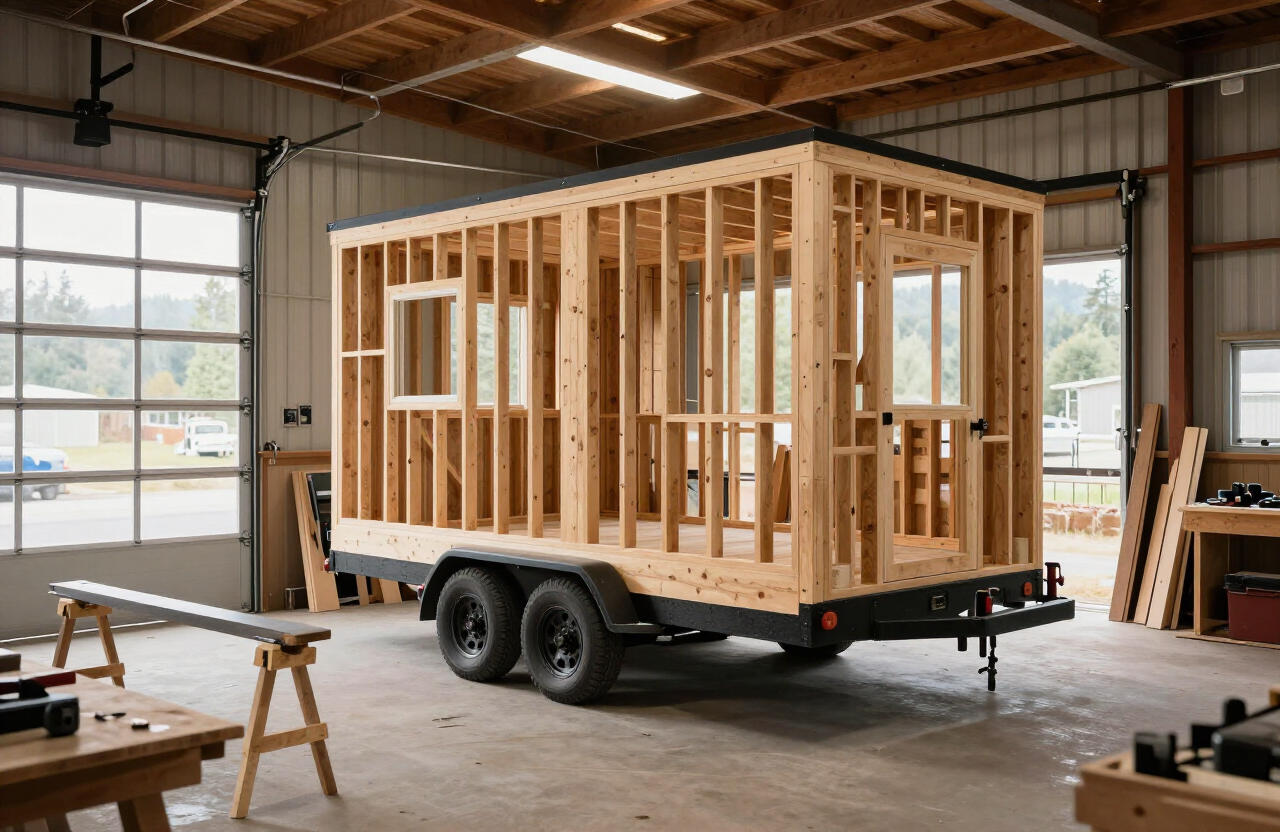
Professional tiny home builder workshop with a partially framed tiny house on wheels and tools in natural daylight

Why the builder matters more than the floor plan

People spend weeks choosing a floor plan and an afternoon choosing a builder. That ratio is backwards. A great plan built poorly leaks, drafts, and fails; an ordinary plan built well is warm, tight, and durable.

Where to look for tiny home builders

Start with specialized directories and tiny home communities rather than generic contractor listings. A general contractor who mostly builds additions will rarely understand the weight, balance, and road-stress requirements of a house on wheels. Look for builders who exhibit at tiny home shows, are members of trade bodies like the Tiny Home Industry Association, and have a documented portfolio of completed homes. Local builders are worth seeking out because you can visit the workshop, but do not rule out a reputable out-of-state builder who delivers — many of the best do. Cross-reference any builder you find against reviews on independent platforms and the Better Business Bureau.
Tiny home builder showroom with finished model homes on display and a builder consulting with a couple

Certifications and standards to ask about

A certified build is easier to finance, insure, and park. Ask whether the builder builds to the National Organization of Alternative Housing (NOAH) standard, the Recreational Vehicle Industry Association (RVIA) standard, or — for foundation homes — the IRC with Appendix AQ. NOAH and RVIA certifications mean an inspector has verified the framing, electrical, plumbing, and fire safety against a published standard. A builder who dismisses certification as unnecessary is a red flag; the cost is modest and the access it unlocks is significant. Ask to see the certification number and verify it with the issuing body.
NOAH certification plaque mounted on the exterior siding of a finished tiny house on wheels

Reviewing a builder's portfolio

A portfolio is only useful if you look critically. Ask how old each photo is, whether the home was a custom or stock build, and whether you can speak to the owner. Look for consistency across homes — similar joinery, clean trim, square doors — rather than one showcase project. Ask to see photos of homes that are two to five years old, not just freshly delivered ones, because that is when leaks, settling, and finish failures show up. A builder who keeps in touch with past customers and can put you in touch with them is confident in their work.
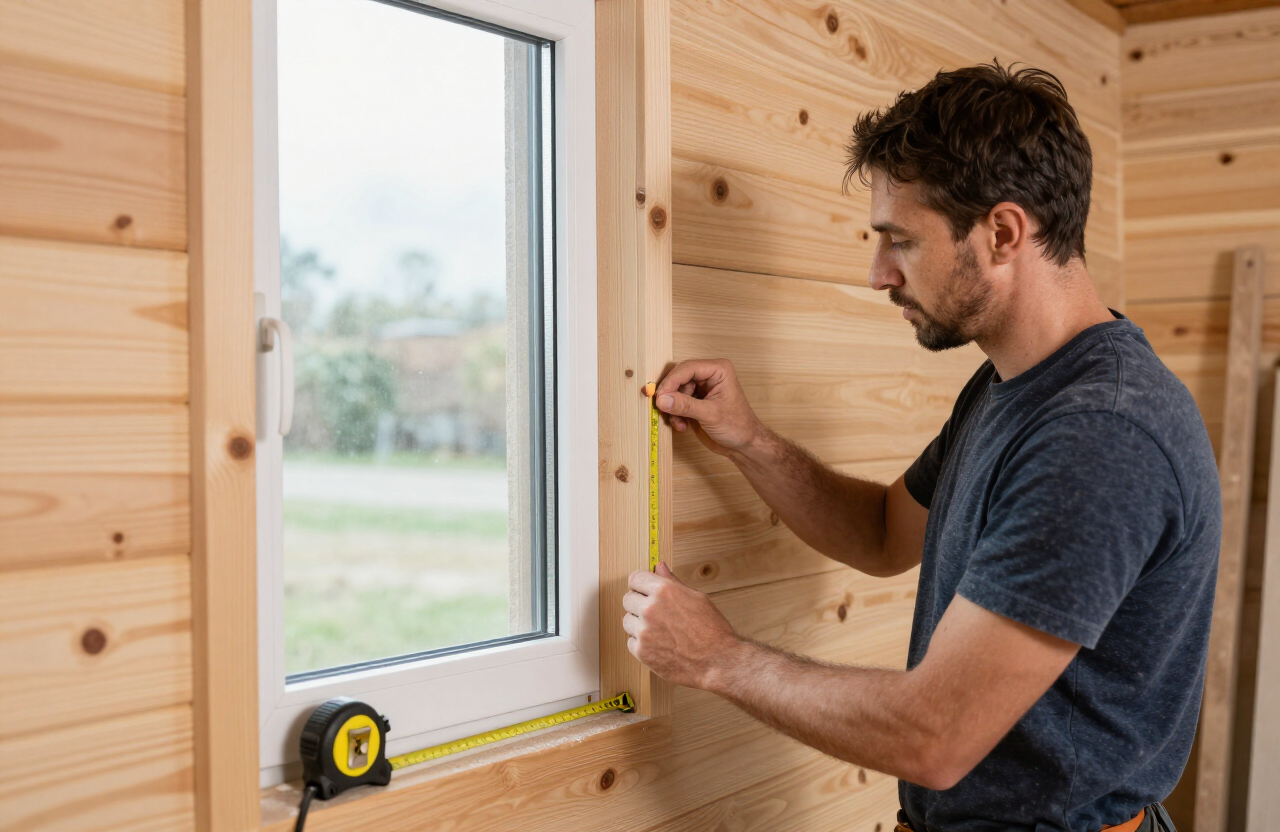
Craftsman installing a window in a tiny house wall with precise trim work and a level

The consultation and design process

A serious builder treats the first consultation as a two-way interview. They should ask about your climate, where the home will sit, how you will use power and water, and your budget ceiling — and they should push back on ideas that will not work. Bring a list of must-haves and nice-to-haves, and ask the builder to flag anything that adds weight, cost, or complexity. A good builder will show you a 3D model or detailed drawings before you sign, and will quote a fixed price for a defined scope rather than a vague estimate. Vague estimates become change orders later.
Builder and client reviewing a 3D floor plan on a laptop with material samples spread on a table

Pricing, deposits, and payment schedules
Tiny homes from reputable builders typically range from $40,000 for a compact stock model to $150,000 or more for a fully off-grid custom build. Be wary of quotes far below the market — they usually mean thinner framing, cheaper insulation, or skipped certifications. A standard payment schedule is a deposit of 10 to 30 percent to secure materials and a slot, then progress payments tied to milestones (framing complete, systems rough-in, finish), with a final payment due on delivery. Never pay the full price up front. Tie each payment to a verifiable milestone and get the schedule in the contract.
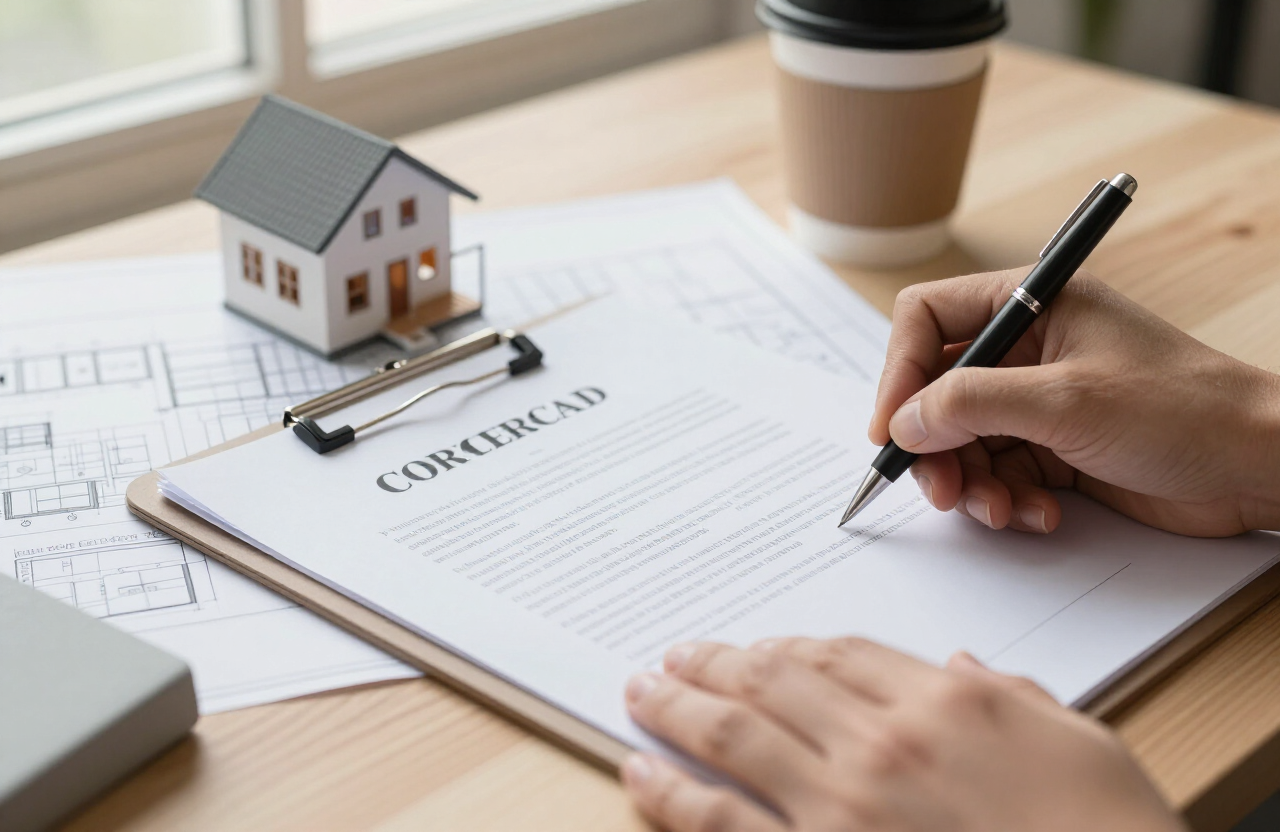
Hands signing a construction contract on a clipboard over tiny house blueprints

What the contract must include

A builder's contract should spell out the complete scope: dimensions, materials and brands, insulation R-values, window and door specs, electrical and plumbing layout, appliance list, certification, delivery radius and cost, and a warranty. It should list a firm delivery window, the payment schedule, and what happens if either side delays. Pay attention to the change-order clause — how additions are priced and approved — because most budget overruns come from mid-build changes. If a builder will not put a detail in writing, treat that detail as not included.

Warranty and after-sales support

Ask what the warranty covers and for how long. Reputable builders offer at least a one-year workmanship warranty and longer structural warranties, and they clearly exclude damage from towing, misuse, or owner modifications. Find out whether the builder will service the home on-site or requires you to bring it back to the workshop, and what that costs. The best builders check in after the first month and the first year. A warranty is only as good as the company behind it, so confirm the builder has been in business long enough to honor it.
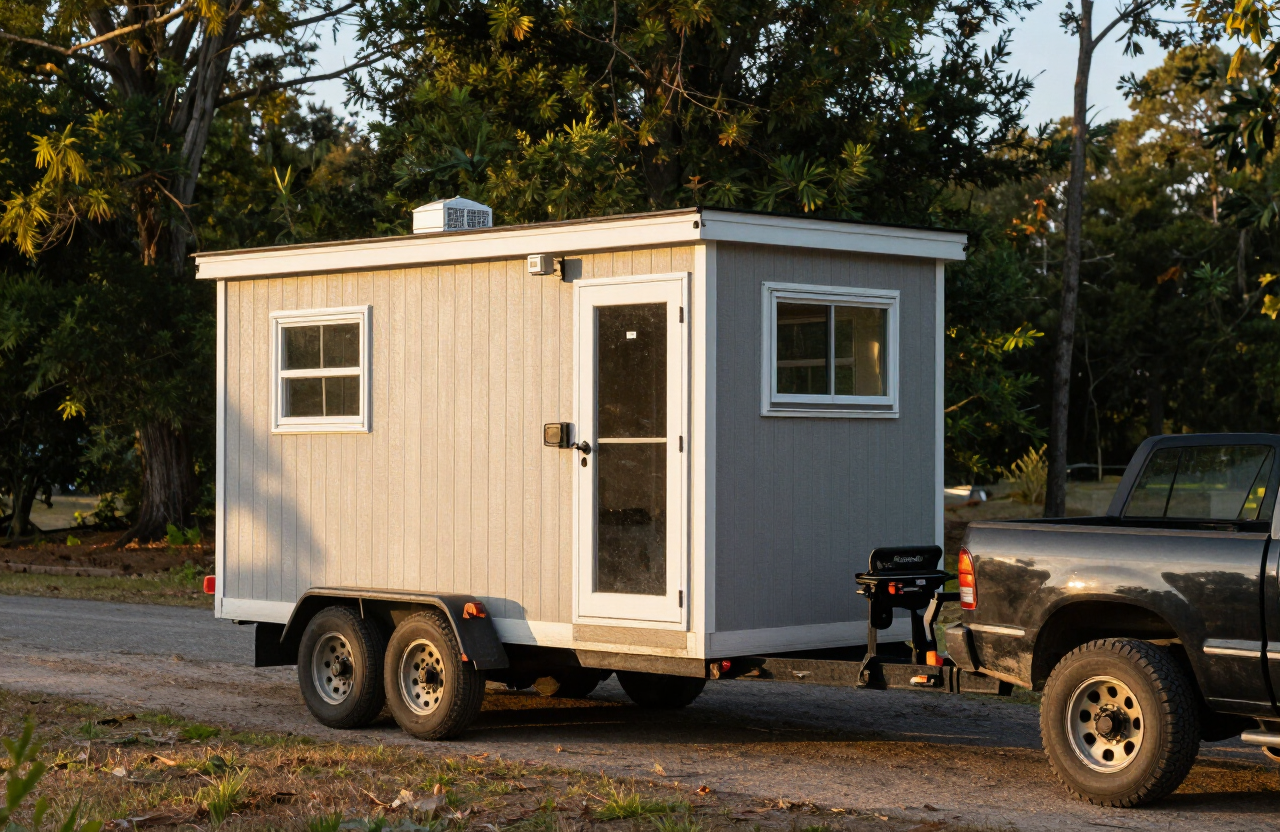
Finished tiny house on wheels being delivered on a trailer towed by a pickup truck to a wooded homesite

Red flags and green flags at a glance

Red flagGreen flag
No certification and dismissive of itNOAH, RVIA, or IRC build, verified
Full payment up frontMilestone-based payments
Vague estimate, no written scopeFixed-price contract with specs
No past customer referencesWilling to share multiple references
No warranty in writingClear workmanship + structural warranty
Pressure to decide immediatelyGives you time to review the contract

Making the final choice

Narrow your list to two or three builders, visit their workshops if you can, and call at least two references each. Compare quotes line by line — the cheapest is rarely the best value once you account for insulation, certification, and finish quality. Choose the builder who communicates clearly, builds to a recognized standard, and stands behind the home after delivery. Ready to start? Browse tiny home builders, compare home plans, or explore tiny homes for sale already built by reputable companies.

Related articles

More guides that dig deeper into the same topics.

Frequently asked questions

How much does a custom tiny home from a builder cost?+

Most reputable custom tiny homes run $50,000 to $120,000 depending on size, off-grid systems, and finish level. Compact stock models can start around $40,000, while fully off-grid luxury builds can exceed $150,000. Quotes far below this range usually cut corners on insulation, framing, or certification.

Should I choose a local tiny home builder?+

A local builder lets you visit the workshop and simplifies delivery, but do not rule out an out-of-state builder with a strong portfolio. Many top builders deliver nationwide. The quality of the build and the warranty matter more than proximity, though delivery costs rise with distance.

What certifications should a tiny home builder have?+

Look for NOAH or RVIA certification for a tiny house on wheels, or an IRC Appendix AQ build for a foundation home. These prove an inspector verified the structure, electrical, plumbing, and fire safety. Certification makes financing, insurance, and parking significantly easier.

How long does it take a builder to build a tiny home?+

A typical custom build takes 8 to 16 weeks of active construction, but waitlist times can add several months. Stock models may be available sooner. Get a firm delivery window in the contract, and ask how the builder handles weather and supply delays.

Do tiny home builders offer warranties?+

Reputable builders offer at least a one-year workmanship warranty and often a longer structural warranty. Check what is excluded — usually towing damage and owner modifications — and whether service is on-site or requires returning the home to the workshop.

What deposit does a tiny home builder require?+

Most builders ask for a 10 to 30 percent deposit to secure materials and a build slot, with the balance paid in milestones tied to framing, systems, and finish. Avoid any builder who demands the full price up front — that leaves you no leverage if the work slips.

Ready to start searching?

Browse tiny homes, plans, builders, communities and land on the interactive map.

Explore the map
>