Tiny House USA: Guide to Tiny Homes, Builders, Land & Living Small
15 min read · Updated October 13, 2026
By John
Introduction to Tiny House USA
Tiny houses in the United States range from 160-square-foot trailers to 800-square-foot foundation cottages, with most builds costing between $30,000 and $100,000. This guide covers the main types of tiny homes available across the US, realistic price ranges for 2024–2025, where they're legally allowed, and how to find listings, builders, communities, and land. The tiny house movement promotes living in homes of 400 square feet or less; the average traditional U.S. home spans over 2,500 square feet, which puts the scale of the shift into perspective.
Types of Tiny Houses in the USA
The term "tiny house USA" covers several distinct building formats, each with its own legal classification, price band, and set of trade-offs. Understanding these types is the first step in any tiny house journey.
Tiny Houses on Wheels (THOW) in the USA
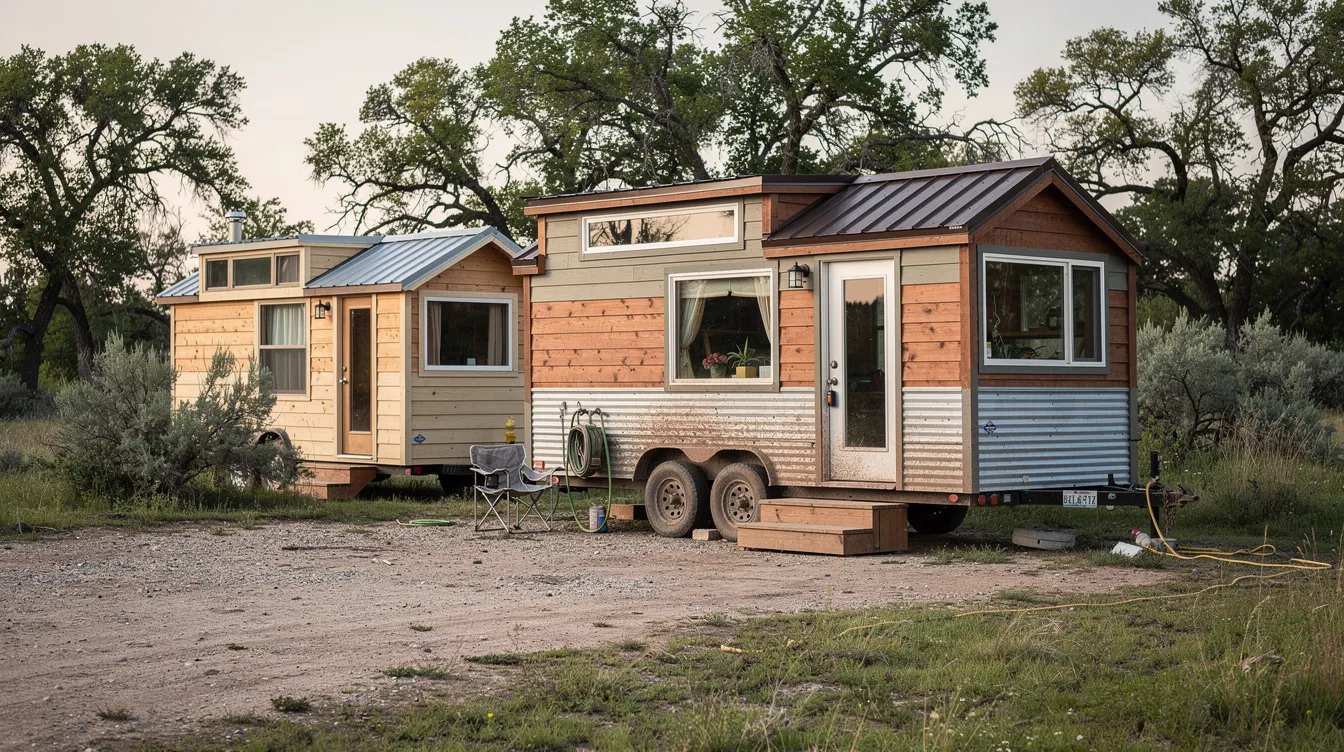
A THOW is a dwelling built on a trailer chassis, typically 160–400 sq ft (excluding lofts), with full cooking, sleeping, and sanitation systems. Tiny houses on wheels are classified as recreational vehicles by the DMV in most states, which determines where you can park, how you insure, and how you finance them.
Two certifications matter here. RVIA certified units comply with ANSI and NFPA standards for fuel systems, fire protection, plumbing, and electrical work. NOAH certification applies the NOAH Dwelling Standard, which sets safety, structural, electrical, plumbing, energy, and transportation rules specifically for THOWs intended for full-time occupancy. Lenders and insurers prefer one or both of these certifications; without them, financing options narrow to personal loans.
Price ranges in 2024–2025 break down roughly as follows:
Basic shells or minimal systems (140–200 sq ft): $10,000–$30,000
Mid-range finished units (200–300 sq ft): $50,000–$90,000
Luxury or off-grid models with premium materials: $95,000–$180,000+
Many tiny houses are built on wheels, allowing owners to relocate them to RV parks, tiny home communities, or private land with appropriate permits.
Foundation-Based Tiny Homes & Small Cottages
Foundation-based tiny homes are permanent dwellings under roughly 600–800 sq ft, placed on a slab, piers, or crawlspace. They follow conventional residential building codes or ADU regulations, which means permits, inspections, full utility hookups, and foundation work are all required. Many municipalities are beginning to embrace Accessory Dwelling Units for tiny homes, opening doors for backyard cottages, rental units, and downsized retirement homes.
Tiny houses on foundations must comply with local building codes and minimum square footage requirements, which vary by jurisdiction. Turnkey units in many US markets run $120,000 or more. In lower-cost regions, or with DIY and shell-built approaches, finished foundation cabin builds can land between $80,000 and $150,000. The higher cost compared to THOWs reflects the foundation, permitting, and utility connection work rather than the structure alone.

Park Model Tiny Homes (ANSI A119.5)
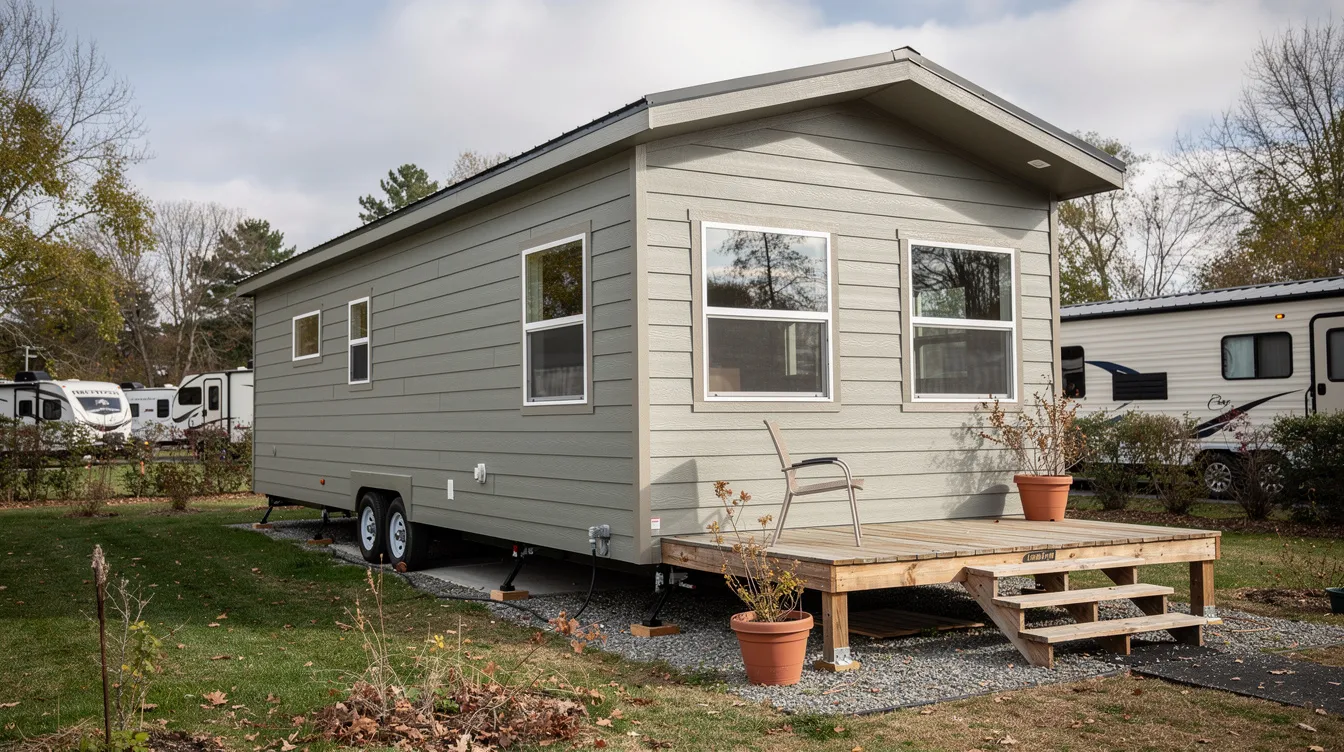
Park model RVs follow ANSI A119.5 standards, are typically 10–14 ft wide, and are transported to a pad where they stay semi-permanently. Common settings include seasonal RV resorts, tiny house communities, and long-term parks that accept park model units.
The park model format offers more space and a more residential feel than most THOWs, with prices generally running $70,000–$150,000 depending on state and spec level. The trade-off: once placed, a park model is difficult and expensive to move again, and placement is restricted to parks and communities that specifically allow them.
DIY Conversions & Alternative Tiny Dwellings
Skoolies (converted school buses), van builds, container conversions, and shed-to-cabin projects are a popular entry point. Owners report spending $15,000–$45,000 for DIY THOW shell builds; container conversions start around $25,000 and climb with custom work. While these alternative dwellings attract interest, they face stricter zoning, building code, and insurance challenges than purpose-built tiny houses. Regulations around tiny houses can be a significant hurdle for potential owners, and this is especially true for unconventional builds that don't fit neatly into RV or residential classifications.
What to Look For in a Tiny House (USA Market)
US tiny house buyers need to evaluate build quality, code compliance, mobility potential, and suitability for local climate. Each of the following aspects shapes whether a tiny home will work for your situation.
Build Standards, Certification & Safety
Three main standards govern tiny homes in the US. Residential building codes (IRC/IBC) apply to foundation homes; states that have adopted IRC Appendix Q offer lighter code requirements for dwellings under 400 sq ft, covering ceiling heights, stair specifications, and related details. RVIA certification covers THOWs and park models under RV and ANSI standards. NOAH certification addresses THOWs built for long-term occupancy and costs approximately $2,750 for post-construction certification.
These certifications directly affect whether you can get insurance, secure financing, and legally place the home. For example, Mustard Seed Tiny Homes offers 4 NOAH certified tiny home models, which simplifies the insurance and placement process. Minimaliste specializes in 100% custom homes built to RVIA standards, and off-grid homes can also be built to RVIA standards when designed with the right systems.
Size, Layout & Storage Solutions
THOW sizes generally fall into three bands: 18–24 ft (compact, often studio layout), 26–30 ft (room for a loft bedroom and small office area), and 32–44 ft (full kitchen, dedicated sleeping space, sometimes main-floor bedroom for accessibility). Mint Tiny Homes builds tiny homes ranging from 22 to 44 feet in length, illustrating the range available from a single builder. Mint has created over 100 tiny homes since 2014.
Key layout decisions include loft vs. main-floor bedroom, full-size vs. compact kitchen appliances, and whether to dedicate space to a home office. Built-in storage (under-stair drawers, under-sofa compartments, toe-kick pullouts, exterior lockers) is critical for full-time living. Living in a tiny house may limit privacy and requires efficient use of space; families should walk through floor plans carefully before committing. Tiny Mountain Houses offers over 15 floorplans for customization, giving DIY-minded buyers a range of starting points.
Climate, Insulation & Off-Grid Readiness
A tiny home suited to Minnesota winters needs different insulation, heating, and moisture management than one built for Florida humidity or Arizona desert heat. Look for specific R-values in walls, floor, and roof; quality windows rated for your climate zone; and heating/cooling systems matched to the space (mini-splits, wood stoves, or propane furnaces).
Many tiny homeowners opt for off-grid living solutions to increase sustainability. Typical off-grid setups include solar arrays, lithium battery banks, composting toilets, and freshwater tanks. Off-grid living promotes self-sufficiency and reduced utility costs, but system sizing requires careful calculation. A 200-sq-ft home in a sunny climate needs a different solar array than the same home in the Pacific Northwest. Tiny homes can be customized for off-grid capabilities, but poor design leads to moisture problems, rot, and inefficient heating or cooling.
Utilities, Hookups & Everyday Practicalities
Full-hookup tiny houses connect to city water, sewer or septic, and grid power. Self-contained setups rely on tanks, composting systems, and solar. Standard RV park hookups provide 30A or 50A electrical service; knowing which your home requires determines where you can plug in.
Utility hookups and costs for tiny houses can impact the total budget for living. Propane systems handle cooking and heating in many THOWs. Greywater handling (from sinks and showers) varies by state regulation. Laundry solutions range from compact washer-dryer combos to shared laundry facilities in tiny home communities.
Reputation of Builders & Sellers
Research US builders through build galleries, customer reviews, and years in business. Liberation Tiny Homes started in 2015 and focuses on quality craftsmanship. Wind River builds between 12 and 15 custom homes per year, with prices ranging from $30K to over $100K depending on materials and customization. Tru Form Tiny offers customizable models with distinct exterior styles.
Red flags include: no written contract, no clear timeline, no references, and unclear warranty terms. Positive signs: active certifications (RVIA, NOAH), transparent specifications, detailed pricing breakdowns, and a gallery of completed builds. Companies that have been established for several years and can show a track record of delivered homes are a safer choice than builders with only social media presence.
How to Choose the Right Tiny House in the USA
Picking the right tiny home comes down to matching legal constraints, lifestyle needs, and budget realities. Here is a decision framework built around the criteria that matter most.
Where you can legally place it: US zoning and building rules differ by city and county. Start by determining whether you'll use an RV park, a dedicated tiny home community, rural land with few restrictions, or ADU zoning on property you already own. Zoning laws vary by locality and can restrict the placement of tiny homes, so confirm before you purchase.
Full-time living vs. occasional use: A vacation or Airbnb unit can be smaller and simpler. Full-time living through all four seasons, especially with remote work, kids, or pets, requires more space, better insulation, and dedicated storage. Tiny house lifestyles are appealing to individuals seeking lower housing expenses and greater autonomy; the appeal varies across demographics, from young adults to retirees.
Mobility vs. permanence: THOWs suit frequent moves or temporary placements. Foundation homes and park models offer long-term stability and easier permitting. Decide early whether you need wheels or roots.
Budget, financing & ongoing costs: Tiny homes typically cost between $30K to $100K for the structure. Below $60K, expect a basic or mid-range THOW. Between $60K and $100K, mid-range custom builds become possible. Above $100K, high-end finishes, off-grid systems, and foundation homes enter the picture. Financing options for tiny homes include personal loans and RV loans, with traditional mortgages rarely available. Many tiny homeowners live mortgage-free, cutting utility bills and maintenance costs. Smaller living spaces result in reduced property taxes and lower maintenance.
DIY, shell, or turnkey build: Building yourself can save 30–50% but requires construction skills and 6–18 months of work. Shell builds from a US builder give you a weathertight structure to finish on your own timeline. Turnkey units are move-in ready but carry the highest price. Rocky Mountain Tiny Houses offers builds ranging from $30K to $85K; Tiny Mountain Houses costs between $50K to $100K for turnkey options.
Location and lifestyle priorities: Consider proximity to cities, mountain vs. coastal settings, access to outdoor recreation, and climate. Explore listings filtered by state, region, or specific communities to narrow the field.
Tiny House USA: Laws, Zoning & Where They're Welcome
Legality is the single largest source of confusion for US tiny house buyers. Rules differ by state, county, and city, and a home that's perfectly legal in one jurisdiction may violate codes ten miles away.
Common US Legal Categories for Tiny Homes
Tiny homes fall into one of several legal buckets depending on their construction and placement:
Recreational vehicle / THOW: Classified as an RV when built on wheels and certified to RVIA or NOAH standards. Legal in RV parks and some tiny home communities; often prohibited as a permanent primary residence on private land.
Accessory dwelling unit (ADU): Foundation-based small homes on an existing residential property. Permitted in a growing number of cities and states. Nationwide ADU permits increased approximately 1,100% between 2015 and 2025.
Park model RV: Built to ANSI A119.5 standards, allowed in designated parks and communities. Semi-permanent placement.
Primary dwelling: Where local codes allow small primary homes, a tiny house on a foundation can serve as the sole residence. Minimum square footage rules (often 400–600 sq ft) and foundation requirements determine eligibility.
Appendix Q of the International Residential Code provides lighter requirements for dwellings under 400 sq ft. States that have adopted it statewide include California (mandatory in all jurisdictions since 2020), Florida, Georgia, Indiana, Louisiana, Minnesota, Montana, and Washington.
States & Cities Noted for Tiny House Friendliness
California, Oregon, Colorado, Texas, North Carolina, and Maine are frequently identified as more supportive states due to ADU laws, relaxed zoning, or code reforms. According to an August 2025 state ADU law taxonomy, 10 states had adopted strong ADU laws and 8 states had weaker but noticeable reforms. These laws remove owner-occupancy requirements, limit parking mandates, require by-right permits, and require both attached and detached ADUs to be allowed.
Concrete examples: Fresno, California allows both tiny homes on wheels and foundation units as backyard cottages under a specific city code section that covers towability, DMV registration, and appearance criteria. Durango, Colorado updated its Land Use Code in 2014 to explicitly allow tiny homes as ADUs; Escalante Village in Durango is a well-known tiny house community situated along the Animas River. The Tiny House Alliance USA was founded on October 8, 2020 to advocate for tiny house-friendly policies and promote multi-generational living.
Practical Steps to Check Rules for Your Location
Contact your local planning or zoning office. Ask specifically about RVs on private property, ADU regulations, minimum dwelling sizes, and park model placement.
Search your city or county codes online for terms like "accessory dwelling unit," "tiny home," "minimum dwelling size," and "park model."
Get approvals in writing before buying or moving a tiny house. Verbal assurances from staff do not carry the same weight as documented permits.
Tumbleweed helps connect people with tiny home communities across the U.S., which can be a useful resource for finding locations where tiny homes are already welcome.
Costs of Tiny Houses in the USA
Tiny homes are less expensive than conventional houses, but they are not inexpensive structures. Quality builds in the US carry real construction costs for materials, labor, systems, and certification.
Purchase Price Ranges by Type
The national average tiny home cost was $67,000 in 2024, with most homes falling between $35,000 and $80,000. Here is how prices break down by type:
THOWs: $40,000–$150,000 for 100–400 sq ft, depending on size, finishes, and off-grid systems. Minimaliste homes range from $50K to $120K based on customization. Mustard Seed Tiny Homes range from $56K to $76K. Wind River homes cost between $30K to over $100K depending on materials.
Park models: $70,000–$150,000, depending on size, finish level, and state.
Foundation small homes: $80,000–$150,000+ for finished builds; lower for shell builds or in low-cost labor markets.
Major cost drivers: square footage, custom work, off-grid systems (solar, batteries, water tanks), premium materials and appliances, and builder reputation. Tiny homes require fewer construction materials and less energy for heating and cooling than conventional houses, which keeps operating costs lower even when the per-square-foot build cost is higher.
Land, Pads & Community Fees
US tiny housers secure a spot in several ways: renting a pad in a tiny house village, leasing space in an RV park, buying rural land, or placing a unit in a backyard as an ADU. Tiny home communities encourage affordable and sustainable living options; tiny house communities are emerging as innovative solutions to address homelessness and affordable housing concerns tied to the broader housing crisis.
Land and pad costs vary widely. Monthly pad rents in tiny house villages and RV parks range from $300 to $1,000+ depending on location and amenities. Rural land in the Midwest can cost a fraction of coastal property. Foundational factors such as land acquisition, soil testing, septic or sewer connection, water source, electricity, road access, and setback requirements can double or triple the cost of the structure alone.
Operating Costs: Utilities, Insurance & Maintenance
Key recurring costs include electricity or propane, water and sewer (or septic maintenance), internet, and trash collection. Housing costs are a major concern for many seeking tiny living options, and ongoing expenses deserve as much attention as the purchase price.
Insurance depends on how the home is classified. RV-style policies cover certified THOWs; manufactured home policies apply where that classification fits; specialty tiny house policies exist but vary by state. Environmental benefits of tiny homes depend on construction practices and utility connections, so the actual savings from tiny living vary based on how the home is built and powered.
Trailer maintenance (frame rust prevention, tire replacement, bearing repacking), roof and siding upkeep, and mechanical system servicing (HVAC, plumbing, water heaters) represent ongoing costs over a 10+ year period. Tiny living encourages a simpler lifestyle by forcing an evaluation of possessions, and that simplicity extends to maintenance when the home is well-built.
Frequently Asked Questions About Tiny House USA
Are tiny houses legal to live in full-time in the USA?
There is no single national rule. Legality depends on city, county, and state zoning and building codes. THOWs are often allowed as RVs in parks or specific communities. Foundation tiny homes are often allowed as ADUs or small houses where codes permit. Readers must confirm with local authorities before buying or moving a tiny home.
How much does it really cost to live in a tiny house in the US?
A common scenario: a THOW purchased for $65,000, parked in a tiny house community with $400–$700/month pad rent, $50–$150/month utilities, $50–$100/month insurance, and periodic maintenance. Total monthly costs often land between $700 and $1,200, compared to the national median rent of roughly $1,500+ for a one-bedroom apartment in 2024. Savings come primarily from lower housing and energy costs, though the build itself is not necessarily cheap.
Can I finance a tiny house in the USA?
Common financing options: RV loans for RVIA certified THOWs and park models, personal loans for uncertified units, chattel loans, and HELOCs for ADUs built on property you own. Traditional mortgages are rarely available for tiny homes because HUD-backed lending requires minimum size thresholds and foundation requirements. Interest rates on RV and personal loans tend to run higher than conventional mortgage rates, with shorter repayment terms.
Where can I park or place a tiny house in the US?
Main options include: RV parks that accept tiny houses, dedicated tiny home communities, private land with proper permits, and backyards zoned for ADUs. Look for long-term vs. seasonal placement options, and check rules around full-time residency. Some places welcome tiny houses only in certain zones or designated parks.
Is a tiny house worth it compared to a small apartment or condo?
Ownership of the structure, lower energy use, and the ability to relocate (for THOWs) are concrete advantages. Access to nature, community settings, and outdoor space often exceeds what apartments offer. On the other side: legal complexity, the need for land or pad access, a smaller financing ecosystem, and maintenance responsibilities fall entirely on the owner. Trying a short-term tiny house rental before committing helps clarify whether the lifestyle fits.
Start Exploring Tiny House USA
Tiny houses in the USA come in several forms, each with different rules, costs, and lifestyle implications. Clarify where you want to live, how mobile you need to be, and what your budget allows. From there, explore tiny homes, builders, communities, and land listings across the United States to take your next step.
Related articles
More guides that dig deeper into the same topics.
- Legal & ZoningZoning Laws and Tiny Homes: What You Need to Know
- Legal & ZoningBuilding Codes for Tiny Homes: Legal Requirements
- Utilities & SystemsWaste Management in Tiny Homes: Septic and Composting
- ConstructionTiny Houses Company Guide: How to Find Builders, Compare Options & Choose Smarter
- ConstructionHow Long Does a Tiny House Last? (Realistic Lifespans, Examples & What Actually Matters)
Ready to start searching?
Browse tiny homes, plans, builders, communities and land on the interactive map.
Explore the map