How Long Does a Tiny House Last? (Realistic Lifespans, Examples & What Actually Matters)
15 min read · Updated October 17, 2026
By John
Key Takeaways
Well built tiny houses on a solid foundation typically last 30–50+ years; tiny homes on wheels usually last around 15–30 years with good maintenance.
Build quality, materials (such as metal roofing and fiber cement siding), climate, and how frequently a tiny home is moved matter far more than size alone.
The lifespan of the tiny lifestyle-how long people actually continue living tiny-is a separate question from structural lifespan. Most people live tiny for six months to a few years, though the structure itself can last decades longer.
Small cottages built in the 1940s–1960s are still occupied in 2026, proving that a small house does not mean a short-lived house.
TinyHomeMap, as a global tiny home directory, helps people compare builders, models, and communities with stronger durability track records.
Introduction: Tiny Houses, Time, and What "Lasts" Really Means
The tiny house movement has grown from a fringe curiosity into a legitimate housing alternative over the past two decades. In 2026, most people considering a tiny home aren't just asking about cost or freedom-they want to know: how long does a tiny house last before it needs serious repairs or replacement?
That question actually contains two separate questions. First, how long will the tiny house structure itself hold up? The short answer is anywhere from 20 to 100 years, depending on a few factors like materials, foundation type, and climate. Second, how long do people actually stick with the tiny lifestyle? That's a lifestyle question, and the answer ranges from a short term reset of six months to a permanent, decades-long commitment.
A tiny home on a permanent foundation ages much like a traditional home. A tiny house on wheels faces more stress. And at TinyHomeMap, we regularly see listings for tiny homes built 8–15 years ago that are still in excellent condition-real-world proof that tiny doesn't mean temporary. The rest of this article walks through what actually controls how long your tiny house will last: construction, movement, weather, maintenance, family growth, insurance, and resale value.

Quick Answer: Typical Tiny House Lifespan by Type
If you want the answer before the deep dive, here it is spelled out by type:
Tiny house on a permanent foundation: Usually 30–50+ years of comfortable use. With excellent build quality, quality materials, and regular maintenance, these can realistically reach 80–100 years-basically the same as a traditional house. Foundation-built tiny homes last 30 to 50 years under normal conditions, and stationary tiny homes can last as long as traditional houses.
Tiny house on wheels (THOW): Around 15–30 years of full-time use. Tiny homes on wheels typically last 15 to 30 years, with the range depending heavily on towing frequency and climate exposure. Tiny houses on wheels often have a shorter lifespan compared to traditional homes because of the mechanical stress involved.
Converted vans, buses, and RV-style builds: Closer to 10–20 years of ideal use before major overhauls are needed. These share more DNA with recreational vehicles than with residential construction.
These ranges overlap significantly with conventional homes. Consider that WWII-era cottages built between 1935 and 1950-many under 1,000 square feet-are still occupied across the United States in 2026. Tiny houses can last 30–50 years with strong materials and maintenance, and high-quality builds can last 70 years or more, rivaling traditional homes. Structurally, well built tiny houses can outlast someone's interest in living tiny. Whether you plan to live in yours for two years or twenty, the structure itself shouldn't be the limiting factor.
What Is the Lifespan of a Tiny House Structure?
When we talk about lifespan, we mean comfortable, safe, and efficient years of use-not the absolute maximum a building could stand before demolition. Well-built tiny houses last 20–30 years under normal conditions even with average materials, provided they're maintained. With durable materials and proper care, those numbers climb significantly.
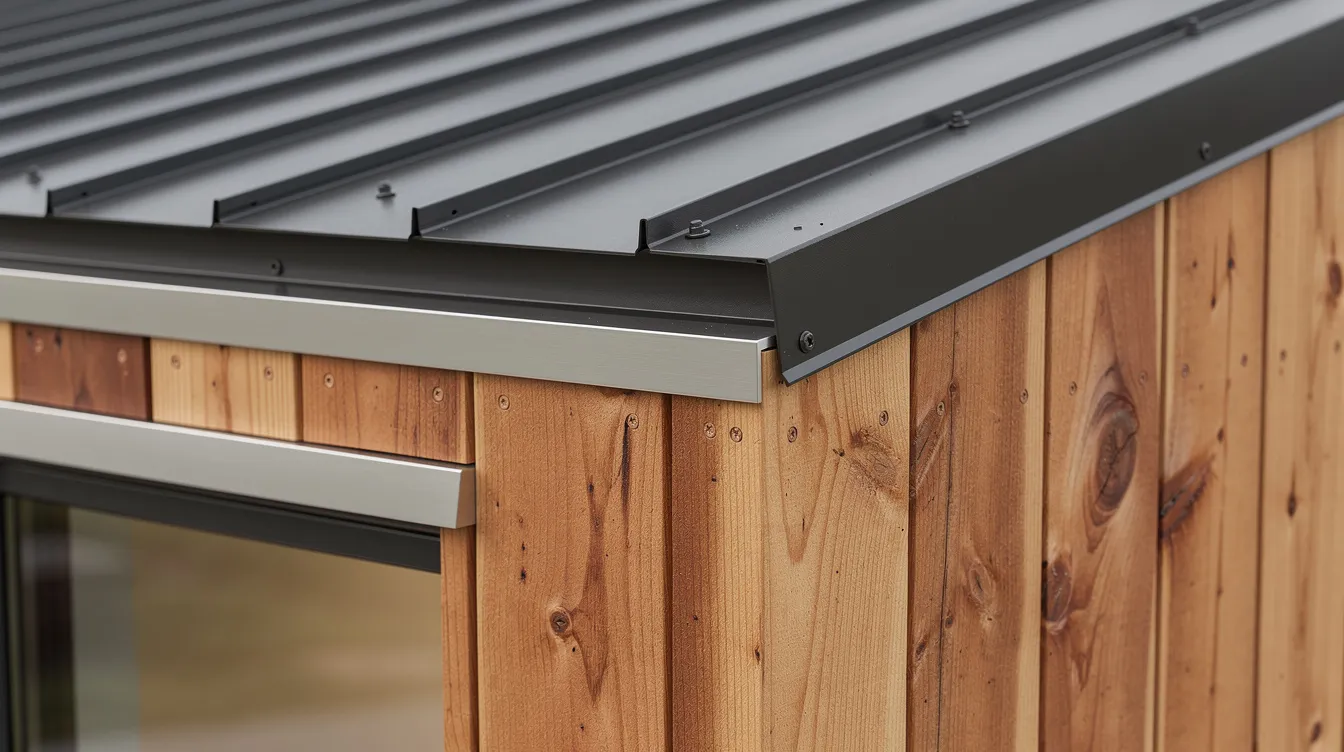
Modern metal roofing can easily last 40–70 years. Standing seam metal roofs often exceed 50 years, while exposed-fastener metal roofs hold up for 25–40 years depending on environment. Metal roofing lasts 30–50 years on the conservative end, while asphalt shingles last 20–30 years. Steel framing can last over 50 years, making it a strong choice for the long haul. Fiber cement or high-quality wood siding, properly sealed every few years, can last decades without replacement.
Post-2010 tiny homes built with better insulation, house wraps, and ventilation systems tend to age more like modern energy-efficient homes than like RVs. Tiny houses may last anywhere from 20 to 100 years based on various factors including construction era and material selection. Buyers can use directories like TinyHomeMap to check year-built, materials, and builder reputation to better estimate remaining lifespan when browsing listings.
Foundation vs Wheels: How Mobility Changes Longevity
The same 200-square-foot space can age very differently depending on whether it sits on a concrete slab, pier blocks, or a steel trailer. Foundation homes avoid stress from movement and vibrations entirely, which is a massive advantage for long term durability.
Foundation-built tiny homes:
Typically last 30–50+ years, performing similarly to a small traditional home
Less subject to flexing, vibrations, and road debris
Easier to weather-seal around utilities since the structure is static
Less movement reduces stress on the overall structure
Tiny houses on wheels (THOWs):
Typical long term use between 15–30 years, with faster wear on sealants, fasteners, and cabinetry
Frequent moving accelerates aging in tiny homes on wheels-each relocation stresses joints, loosens screws, and creates micro-cracks in caulking
Tiny homes on wheels require more maintenance than foundation homes
Tiny houses on wheels age faster than stationary homes because of ongoing vibrational and mechanical stress
Frequent relocation of tiny houses on wheels can lead to increased wear and tear that compounds over time
Frequent moves stress tiny house structures and accelerate aging even in well-built units
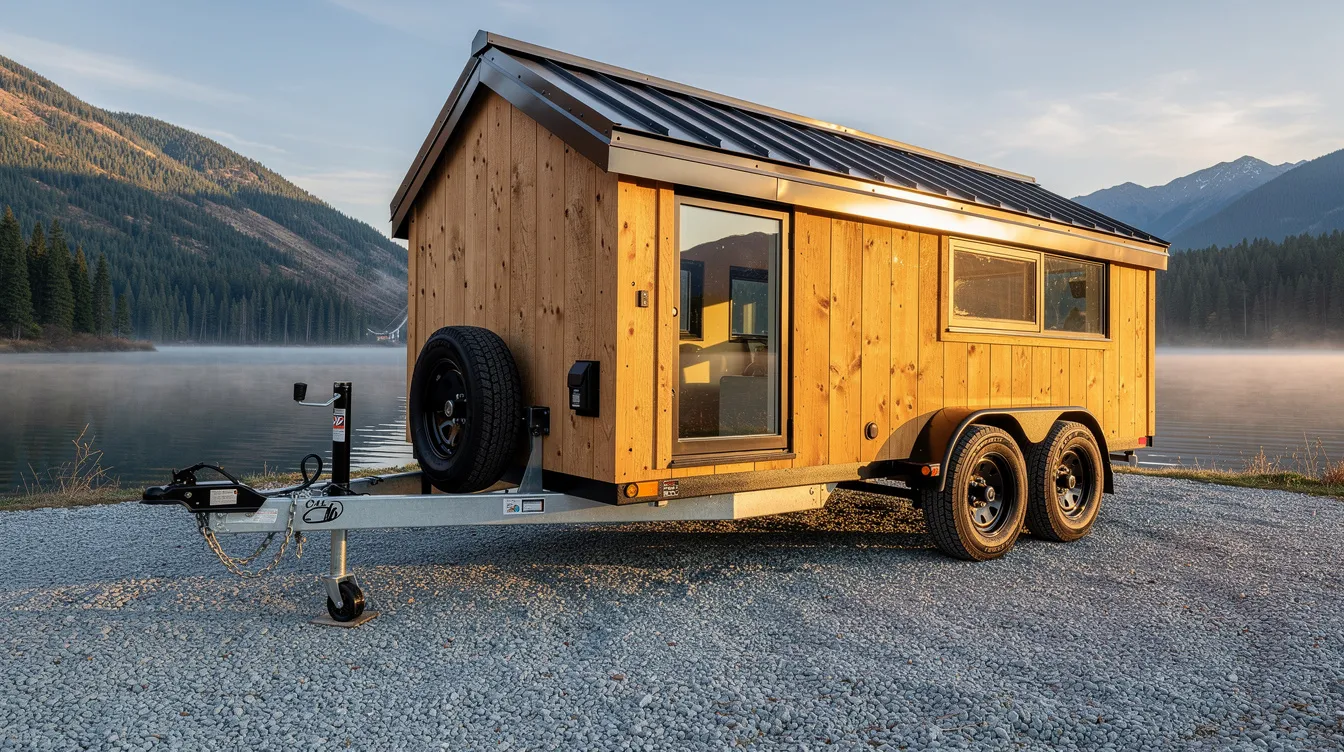
For THOW owners who want to maximize lifespan: limit major relocations to no more than 3–4 per year, re-torque lug nuts after every move, inspect the roof and corners for cracks after each trip, and replace trailer brakes and tires at realistic mileage intervals. Some builders in the TinyHomeMap directory specialize in heavy-duty THOWs with beefed-up frames, steel studs, and commercial-grade finishes designed for more frequent travel.
Build Quality and Materials: The Biggest Factor You Control
Build quality is more important than square footage when predicting how long a tiny house will last. Construction quality and materials are critical determinants of a tiny house's durability-this is the factor you have the most control over, whether you're building or buying.
Structural choices that improve lifespan:
Screws instead of staples in key shear walls and roof structures
Proper weatherproofing: house wrap, flashing tape around windows and doors, roofing underlayment
Steel or engineered lumber framing in high-stress areas
Exterior material choices:
Metal siding or fiber cement siding versus cheap vinyl-metal siding can last roughly 50 years when well installed
Expect to repaint or reseal exterior surfaces every 5–10 years depending on climate
Quality materials and effective waterproofing enhance the longevity of tiny houses significantly
Interior durability in a small space:
Commercial-grade or waterproof flooring, especially important with kids or pets
Moisture-resistant materials in bathrooms and around the kitchen: cement board, tile, high-quality caulks
Non-toxic paints and stains with good vapor control reduce condensation and rot over the long run
Tiny houses can last 30–50 years with strong materials, and the whole point of investing in better components upfront is saving money on repairs later. When browsing TinyHomeMap, compare material callouts and photos, and when possible ask builders for spec sheets and warranty details before buying.
Climate and Location: How Weather Can Shorten (or Extend) Life
Where you park your tiny home matters almost as much as how it's built. Climate and environmental exposure significantly affect how fast tiny houses degrade, and climate conditions significantly affect the lifespan of tiny houses regardless of build quality.
Cold and wet climates (Pacific Northwest, coastal regions, Scandinavia):
Humidity and heavy rainfall increase the risk of mold and wood rot in tiny homes
High R-value insulation, continuous air barriers, and mechanical ventilation (HRV/ERV systems) are essential
Research on wooden cottages in Estonia showed that dry rot can end a structure's usable life in just 10 years when water intrusion occurs and maintenance is deferred
Hot and sunny regions (Arizona, Southern Spain, Australia):
UV damage breaks down roofing coatings, siding, and sealants faster
Thermal expansion and contraction stress caulking and joints, requiring more frequent inspection
Extreme weather zones:
Hurricanes, tornadoes, and flooding demand tie-downs, elevated foundations, and storm-rated windows where building codes require them
Inspect roofing and window seals before and after monsoon or hurricane seasons, or after heavy snow loads
Water intrusion is a primary threat to the integrity of tiny houses in any climate. TinyHomeMap's location filters help you find tiny house communities and land in climates that match the maintenance level you can realistically handle.

Maintenance Habits: The Difference Between 15 Years and 50 Years
Even a perfectly built tiny home will degrade quickly without routine care. Because close quarters mean small leaks and condensation spread faster in a tiny space, regular maintenance is non-negotiable.
Key recurring tasks:
Biannual roof, flashing, and sealant inspections; prompt resealing of any cracked caulk
Annual checks of plumbing connections, water tanks (for off-grid systems), and under-floor areas for signs of moisture
Routine checks for leaks and structural integrity are necessary in tiny house upkeep
Routine inspections can significantly extend the lifespan of tiny homes
Interior upkeep:
Ventilating during cooking and showers to avoid trapped humidity-humidity control and adequate ventilation are vital in tiny homes to prevent hidden damage
Monitoring corners, window sills, and under-bed storage for early signs of mold
Proper moisture control is essential for maintaining tiny homes in any climate
Regular maintenance helps catch minor issues before they escalate into major problems, and regular maintenance can significantly extend a tiny house's lifespan by years or even decades. The good news? Replacing all flooring in a 200-square-foot tiny home can cost up to 80–90% less than in a standard house because of the smaller size, making it easier to refresh and extend lifespan.
Create a simple yearly maintenance checklist for long term tiny house health. Some builders and communities listed on TinyHomeMap provide such schedules to owners as part of the purchase process.
How Long Do People Actually Live Tiny? Lifestyle vs Structure
There's a meaningful difference between tiny home longevity and tiny lifestyle longevity. At TinyHomeMap, we frequently see people list tiny homes for sale after only 1–5 years of use-not because the structure failed, but because their lives changed.
Tiny living as a short term strategy:
Many households use tiny homes for six months to two years to pay down debt, test a new location, or bridge between rentals and a land purchase
For these people, the tiny home's potential 30-year lifespan far exceeds their planned stay
This approach is basically a financial tool-saving money while maintaining housing freedom
Long term or permanent tiny living:
Couples, singles, and retirees who choose to live in a minimalist lifestyle for 10–20+ years, valuing low cost and free time over more space
Small cabin-style homes built in the 1980s and 1990s still function well in 2026, showing the viability of long term tiny living
Family growth and life changes:
Common transition points include a new baby, kids needing privacy, caring for an aging parent, or needing a dedicated home office
Many tiny homeowners keep the original tiny home as a rental, guest house, or home office even after they upsize, extending its useful life well beyond their own tiny lifestyle phase
TinyHomeMap frequently lists tiny homes being rehomed for these life changes-not because the structures have reached the end of their lives, but because the world moves on and families evolve. Most people who leave tiny living do so for lifestyle reasons, not structural ones.
Durability Features to Look For When Buying or Building
If you're in the research or purchasing phase and want to plan for the long haul, here's what to focus on:
Structural must-haves:
Engineered trailer or foundation sized for the load, with anti-rust coatings in coastal or snowy regions
Proper anchoring to the trailer or foundation, including hurricane straps where required by building codes
Building envelope priorities:
High-quality house wrap, properly lapped and taped
Roof overhangs to protect walls; metal roofing where feasible
Flashing and drip edges installed to manufacturer specs
Mechanical and utility durability:
Access panels for plumbing and wiring to allow future repairs without tearing out walls
Reliable heaters, mini-splits, or wood stoves sized correctly for the space
Written warranties:
Structural warranties on framing and trailers
Manufacturer warranties on windows, roofing, and appliances
When reviewing listings on TinyHomeMap, scan for these features in descriptions and photos-visible roof overhangs, metal roofing, and siding details are all indicators of a build designed to last.
Insurance, Financing, and Resale: Protecting Your Tiny Investment
A tiny house expected to last decades is more valuable if you protect it with appropriate insurance and plan for resale-a point many tiny house enthusiasts overlook.
Insurance for THOWs: Many owners use comprehensive RV or specialty mobile home insurance to cover both in-transit and parked risks. Self-built tiny homes can be harder to insure unless they meet certification standards like NOAH or RVIA in the U.S.
Insurance for foundation tiny homes: Often closer to small house or cabin policies, but must meet local building codes and zoning requirements.
Financing and lifespan: Longer expected lifespans make traditional-style financing more feasible, which can influence build quality choices-lenders want to know the asset will hold value.
Resale value and durability: Foundation tiny homes on owned land tend to hold value similarly to other small houses. Well-maintained THOWs retain value better than many RVs if they are under 15–20 years old with documented maintenance. A durable tiny home reduces your carbon footprint and can become a long term financial asset rather than a depreciating vehicle.
Review age, maintenance history, and build details in TinyHomeMap listings to gauge expected remaining lifespan and future resale potential.
Photographing Long-Lasting Tiny Homes: Image Guidelines for Listings
High-quality photography helps buyers evaluate build quality and long term durability when browsing tiny homes on TinyHomeMap. Photographs should be architectural-style, HDR, photorealistic images that clearly show materials, joinery, and condition-not generic or AI-generated-looking imagery.
Essential shots to include:
Exterior wide shots in natural light showing rooflines, siding, foundation or trailer, and surrounding land
Close-ups of critical details like metal roofing seams, window flashing, siding joints, and trailer frame
Interior shots of kitchen, bathroom, lofts, and storage areas captured with balanced exposure
Use consistent color correction so wood tones, metal finishes, and wall colors look realistic. Clear, detailed photos of older tiny homes (5–10+ years) in good condition visibly demonstrate how well the home has aged and maintained its structure. Listings on TinyHomeMap with professional-level photographs attract more serious buyers and resell faster.
How TinyHomeMap Helps You Find Durable Tiny Homes and Communities
The question "how long does a tiny house last?" directly connects to how people use TinyHomeMap when choosing homes, builders, land, and communities for the long run.
TinyHomeMap aggregates tiny homes for sale and rent (both THOWs and foundation-built), tiny home builders and manufacturers with different construction standards, and land and tiny home communities where zoning supports long term living. Users can filter listings by size, year built, construction type, and features like metal roofing, off-grid systems, or community amenities that impact durability.
Every submission is reviewed before publication, helping weed out low-quality or incomplete listings so buyers can expect a bit more confidence in what they find. Prospective long term tiny homeowners can compare older versus newer tiny homes to see how materials age in real photos, and evaluate different builders' approaches to weatherproofing, insulation, and trailer design.
Explore TinyHomeMap to find tiny homes, plans, or communities designed to last through your next decade of life changes.
FAQ: Tiny House Lifespan Questions
Can a tiny house realistically last 50+ years?
Yes. A tiny home on a proper foundation, built with quality materials like a metal roof, good siding, and proper flashing, and maintained with good maintenance routines, can absolutely last 50 years or more. Small cottages from the mid-20th century are still in active use in 2026, proving this isn't theoretical. Hitting the upper end requires proactive maintenance and climate-appropriate design, but it's a realistic expectation for a well-planned build.
Does living in a tiny house full-time wear it out faster than using it as a vacation home?
Full-time use creates more wear on finishes, hinges, flooring, and plumbing fixtures-especially with multiple occupants, children, or pets. However, regular full-time occupancy also means owners spot small issues early. A well-maintained full-time tiny home can still enjoy a 20–30+ year structural lifespan with proper care.
Is it cheaper to renovate an aging tiny home or replace it entirely?
Because many tiny homes have far less square footage, major cosmetic renovations-new flooring, interior paint, updated cabinets-are significantly cheaper than for standard homes, making renovation the more attractive option in most cases. Replacement only makes more sense when there are serious structural problems like a badly rusted trailer frame or pervasive rot in the walls where rebuilding would approach the cost of a new unit.
How often should I expect to replace key components like roofing and siding?
Quality metal roofing often lasts 40–70 years. Asphalt shingles typically last 15–30 years depending on climate and elements exposure. Well-maintained fiber cement or metal siding can last several decades. Sealants, caulking, and exterior paint usually need attention every 3–10 years, and staying ahead of these small jobs has a disproportionate impact on total lifespan.
Will living tiny hurt my long-term financial plans if I later move back to a bigger house?
Many people use tiny homes as a short term strategy-six months to five years-to reduce housing costs and save money for land, retirement, or a future traditional home. A durable, well-maintained tiny home doesn't disappear from your balance sheet when you leave it. It can become a long term asset as a guest house, rental unit, or office, even if you eventually transition out of full-time tiny living and need more space for your family.
Related articles
More guides that dig deeper into the same topics.
Ready to start searching?
Browse tiny homes, plans, builders, communities and land on the interactive map.
Explore the map