Building
Framing a Tiny Home: Stick, SIPs and Steel Compared
6 min read · Updated December 12, 2025
By John
Three ways to frame a tiny home, each with different weight, insulation and cost trade-offs. Here is how to choose.
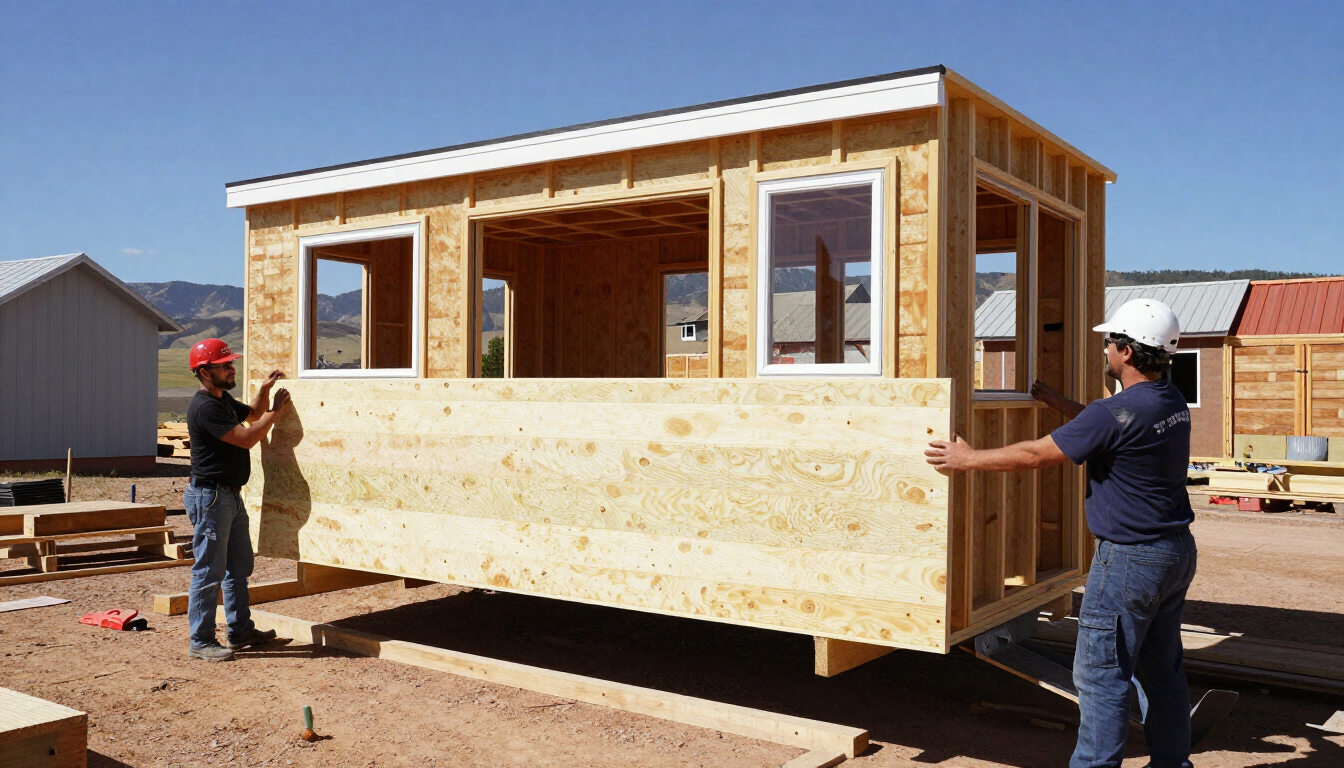
Stick framing: the default
Conventional 2x4 or 2x6 wood framing is the most familiar and the cheapest in materials, and any carpenter can work it. The downsides for a tiny home are thermal bridging through studs and the time it takes to frame a tight, square box on a trailer. Stick framing suits DIY builders and is covered in our
SIPs: fast and tight
Structural insulated panels (SIPs) are factory-made foam-core sandwich panels that go up in days instead of weeks and produce an exceptionally air-tight, well-insulated shell. They cost more upfront and require precise planning (panels are cut to order), but they cut labor dramatically and perform better than stick framing. SIPs suit builders who want speed and efficiency and can plan the whole shell in advance. See insulation for the R-values.
Steel framing: light and straight
Light-gauge steel studs are perfectly straight, lighter than wood, and immune to rot and pests — attractive for a mobile home. The catch is thermal conductivity: steel conducts heat far worse than wood, so a continuous rigid foam layer outside the framing is essential. Steel also requires different fasteners and tools. It suits builders concerned about weight and longevity on a trailer foundation.
Choosing for your build
For most owner-builders, stick framing plus exterior rigid foam is the pragmatic choice — learnable, cheap, good performance. SIPs win when time is tight or you want peak efficiency. Steel wins when weight or rot resistance is the priority. Whatever you pick, the design principles of volume and light still apply, and a square, level frame makes every later step easier.
Related articles
More guides that dig deeper into the same topics.
Ready to start searching?
Browse tiny homes, plans, builders, communities and land on the interactive map.
Explore the map