Design
Tiny Home Design Principles: Making Small Feel Spacious
7 min read · Updated January 15, 2026
By John
The seven design moves that separate a cramped box from a tiny home that feels open — vaulted ceilings, sightlines, light and layered zones.
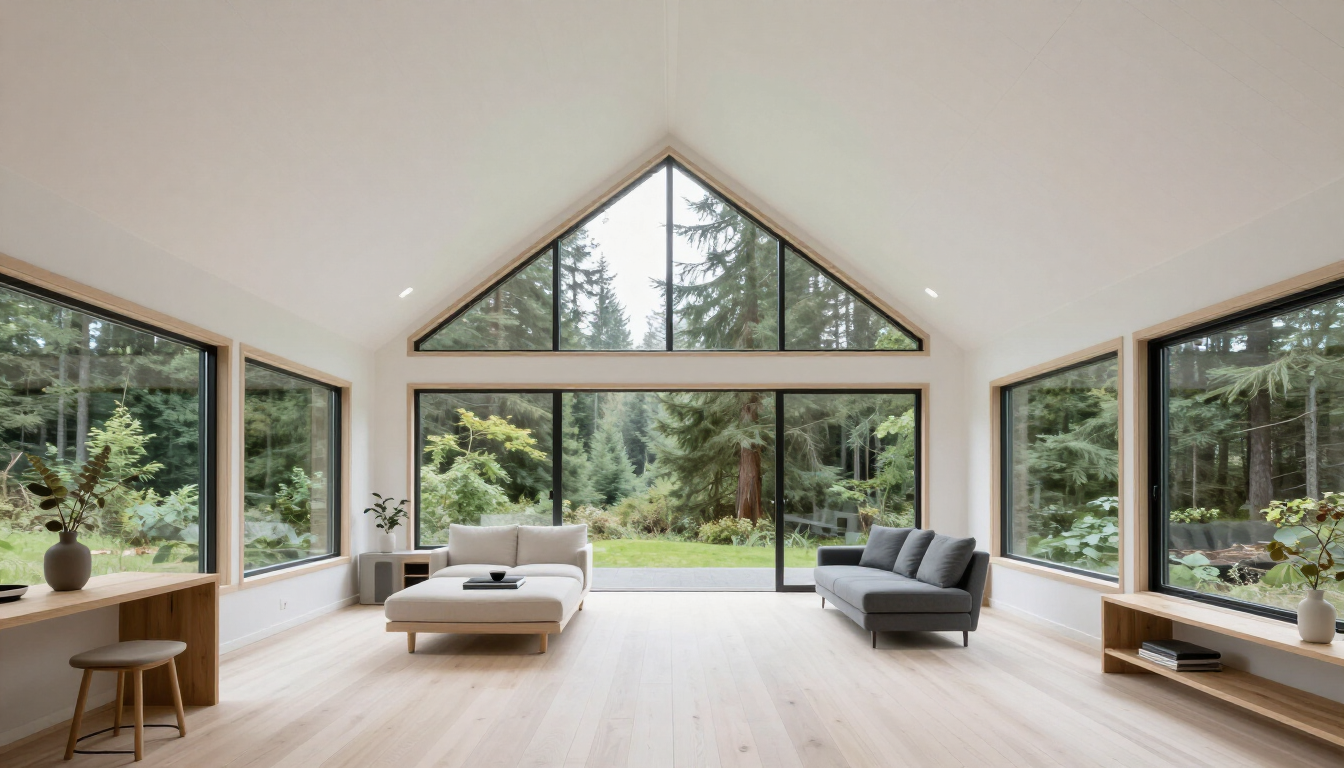
Volume beats floor area
The single biggest lever in tiny-home design is ceiling height. A 200 sq ft room with an 8 ft ceiling feels like a closet; the same footprint with a 12 ft vaulted ceiling and a loft feels like a home. Prioritize volume early in the design — once the trailer and roof pitch are set, it is expensive to change.
Protect your sightlines
A tiny home feels bigger when your eye can travel uninterrupted. Keep the entry axis clear, place tall furniture against the short walls, and avoid blocking windows with upper cabinets. A view through the home to a window at the far end adds perceived depth that no amount of square footage can match. Pair this with our advice on
Layer zones instead of rooms
Rather than boxing off separate rooms, design overlapping zones: the kitchen flows into the dining nook which flows into the lounge. Use floor level changes, rugs, lighting and ceiling height — not walls — to signal a new space. A dropped ceiling over the kitchen and a raised one over the lounge does more than a wall ever could.
Storage as architecture
In a small home, storage has to be structural. Stairs become drawer stacks, the toe-kick under cabinets holds shoes, and the chase between wall studs hides shelving. Design storage in at the framing stage — adding it later means losing headroom or floor space. See also our guide to multi-purpose furniture.
Choose finishes that recede
Light, continuous surfaces make a space read larger. Continuous flooring that runs from the door to the far wall, cabinetry that matches the walls, and a restrained color scheme all help. Contrast is powerful but use it deliberately — a single dark accent wall is a feature; a patchwork of colors shrinks the room.
Related articles
More guides that dig deeper into the same topics.
Ready to start searching?
Browse tiny homes, plans, builders, communities and land on the interactive map.
Explore the map