Design
Tiny Home Roof Types: Shed, Gable, Gambrel and Saltbox Compared
6 min read · Updated January 9, 2026
By John
Your roof shape decides headroom, loft space, snow load and how much solar you can fit. Here is how the four common tiny-home roofs compare.
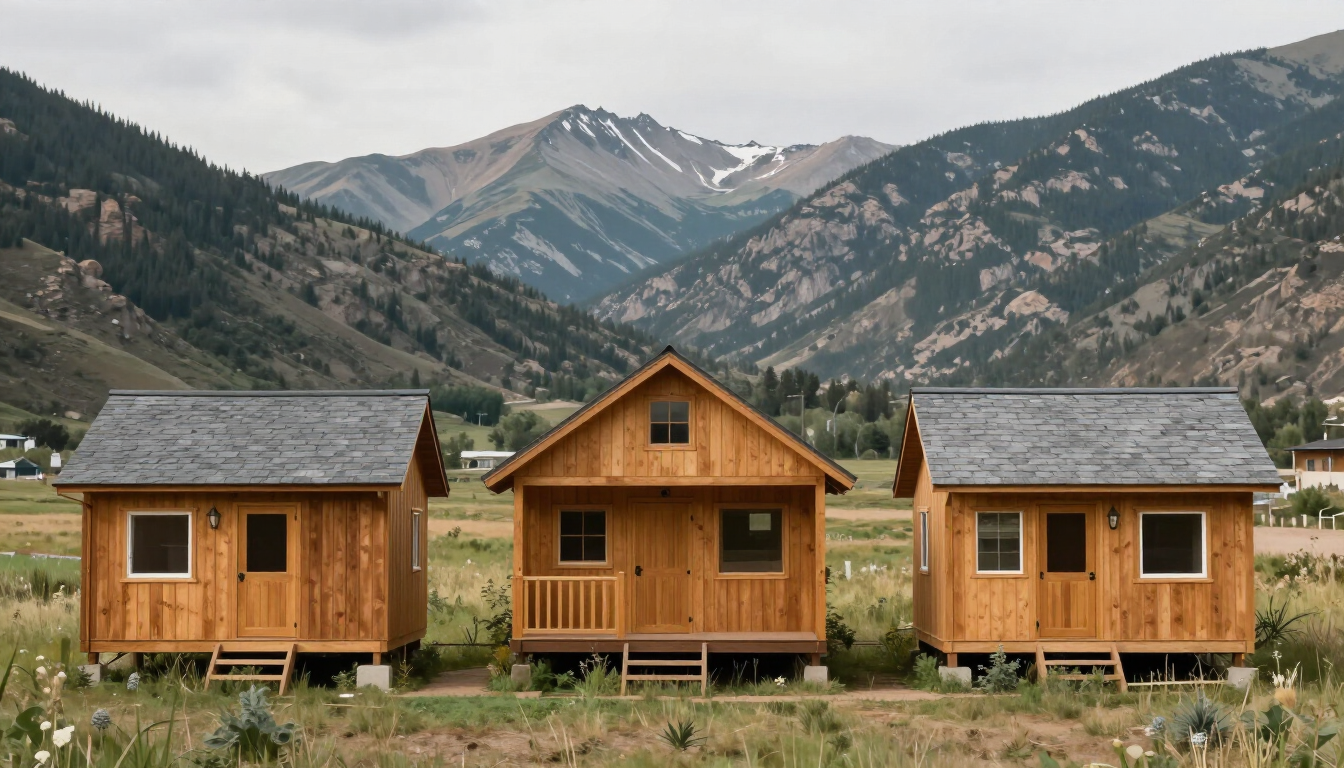
Shed roof: simple and solar-friendly
A single sloping plane is the easiest roof to build and the cheapest to sheath. The high side gives loft headroom on one end, and the broad flat-ish plane is ideal for mounting solar panels. The downside is wind exposure on the tall wall and less architectural character. Shed roofs suit modern architecture styles.
Gable roof: balanced and classic
The peaked gable is the most familiar shape and gives equal headroom on both sides of a center loft. It sheds snow well and is straightforward to frame. The downside for a tiny home is that the peak wastes usable volume unless you build a full-height loft. Gable roofs read as 'house' to neighbors and planners, which can help with permitting.
Gambrel: the barn loft maximizer
The gambrel (barn) roof creates the most loft floor area of any common shape — often doubling the usable upper space. That makes it popular for families who need a
Saltbox and considerations
A saltbox adds an asymmetric lean-to to a gable, giving extra headroom on one side while keeping a classic silhouette. Whatever shape you pick, size it for your climate: heavy snow loads demand steeper pitches and stronger rafters, and the roofing material you choose must suit the pitch. A 3:12 shed roof sheds water but not snow; a 12:12 gable handles both.
Related articles
More guides that dig deeper into the same topics.
Ready to start searching?
Browse tiny homes, plans, builders, communities and land on the interactive map.
Explore the map