Construction & Materials

Tiny Home Maintenance: Seasonal Care and Repairs

13 min read · Updated March 6, 2026

By John

A tiny home is a small building with big exposure — every seam, wheel, and roof edge matters. Here is a seasonal maintenance routine that prevents the most common and most expensive tiny home repairs.
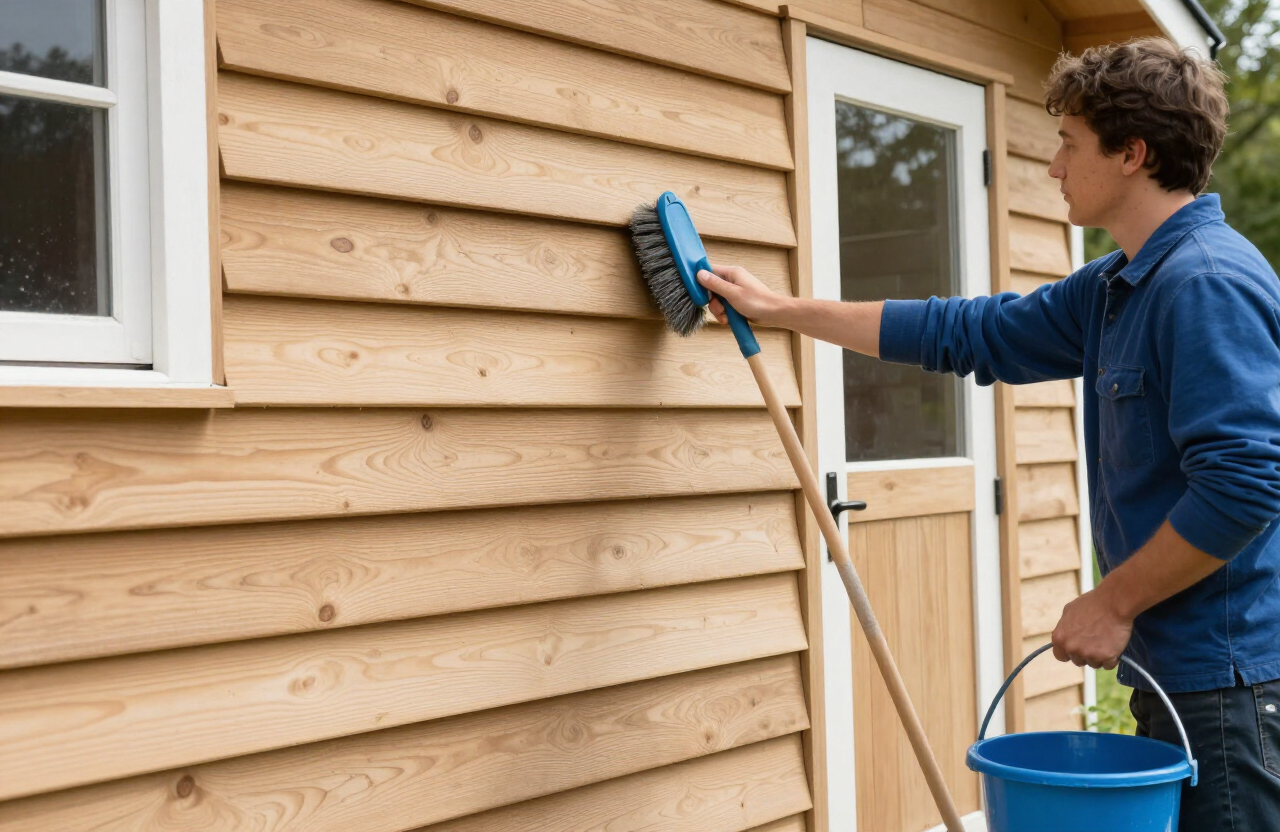
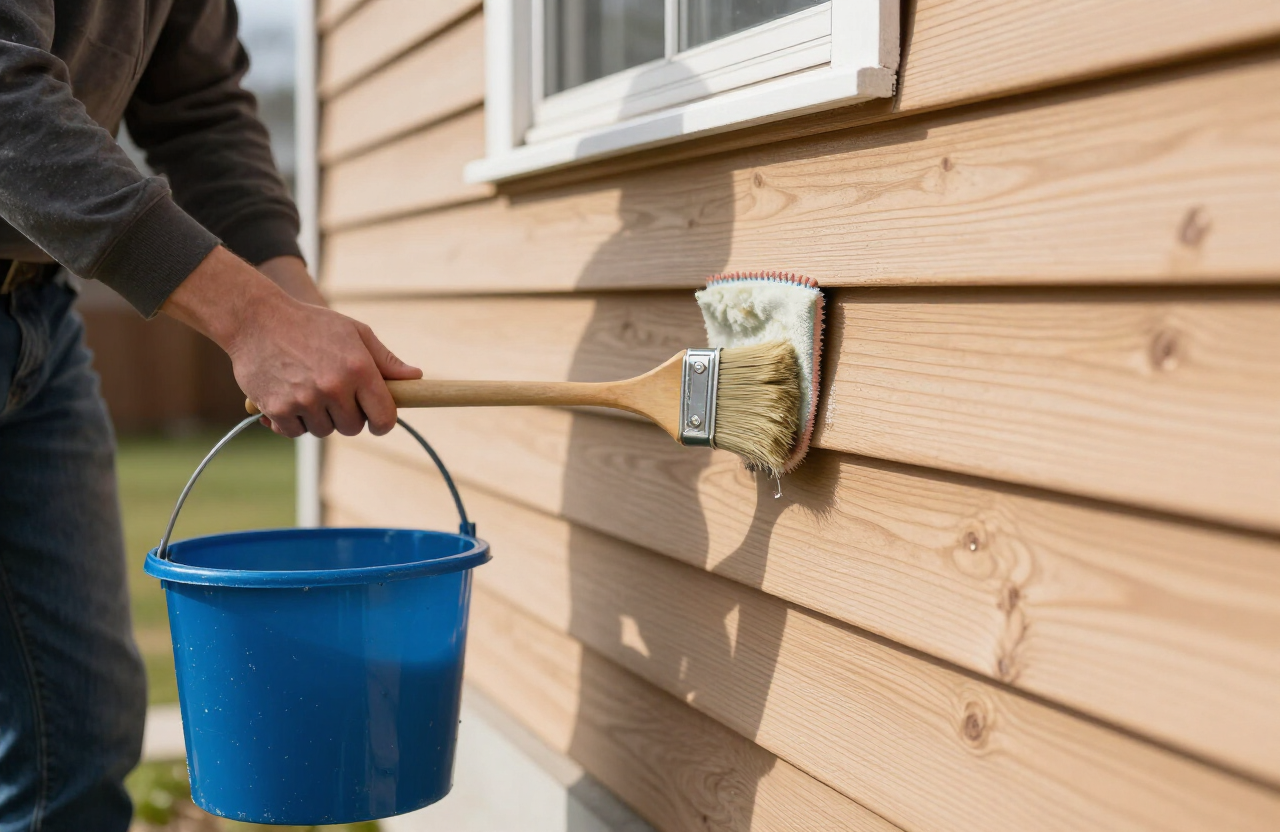
A person cleaning the exterior wood siding of a tiny house with a brush and bucket in sunny daylight

Why tiny homes need a maintenance routine

A tiny home has a high ratio of surface area to volume, which means more roof, siding, and seam per square foot of living space than a conventional house — and more exposure to weather. On wheels, it also has tires, axles, and a trailer frame that a foundation home does not. The good news: because the home is small, a thorough inspection takes an afternoon, not a week. A simple seasonal routine catches the small problems (a lifted shingle, a slow leak, a low tire) before they become expensive ones. Treat tiny home maintenance like changing the oil in a car — cheap insurance on a big asset.

Spring: inspect, clean, and reseal

After winter, walk the whole home and look for damage. Check the roof for lifted or cracked shingles and metal panel seams, and re-caulk any gap where sealant has shrunk or pulled away — around vents, plumbing penetrations, and the roof-to-wall junction. Clean the siding with a mild detergent and soft brush to remove mold and grime that trap moisture. Inspect window and door weatherstripping and replace any that is torn or compressed. Open the skirting or underbelly and look for signs of pests, water entry, or damaged insulation. Spring is also the time to test smoke and CO detectors and replace batteries.
A person cleaning and resealing the exterior wood siding of a tiny home in spring with a brush and bucket

Roof and gutter care

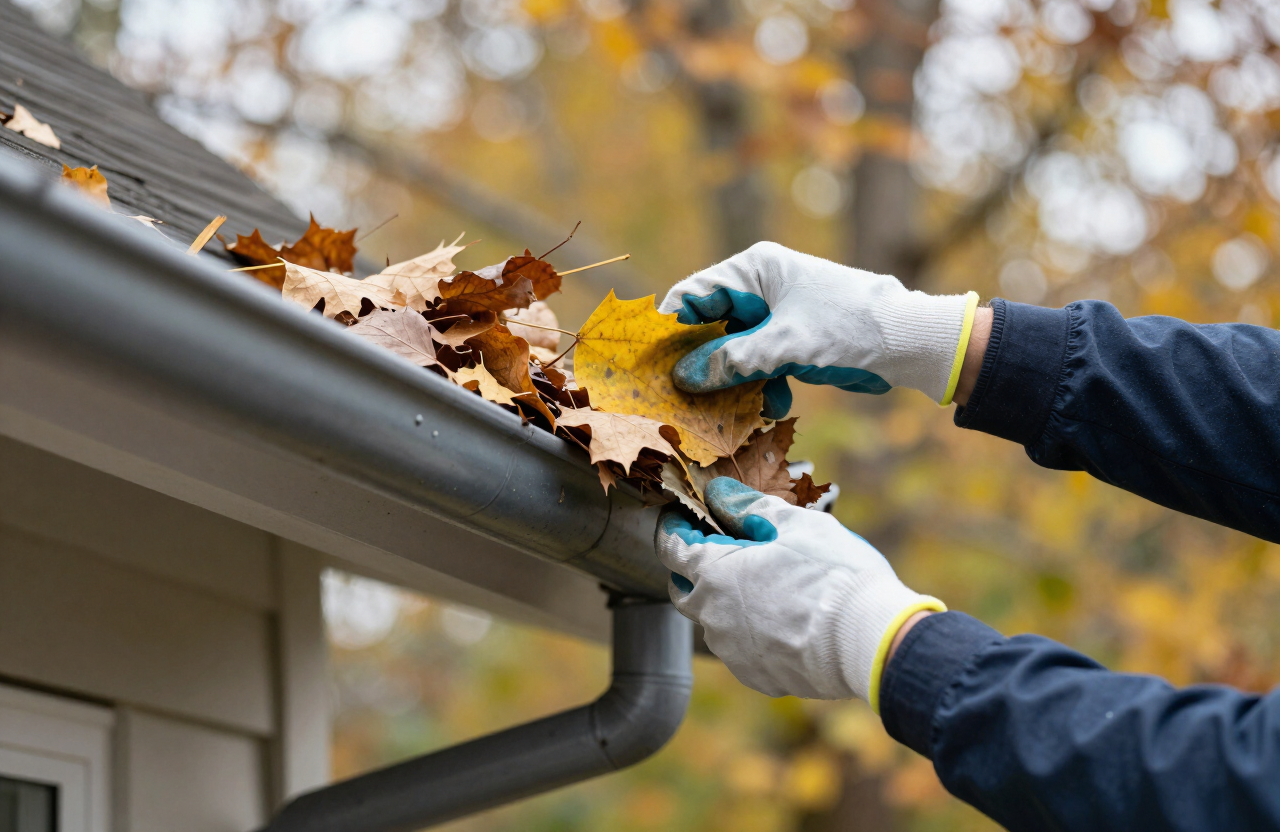
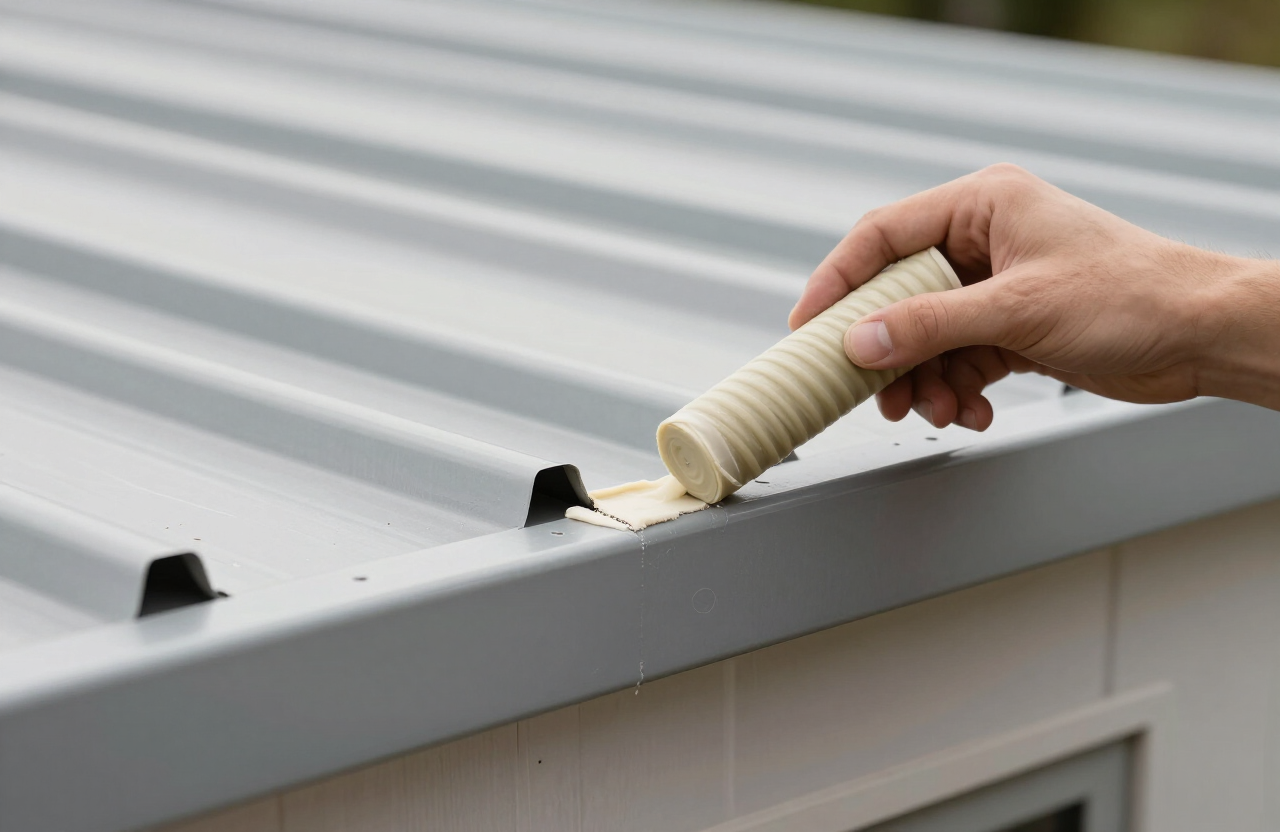
The roof is the most important surface on a tiny home because a small leak reaches everything fast. Inspect it twice a year — spring and fall — and after any heavy storm. On a metal roof, check the screws and butyl tape under the ridge cap and seams; on a shingled roof, look for curling, missing granules, and lifted tabs. Keep gutters and downspouts clear so water does not overflow and run down the siding, which causes rot and staining. If your home is under trees, gutter cleaning may be a monthly job in fall. Reseal roof penetrations every few years before they fail, not after.
A person clearing leaves from a tiny home gutter with gloved hands in an autumn setting

Summer: moisture, pests, and solar

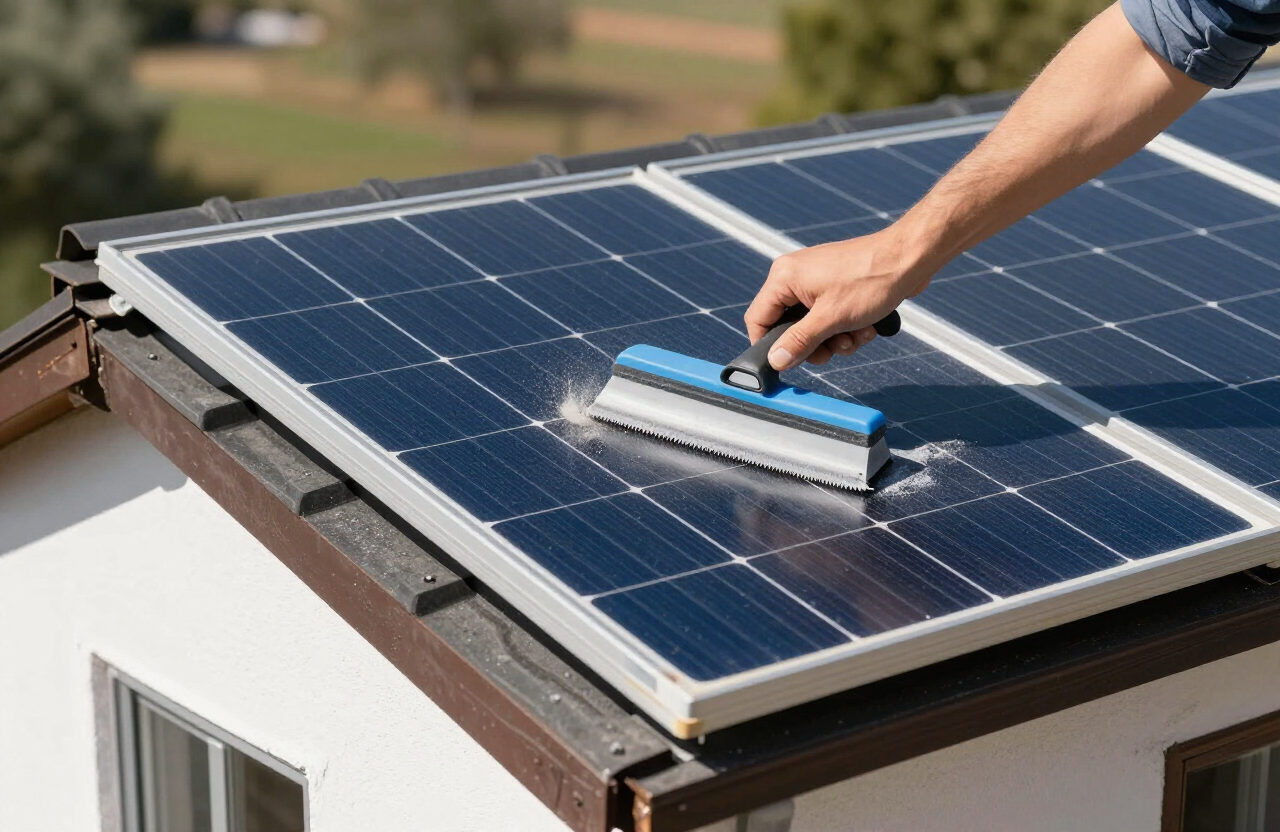
Summer heat and humidity test a tiny home's envelope. Check that bathroom and kitchen exhaust fans still move air freely and that their roof caps are not blocked by nests. Look for condensation or mold in corners and behind furniture — a sign that ventilation is falling behind. Inspect screens for holes that let insects in. If you have solar panels, a dusty panel can lose 15–20 percent of output, so rinse and squeegee them every few months in dry weather. Walk the perimeter for wasp or rodent activity and seal any new gaps in the skirting. Keep firewood and vegetation at least a foot from the siding to deter pests and allow drying.
A person squeegeeing and cleaning dust off rooftop solar panels on a tiny home on a sunny day

Fall: winterize before the freeze

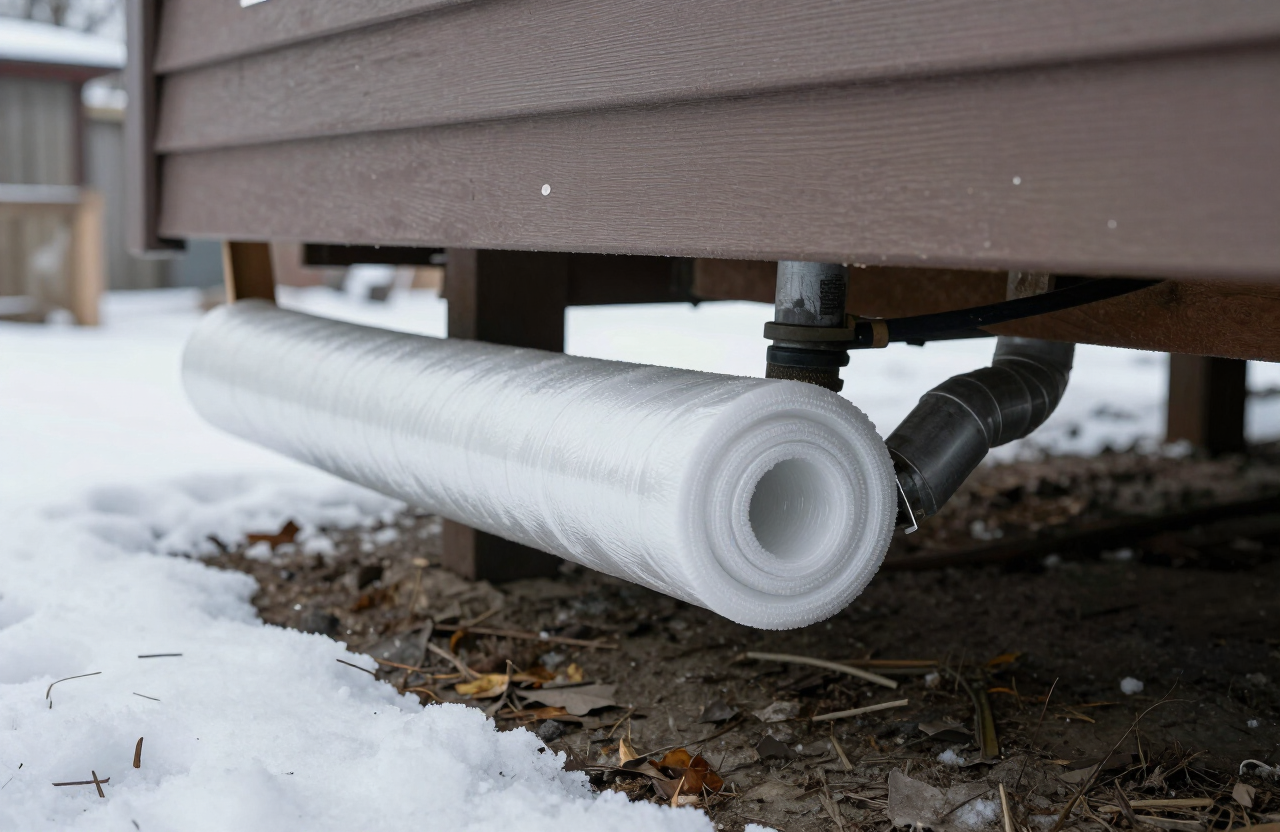
Fall maintenance is about preparing for cold. If any plumbing runs through unheated space, wrap it with foam pipe insulation or heat tape and test the heat tape before the first freeze. Drain and disconnect outdoor hoses, and insulate outdoor faucets. Service the heat source — clean the wood stove chimney and inspect the flue, or have the propane heater and mini-split checked. Check that the door sweep seals against the threshold and that weatherstripping is intact. Stock up on the consumables you will need in winter — furnace filters, lamp oil, fire starter — so you are not caught short. See our
Foam pipe insulation being wrapped around exposed plumbing under a tiny home in a winter setting

Winter: monitor and respond

Winter is less about projects and more about watching. After heavy snow, safely clear excess accumulation from the roof — a tiny home roof is usually not engineered for extreme snow load. Watch for ice dams at the eaves, which can back water under the roofing. Keep a humidity gauge inside: if indoor humidity climbs above 50 percent in a tight, heated home, condensation and mold follow, so increase ventilation or run a small dehumidifier. Check the skirting regularly for gaps that let wind and rodents in. Keep a drip running from faucets during deep freezes if the home is marginally heated, and never heat with an unvented combustion heater.
Close-up of a hand applying caulk to a seam on a tiny home metal roof in natural light

Trailer, wheels, and tires (THOW)

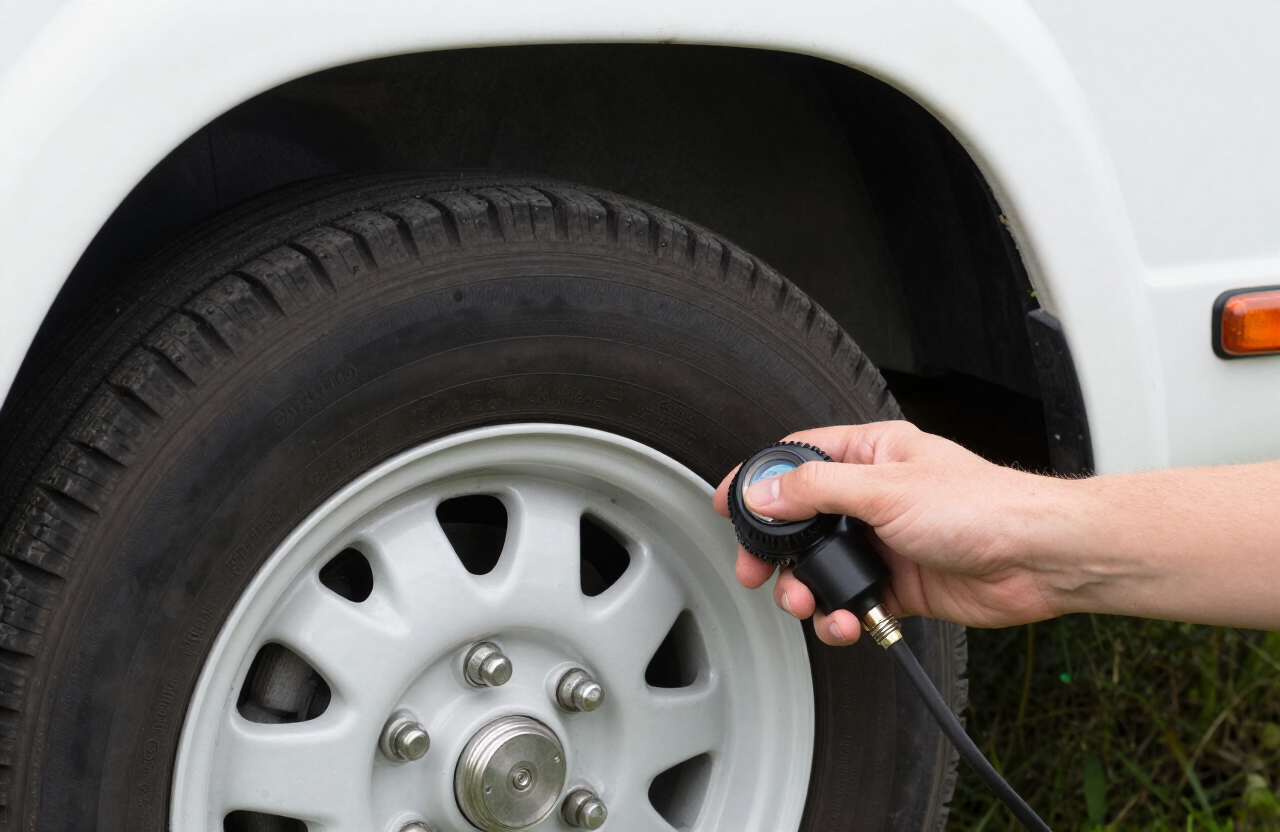
If your tiny home is on wheels, the trailer is the foundation and it needs vehicle-level care. Check tire pressure monthly and before any trip, and inspect for dry rot, cracking, and uneven wear — tiny home tires often age out before they wear out because the home sits for long periods. Torque the wheel lug nuts to spec and recheck after the first 50 miles of any move. Inspect the axle leaf springs, hangars, and shackles for cracks, and grease the wheel bearings annually or before a long tow. Keep the trailer registered and insured, and exercise the brakes on a test tow if the home has sat for months. Cover the tires when parked to slow UV aging.
Close-up of a hand checking the tire pressure and wheel lug nuts on a tiny house trailer

The tiny home tool kit

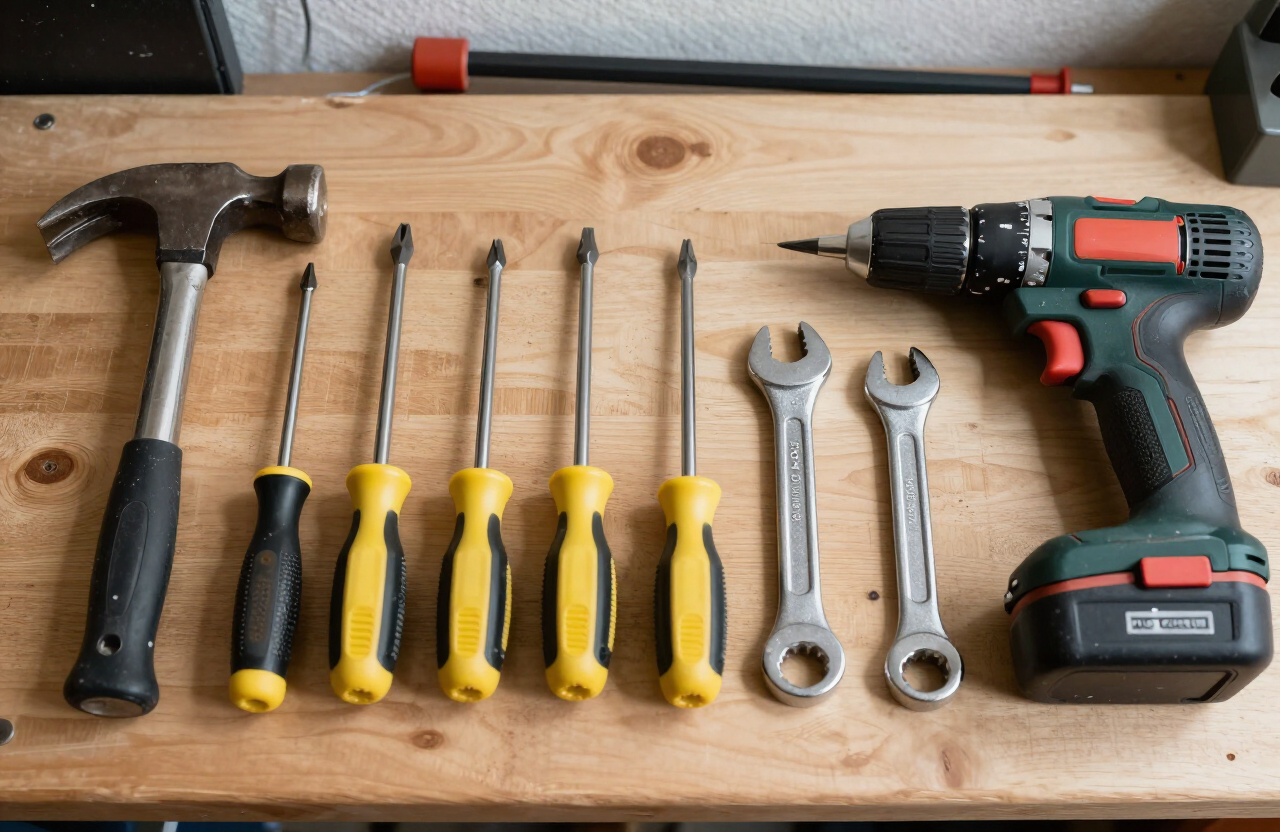
A tiny home rewards owners who can handle small repairs themselves. A practical kit includes a cordless drill and bit set, a basic hand tool set (hammer, screwdrivers, adjustable wrench, pliers), a tube of high-quality exterior sealant and butyl tape, a putty knife, a caulking gun, a multimeter for electrical checks, a tire pressure gauge and torque wrench, spare fuses and furnace filters, and a ladder tall enough to reach the roof safely. Add a few spare shingles or a piece of matching metal panel for emergency patches. With this kit, almost every routine repair is a one-afternoon job.
An organized tool kit with hammer, screwdrivers, wrenches and a cordless drill laid out on a workbench

Seasonal checklist at a glance

SeasonKey tasks
SpringInspect roof, reseal gaps, wash siding, test detectors
SummerClean solar panels, check ventilation, pest patrol
FallWinterize plumbing, service heater, weatherstrip
WinterClear snow, watch humidity, monitor skirting
Year-round (THOW)Tire pressure, lug torque, bearing grease

Putting it all together

Tiny home maintenance is a short, seasonal routine, not an overwhelming project. Inspect and reseal the roof each spring and fall, winterize plumbing before the freeze, keep tires and bearings healthy if the home is on wheels, and own a modest tool kit so small repairs stay small. A few afternoons a year protect what is likely your biggest asset and keep the home comfortable in every season. Ready to find a low-maintenance build? Browse tiny homes for sale, compare builders, or explore off-grid homes with durable systems.

Related articles

More guides that dig deeper into the same topics.

Frequently asked questions

How often should I inspect a tiny home roof?+

Inspect the roof twice a year — in spring and fall — and after any major storm. Look for lifted or cracked shingles, shrinking sealant around vents, and loose metal panel seams. Reseal penetrations every few years before they fail, and keep gutters clear so water does not overflow onto the siding.

How do I winterize a tiny home?+

Wrap exposed plumbing in foam insulation or heat tape and test the tape before the first freeze, disconnect and drain outdoor hoses, service the heater, and replace worn weatherstripping. In a tight heated home, monitor indoor humidity and ventilate or dehumidify if it climbs above 50 percent to prevent condensation.

Do tiny home tires need maintenance if the home never moves?+

Yes. Tiny home tires often age out from UV exposure and dry rot before they wear out. Check pressure monthly, inspect for cracking, cover the tires when parked, and grease the wheel bearings annually. Torque the lug nuts to spec and recheck before any tow.

What causes condensation and mold in a tiny home?+

A tight envelope with insufficient ventilation traps moisture from cooking, showering, and breathing, and it condenses on cold surfaces. Run bathroom and kitchen exhaust fans, consider a small HRV or dehumidifier, and keep indoor humidity below 50 percent in winter to prevent mold.

How often should I clean solar panels on a tiny home?+

Rinse and squeegee solar panels every few months in dry weather, or more often if you are in a dusty or pollen-heavy area. A dirty panel can lose 15–20 percent of its output, so cleaning is one of the highest-return maintenance tasks on an off-grid home.

What tools should a tiny home owner own?+

A cordless drill and bit set, basic hand tools, exterior sealant and butyl tape, a caulking gun, a multimeter, a tire pressure gauge and torque wrench, spare fuses and furnace filters, and a ladder tall enough to reach the roof. Add spare roofing material for emergency patches.

Ready to start searching?

Browse tiny homes, plans, builders, communities and land on the interactive map.

Explore the map
>