Market & Investment

Tiny Home Resale Value: Investment and Market Trends

12 min read · Updated March 4, 2026

By John

A tiny home is not a traditional real estate investment, but it is not a throwaway purchase either. Here is what actually drives tiny home resale value, how depreciation works, and how to protect your money.
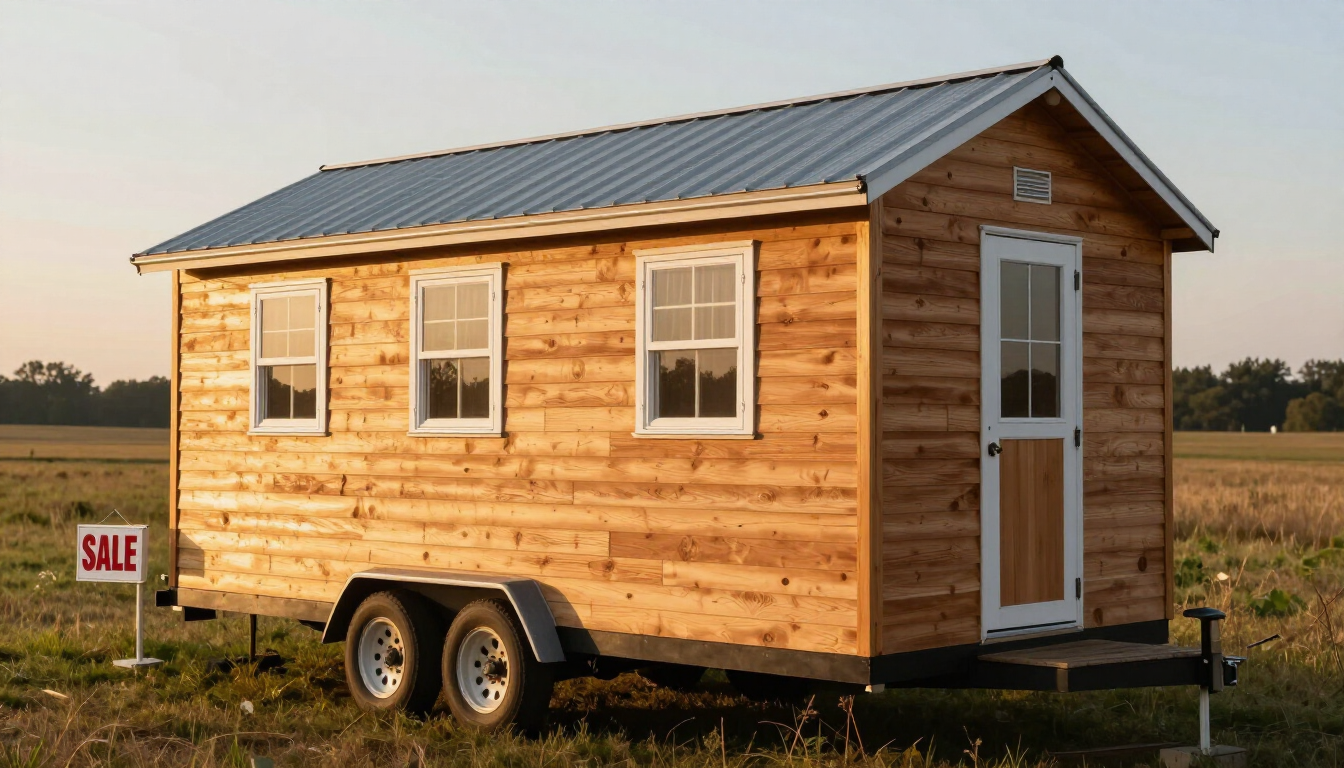
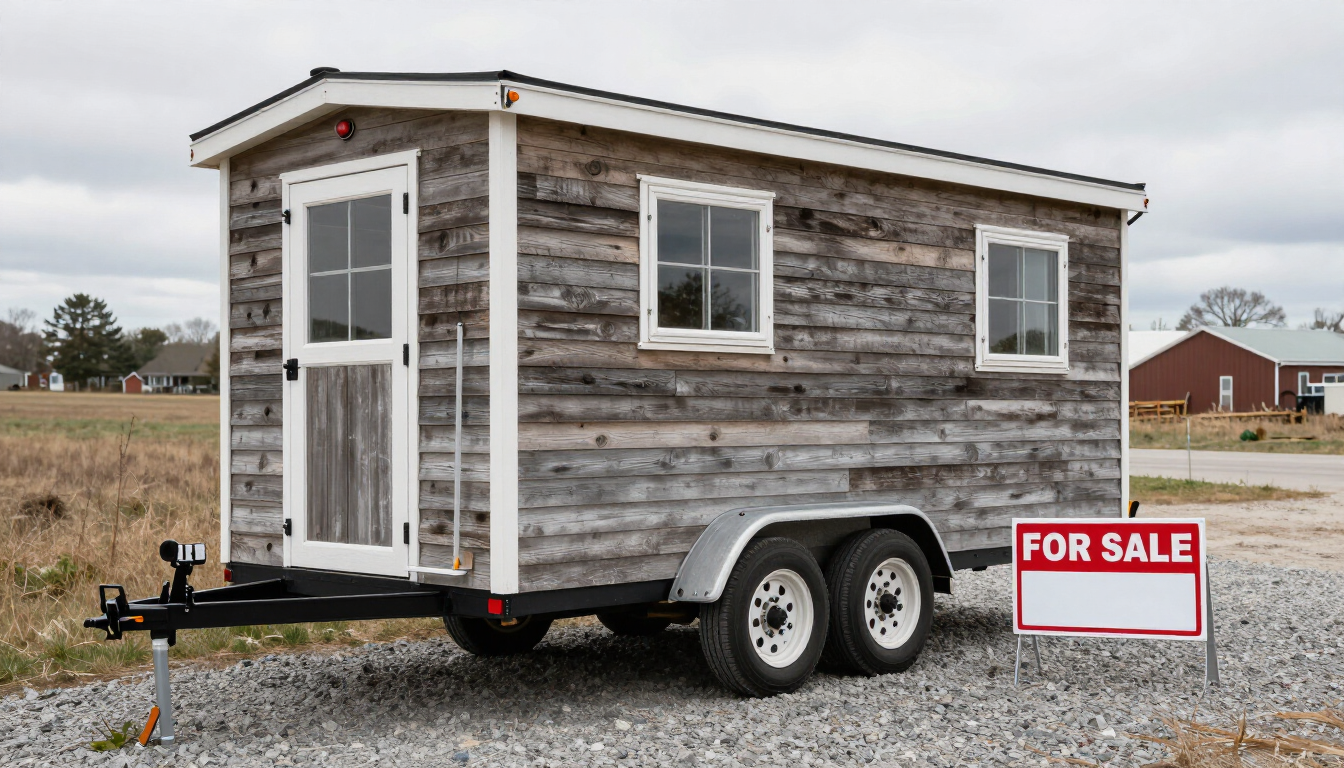
Charming tiny home on wheels with cedar siding and a metal roof with a small for-sale sign in the yard

Is a tiny home an investment or a lifestyle purchase?

The honest answer: a tiny home is mostly a lifestyle purchase, not an appreciating investment. Unlike traditional real estate, a tiny home on wheels is personal property, not land, and it typically depreciates like a vehicle or RV rather than appreciating like a house. That does not make it a bad financial decision — the savings on mortgage, utilities, taxes, and maintenance can be substantial — but you should go in expecting the home itself to lose value over time, not gain it. The financial case for

What drives tiny home resale value

When it is time to sell, a few factors dominate the price. Build quality from a reputable builder holds value better than an amateur build, because buyers trust certified wiring, plumbing, and a road-legal trailer. Certification matters — a NOAH, RVIA, or Pacific West Associates certified home sells faster and for more, since lenders and parks often require it. Condition is everything: a clean, odor-free, well-maintained home with documentation fetches a premium. Features that age well (real wood, metal roof, quality insulation) beat trendy finishes. Finally, mobility helps — a home that can be towed to the buyer reaches a larger market than one fixed to a foundation.
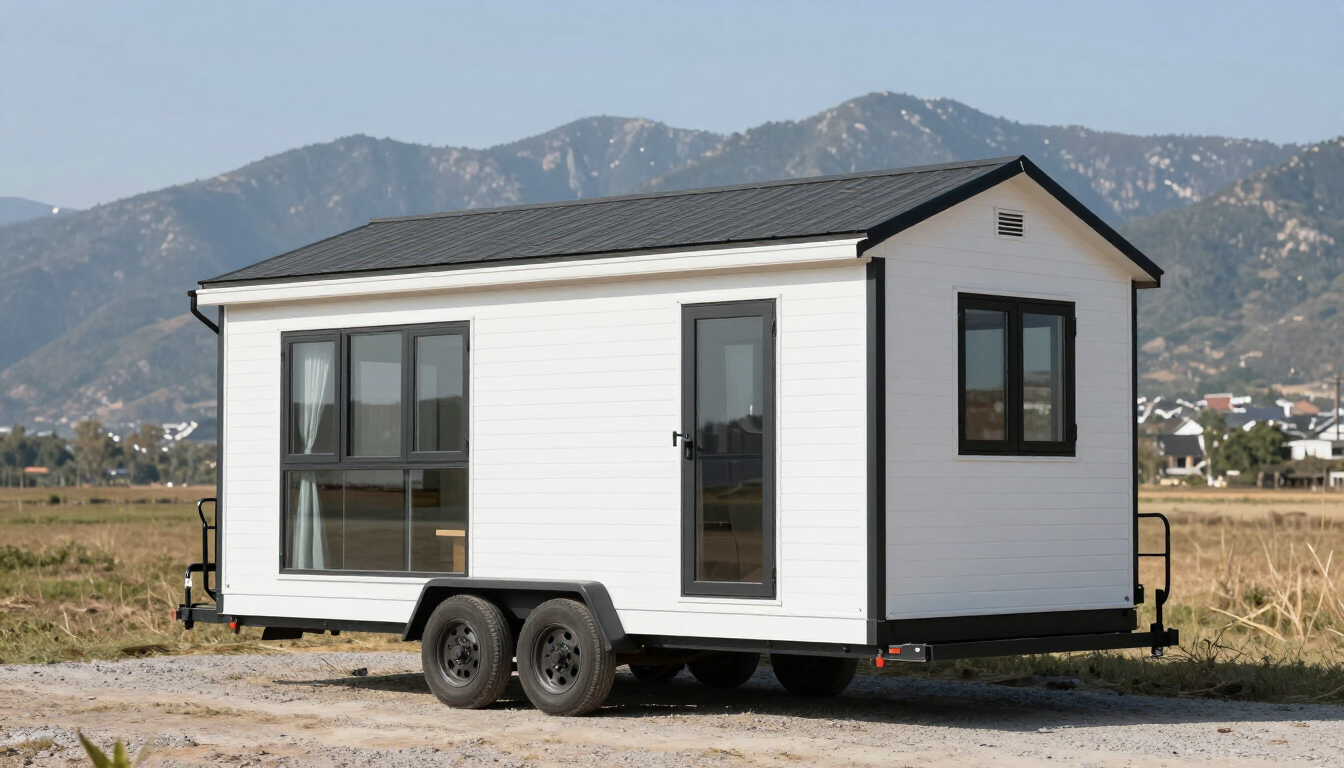
Modern tiny home on wheels with a gable roof and large windows parked in a green meadow

How depreciation actually works

A new tiny home typically loses 20–30 percent of its purchase price in the first few years, then depreciates more slowly — a curve similar to a well-built RV, not a car. A $60,000 home might resell for $40,000–$48,000 after three years, and $30,000–$40,000 after five, depending on condition and market. Homes that appreciate are rare and almost always involve the land underneath them — a tiny home on owned, buildable land can gain value as real estate even as the structure itself depreciates. The takeaway: budget for depreciation, and do not count on resale to recover your full purchase price.
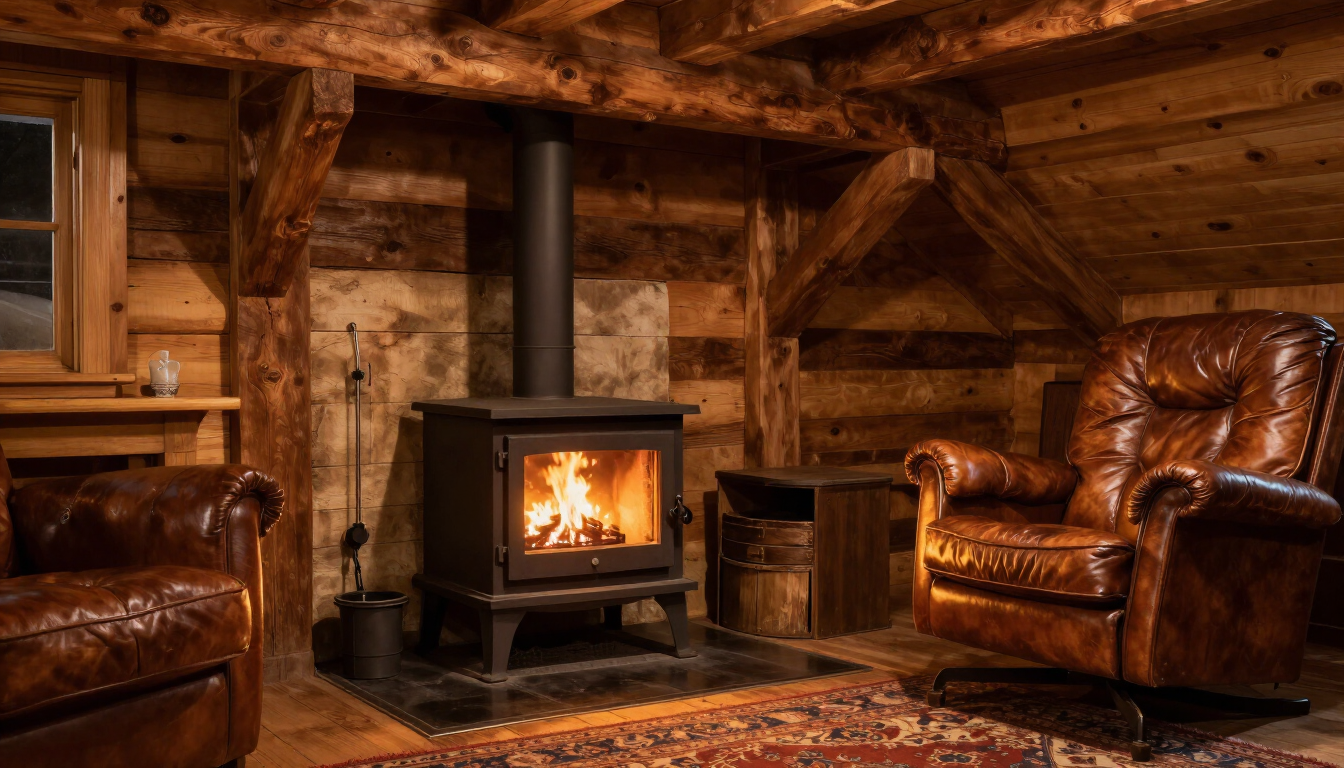
Cabin interior with a wood stove, exposed beams, a reading chair and a rug in warm light

The used tiny home market

The used tiny home market is smaller and less liquid than the used car market, which means pricing is less standardized and selling can take longer. Most sales happen through tiny home listing sites, social media groups, and word of mouth in tiny house communities. Because the pool of buyers is smaller, patience matters — a fairly priced home may take weeks or months to sell, while an overpriced one sits. The flip side is opportunity: a buyer willing to shop used can find a well-built home for 40–60 percent of its new price. Browse tiny homes for sale to gauge current asking prices in the market.
Tiny home on wheels with trailer hitch and cedar siding parked on a gravel pad

How to protect your investment

You cannot stop depreciation, but you can slow it and preserve resale value. Buy from a certified builder and keep every document — build photos, certifications, receipts, and manuals in a binder that transfers with the home. Maintain the roof and seals, since water damage is the number-one value killer in small structures. Keep the interior clean and neutral; bold custom choices that delighted you may repel buyers. Upgrade the trailer tires and axles so the home is genuinely road-ready, because a home that cannot be moved safely sells for less. Finally, store the home under cover when not in use to protect it from UV and weather.
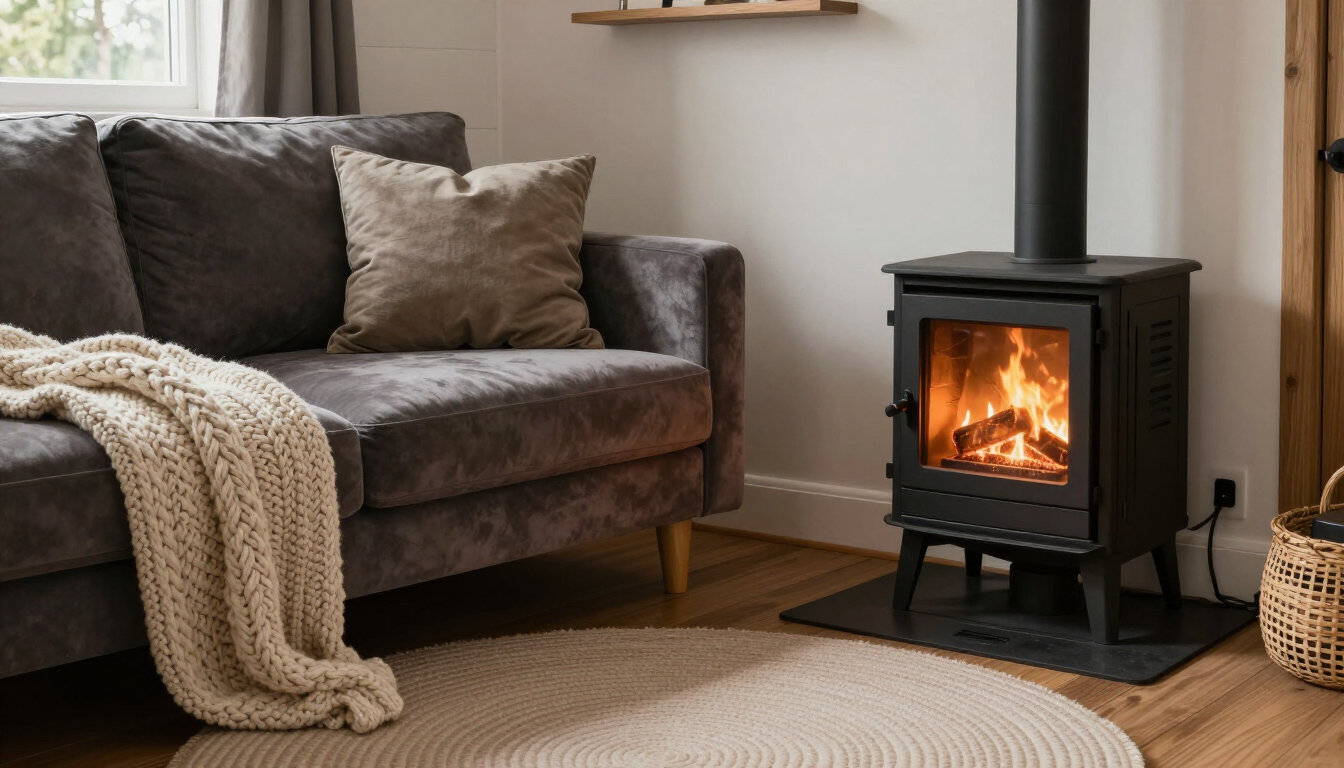
Cozy tiny home living room with a sofa, throw blankets, a rug and a small wood stove

Tiny home vs. traditional real estate as an investment

Compared to a conventional house, a tiny home on wheels is the weaker pure investment: it depreciates, does not build equity through land appreciation, and is harder to finance. But the comparison is not apples to apples. A tiny home costs a fraction of a house, carries no mortgage interest, has tiny utility bills, and lets you live debt-free or save aggressively for a down payment on land that does appreciate. Many owners treat the tiny home as a low-cost stepping stone — live small for a few years, bank the savings, then buy land and either keep the tiny home or upgrade. The investment case is about the savings and the land, not the box.
Rolling rural land parcel with mixed trees, open meadow and distant mountains at golden hour

Resale value factors at a glance

FactorHelps valueHurts value
Build qualityReputable certified builderAmateur, uncertified build
CertificationNOAH, RVIA, PWA certifiedNo certification
ConditionClean, documented, dryWater damage, odors
MobilityRoad-legal, towableFixed, tires rotted
LandOn owned, buildable landOn rented or unbuildable lot
MarketActive tiny house communityRemote, thin buyer pool
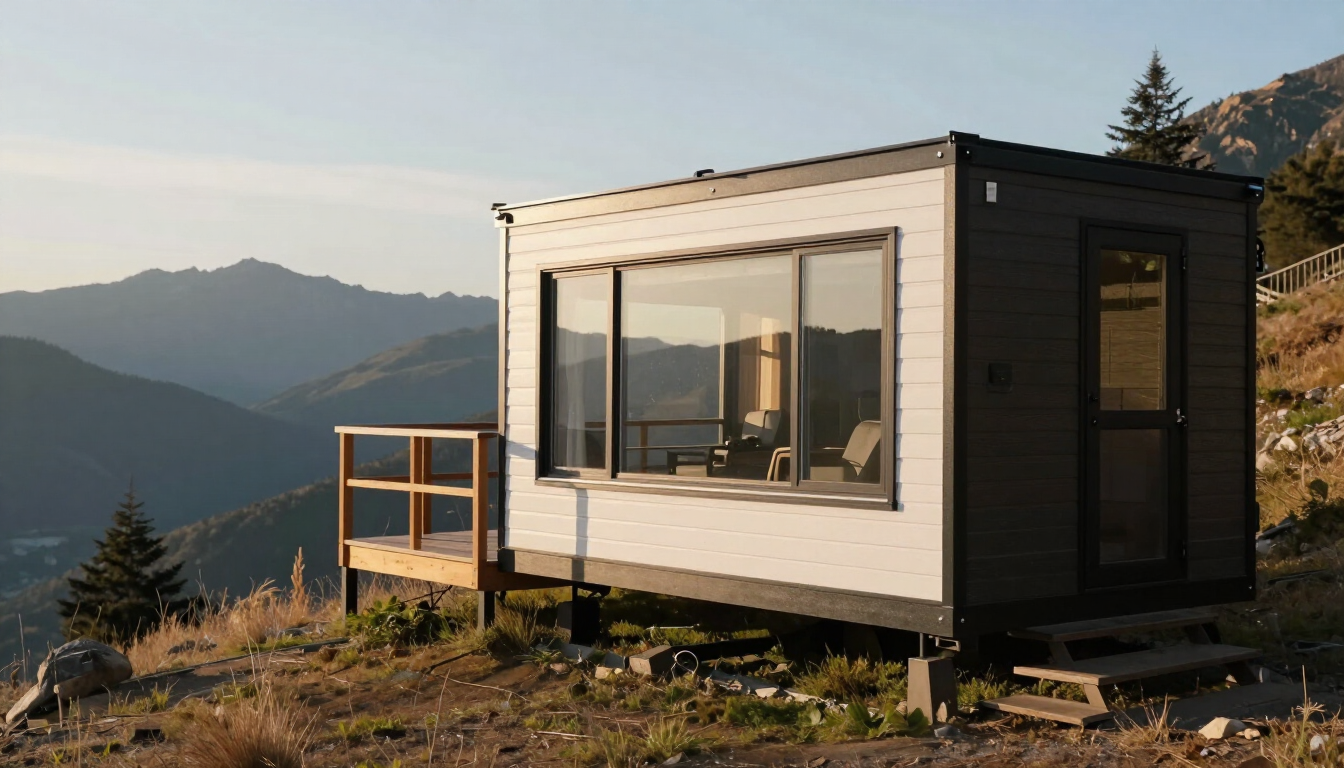
Tiny home parked on a hillside with a sweeping mountain view through large windows

Putting it all together

Treat a tiny home as a lifestyle and savings vehicle first, and an investment second. It will depreciate like a well-built RV, not appreciate like a house — but the money you save on mortgage, utilities, and taxes can be substantial and can fund the land that does appreciate. To protect resale value, buy from a certified builder, keep meticulous records, maintain the roof and seals, and keep the home road-ready and clean. Sell into an active market with patience, and price against comparable used homes. Ready to shop with resale in mind? Browse tiny homes for sale, compare certified builders, or explore communities and land.

Related articles

More guides that dig deeper into the same topics.

Frequently asked questions

Do tiny homes appreciate in value?+

A tiny home on wheels typically depreciates like an RV or vehicle, not appreciates like real estate. The exception is a tiny home on owned, buildable land, where the land can appreciate even as the structure itself loses value.

How much does a tiny home depreciate?+

A new tiny home usually loses 20–30 percent in the first few years, then depreciates more slowly. A $60,000 home might resell for $40,000–$48,000 after three years, depending on build quality, certification, condition, and the local market.

What makes a tiny home hold its resale value?+

Build quality from a reputable certified builder, third-party certification (NOAH, RVIA, PWA), excellent condition with full documentation, durable materials, and road-ready mobility. Water damage and amateur, uncertified builds are the biggest value killers.

Is a tiny home a good financial investment?+

As a pure appreciating asset, no — it depreciates. As a lifestyle and savings vehicle, it can be excellent, because the low purchase price, tiny utility bills, and absence of mortgage interest let you save aggressively, often to fund appreciating land later.

How long does it take to sell a used tiny home?+

The used tiny home market is smaller and less liquid than the used car market, so a fairly priced home may take weeks to months to sell. Patience and realistic pricing against comparable used homes matter; an overpriced home will sit.

Does certification affect resale value?+

Yes, significantly. A certified home (NOAH, RVIA, or Pacific West Associates) sells faster and for more, because lenders, RV parks, and insurance companies often require certification. Uncertified homes have a smaller buyer pool and lower offers.

Ready to start searching?

Browse tiny homes, plans, builders, communities and land on the interactive map.

Explore the map
>