Key Takeaways
Tiny house living can dramatically cut housing costs, shrink your eco footprint, and unlock location flexibility in 2026's housing market. With tiny homes averaging about $60,000 compared to a median traditional home price of $243,400, the financial case is hard to ignore.
Tiny homes offer diverse options - on wheels, on permanent foundations, as accessory dwelling units, and modular homes - so they can work for singles, couples, and even small families. Tiny house communities are growing across the United States, and directories like TinyHomeMap help people find tiny homes, land, builders, and rentals on a single interactive map.
Tiny house living isn't only about saving money. It's also about intentional living, less clutter, and more time for experiences instead of maintaining a large house. Below you'll find real-world costs, design ideas, lifestyle pros and cons, and a short FAQ to help decide if a tiny house or small house is right for you.
Introduction: Why Tiny Houses Are Surging in 2026
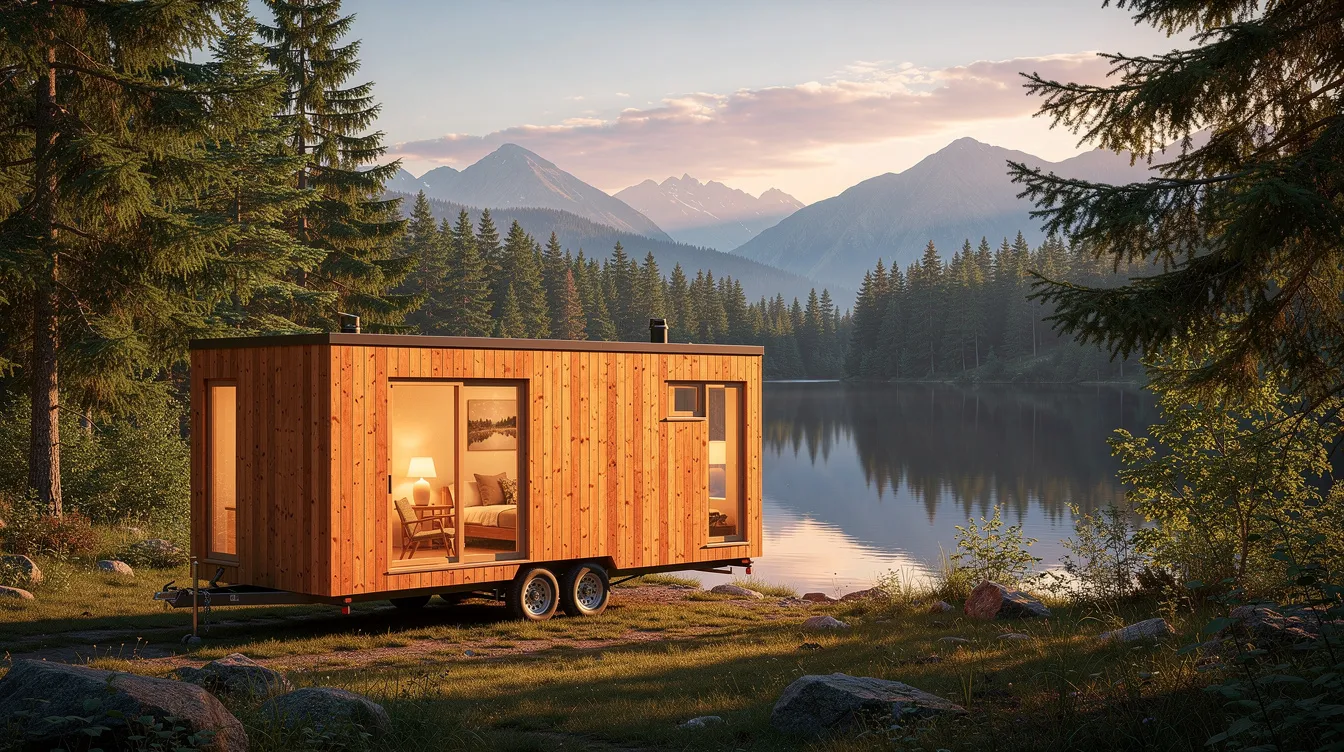
Picture a 2,300 square feet suburban house with a 30-year mortgage, a lawn that needs mowing every weekend, and utility costs that climb each quarter. Now picture a 280 square foot tiny home on wheels parked beside a quiet lake - warm light through oversized windows, monthly bills under $200, and zero mortgage payments. That contrast is why thousands of people are rethinking what home really means in 2026.
Rising real estate prices since 2020, elevated mortgage rates through 2024–2026, and a growing sense that bigger isn't better have made tiny homes an increasingly attractive option for many home buyers. A tiny house is typically 400 square feet or less - fully self-contained with kitchen, bathroom, sleeping area, and storage. Small houses stretch up to roughly 1,000 square feet. Tiny house living has gained popularity as an affordable housing option, and it sits at the intersection of the tiny house movement, remote work culture, and eco-conscious living.
TinyHomeMap exists as a global directory to help you actually find tiny homes, land, builders, and tiny house communities - not just dream about them.
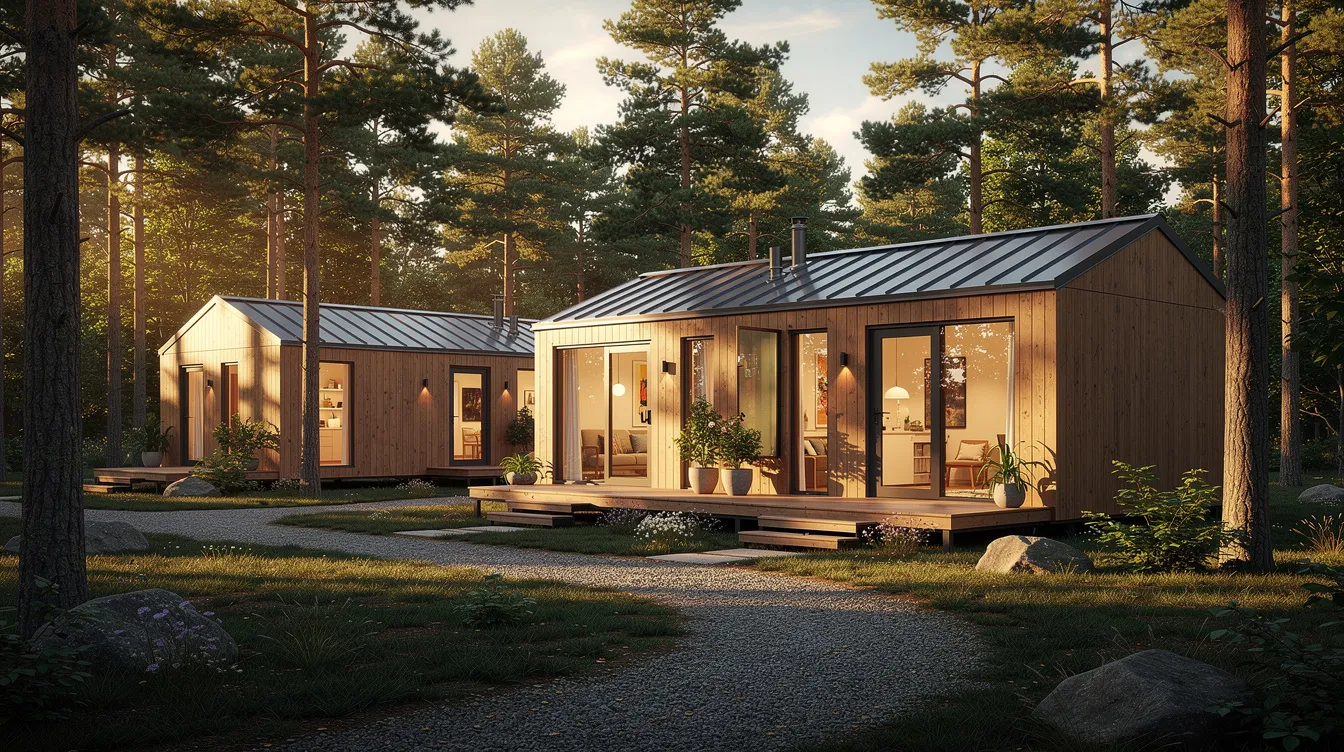
What Exactly Counts as a Tiny House (and a Small House)?
Definitions matter because building codes, financing, and zoning laws hinge on square footage thresholds. Here's the breakdown:
Most tiny homes range from 100 to 400 square feet. Some jurisdictions stretch the definition to 600 square feet.
Small houses generally fall between 400 and 1,000 square feet. Micro-apartments and compact cabins overlap with these categories.
Tiny homes on wheels are usually smaller than 350 square feet and are often built on trailers, making them a mobile home alternative.
Static tiny homes are built on solid foundations and classified as permanent dwellings.
Container homes repurpose steel into tiny shelters. A-frame cabins are popular for mountain retreats.
Tiny homes can include modular homes and micro-apartments in various formats.
Accessory dwelling units are considered permanent tiny homes, typically placed in backyards and zoned separately from the main house.
California requires tiny homes to have a ceiling height of 7 feet 6 inches, and tiny homes must have one room at least 120 square feet. The IRC Appendix Q uses the 400 square foot threshold as its primary definition. TinyHomeMap's filters let users sort by size range so they can search specifically for tiny or small house options in their target region.
Core Reasons People Choose Tiny House Living
Imagine a remote worker couple in their early 30s trading a $2,100/month city studio for a 260 square foot tiny home near Asheville, NC. Their mortgage? Gone. Their commute? A walk to the desk by the window. Their savings rate? Tripled.
Here's why people make similar moves:
Financial freedom - less debt, fewer monthly obligations, more money directed toward other priorities like travel or retirement.
Smaller eco footprint - less energy consumption, fewer building materials, reduced waste.
A simpler lifestyle - tiny home living encourages focusing on experiences over material possessions.
Mobility - movable tiny homes let you follow seasons, jobs, or curiosity.
Custom design - every inch reflects your needs, from fold-down desks to loft sleeping areas.
Many families live in tiny homes to escape rent cycles, downsize after children move out, or create multigenerational living with backyard ADUs. A growing trend towards minimalism has contributed to the popularity of tiny houses. Living in a tiny house can promote a simpler life by reducing clutter, freeing mental energy for hobbies, relationships, and work.
That said, 47% of people are not open to tiny living - it's a deliberate choice, not a universal fit. The "why tiny houses" question is less about less square footage and more about aligning daily life with personal values.
Financial Advantages: Lower Costs and Real Estate Flexibility
The numbers tell a clear story. Tiny homes cost about $60,000 on average. The median price of a traditional home is $243,400. Even custom builds in the 300–400 square foot range top out around $100,000–$150,000 - a fraction of conventional real estate.
Specific cost savings include:
| Category | Traditional Home | Tiny Home |
|---|---|---|
| Overall cost | $243,400+ | $30,000–$70,000 |
| Utility costs | $200–$400/month | $50–$150/month |
| Property taxes | Thousands/year | Hundreds/year |
| Maintenance | High | Low |
Tiny house owners typically experience lower utility bills due to reduced energy consumption. Smaller homes generally require fewer materials and less energy to maintain. Less space often results in reduced routine upkeep and maintenance costs. Building permits and utility hookups add to tiny home costs, but the overall cost remains dramatically lower.
Tiny homes offer flexibility inside the real estate landscape: use one as a starter home, guest house, home office, rental unit, or accessory dwelling unit generating passive income. Some owners use tiny homes as short-term rentals, seasonal cabins, or park models. Directories like TinyHomeMap help them market rentals and for-sale units to a global audience.
Sustainability and Your Eco Footprint
Smaller living spaces naturally use fewer building materials, less land, and less energy. Tiny home dwellers have a 45% lower eco footprint than traditional homeowners. That's not a rounding error - it's a fundamental shift in resource consumption.
Concrete examples of how tiny homes deliver:
Reduced square footage means less to heat and cool, so tiny homes consume less energy and produce less waste.
Many tiny homes incorporate sustainability features like solar panels, rainwater catchment, and composting toilets.
Tiny homes often focus on water conservation and reduced energy consumption through high-efficiency appliances.
Many tiny homes are built with sustainable materials - reclaimed timber, recycled metal, and high-R insulation lower embodied carbon.
Tiny homes can be constructed using reclaimed building materials, extending material lifecycles.
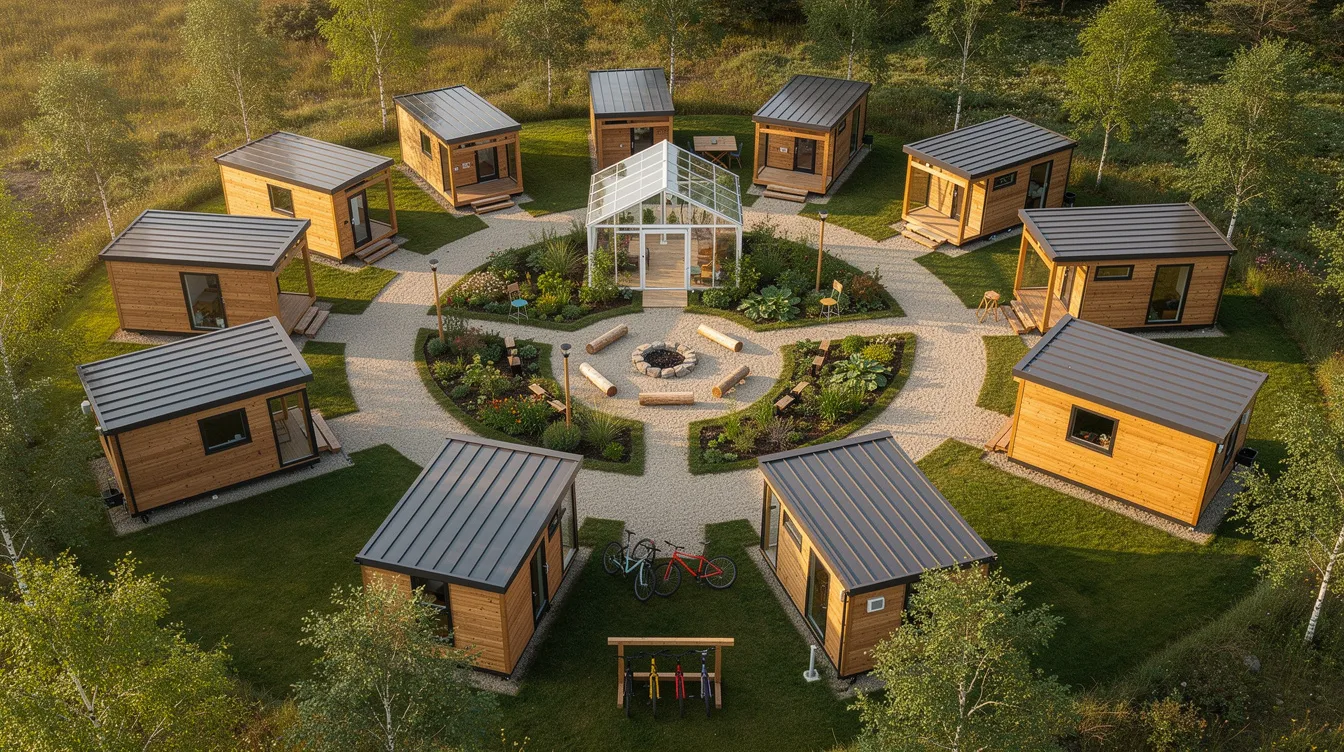
Tiny house communities often cluster homes around shared green space, gardens, and common buildings, encouraging tool libraries and lower-impact living. On TinyHomeMap, readers can filter for eco-focused features like off-grid readiness and solar installations when searching listings worldwide.
Lifestyle Benefits: Minimalism, Time, and Design Freedom
Owning fewer things isn't deprivation - it's editing. Tiny homes often emphasize multifunctional spaces and minimalism, making a minimalist lifestyle almost unavoidable in the best possible way.
Quality-of-life perks stack up quickly:
Less housework and smaller to-do lists
More free time to travel, pursue side projects, or rest
Reduced stress from visual clutter and decision fatigue
More room in your budget and schedule for experiences
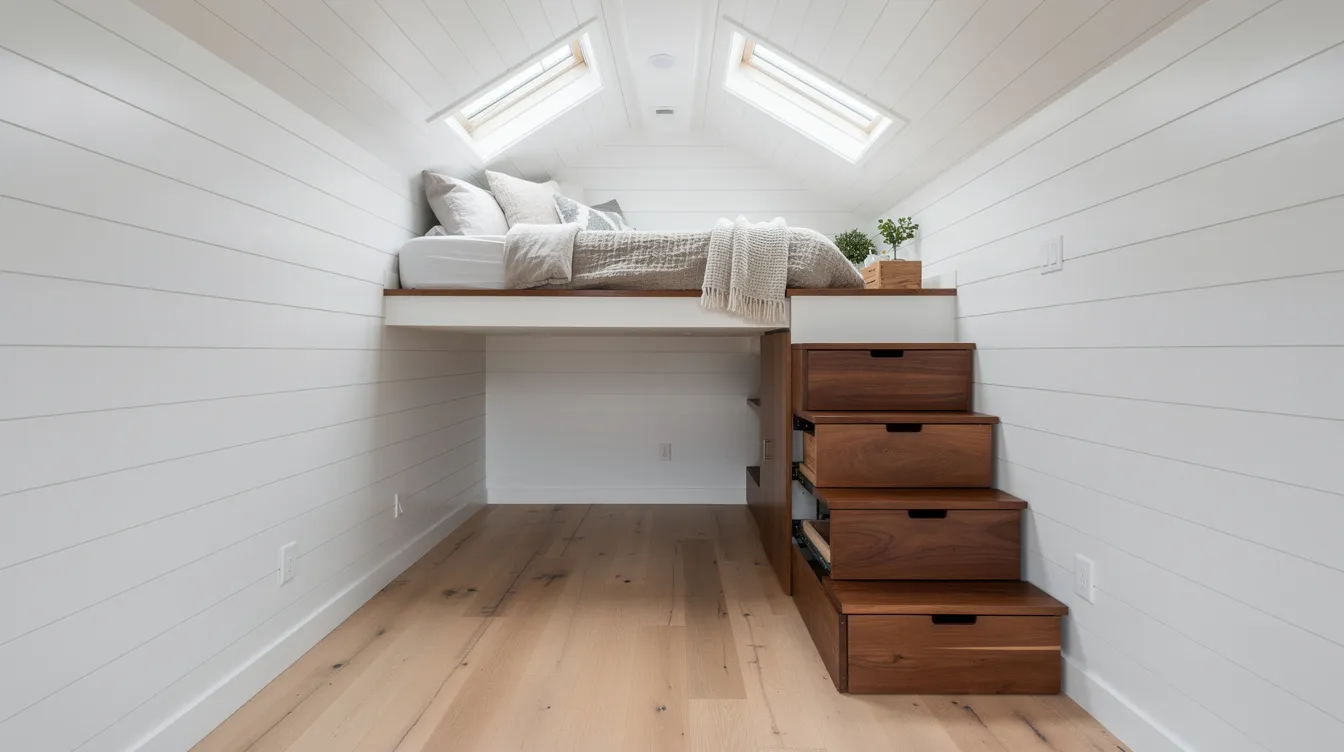
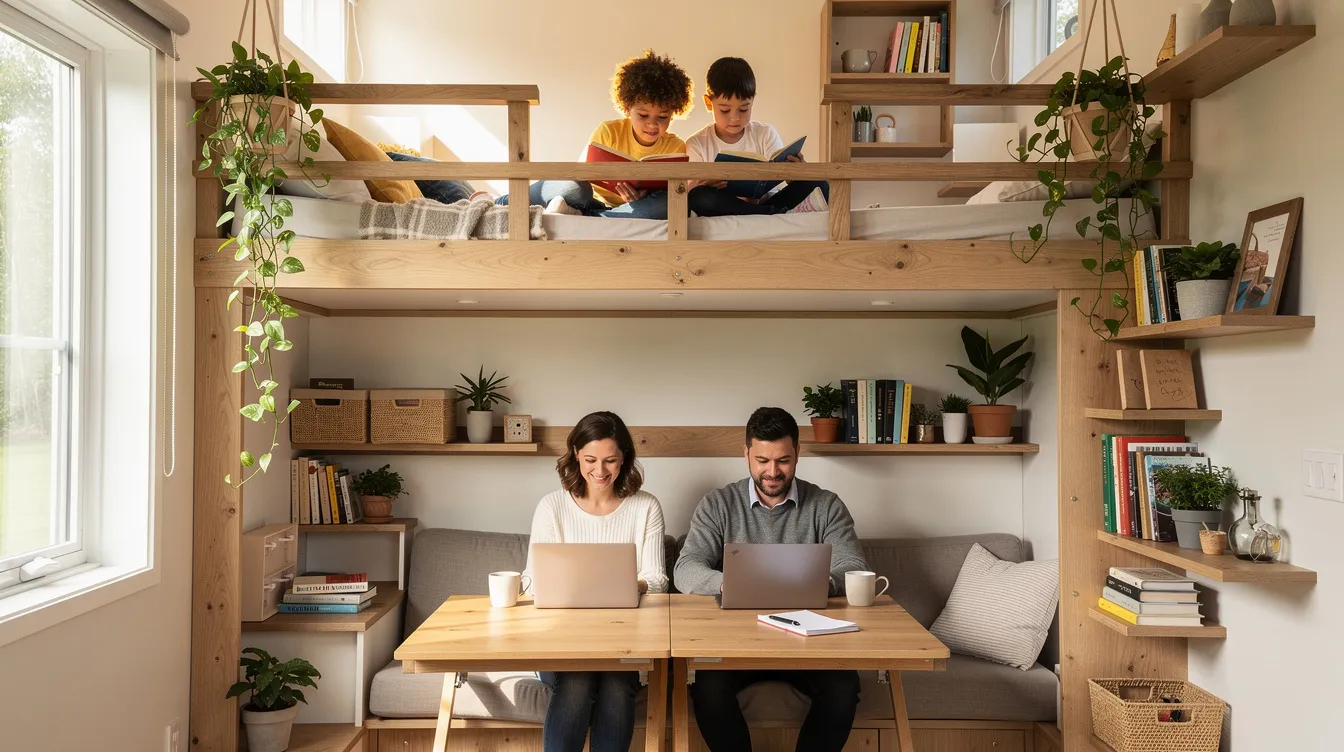
Tiny homes offer high levels of personalization - custom layouts, multi-purpose furniture, loft sleeping areas, built-in storage stairs, and design choices that fit remote work or hobbies. Families live comfortably in well-designed tiny homes by using bunk beds, lofts, and shared living space, though the trade-offs in privacy and storage are real. Browsing real listings and photos on TinyHomeMap can help you discover practical layout ideas and floor plans worth emulating.
Mobility, Tiny House Communities, and Alternative Uses
A tiny house on wheels gives you the ability to relocate with seasons, follow work opportunities, or explore different regions while keeping your home. Tiny homes on wheels can park in an RV park or mobile home parks that accept them. Small houses and ADUs on a permanent foundation offer stability and easier financing but stay put.
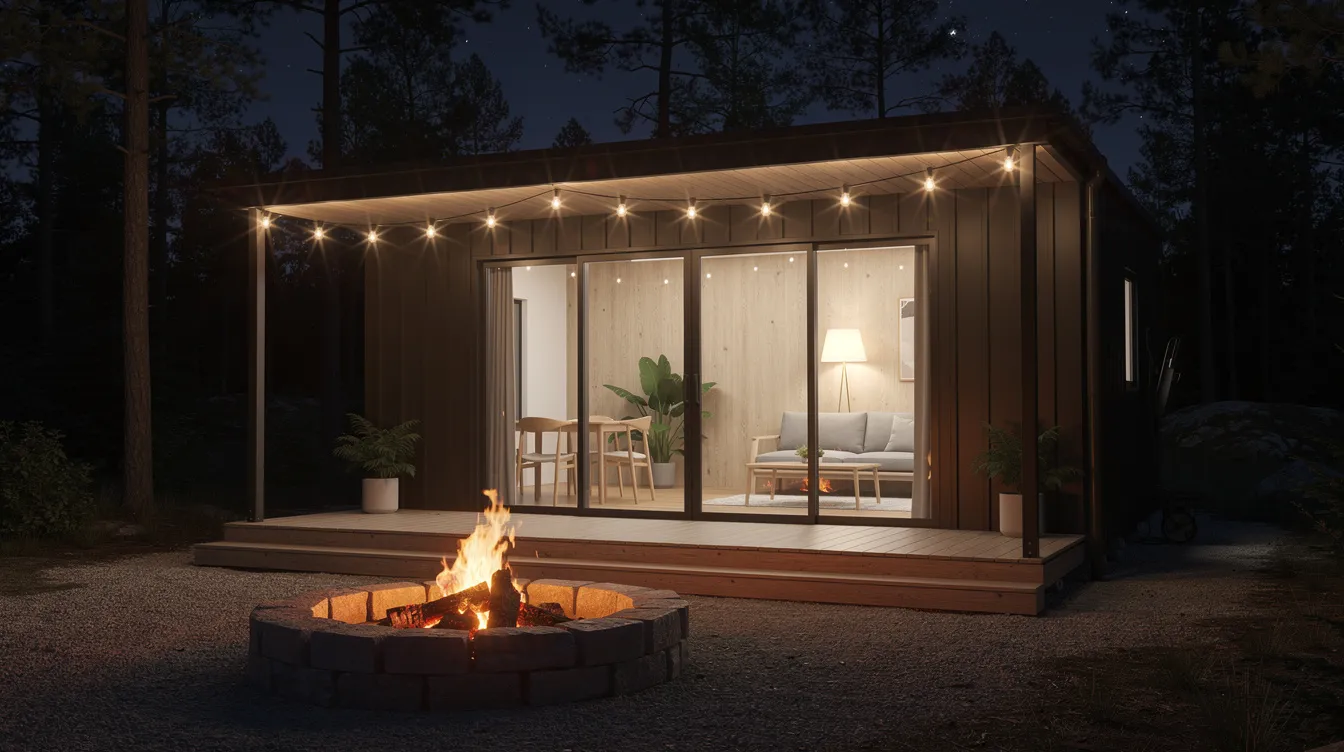
Tiny home communities are growing across the United States. California, Oregon, and Florida have notable tiny home communities with shared amenities - gardens, fire pits, communal kitchens, and co-working spaces. The sense of community these create is one of the many benefits that draw people away from isolated suburban living.
Alternative uses multiply the value: backyard guest suites, studios, elder-care cottages, teen spaces, or on-site housing for seasonal staff. TinyHomeMap lets users search specifically for tiny house communities and land that welcomes tiny homes, making it easier to find legal, community-oriented places to park or build.
Challenges, Trade-Offs, and Legal Realities
Tiny house living is not a magic solution. It comes with trade-offs that every person considering this path should weigh honestly.
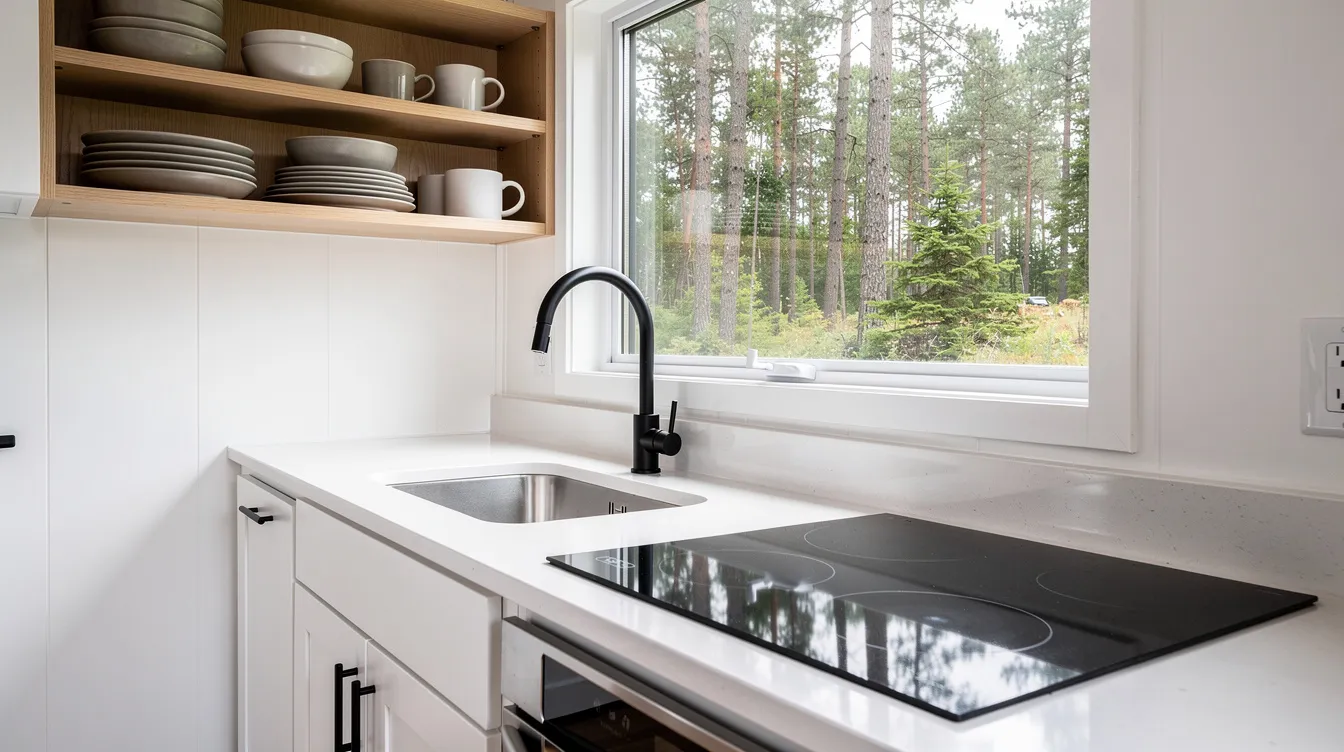
Space-related challenges include limited personal space for couples and families, smaller kitchens and bathrooms, less room for hobbies or large pets, and stricter limits on possessions. You will have to pay attention to organization daily.
Hidden costs are real: transporting a tiny home runs $200–$5,000+ depending on distance, land preparation and utility hookups add thousands, and many tiny homes may not comply with local building codes. Zoning laws vary significantly by state and locality, and many cities haven't updated codes for tiny homes. Some jurisdictions still don't recognize tiny homes as primary dwellings, and the distinction between RV classification and permanent housing can determine whether you can legally live in your tiny home full-time.
Before committing, research local zoning and building code requirements. Use TinyHomeMap to browse communities with established rules, read listing details about zoning status, and connect with builders who understand local codes.
How TinyHomeMap Helps You Explore Tiny Homes Worldwide
Moving from inspiration to action is where most people get stuck. YouTube tours and Instagram reels are cool, but they don't tell you where to legally park a tiny home, who can build one within your budget, or which community has openings.
TinyHomeMap is an independent, global directory for tiny homes for sale and rent, modular home options, park models, cabins, plans, builders, and tiny house communities - all shown on an interactive map. Core features include filtering by location, price, size, off-grid features, foundation vs. wheels, and amenities. Listings are submitted by owners, builders, and community operators, then reviewed for quality before publication.
TinyHomeMap does not handle payments or contracts, so you contact sellers, builders, or landlords directly. Whether you want to buy, rent, test tiny living for a few months, or list your own tiny home to reach a global audience, the platform is built for you. You can afford to explore - browsing is free.
Visual Inspiration: High-Impact Tiny House Photography
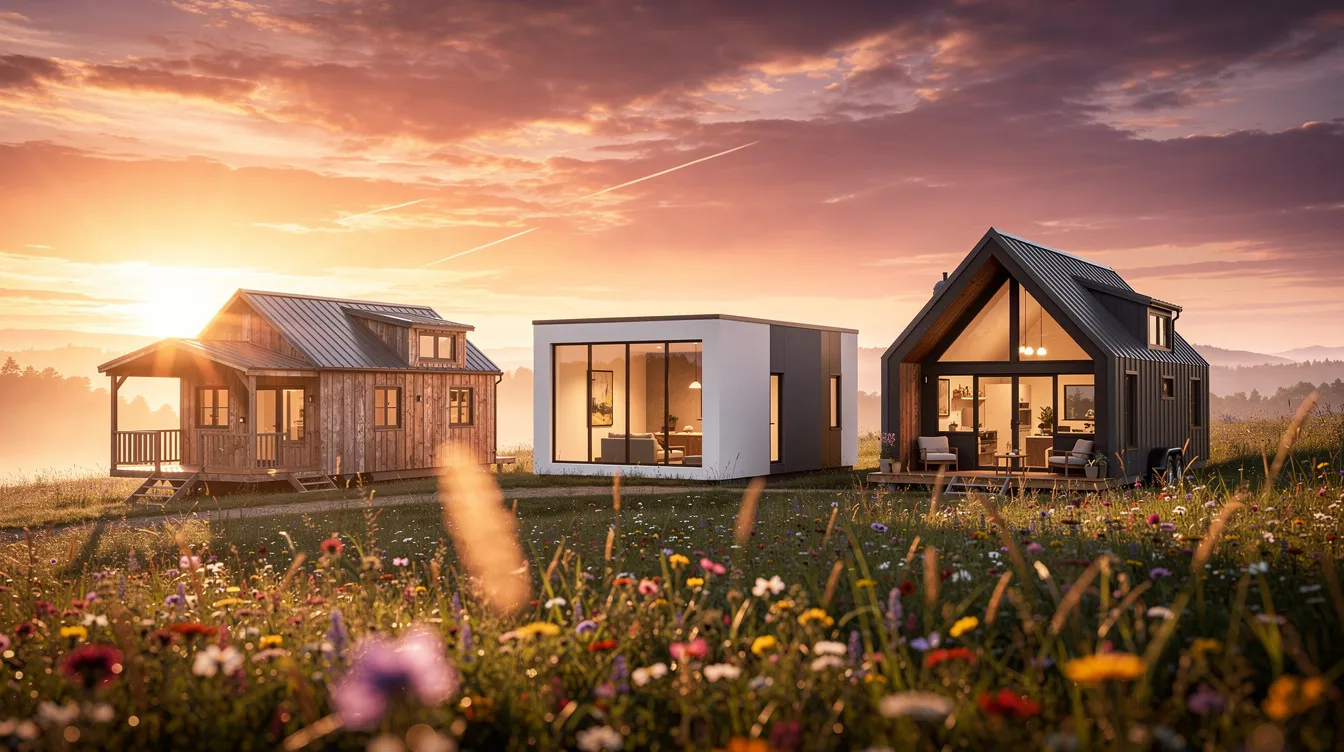
Words only go so far. These images show why tiny homes capture imaginations worldwide.


FAQ: Common Questions About Tiny Houses
Can you live in a tiny house year-round in cold or hot climates?
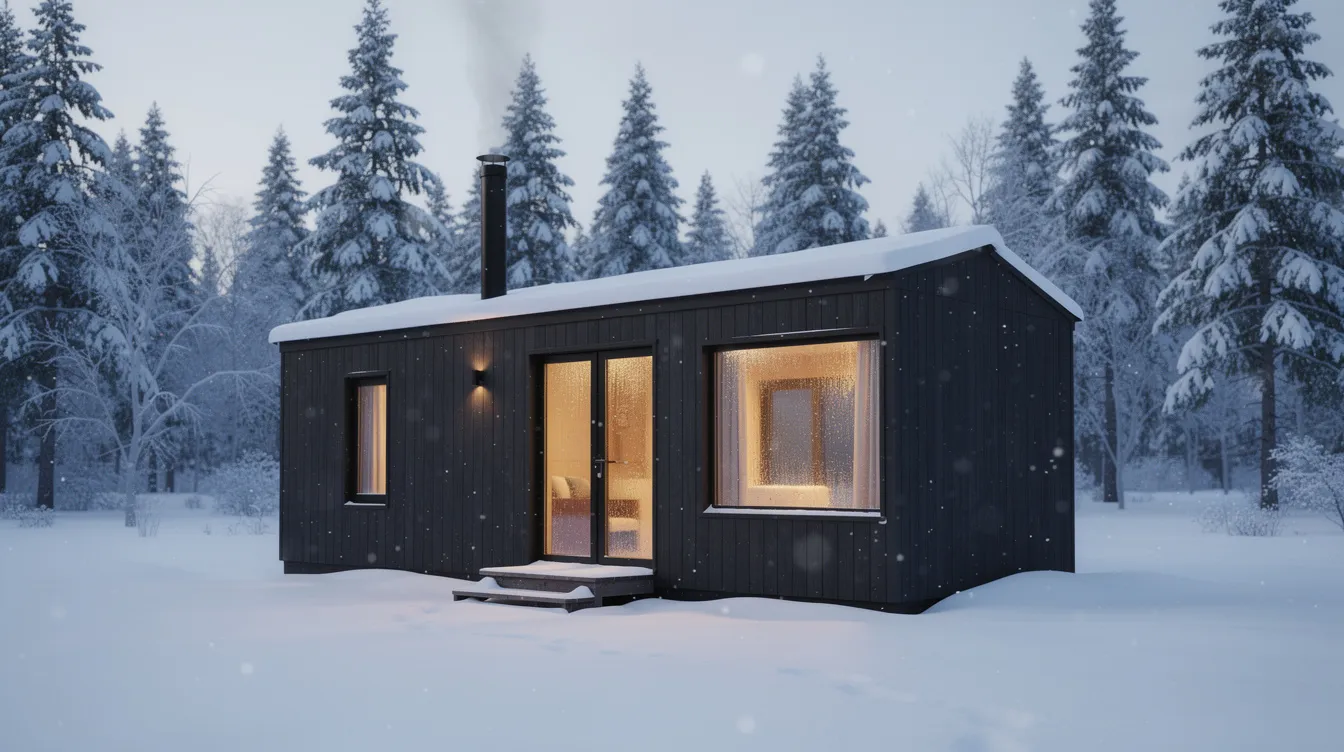
Year-round tiny house living is feasible in most climates when the home is properly insulated with spray foam or high-R wall and roof assemblies. In cold regions, skirting prevents pipe freezing, and mini-split heat pumps or wood stoves handle heating efficiently. Hot climates require proper ventilation and cooling systems sized for the space. Check real listings for climate-readiness notes when browsing TinyHomeMap.
Do tiny homes appreciate in value like traditional real estate?
Tiny houses on a permanent foundation, classified as real property, may track local real estate trends more closely than movable tiny homes on trailers, which often behave more like vehicles. View movable tiny homes as lifestyle investments and potential income generators through rentals rather than guaranteed appreciating assets. Compare resale examples in your region before committing.
Is it realistic for families with children to live in a tiny home?
Many families live successfully in tiny homes by choosing slightly larger small homes in the 350–600 square foot range, adding lofts or bunk rooms, and relying heavily on outdoor space. Trade-offs include less private space and storage, plus a greater need for routines and organization. Explore family-oriented listings and floor plans on TinyHomeMap for concrete layout ideas.
How do I find land or a legal place to park a tiny house?
Land and parking are often the hardest parts of tiny living. Options include dedicated tiny house communities, RV or park model parks that accept tiny homes, rural parcels with flexible zoning, and backyards zoned for accessory dwelling units. Use TinyHomeMap's land and community listings as a starting point, then confirm local zoning and building codes with your municipality before purchasing or moving. You need to own land or secure a legal lease before placing a home.
Can I finance a tiny home, or do I need to pay cash?
Financing is evolving. Stationary tiny homes on foundations may qualify for certain mortgages or construction loans. Tiny homes on wheels are often financed via personal loans, RV loans, or builder financing programs - generally at higher interest rates. Compare lender options, talk to experienced tiny home builders about what they've seen work, and use price filters on TinyHomeMap to search within realistic cash or loan budgets. Most people save money long-term even with higher-rate financing because the principal amount is so much lower than traditional homes.
Related articles
More guides that dig deeper into the same topics.
Ready to start searching?
Browse tiny homes, plans, builders, communities and land on the interactive map.
Explore the map