Financing & Costs

Tiny Home Financing: Loans, Costs and Payment Options

12 min read · Updated February 27, 2026

By John

Financing a tiny home is nothing like getting a mortgage — most homes on wheels are treated like vehicles, not real estate. Here is how the real costs break down and which loan or payment option fits your situation.
Minimalist desk with paperwork, a calculator, a laptop and a coffee cup for tiny home financing

Why tiny home financing is different

A traditional mortgage is secured by the land and the permanent structure on it — and most tiny homes on wheels are neither. Lenders classify a THOW (tiny house on wheels) as a vehicle or RV, not real estate, so the loans, terms, and down payments look completely different. A foundation tiny home on owned land can sometimes be mortgaged, but only if it meets local building codes and minimum square footage rules. Understanding which category your home falls into is the first step in

What a tiny home actually costs

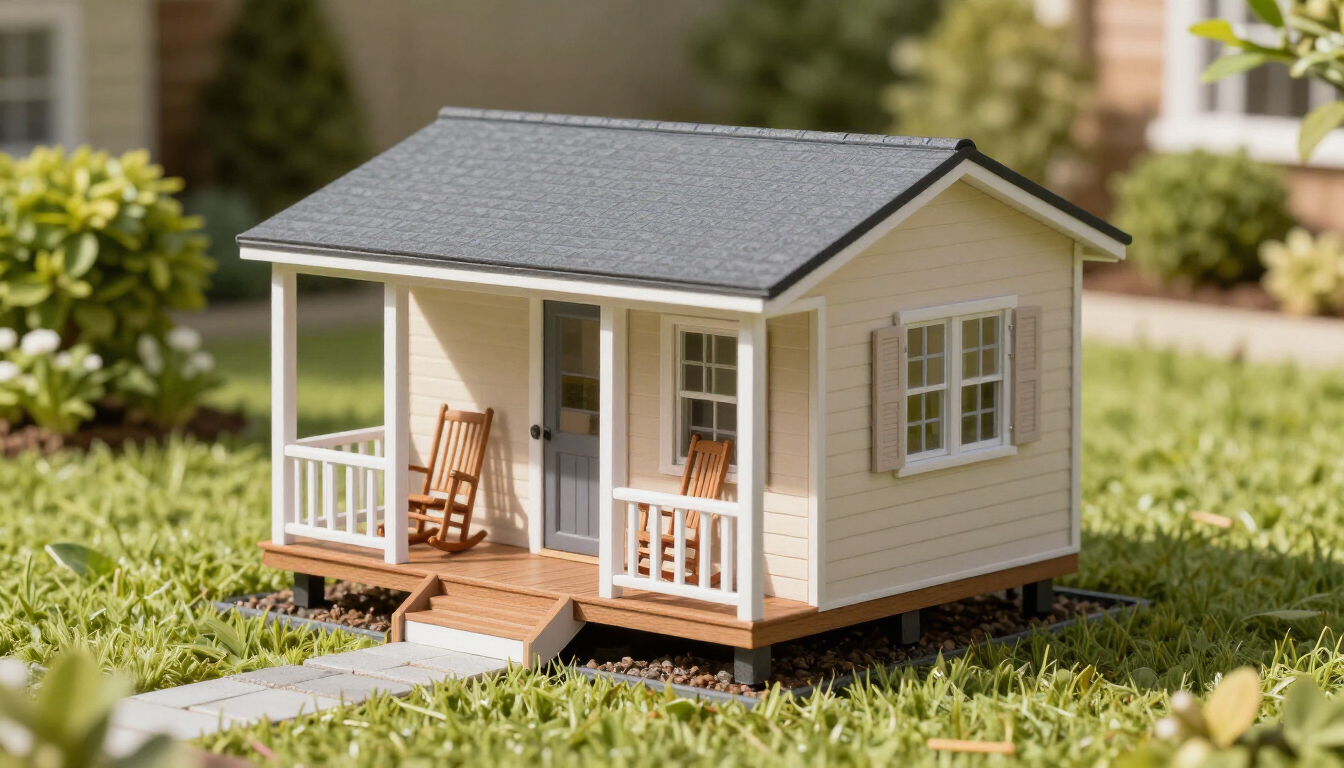
Before you finance, know what you are financing. A DIY build can run $15,000–$35,000 in materials. A professionally built THOW typically runs $45,000–$90,000 depending on size and finishes. A park model or larger foundation tiny home can reach $90,000–$150,000. On top of the home itself, budget for delivery or towing, site prep (foundation, utility hookups, or off-grid systems), permits, and insurance. A realistic all-in budget is often 20–30% higher than the sticker price of the home. Use these figures to set a target before you shop
Park model tiny home on a permanent foundation with a covered front porch and rocking chairs

RV loans for certified tiny homes on wheels
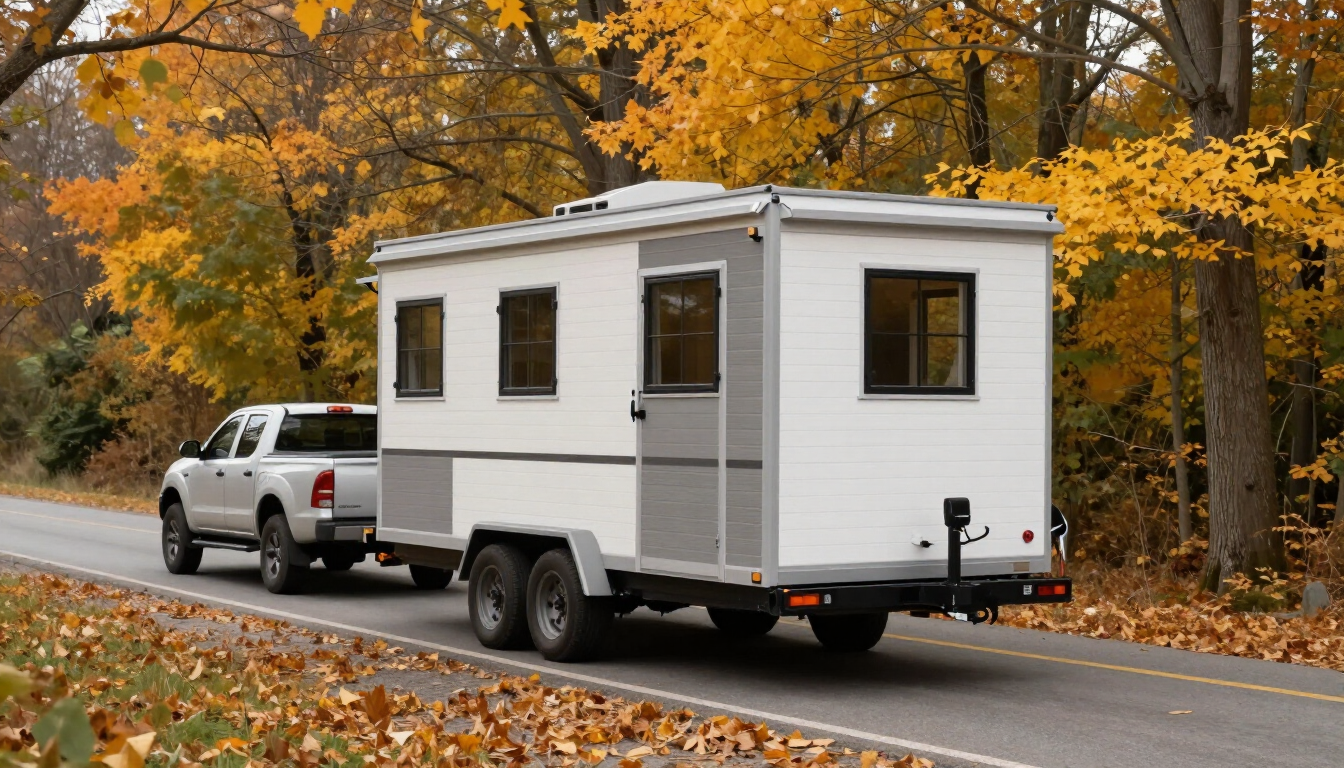
If your tiny home is built to an RV standard (RVIA or NOAH certified), it can qualify for an RV loan — the most common financing path for a THOW. RV loans run 7–20 years, with rates typically a few points above mortgage rates, and usually require 10–20% down. The home serves as collateral, so the lender will want proof of certification and a bill of sale. These loans are available through credit unions, specialty RV lenders, and some banks. The shorter term and higher rate than a mortgage reflect that the home depreciates like a vehicle. This is the route to compare first if you are buying a certified tiny home for sale.
Tiny home on wheels being towed by a pickup truck along a rural road in autumn

Personal loans and unsecured financing

If your tiny home is not RV-certified or you are building it yourself, an RV loan may not be available. The fallback is an unsecured personal loan, which does not use the home as collateral. Personal loans are faster and simpler to get, with terms of 3–7 years, but the shorter term and higher rate mean a higher monthly payment for the same amount borrowed. They work best for smaller balances — a DIY material budget or a gap between what an RV loan covers and what you need. Compare the total interest paid, not just the monthly payment, when weighing this against saving longer.
Person reviewing loan documents and a calculator on a laptop at a desk inside a tiny home

Builder financing and in-house payment plans
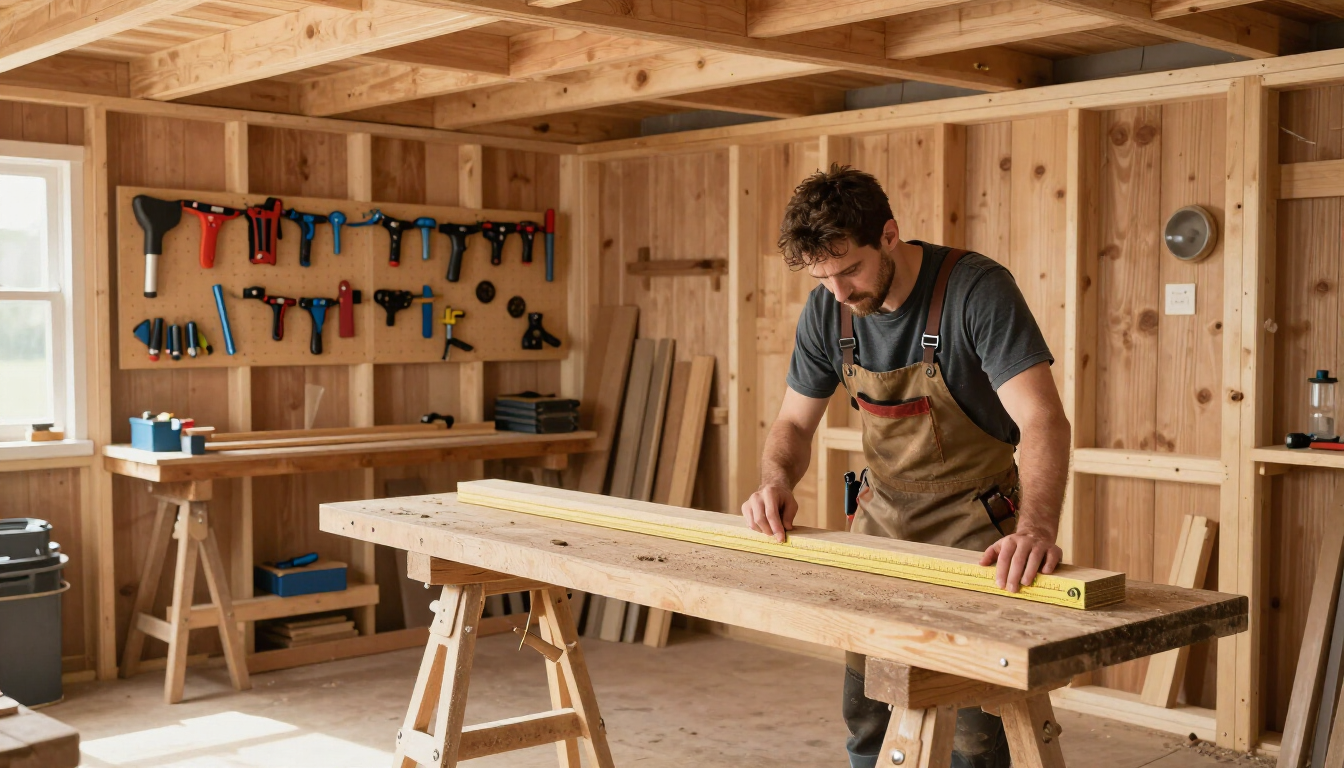
Some established builders offer financing directly or partner with a lender to arrange it, which can simplify the process since the builder already meets the certification requirements the lender wants. A few offer in-house payment plans for part of the balance, often with a larger down payment and a shorter term. This is worth asking about when you are comparing tiny home builders, because a builder who finances may also be more flexible on spec and timing. Read the contract carefully — builder financing sometimes carries a higher rate than a credit-union RV loan, so compare both.
Tiny home builder's workshop with wall frames, tools and a craftsman working

Cash, savings, and the staged-build approach
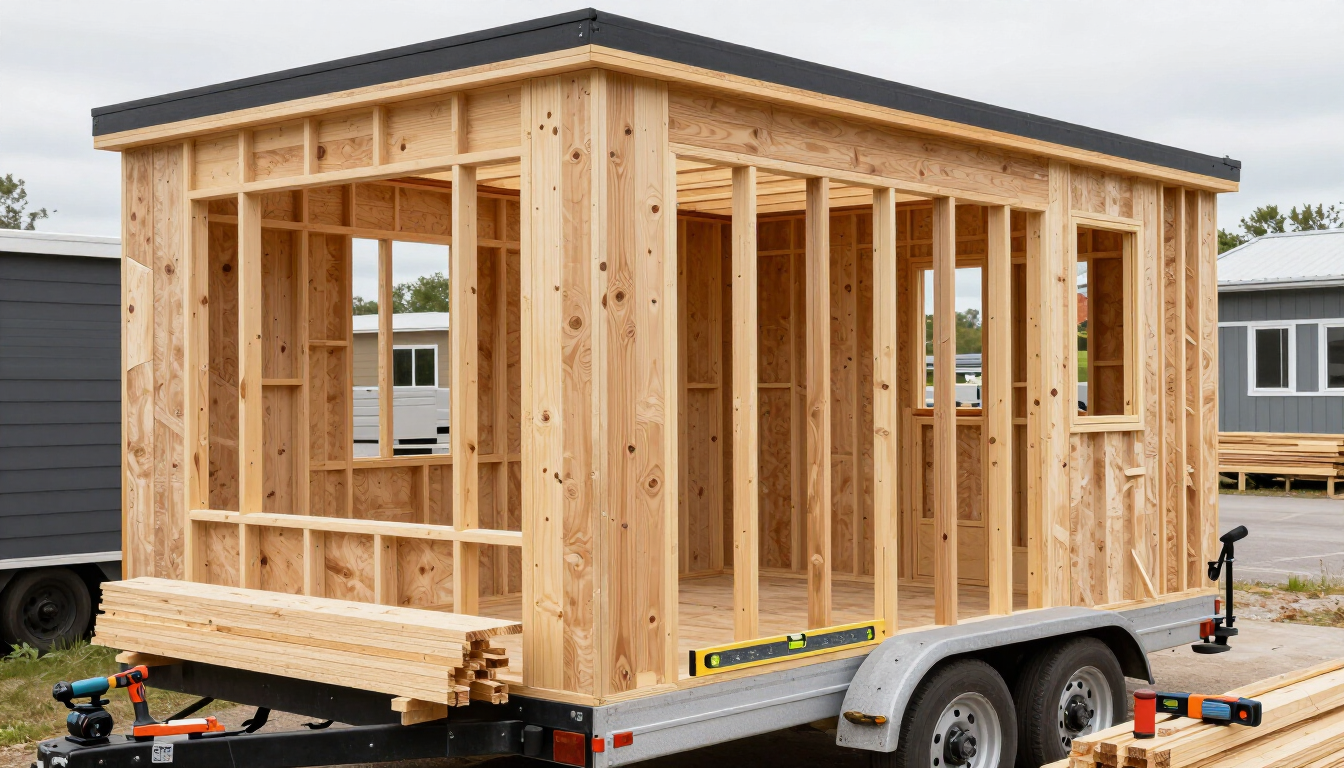
Paying cash avoids interest entirely and gives you the most negotiating power, but it requires saving the full amount first — realistic for a $25,000 DIY build, harder for a $70,000 professional one. A middle path is the staged build: pay for materials and labor in phases as you save, finishing the home over a year or two without borrowing. This slows the project but keeps it debt-free. If you do finance part of it, the smaller the loan the less interest you pay, so saving a larger down payment is almost always worth the wait.
Tiny home wooden wall frame under construction on a trailer with lumber and tools nearby

Financing land separately

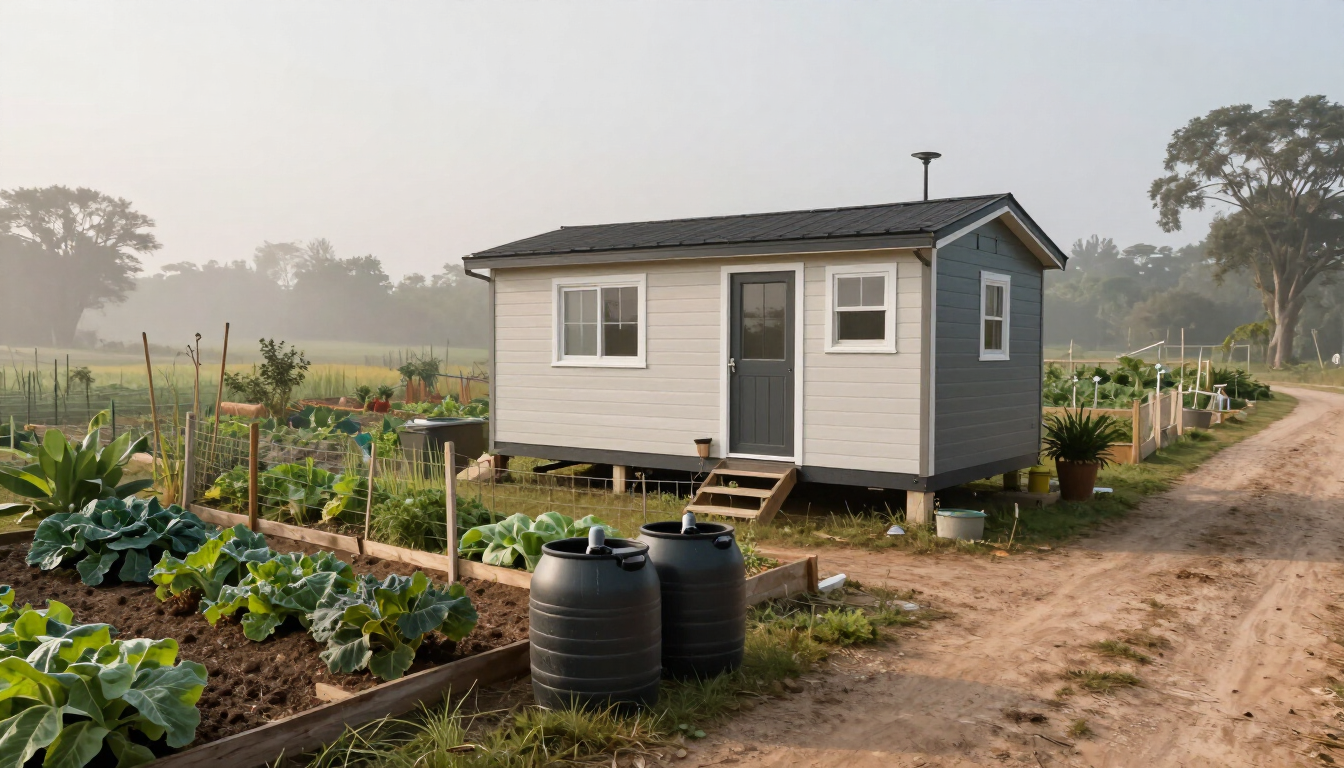
If your plan includes buying land, that is usually a separate transaction from the home. A land loan is shorter-term and higher-rate than a mortgage, but raw land is often cheap enough that the payment is manageable. Some buyers finance the land, save for the home, and build later — building equity in the land while they prepare. A foundation tiny home on owned land can eventually qualify for a construction-to-permanent mortgage if it meets local codes, which is the cheapest long-term financing but the hardest to qualify for. Explore
Tiny home on a rural homestead plot with a vegetable garden and rain barrels

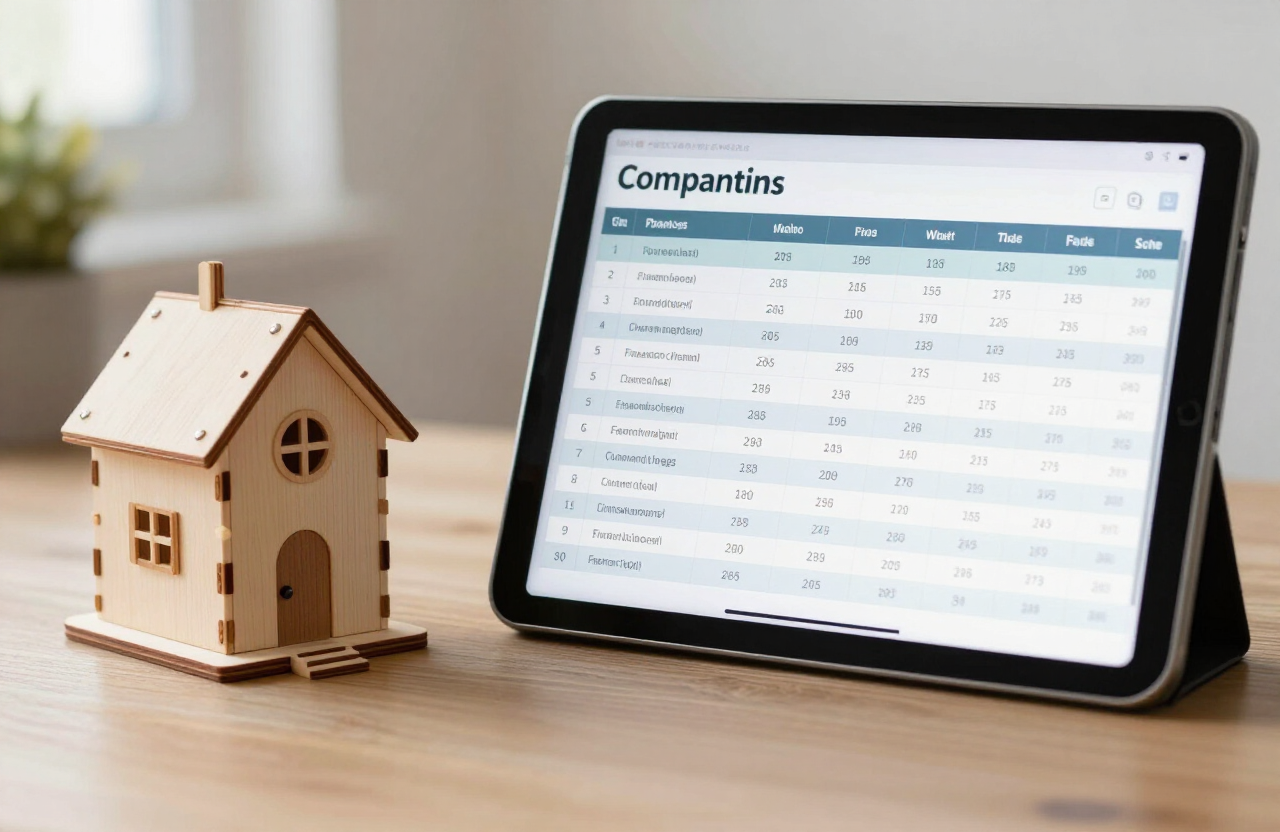
Financing options compared

OptionBest forTypical termWatch out for
RV loanCertified THOW7–20 yrsRequires RVIA/NOAH certification
Personal loanDIY or non-certified3–7 yrsHigher rate, higher monthly payment
Builder financingBuying from a builderVariesRate may exceed credit-union RV loan
Cash / staged buildSmaller budgets—Slower timeline
Land loanBuying a plot3–15 yrsHigher rate than a mortgage
Construction-to-permFoundation home on owned land15–30 yrsMust meet codes & min sq ft
Tablet displaying a comparison spreadsheet of tiny home financing options beside a small home model

Putting it all together

Tiny home financing is a different toolkit than a mortgage: RV loans for certified homes on wheels, personal loans for DIY or non-certified builds, builder financing for convenience, and cash or staged builds to avoid debt entirely. Know your all-in cost before you borrow, compare total interest rather than monthly payments, and finance land separately when it is part of the plan. The right choice depends on whether your home is certified, whether it is on wheels or a foundation, and how much you can save first. Ready to put a number to it? Browse tiny homes for sale, compare builders, or explore home plans to set your budget.

Related articles

More guides that dig deeper into the same topics.

Frequently asked questions

Can I get a mortgage for a tiny home?+

Usually not for a tiny home on wheels, which lenders treat as a vehicle. A foundation tiny home on owned land that meets local building codes and minimum square footage rules can sometimes qualify for a construction-to-permanent mortgage, but this is the exception and the hardest path to qualify for.

What credit score do I need for a tiny home loan?+

For an RV loan, most lenders want a credit score in the mid-600s or higher, with better rates above 700. Personal loans have a wider range but charge higher rates at lower scores. A larger down payment can offset a middling score.

How much down payment does a tiny home need?+

RV loans typically require 10–20% down. Personal loans may require nothing down but charge higher rates. A larger down payment lowers your monthly payment and total interest, so saving more first is almost always worth it.

Are tiny homes a good financial investment?+

Tiny homes on wheels generally depreciate like vehicles rather than appreciating like real estate, so they are best viewed as a lifestyle and cost-of-living choice rather than an investment. A foundation tiny home on owned land can build equity, especially if the land appreciates.

Can I finance a DIY tiny home build?+

It is harder because DIY builds are not RV-certified, so RV loans usually are not available. The realistic options are an unsecured personal loan for materials, a staged build paid in phases as you save, or paying cash.

Should I finance the land and the home together?+

They are usually separate transactions. Land loans and home loans have different terms and lenders. Financing land first, then saving for the home, is a common path that builds equity in the land while you prepare to build.

Ready to start searching?

Browse tiny homes, plans, builders, communities and land on the interactive map.

Explore the map
>