Financing & Costs

Tiny Home Investment: Financial Returns and ROI

13 min read · Updated March 14, 2026

By John

A tiny home can be a lifestyle choice and a financial one. Here is an honest look at tiny home investment — rental income, appreciation, costs, and the real ROI you can expect when you treat a tiny house as an asset.

Person using a financial calculator and notebook to work out tiny home investment returns on a desk with a laptop

Is a tiny home a good investment?

The honest answer is: it depends on how you use it. A tiny home is unlikely to appreciate like a traditional house on owned land, because a tiny house on wheels is a movable asset that depreciates like a vehicle. But a tiny home can generate strong returns as a short-term rental, save you years of rent or mortgage payments as a primary residence, or appreciate if it is a foundation home on land you own. The key is to run the numbers for your specific plan rather than relying on general claims. This article breaks down the real returns, costs, and ROI math so you can decide. Start by browsing

The three ways a tiny home makes money
A tiny home generates financial return in three distinct ways. First, cost savings: living in it full-time eliminates rent or a mortgage, saving $1,000 to $2,500 per month in many markets. Second, rental income: listing it as a short-term vacation rental can earn $50 to $200 per night in a desirable location. Third, appreciation: a foundation tiny home on owned land can rise in value with the land, though a THOW typically depreciates. Most successful tiny home investors combine the first two — they live in the home part of the year and rent it out when they travel.
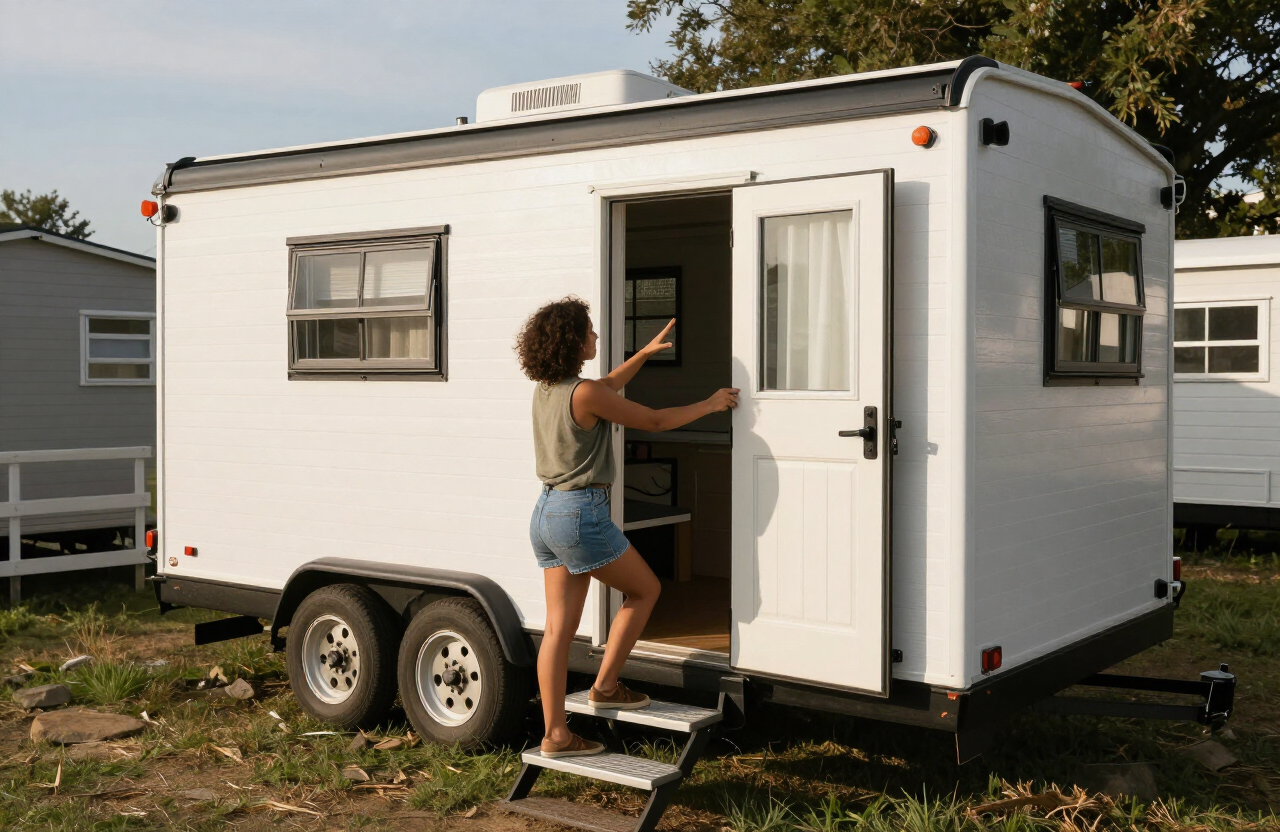
Tiny house on wheels listed as a vacation rental with a guest checking in at the door

Rental income: the short-term rental play
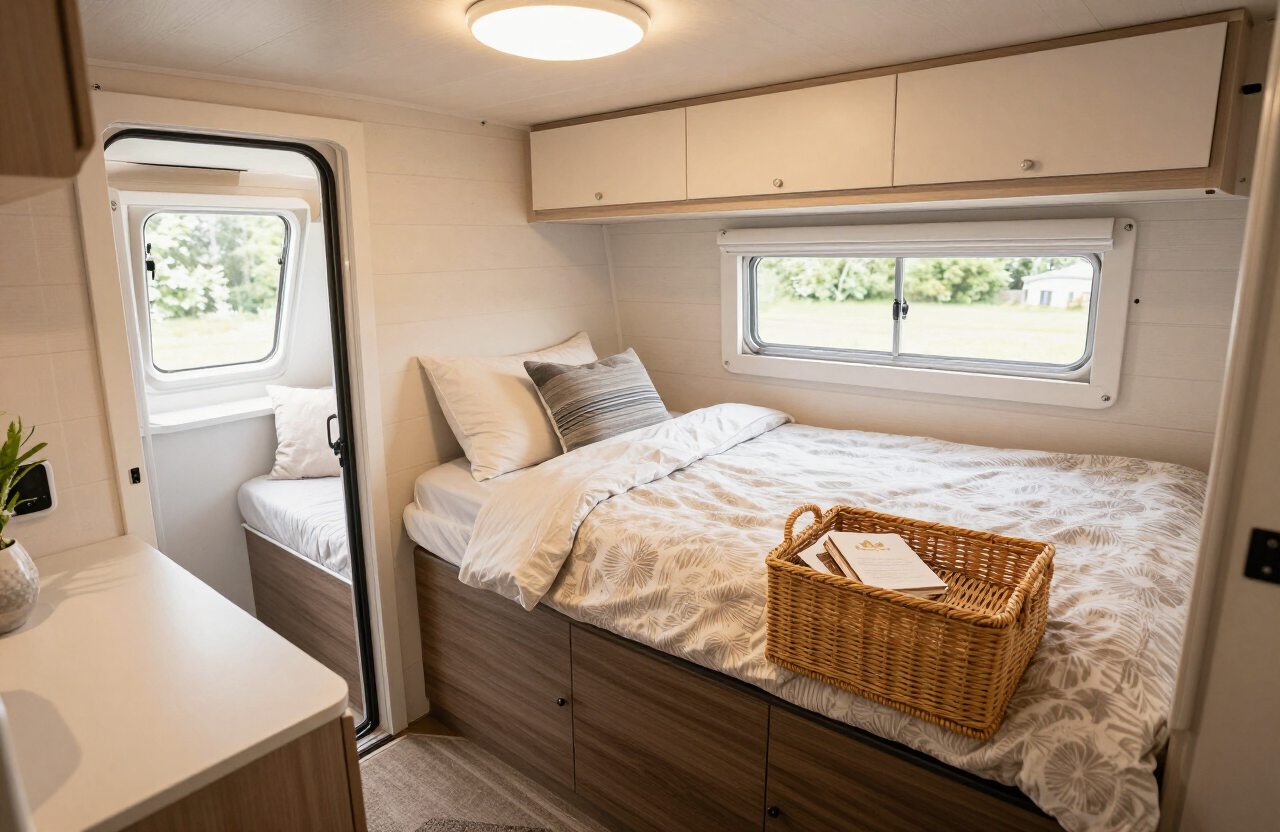
A well-located tiny home can be a lucrative short-term rental. Nightly rates range from $50 in a rural spot to $200-plus near a national park or a desirable city, with occupancy averaging 40 to 70 percent depending on season and marketing. Gross monthly income might run $1,500 to $4,000, before platform fees of about 15 percent, cleaning, utilities, and maintenance. Net cash flow after expenses often lands at $800 to $2,500 per month. The catch is that short-term rental regulations are tightening in many cities, so confirm legality before you buy. A tiny home in a friendly RV park or on rural land is usually safest.
Cozy furnished tiny house on wheels set up as a short-term rental with a made bed and welcome basket

Appreciation: what actually goes up in value

Be realistic about appreciation. A tiny house on wheels is a chattel — personal property — and like a car it loses value over time, typically 5 to 10 percent per year in the first decade. What appreciates is the land underneath a foundation tiny home, and the improvements that add permitted, inspected value. So a foundation tiny home on a desirable lot can appreciate with the local market, while a THOW parked on rented land almost certainly will not. If appreciation is your goal, buy land and build a permitted foundation home, not a movable THOW. See our
Hand-drawn bar chart on a whiteboard showing tiny home property value appreciation over several years

The full cost picture

ROI only means something next to total cost, and tiny home costs go beyond the purchase price. The home itself runs $40,000 to $120,000 for a quality build. Land, if you buy it, adds $20,000 to $100,000-plus depending on location. Site work — foundation, utility hookups, a driveway, a deck — adds $10,000 to $40,000. Ongoing costs include property tax or lot rent, insurance, utilities, maintenance, and for a rental, platform fees, cleaning, and turnover labor. A realistic investor lists every one of these before projecting returns. Skipping a cost category is how optimistic projections become disappointing realities.
Real estate investor reviewing printed listings of several tiny homes spread on a table

Maintenance and depreciation

Maintenance is the quiet cost that erodes tiny home ROI. A THOW on the road needs tire, brake, and bearing service; a stationary tiny home still needs roof, siding, and sealant upkeep as weather takes its toll. Budget 1 to 2 percent of the home's value per year for maintenance, and more for a rental that sees heavier use. Depreciation is the other quiet cost: a THOW loses value as it ages, so a five-year-old tiny home is worth less than a new one. Factor both into your return math, and keep meticulous records for tax time. See our maintenance guide for the schedule.
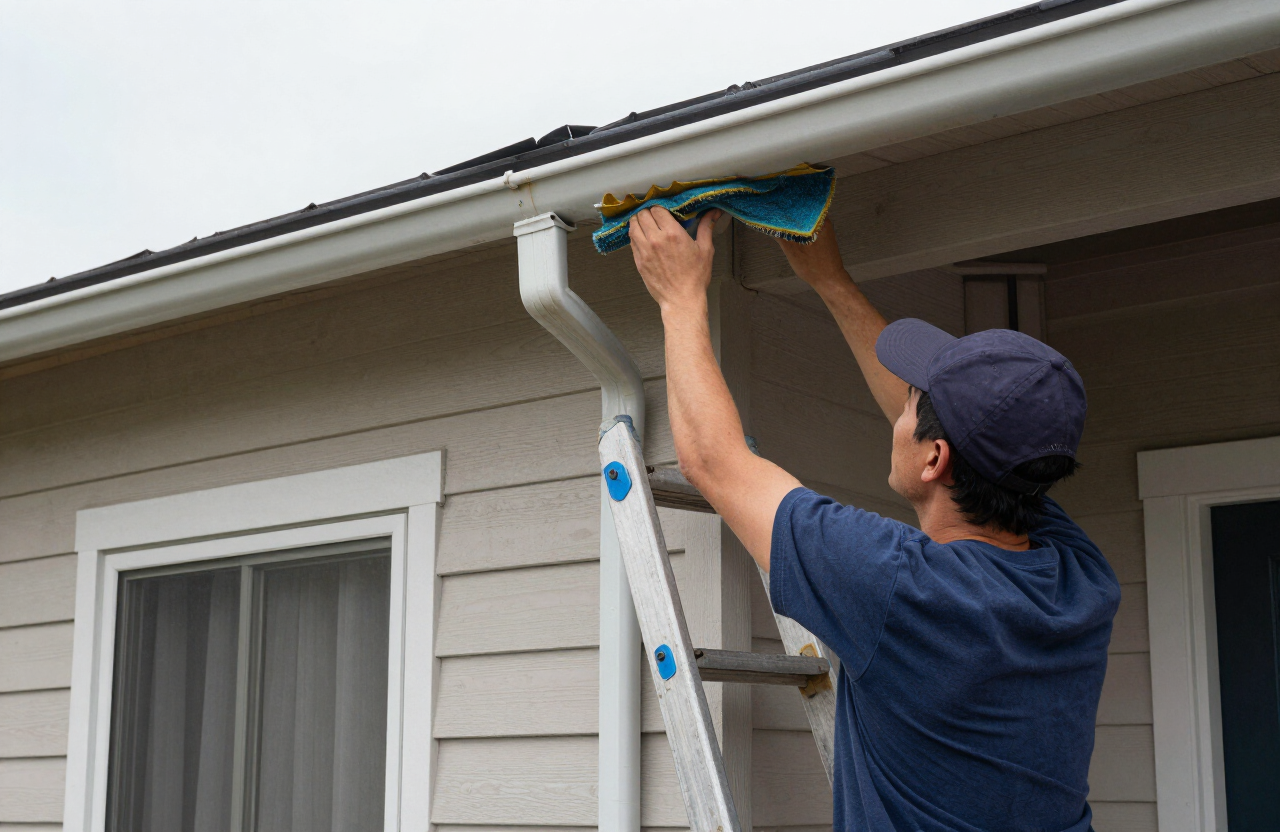
Tiny home owner doing routine maintenance cleaning gutters on a ladder beside the house

A sample ROI calculation

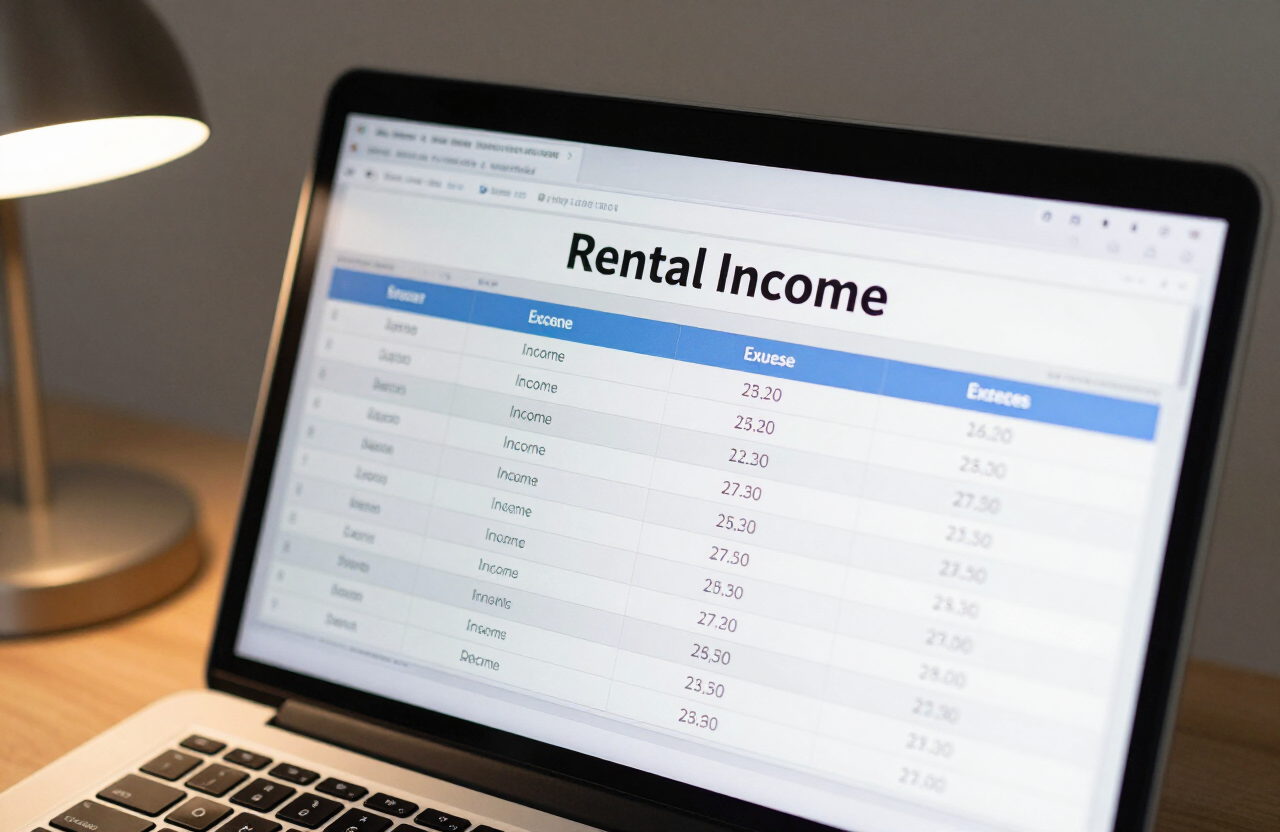
Consider a $70,000 tiny home on rented land in a vacation area, listed as a short-term rental. At $120 per night and 55 percent occupancy, gross monthly income is about $1,980. After a 15 percent platform fee ($297), cleaning ($200), utilities ($80), insurance ($100), and lot rent ($400), net monthly cash flow is roughly $903, or about $10,800 per year. Against a $70,000 investment, that is a 15 percent annual cash-on-cash return before taxes and depreciation — strong, but sensitive to occupancy and regulation. Run this same math for your own numbers before you commit.
Spreadsheet on a laptop screen showing rental income and expense rows for a tiny home investment

Tax considerations for tiny home investors

Taxes shape real returns significantly. If you rent out your tiny home, you owe income tax on the net profit, but you can deduct operating expenses, depreciation, and mortgage interest. A THOW is personal property, so it depreciates over five to seven years rather than the 27.5 years for residential real estate, which can shelter income early but recapture later. A foundation tiny home on owned land may qualify for residential real estate treatment and even a 1031 exchange. Short-term rental tax rules vary by state and city, including lodging taxes you may need to collect. Talk to a CPA who knows real estate before you file.

Investment strategy comparison

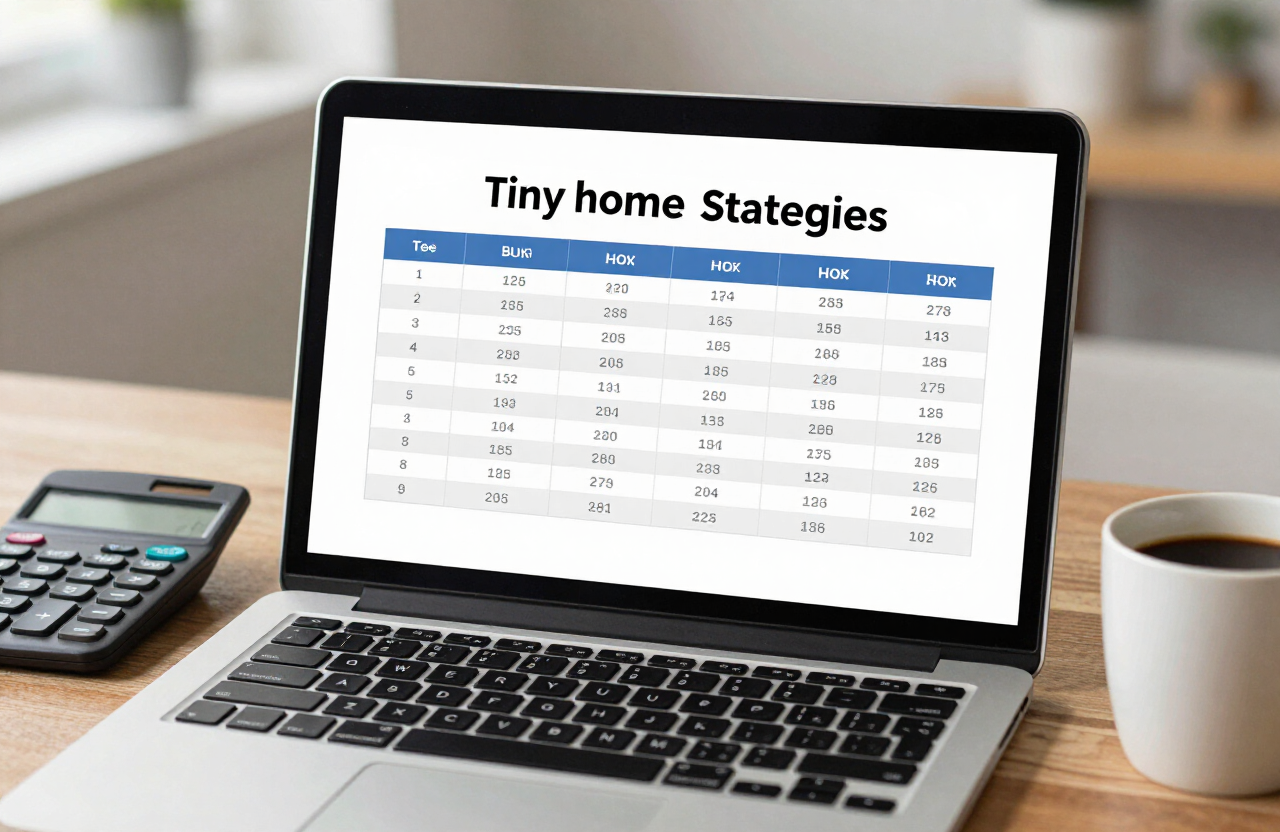
StrategyTypical annual returnMain risk
Live in it full-timeSavings of $12k–$30kLifestyle adjustment
Short-term rental10–18% cash-on-cashRegulation, occupancy
Long-term rental5–9% cash-on-cashLower rent, turnover
Foundation home on landAppreciation + rentHigher up-front cost
Flip a used THOWVariable, often thinDepreciation, market
Laptop showing a comparison table of tiny home investment strategies with a calculator and coffee beside

Making a smart tiny home investment

A smart tiny home investment starts with a clear goal: are you after cash flow, cost savings, or appreciation? Each goal points to a different strategy and a different kind of home. Buy below market by shopping used, verify certification and condition, and choose a location with friendly rules and strong rental demand if you plan to rent. Keep reserves for maintenance and vacancies, and revisit your numbers annually. Done carefully, a tiny home can be a genuine income-producing asset or a powerful cost-saving move. Explore

Related articles

More guides that dig deeper into the same topics.

Frequently asked questions

Do tiny homes appreciate in value?+

A tiny house on wheels usually depreciates like a vehicle, losing 5 to 10 percent per year in the first decade. A foundation tiny home on owned land can appreciate with the land and the local market. If appreciation is your goal, buy land and build a permitted foundation home rather than a movable THOW.

How much can I make renting a tiny home on Airbnb?+

A well-located tiny home can gross $1,500 to $4,000 per month as a short-term rental, with net cash flow of $800 to $2,500 after platform fees, cleaning, utilities, and maintenance. Returns depend on nightly rate, occupancy, and local regulation. Confirm short-term rental legality before you buy.

What is a good ROI for a tiny home investment?+

A short-term rental tiny home can return 10 to 18 percent cash-on-cash in a strong market, while a long-term rental might return 5 to 9 percent. A primary-residence tiny home saves $12,000 to $30,000 per year in avoided rent. Compare any projection to the full cost picture, including maintenance and depreciation.

Is buying a tiny home better than renting?+

Financially, a tiny home can pay for itself in two to four years of avoided rent, after which you live nearly free except for utilities and maintenance. The trade-off is the up-front cost and the lifestyle adjustment. Run the break-even math for your local rent and your target tiny home price before deciding.

What costs do tiny home investors forget to include?+

Common omissions are land or lot rent, site work and utility hookups, insurance, property tax, platform fees for rentals, cleaning and turnover labor, and maintenance of 1 to 2 percent of the home's value per year. A projection that skips any of these will overstate your real return.

Can I depreciate a tiny home on my taxes?+

Yes. A tiny house on wheels is personal property and typically depreciates over five to seven years, which can shelter rental income early but may recapture when you sell. A foundation tiny home on owned land may qualify for 27.5-year residential real estate depreciation. Talk to a CPA who knows real estate.

Is a tiny home a safer investment than a traditional house?+

Not necessarily safer — just different. A tiny home has a lower up-front cost and lower ongoing expenses, but a THOW depreciates and is harder to finance and insure. A traditional house appreciates more reliably but costs far more. Match the investment to your capital, risk tolerance, and goals.

Ready to start searching?

Browse tiny homes, plans, builders, communities and land on the interactive map.

Explore the map
>