Zoning
ADU vs Tiny Home: Which Backyard Option Wins?
6 min read · Updated December 2, 2025
By John
Both add a small dwelling to your property, but an ADU and a backyard tiny home differ in legality, cost and permanence. Here is the comparison.
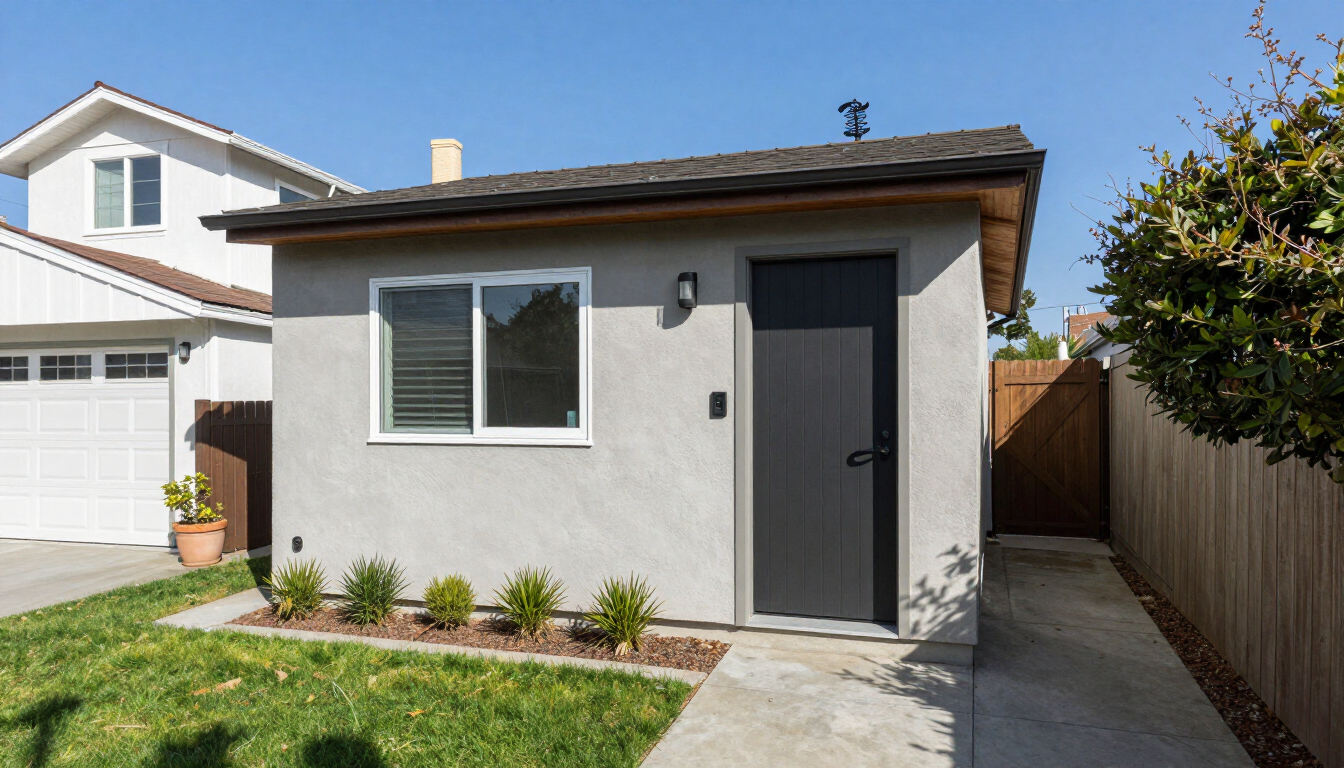
The two backyard options
An accessory dwelling unit (ADU) is a permanent second dwelling on a lot with a primary house — usually on a foundation, permitted as real estate. A backyard tiny home is typically a THOW parked on the same lot, titled as an RV. Both add living space or rental income, but the legal and financial paths diverge sharply. See our
Legality and permitting
ADUs are explicitly legal in a growing number of cities (California statewide, Portland, Seattle, Austin and more) with a defined permit path — slow but certain. A backyard THOW is usually legal only as a temporary or accessory structure, not a full-time dwelling, and enforcement varies. If you want to rent it out long-term or live in it full-time, the ADU is the safer legal bet. Verify your local rules as you would for any
Cost and timeline
A permitted ADU runs $100,000–$300,000+ and takes 9–18 months through design, permits and construction — but it adds real estate value and can be mortgaged. A backyard THOW costs $40,000–$90,000 and can be placed in weeks, but it is personal property that depreciates (see resale value). The ADU is an investment; the THOW is a faster, cheaper, flexible addition. Browse tiny homes for sale for the THOW side.
Which to choose
Choose an ADU if you plan to stay, want rental income, and can afford the time and money — it builds equity. Choose a backyard tiny home if you want speed, lower cost, and the option to move or sell the dwelling separately. Some owners start with a THOW to test the use, then build a permitted ADU later. Either way, check whether your
Related articles
More guides that dig deeper into the same topics.
Ready to start searching?
Browse tiny homes, plans, builders, communities and land on the interactive map.
Explore the map