Tiny Home Battery Storage: How to Size Your Off-Grid Bank
11 min read · Updated February 10, 2026
By John
Too small a battery bank leaves you in the dark; too big wastes money. Here is how to size tiny home battery storage for off-grid solar — step by step, with real numbers and lithium vs lead-acid guidance.
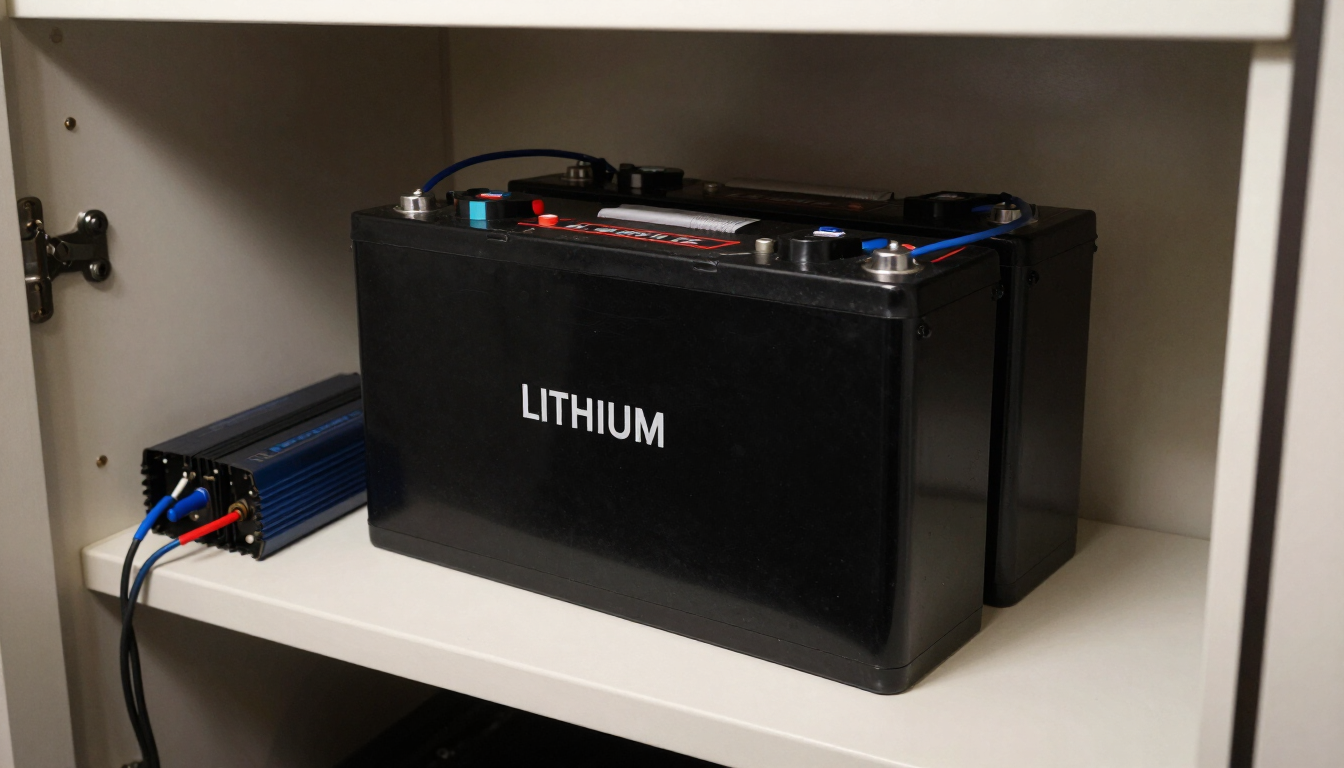
Why battery sizing is the heart of an off-grid tiny home
Step 1: Calculate your daily energy use in watt-hours
Step 2: Decide on days of autonomy
Step 3: Account for depth of discharge and efficiency
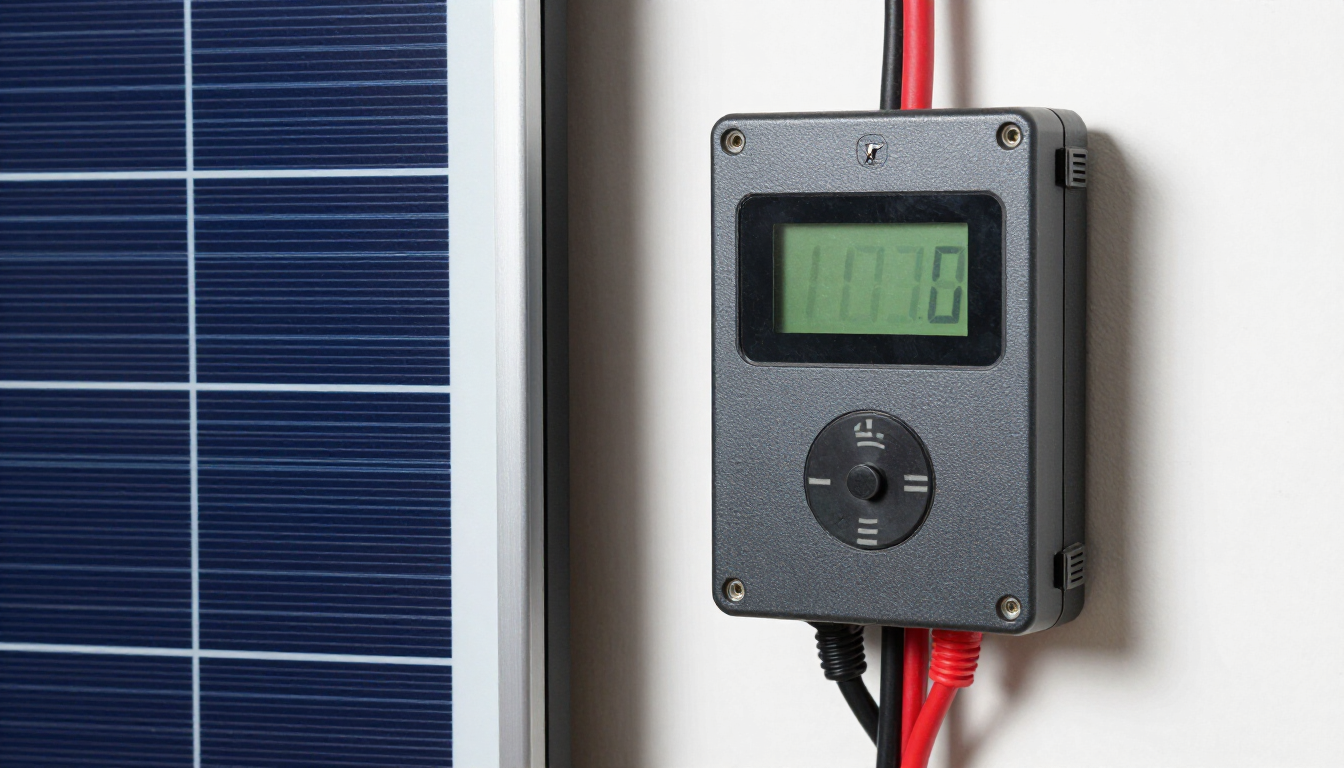
Lithium vs lead-acid: the defining choice
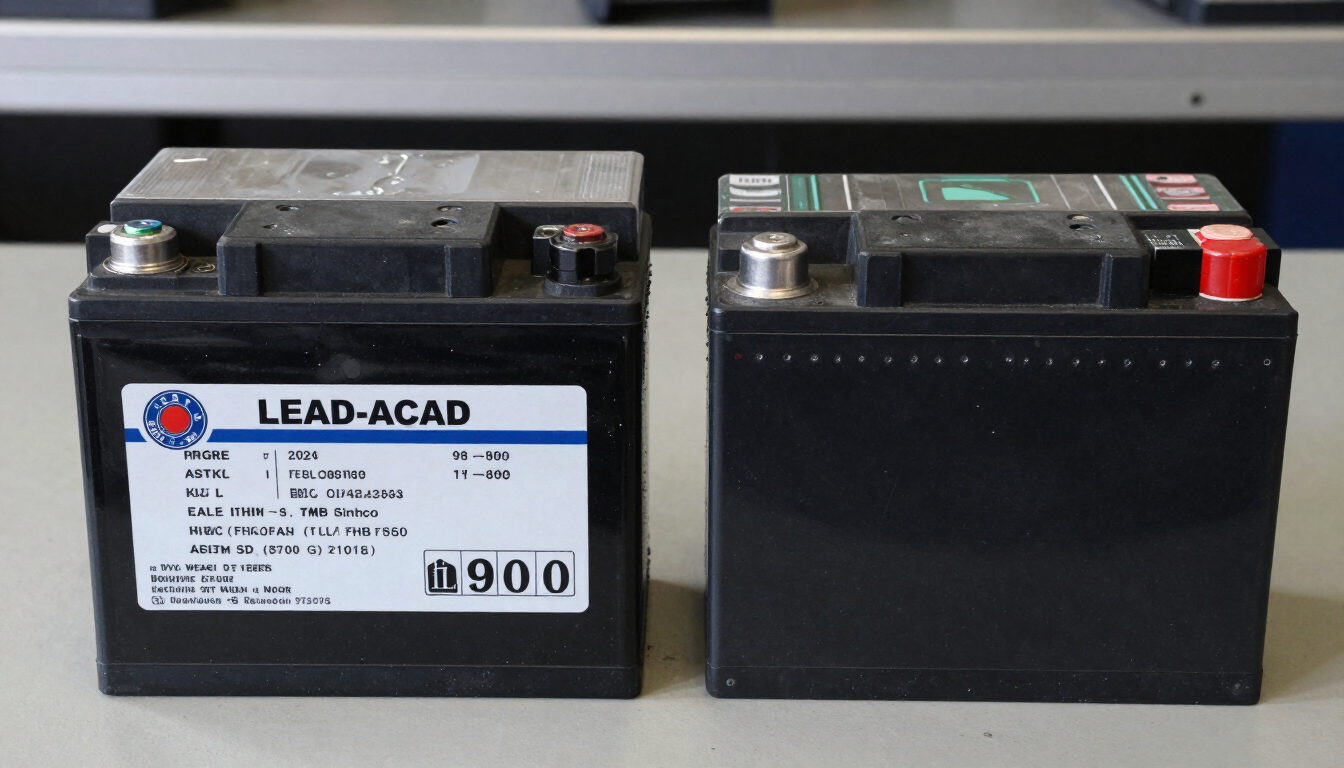
Voltage and wiring: 12V, 24V, or 48V
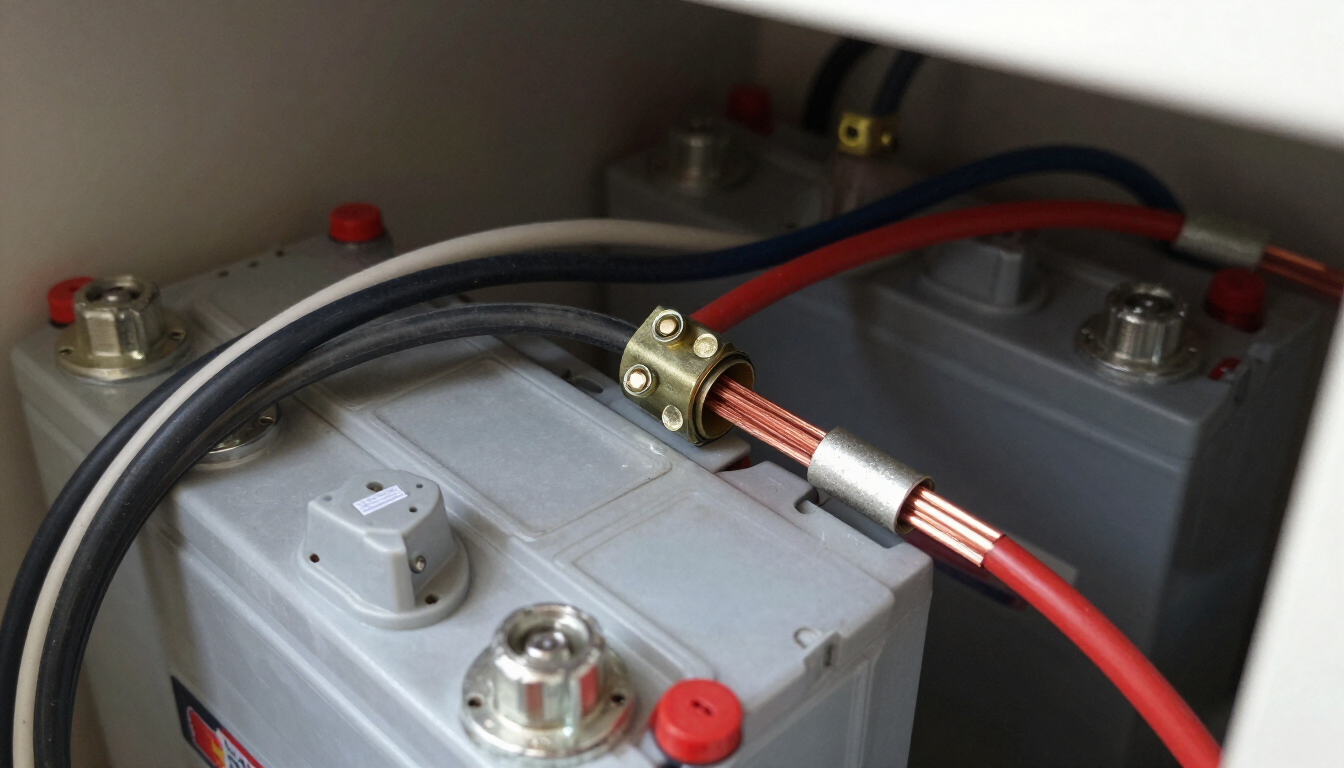
Sizing worksheet with a real example
| Step | Value | Calculation |
|---|---|---|
| Daily energy use | 1,200 Wh | Sum of all loads |
| Days of autonomy | 3 | Cloudy days to cover |
| Usable storage needed | 3,600 Wh | 1,200 × 3 |
| Lithium DoD | 85% | 3,600 ÷ 0.85 |
| Inverter efficiency | 90% | ÷ 0.90 |
| Bank to buy | ~4,700 Wh | ≈ 4.7 kWh lithium |
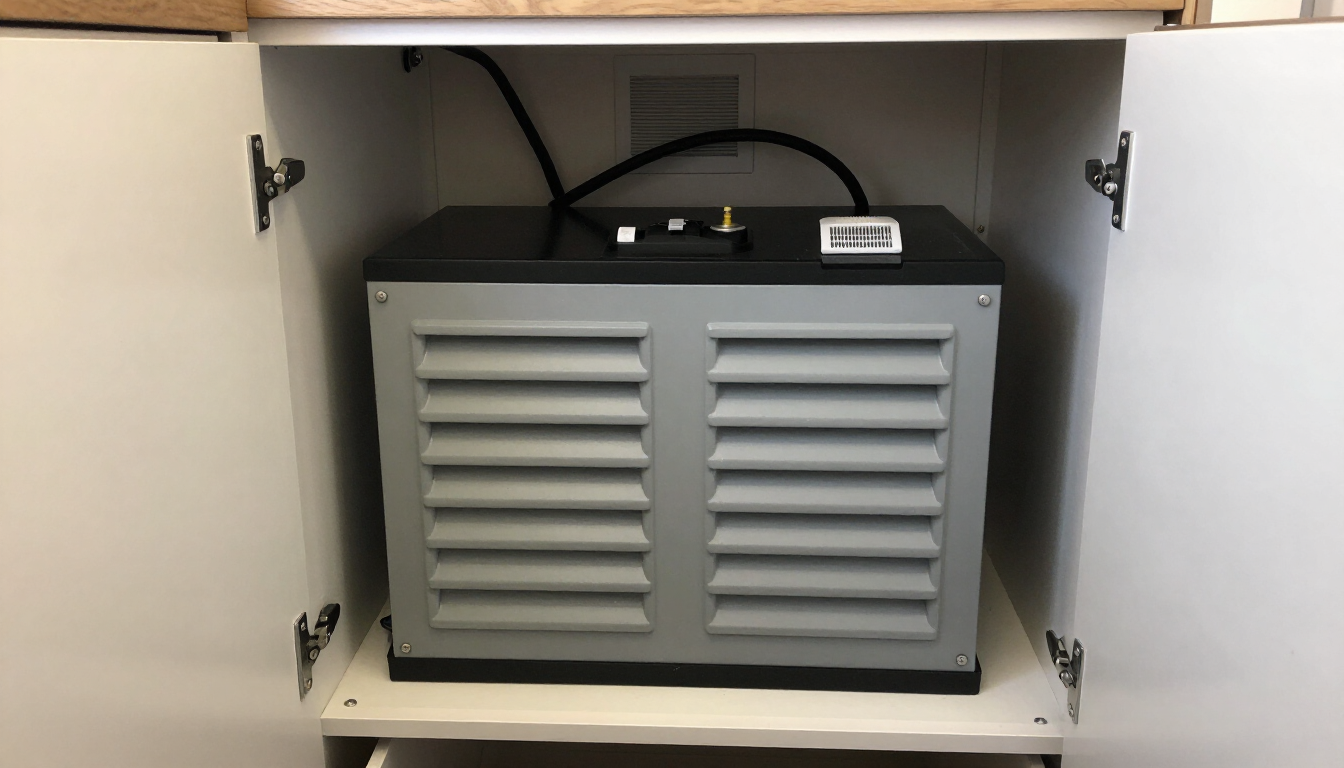
Maintenance, monitoring, and safety
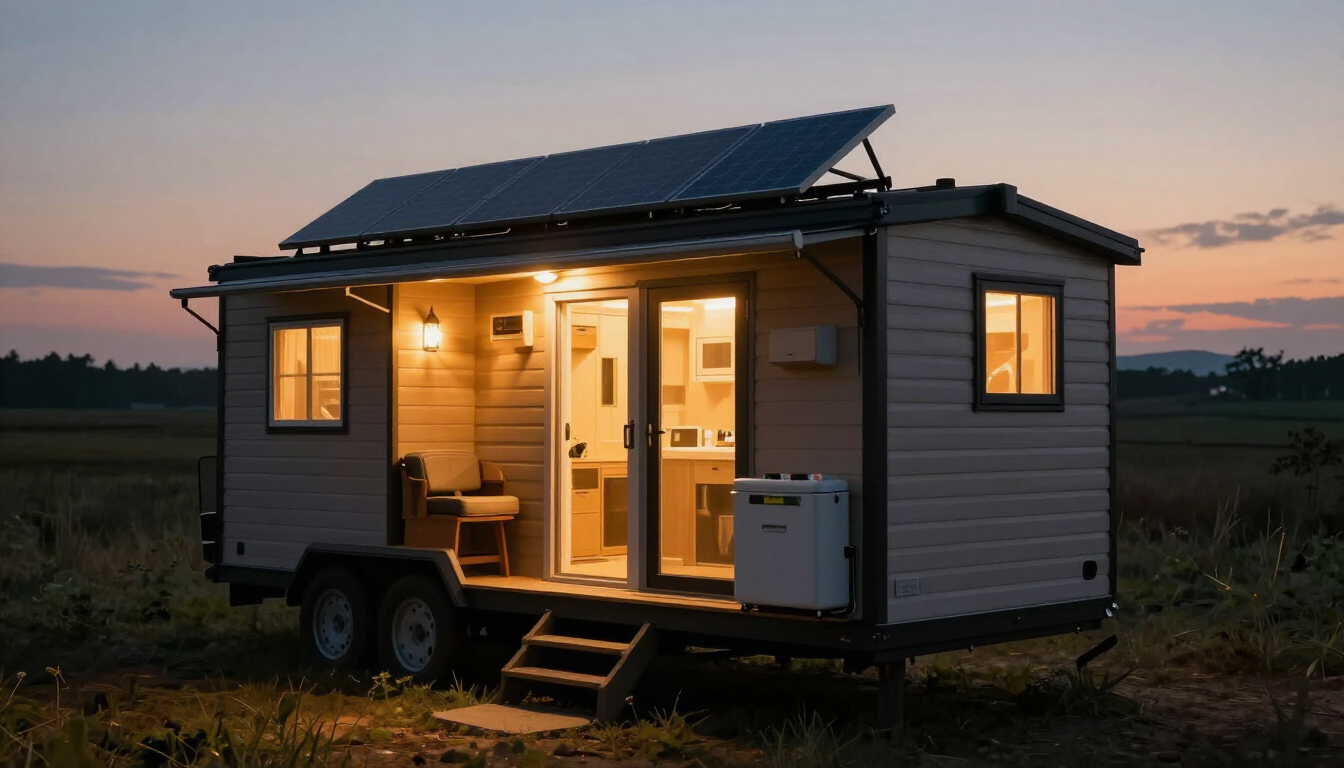
Right-sizing saves money and headaches
Related articles
More guides that dig deeper into the same topics.
Frequently asked questions
How big a battery bank do I need for an off-grid tiny home?+
A modest off-grid tiny home using about 1,200 Wh/day and wanting 3 days of autonomy typically needs around 4.7 kWh of lithium storage. The exact size depends on your real daily loads, local cloud cover, and how many days of autonomy you want.
Are lithium batteries worth it for a tiny home?+
For new off-grid builds, almost always yes. Lithium (LiFePO4) delivers 80–90% usable capacity, lasts thousands of cycles, weighs less, and charges faster than lead-acid. Over a decade it is usually cheaper per usable kWh despite the higher upfront price.
How many cloudy days should my battery bank cover?+
A common off-grid target is 2–3 days of autonomy. Very sunny regions may need only 1–2; cloudy regions may want 3–5. A backup generator can reduce the autonomy you need to buy in batteries.
What voltage should my tiny home battery bank be?+
Under about 1,200 Wh/day, 12V is fine and matches RV appliances. From 1,200–3,000 Wh/day, consider 24V. Above 3,000 Wh/day, go 48V to keep currents low and wiring manageable.
Can I use 100% of my battery capacity?+
No. Lithium batteries can safely use about 80–90% of their rated capacity; lead-acid should be kept to about 50% to last. You must also account for inverter losses of around 10–15% when sizing.
Do lithium batteries need maintenance?+
Very little. They need a battery management system (BMS) to protect the cells — usually built into quality batteries — and should be housed in a vented, temperature-moderated space. They should not be charged below freezing without a built-in heater.
How do I know my battery's real state of charge?+
Install a shunt-based battery monitor (coulomb counter). It measures actual energy in and out and is far more accurate than voltage-based estimates, which are misleading under load.
Ready to start searching?
Browse tiny homes, plans, builders, communities and land on the interactive map.
Explore the map