Building
Electrical Wiring in a Tiny Home: What You Need to Know
7 min read · Updated December 10, 2025
By John
Panel sizing, AC vs DC, off-grid inverters and safety — a practical overview of wiring a tiny home without burning it down.
AC, DC, or both?
A grid-connected tiny home runs standard 120 V AC wiring just like any house. An off-grid home runs on a 12 V, 24 V or 48 V DC battery bank, with an inverter supplying 120 V AC for standard appliances. Many off-grid builders run DC directly to lights, fans and the fridge (more efficient) and use a small inverter for laptops and kitchen tools. This decision drives your
Panel and circuit sizing
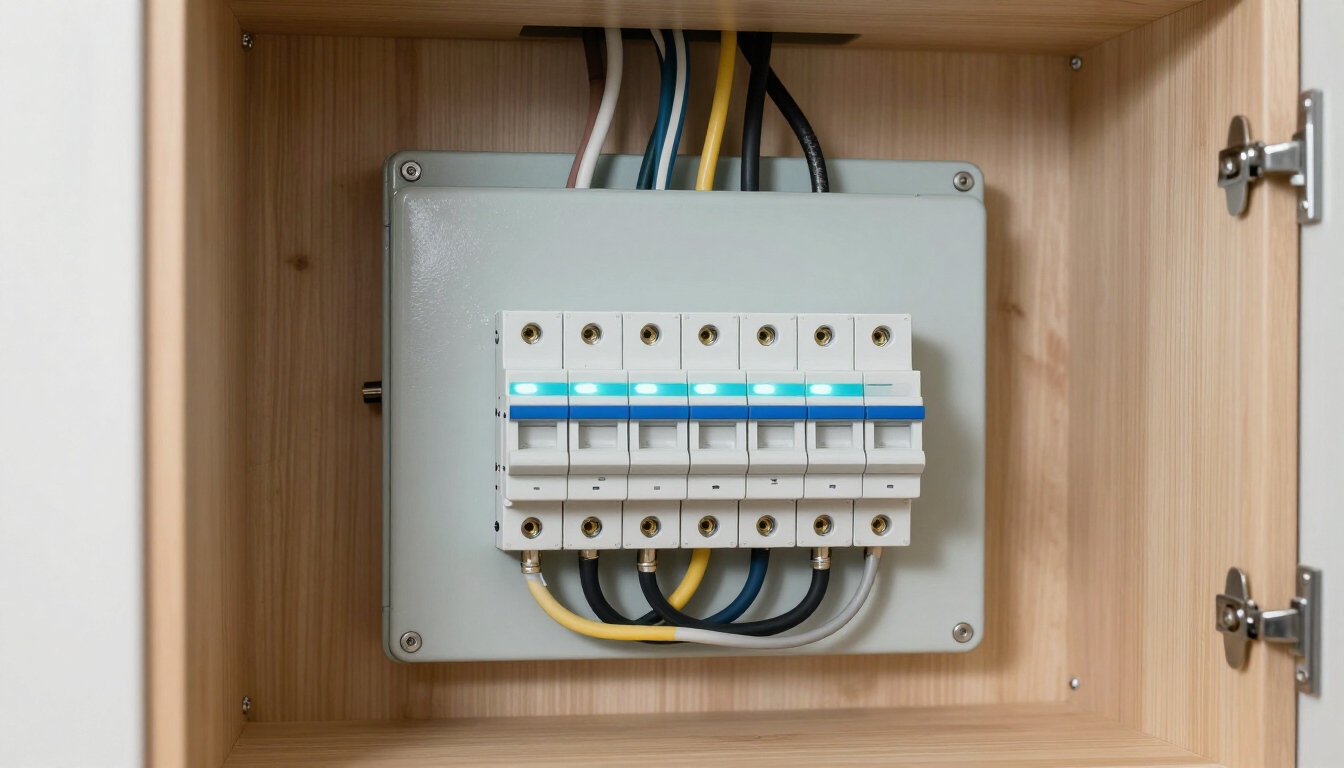
A tiny home usually needs a 30–60 amp panel for grid connection (a 30 amp RV-style hookup is common in communities). Size circuits to load: a 20 amp circuit for the kitchen, 15 amp for lights and outlets, a dedicated circuit for a mini-split or water heater. Do not overload a single circuit — a tiny home's small panel has little spare capacity.
Safety and inspection
Electrical work is the one system where mistakes kill. Use proper gauge wire for the breaker, ground everything, install GFCI outlets in wet areas (kitchen, bathroom, exterior), and use stranded marine wire where the home will flex in transit. If you are not confident, hire an electrician for the panel and main runs — it is money well spent. Some insurers require a certified electrical sign-off; see our insurance guide.
Off-grid specifics
Off-grid wiring adds a charge controller, battery bank, inverter and DC fuse box to the AC panel. Keep DC runs short and thick (voltage drop is brutal at 12 V). Mount the battery bank ventilated and away from living space. This is the most complex part of a DIY build — many owner-builders do the AC wiring themselves and hire a solar installer for the DC side. Browse off-grid listings to see finished systems.
Related articles
More guides that dig deeper into the same topics.
Ready to start searching?
Browse tiny homes, plans, builders, communities and land on the interactive map.
Explore the map