Off-Grid Power

Tiny Home Electricity Use: How Many Watts and Panels You Need

10 min read · Updated February 2, 2026

By John

How much electricity does a tiny home actually use? Most use 1–5 kWh per day, far less than a conventional house. Here is how to estimate your loads, compare appliances, and size your solar and battery system.
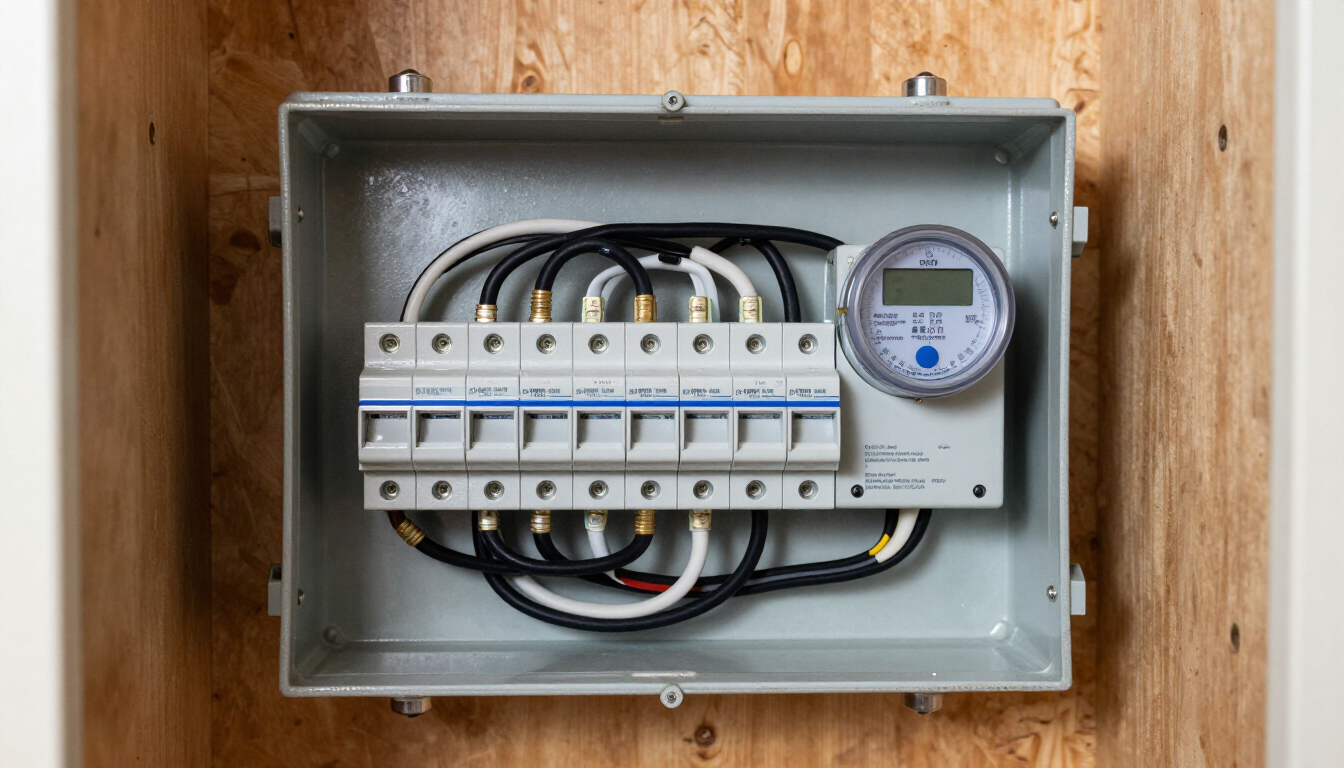
Tiny home electrical panel with an open breaker box and a digital meter

Tiny homes use far less power — but sizing still matters

A typical American house uses about 30 kWh of electricity per day; a tiny home usually uses 1–5 kWh. That dramatic reduction is the whole reason off-grid solar is feasible for tiny homes at all. But 'less' is not 'nothing,' and the difference between a 1 kWh/day and a 5 kWh/day system is large in panels and batteries. Estimating your

How to measure energy in watt-hours

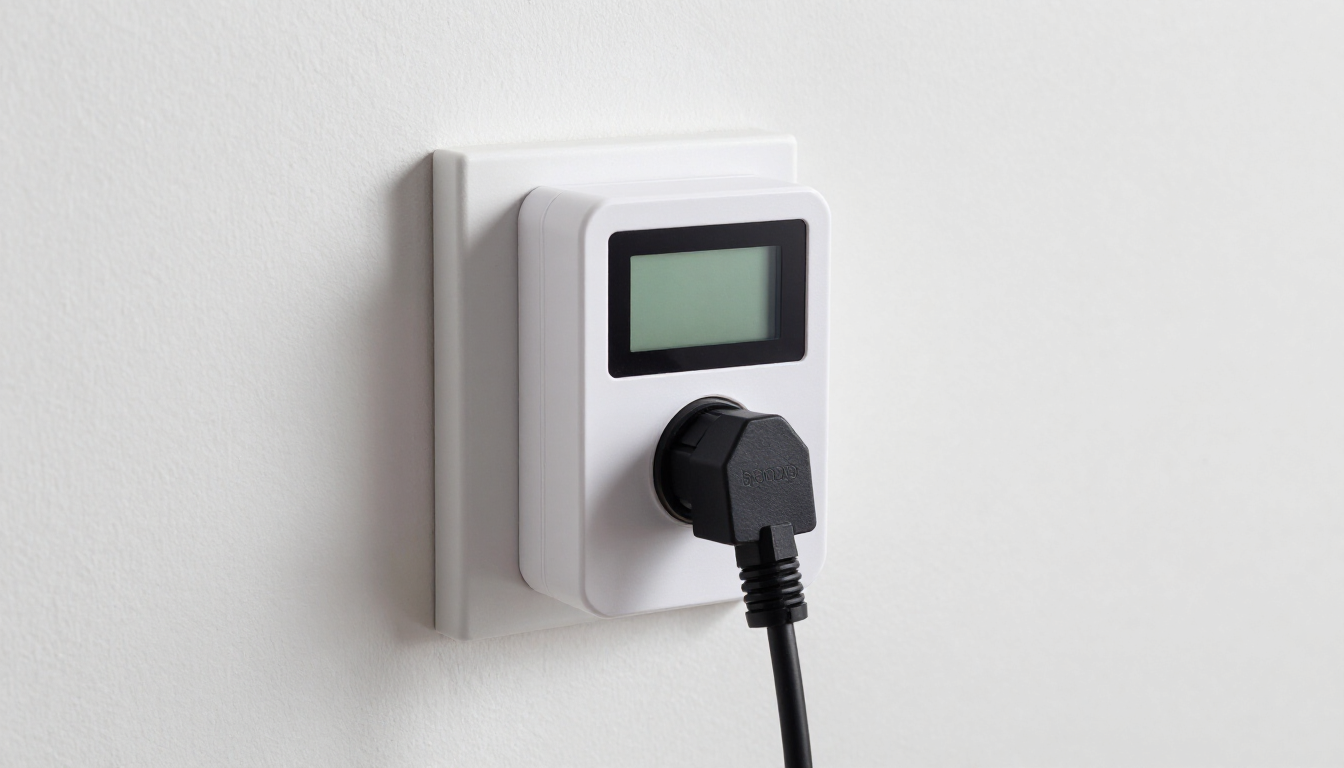
Electricity use is measured in watt-hours (Wh): watts × hours. A 10 W LED light on for 5 hours uses 50 Wh. A 100 W laptop charging for 2 hours uses 200 Wh. To size a system, list every load, its wattage, and daily run-hours, then sum the Wh. A plug-in power meter (a 'kill-a-watt' style device) lets you measure real consumption of anything you can plug in — far more accurate than nameplate ratings, which are usually maximums. Measure first, then design.
Power meter device plugged into a tiny home outlet measuring appliance wattage

Common tiny-home loads and their daily use

LoadWattsHours/dayWh/day
LED lighting (all)205100
12V compressor fridge~50 avg24 (cycling)600
Laptop504200
Phone / tablet10330
Water pump50150
Ventilation fans20480
TV / streaming602120
Induction cooktop15000.5750
Total (example)~1,930
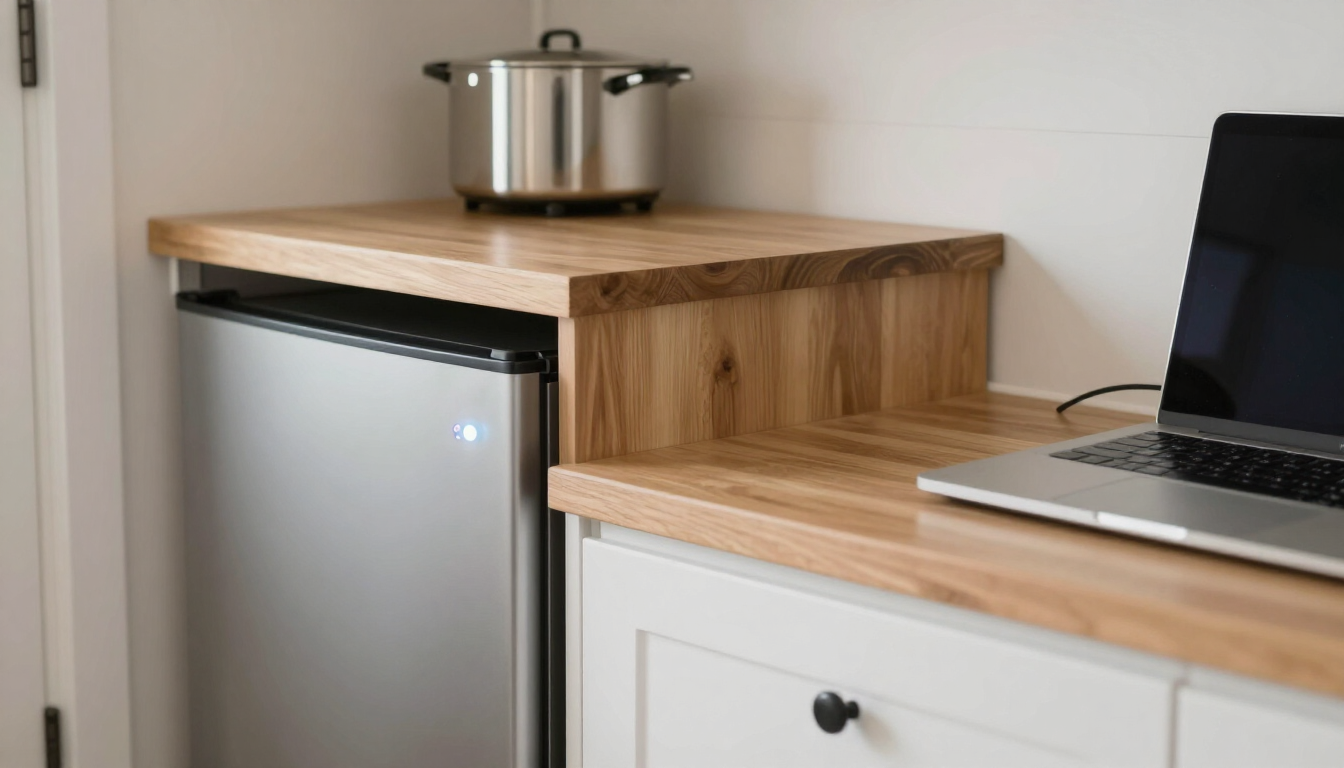
Tiny home kitchen counter with a compact fridge, LED light, and laptop

The big three: fridge, cooking, and heating
Three loads dominate tiny-home energy use and deserve attention. The fridge runs 24/7 — a modern 12V DC compressor fridge is far more efficient than an AC residential fridge or an old propane absorption unit, so choose wisely. Cooking with an induction cooktop adds up fast (1,500 W × 30 min = 750 Wh), which is why many off-grid owners cook with propane instead. Heating with electricity is the biggest load of all and usually impractical off grid; propane or wood is the norm. Knowing where your Wh go lets you cut the biggest items first.
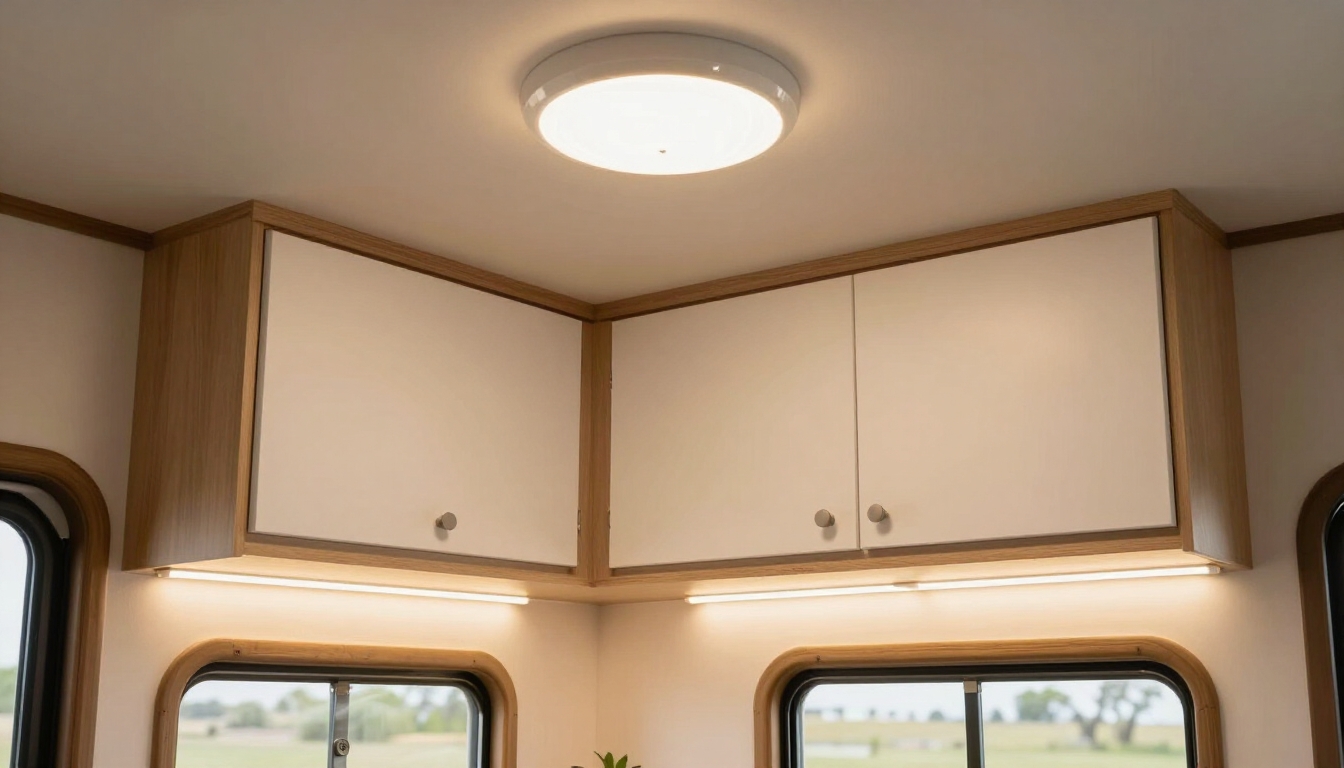
Tiny home interior with bright LED strip lighting under cabinets and a ceiling light

From daily Wh to solar and battery size
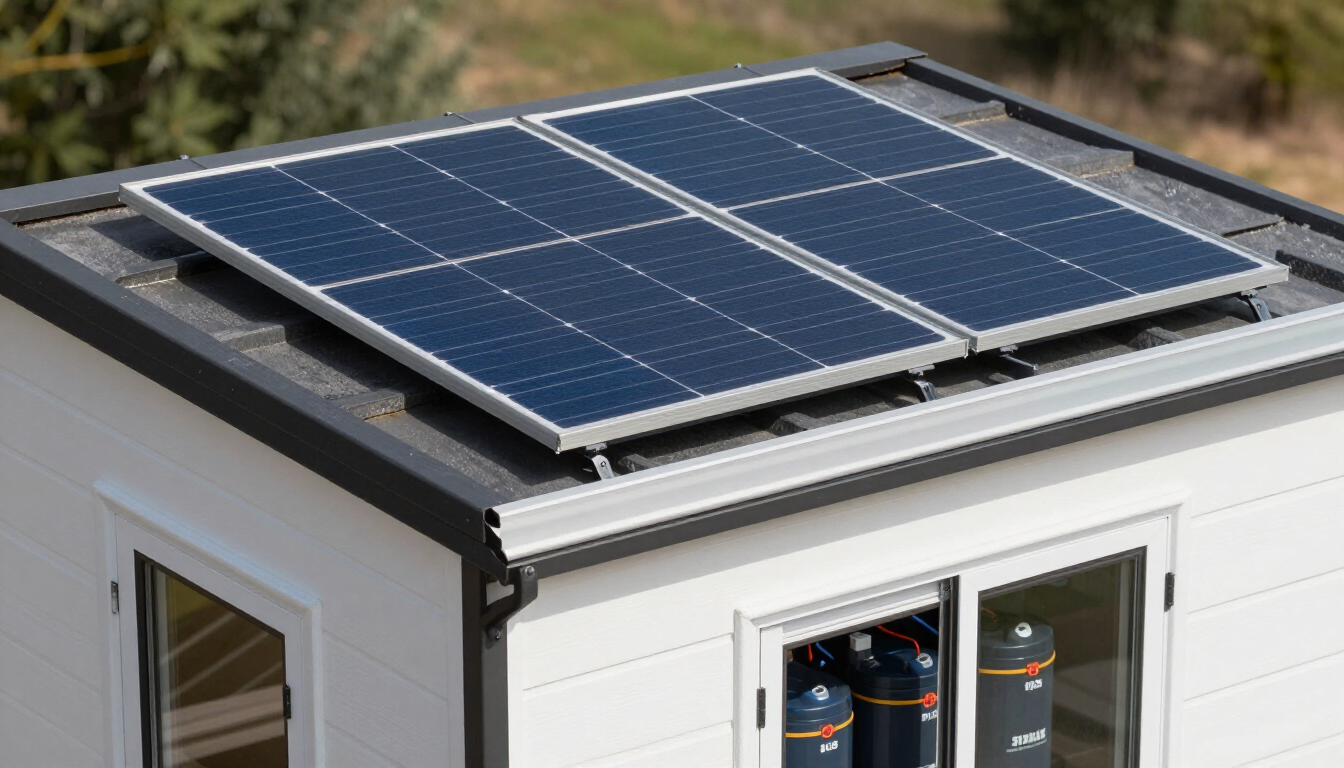
Once you have your daily Wh, sizing follows. For solar, divide daily Wh by your average peak-sun hours (3–5 in most of the US) and add a 25% system-loss margin: 1,930 Wh ÷ 4 sun-hours ÷ 0.75 ≈ 645 W of panels. For batteries, multiply daily Wh by your days of autonomy and adjust for depth of discharge and inverter losses (see our battery guide). This example needs roughly 650 W of solar and about 5–6 kWh of lithium storage for 3 days off grid. Round up for real-world conditions.
Tiny home solar panels on the roof and a battery bank visible through a window

Cutting consumption is cheaper than adding panels
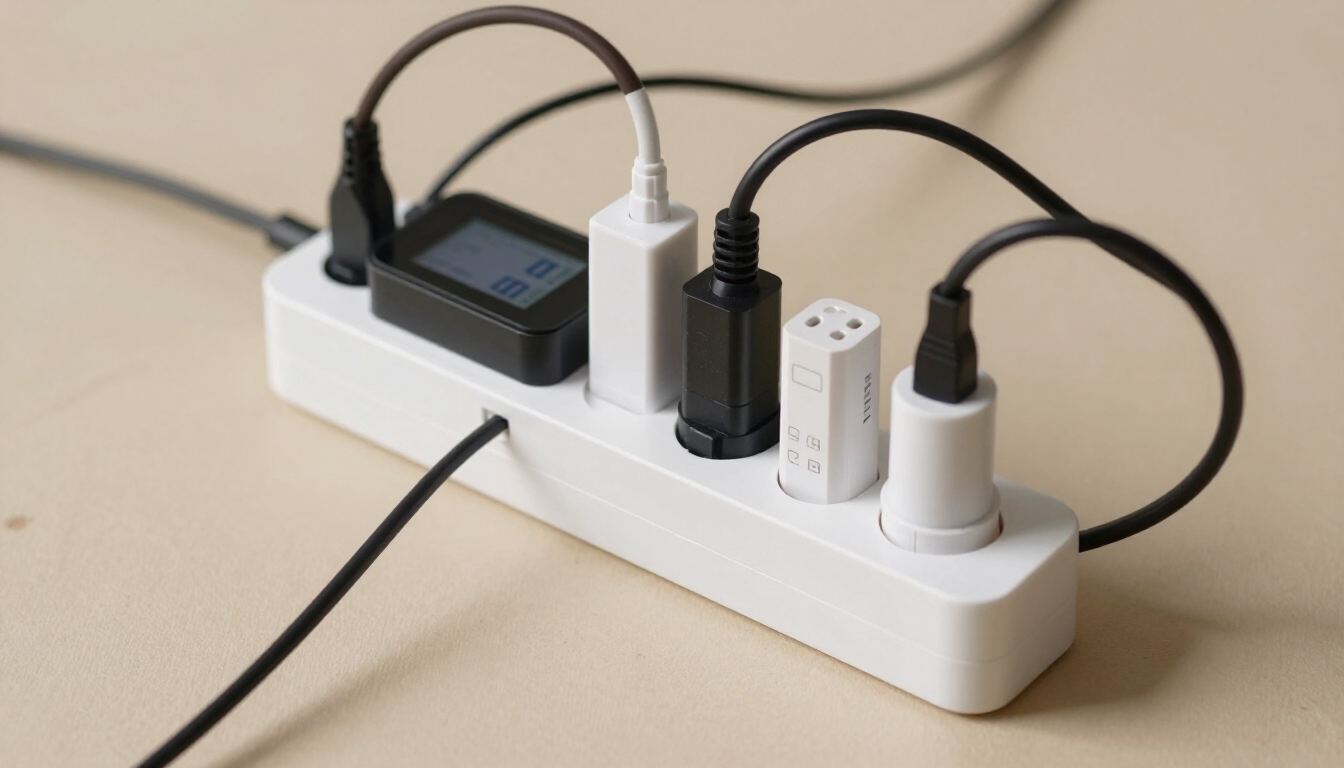
The cheapest watt is the one you never use. Before sizing up your system, cut loads: switch everything to LED, choose an efficient DC fridge, cook with propane, line-dry clothes, use a laptop instead of a desktop, and unplug vampire loads. A 30% reduction in consumption can mean 30% fewer panels and batteries — hundreds or thousands of dollars saved. An energy monitor on your main panel shows where every Wh goes so you can target the biggest users. See our propane vs electric guide for splitting loads by fuel.
Tiny home power strip with devices plugged in and a small energy management display

Grid-tied vs off-grid considerations

Grid-tied tiny homes can use as much electricity as they want without sizing concerns, though efficient appliances still save money. Off-grid homes must size the system to the loads, which is why honest load estimation matters so much more there. A grid-tied home with a small battery backup can also 'load shift' — running heavy loads when solar is abundant — to reduce both grid use and battery sizing. Either way, knowing your consumption is the first step. See our
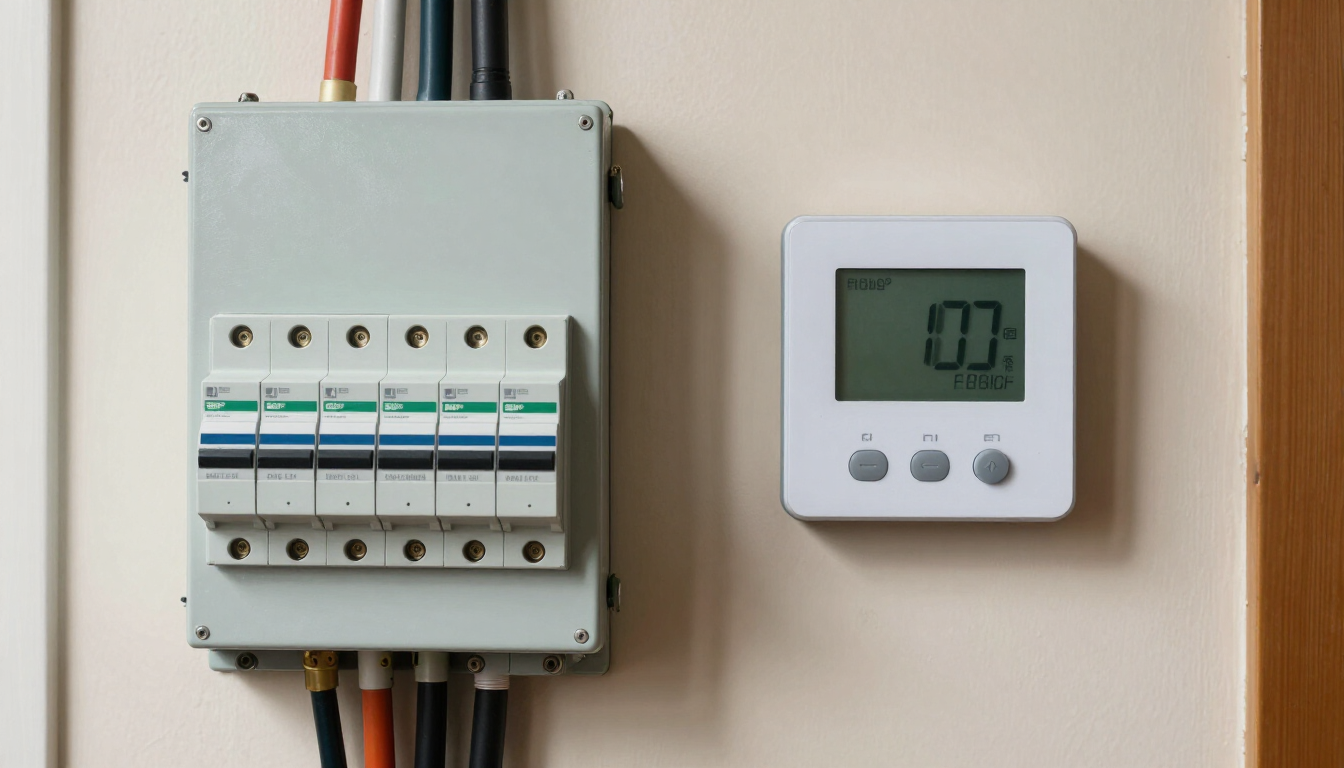
Tiny home main breaker panel and a digital electrical usage display on the wall

Putting your numbers to work

List your loads, measure the big ones with a plug-in meter, sum the daily Wh, and use that number to size your solar and battery system with a comfortable margin. Cut consumption before adding capacity — it is almost always cheaper. Whether you end up at 1 kWh/day or 5, an honest estimate is what separates a system that runs reliably from one that leaves you in the dark. Find an off-grid-ready home on the map or browse off-grid tiny homes.

Related articles

More guides that dig deeper into the same topics.

Frequently asked questions

How much electricity does a tiny home use per day?+

Most tiny homes use 1–5 kWh (1,000–5,000 Wh) per day, far less than the ~30 kWh a typical house uses. A modest off-grid setup often lands around 1–2 kWh/day; adding electric cooking or heating pushes it higher.

How many solar panels does a tiny home need?+

Divide your daily Wh by your average peak-sun hours (3–5 in most of the US) and add a 25% loss margin. A 1,930 Wh/day example needs about 650 W of panels, roughly 2–3 standard residential panels.

What uses the most electricity in a tiny home?+

The fridge (runs 24/7), electric cooking, and electric heating. An efficient 12V DC compressor fridge, propane cooking, and propane or wood heating are the standard ways off-grid owners keep electricity use low.

How do I measure my tiny home's real electricity use?+

Use a plug-in power meter (a 'kill-a-watt' style device) to measure anything you can plug in, and a shunt-based battery monitor for the whole off-grid system. Real measurements beat nameplate ratings, which are maximums.

Is it cheaper to cut electricity use or add more solar?+

Almost always cheaper to cut use. Switching to LED, an efficient DC fridge, and propane cooking can cut consumption 30% or more, saving hundreds or thousands on panels and batteries. The cheapest watt is the one you never use.

Can a tiny home run air conditioning on solar?+

Yes, but it takes a large array and battery bank because AC is a big load. A high-efficiency mini-split on a large solar system can work in summer when sun is abundant; many owners instead use passive cooling and a small fan to keep loads manageable.

Do I need a different system if I am grid-tied?+

Grid-tied homes do not need to size to loads because the grid covers peaks, but efficient appliances still save money. Off-grid homes must size solar and batteries to the loads, which is why honest load estimation matters most there.

Ready to start searching?

Browse tiny homes, plans, builders, communities and land on the interactive map.

Explore the map
>