Tiny Home Propane vs Electric: Which Is Cheaper and Better?
10 min read · Updated February 12, 2026
By John
Propane and electricity each have a clear role in a tiny home. One wins on raw off-grid BTUs, the other on simplicity and solar pairing. Here is how to choose between propane and electric for cooking, heating, and hot water.
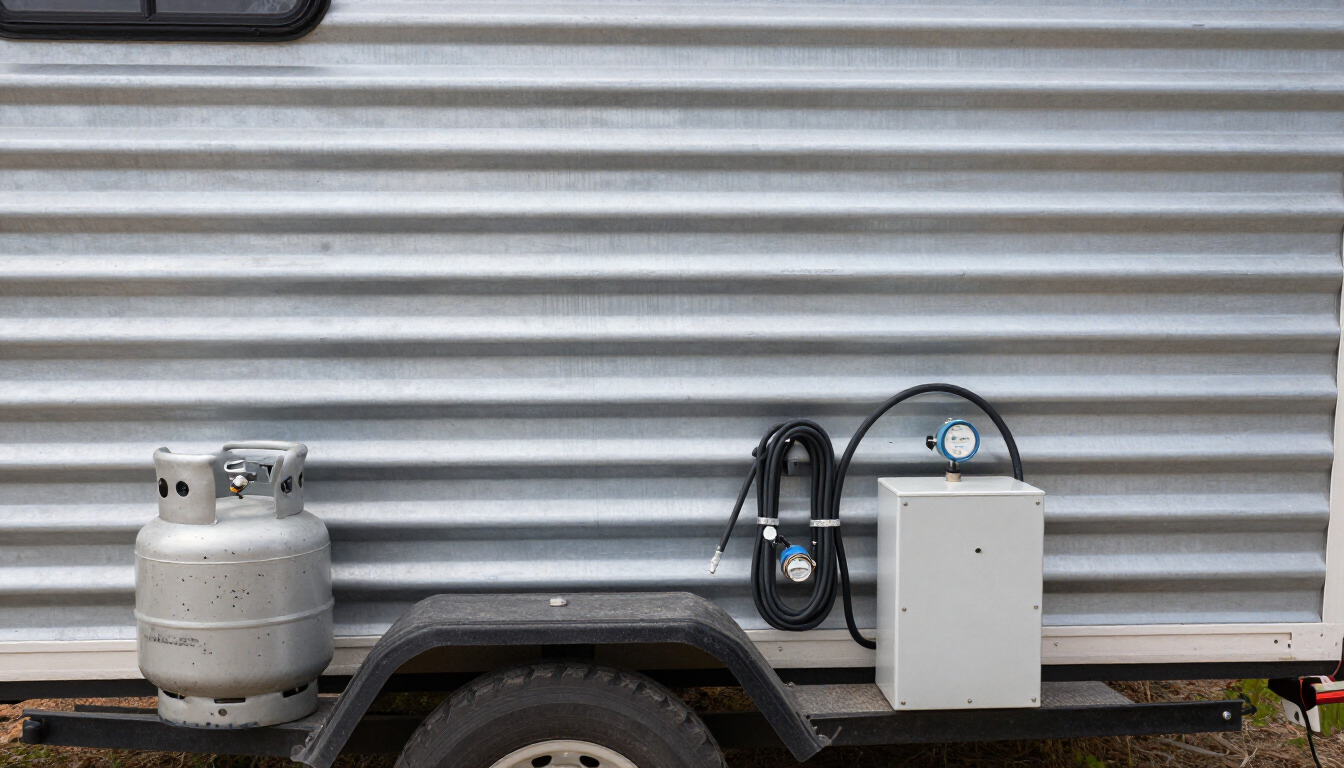
The real question is not which is better, but which for what
Energy density and refueling
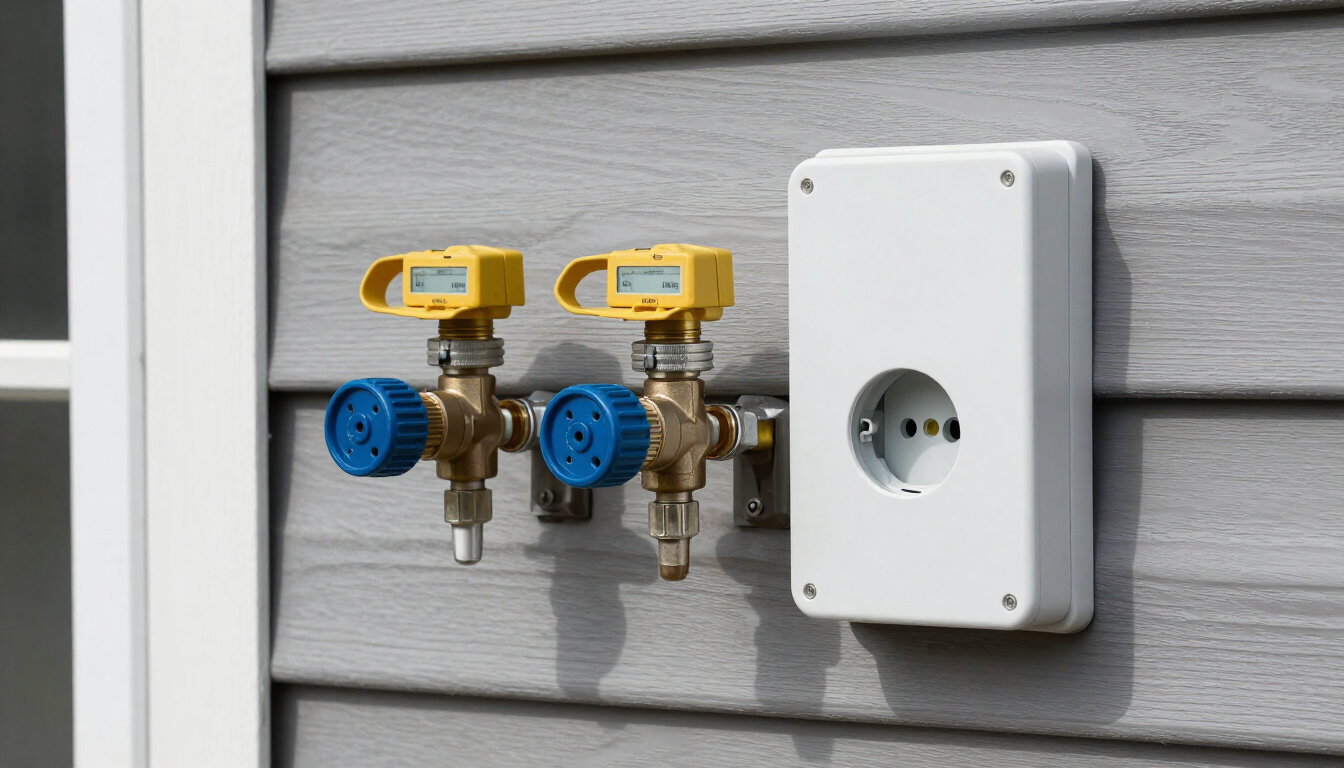
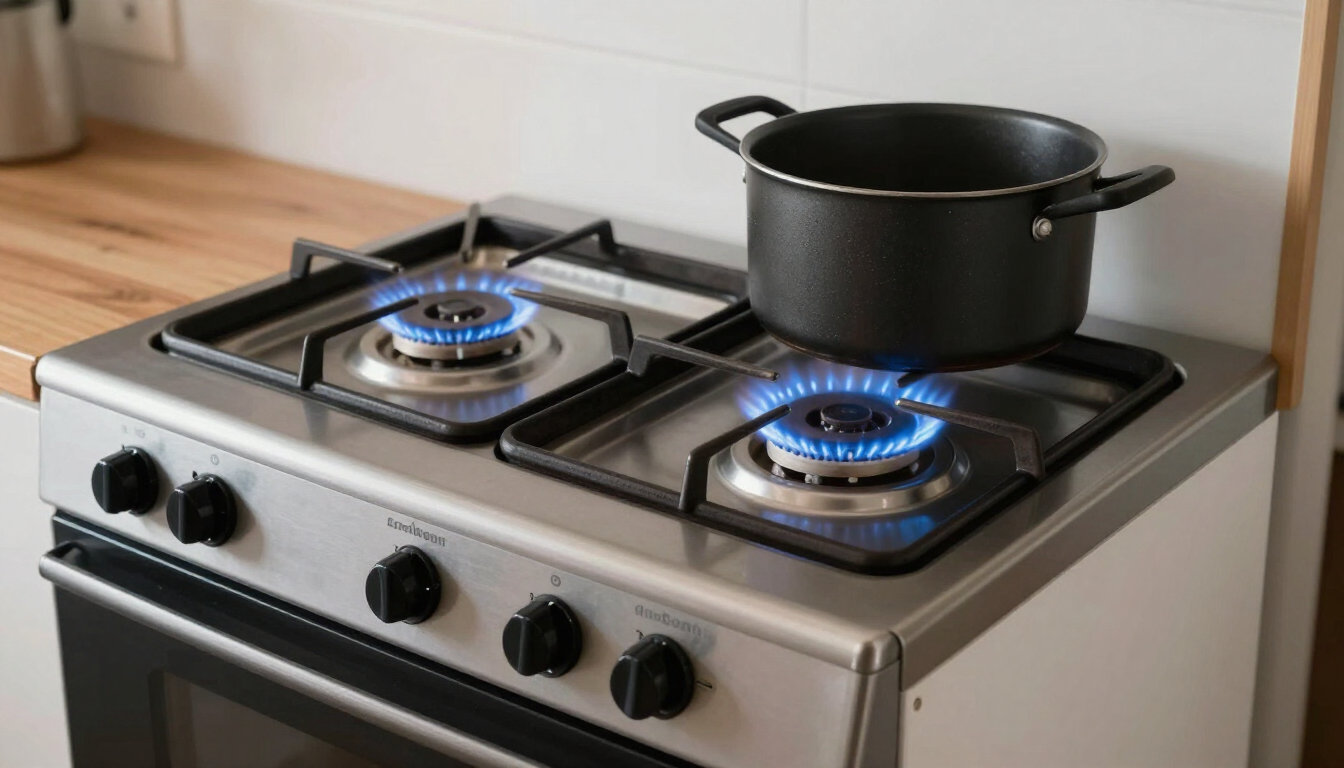
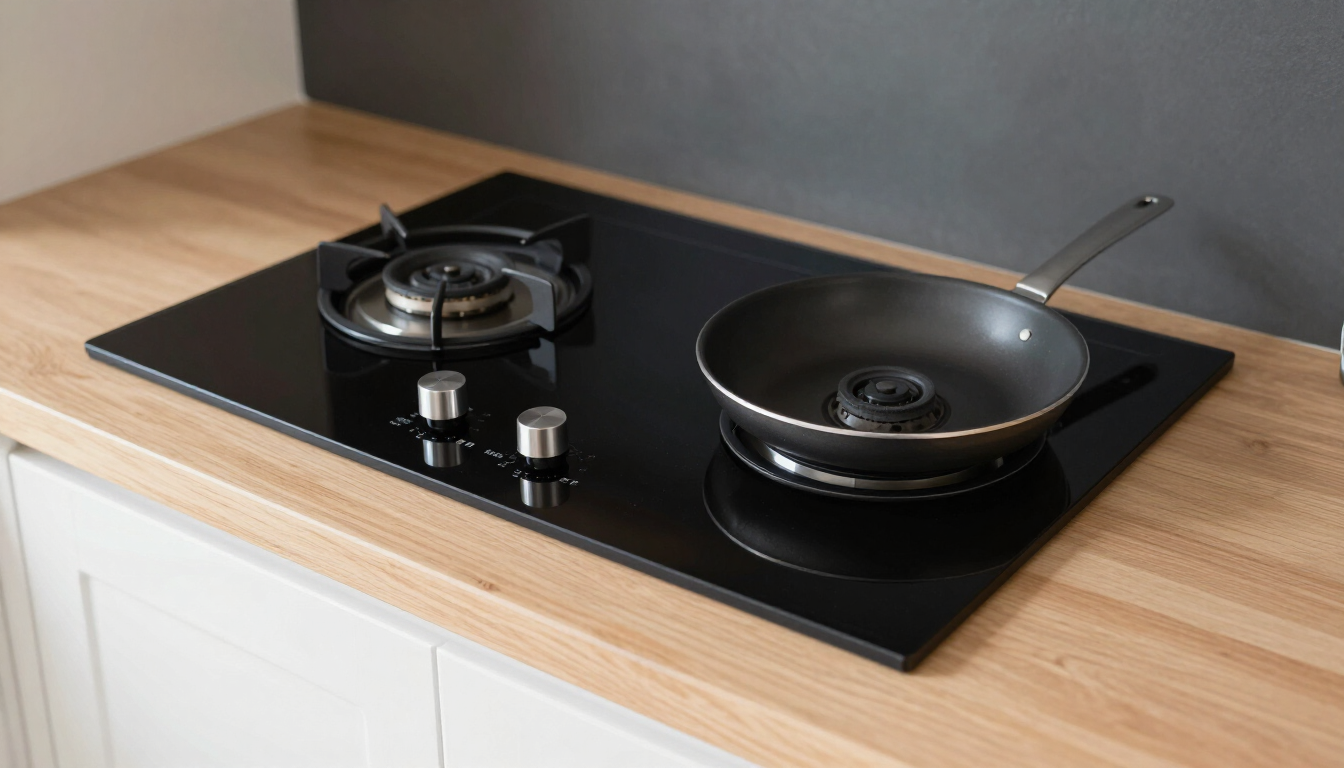
Cooking: gas control vs induction speed
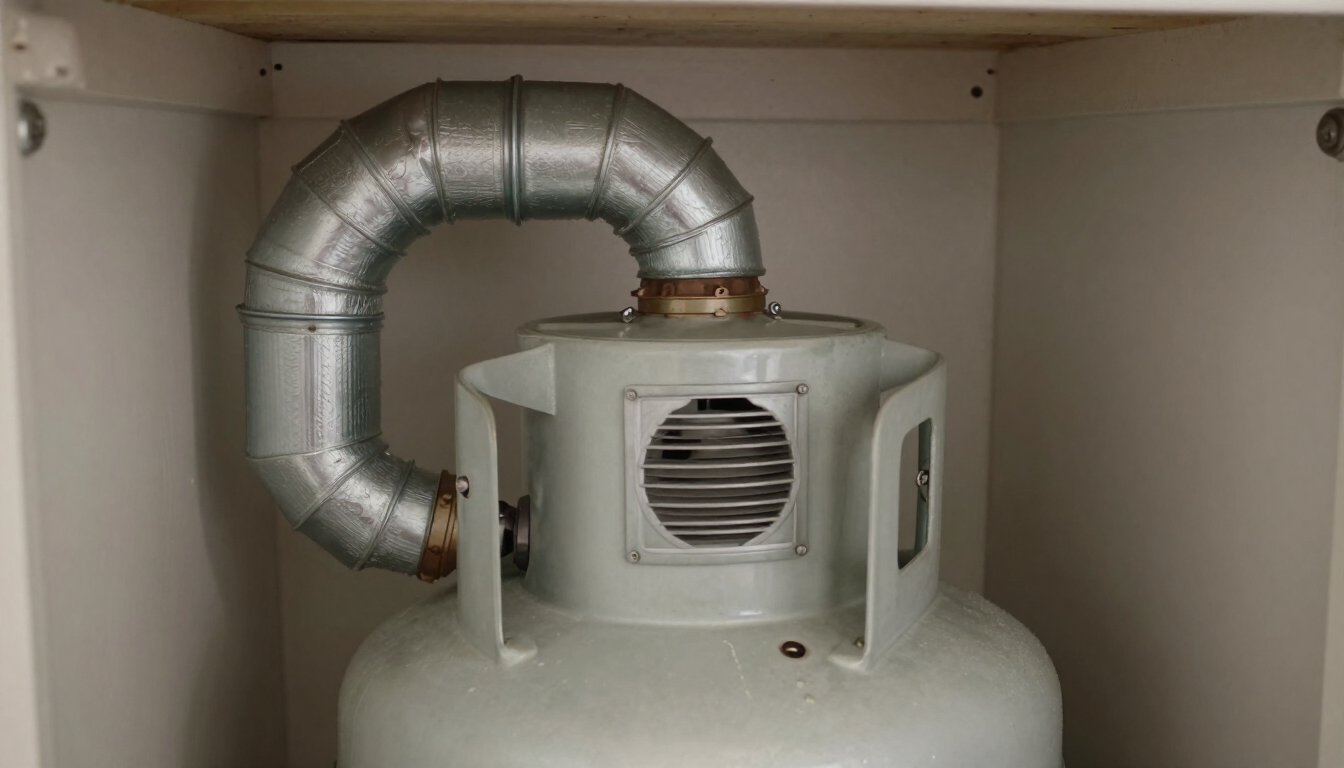
Heating and hot water: propane's strong suit
Refrigeration and everything else: electric wins
Cost comparison
| Use | Propane | Electric (grid) | Electric (solar) |
|---|---|---|---|
| Cooking | Low | Low | Low (if sun) |
| Space heating | Low–medium | High | Impractical |
| Hot water | Low | High | Medium (with sun) |
| Refrigeration | Medium (absorption) | Low | Low |
| Upfront equipment | Medium | Low | High (panels + batteries) |
Safety and ventilation
The hybrid answer most owners arrive at
Making the call
Related articles
More guides that dig deeper into the same topics.
Frequently asked questions
Is propane or electric cheaper in a tiny home?+
On grid electricity, all-electric is usually cheaper and simpler. Off grid, propane is cheaper for heating, hot water, and cooking because storing heat energy as propane is far more practical than storing it in batteries.
Can I run a tiny home entirely on solar electricity?+
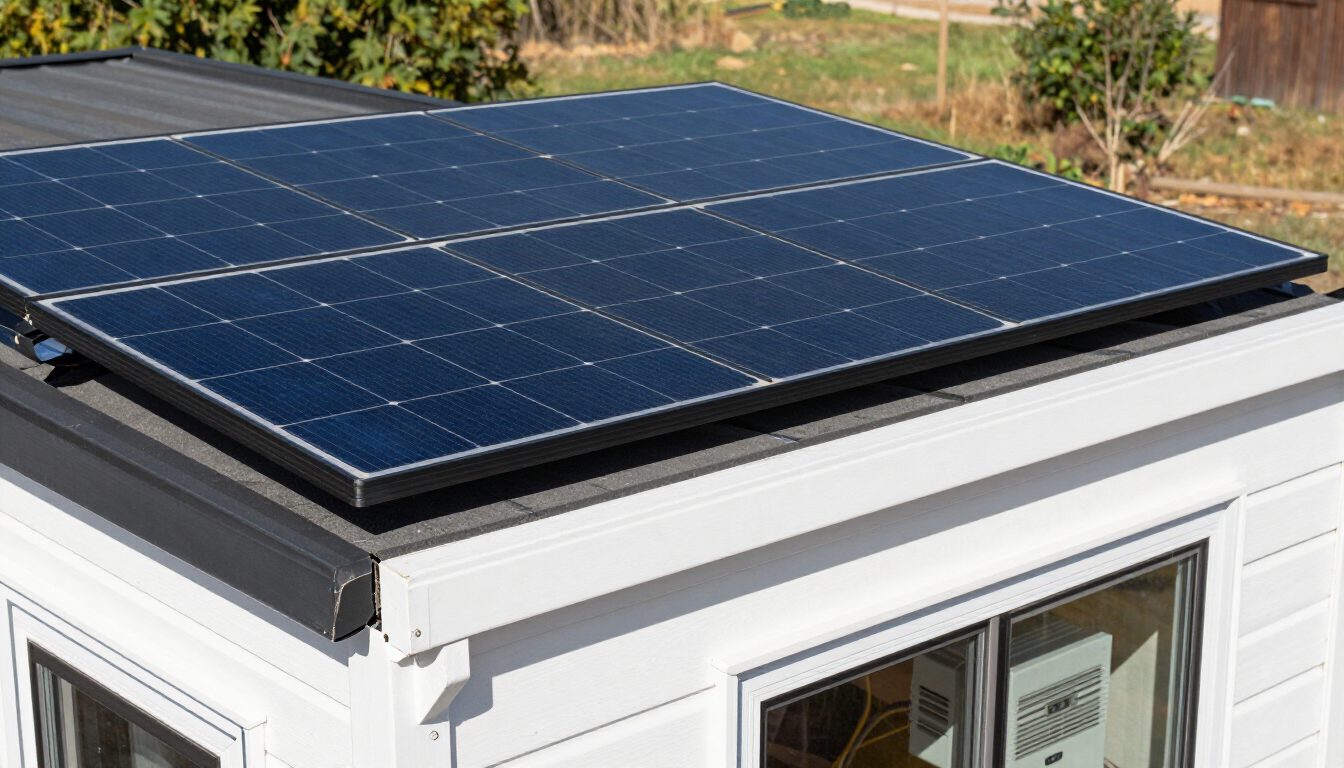
Yes for lights, fridge, devices, and ventilation. Heating, hot water, and cooking on pure solar require a very large battery bank and array, which is why most off-grid owners use propane for those heavy thermal loads.
Is induction cooking better than propane in a tiny home?+
Induction is more efficient, cooler, and safer with no indoor combustion, but needs electricity and magnetic cookware. Propane works without power and offers visible flame control. Many owners use induction as primary with a small propane burner as backup.
Do I need ventilation for propane appliances?+
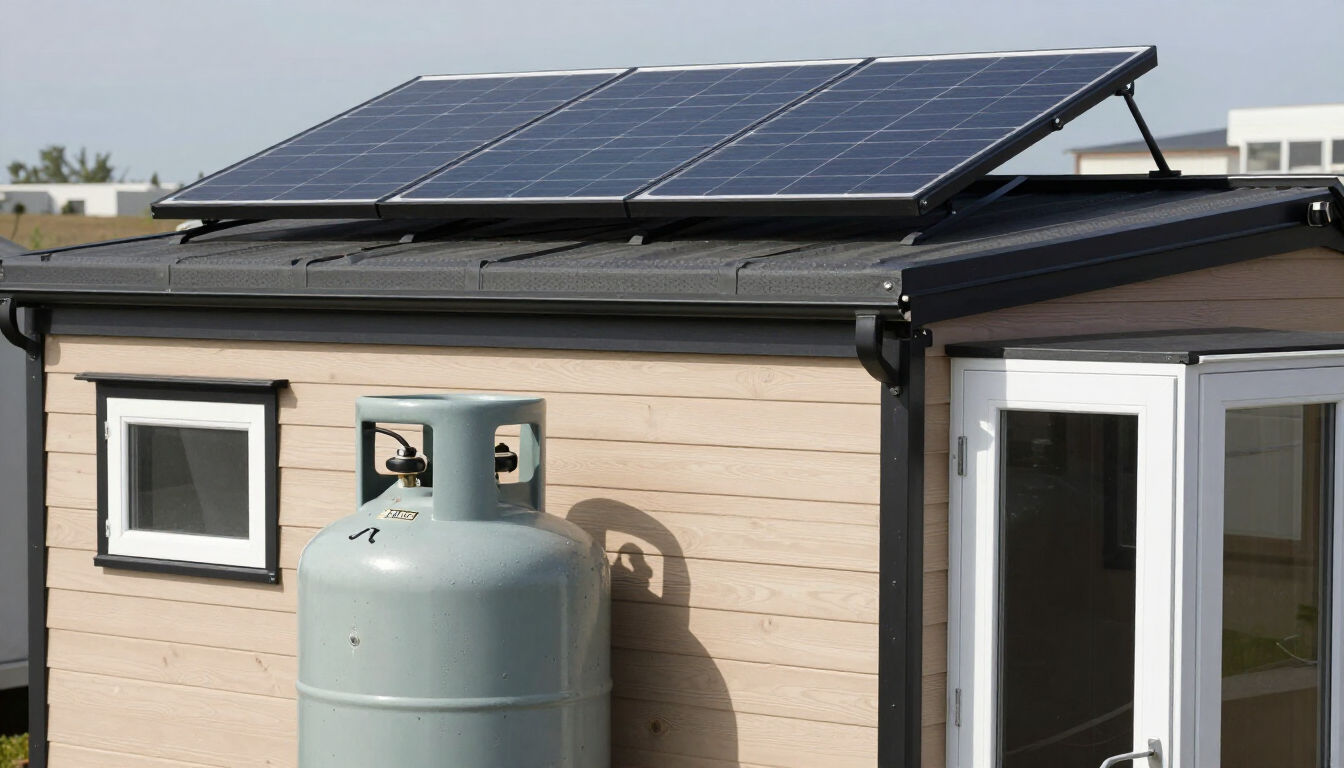
Yes. Any propane appliance that vents indoors needs proper ventilation plus propane and carbon monoxide detectors. Direct-vent units that exhaust outside are safest for full-time use. Tanks must always be stored and secured outdoors.
How long does a propane tank last in a tiny home?+
It depends on the loads. A 20 lb tank running only a cooktop may last weeks; the same tank running a heater in winter may last a day or two. Most off-grid owners use larger 30–100 lb tanks or a small bulk tank for heating.
Are propane absorption refrigerators worth it?+
Rarely, in modern tiny homes. They are less efficient than compressor fridges and need venting, and only make sense when you have no solar. A 12V DC compressor fridge paired with solar is the standard choice today.
Which is safer, propane or electric?+
Electricity has no indoor emissions, but needs a correctly wired system. Propane is safe when properly installed and ventilated, with detectors in place. Both require competent installation and basic maintenance.
Ready to start searching?
Browse tiny homes, plans, builders, communities and land on the interactive map.
Explore the map