Tiny Home Cooling Without AC: 12 Passive Strategies That Work
11 min read · Updated February 18, 2026
By John
A tiny home can stay comfortable through a heat wave with no air conditioner at all — if you combine shading, airflow, thermal mass and the right materials. Here are the 12 passive cooling moves that actually work.
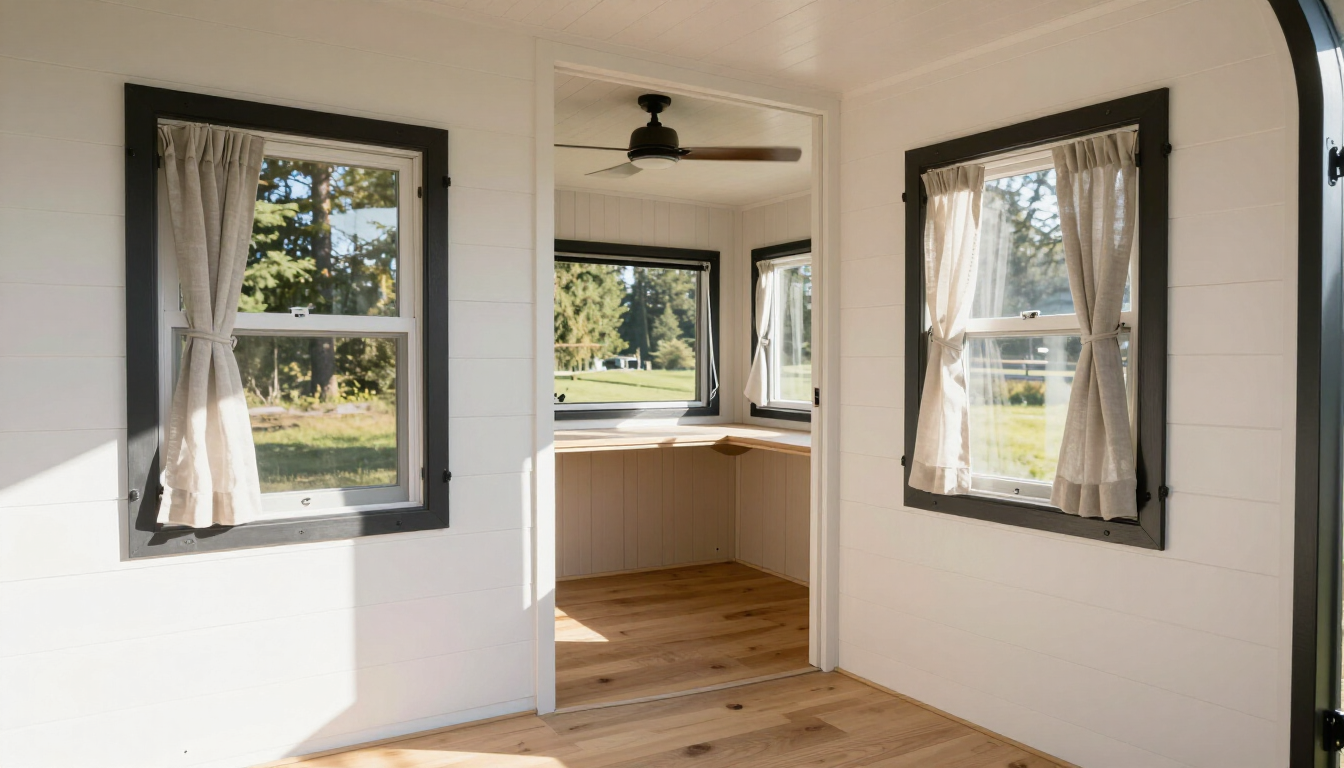
Why passive cooling matters more in a tiny home
1. Shade the windows before they heat the glass
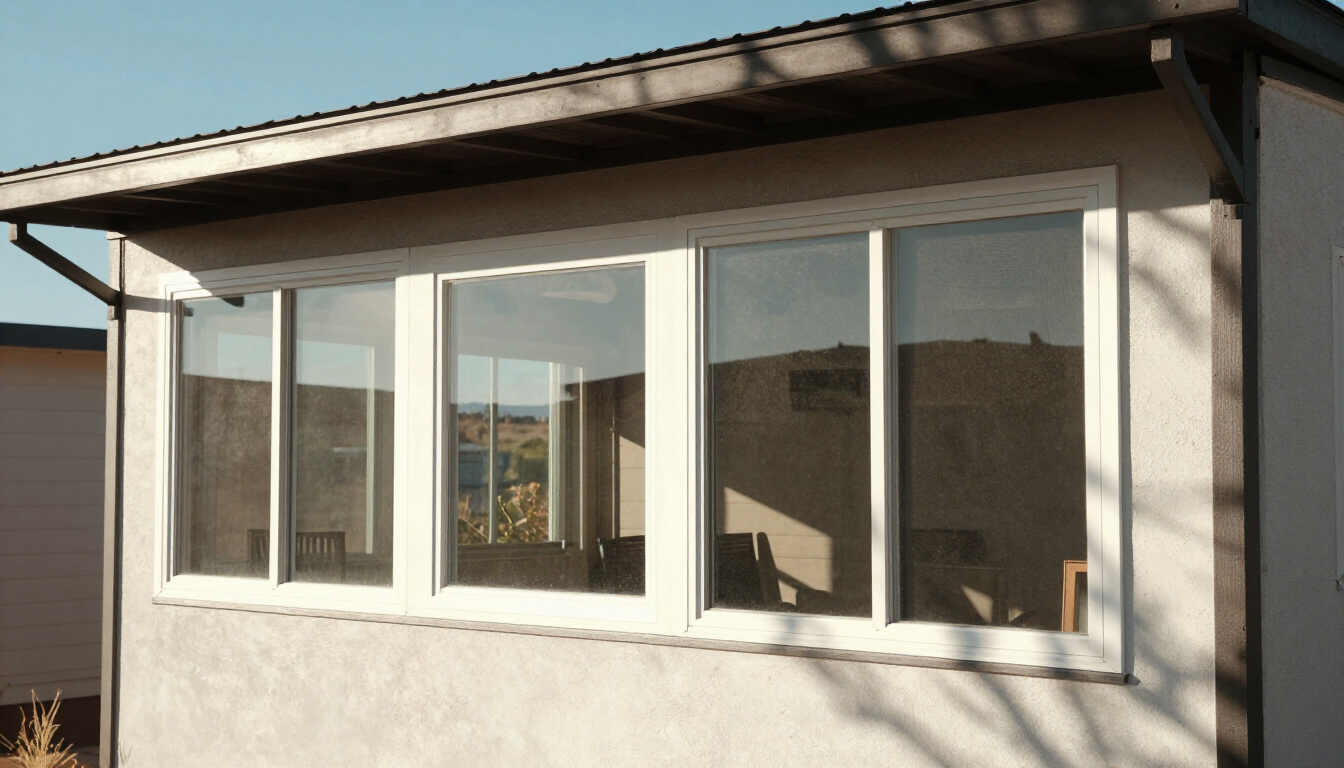
2. Use cross-ventilation as your primary cooling engine
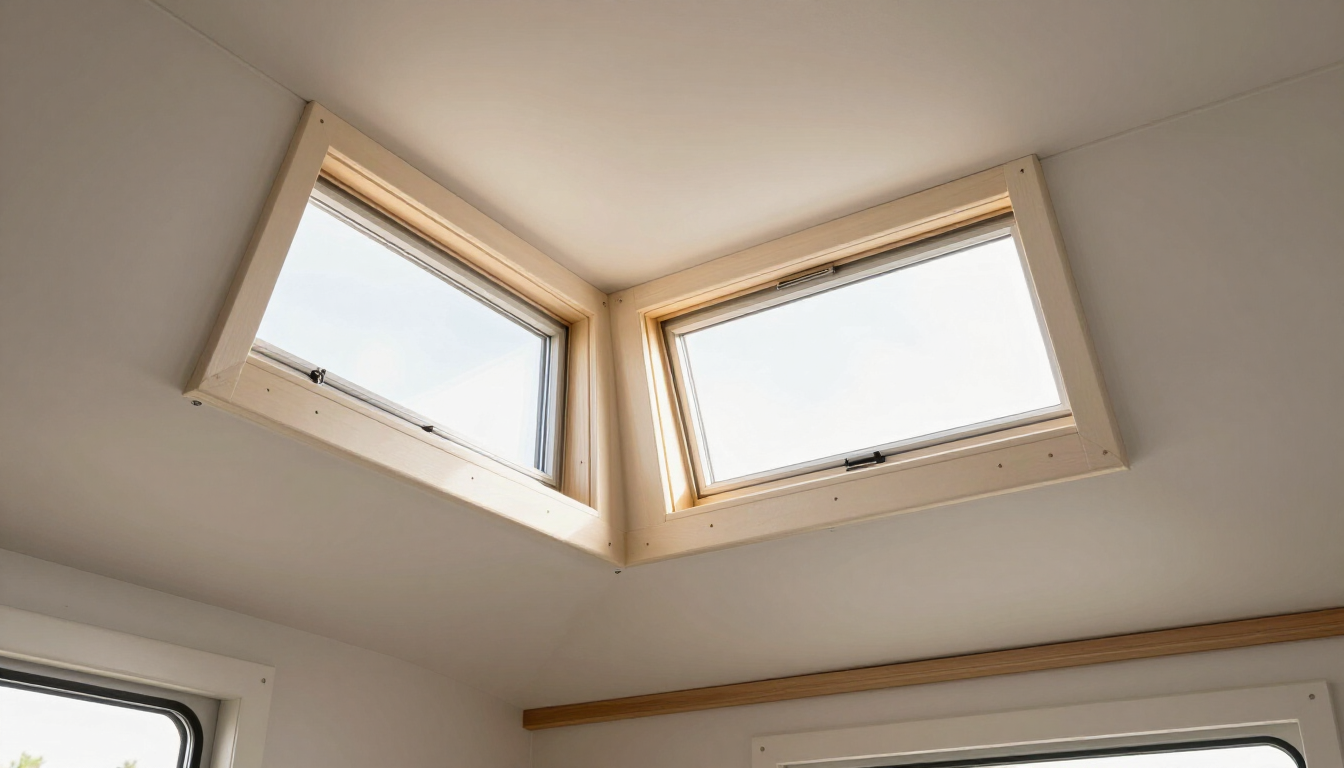
3. Let hot air escape through high openings
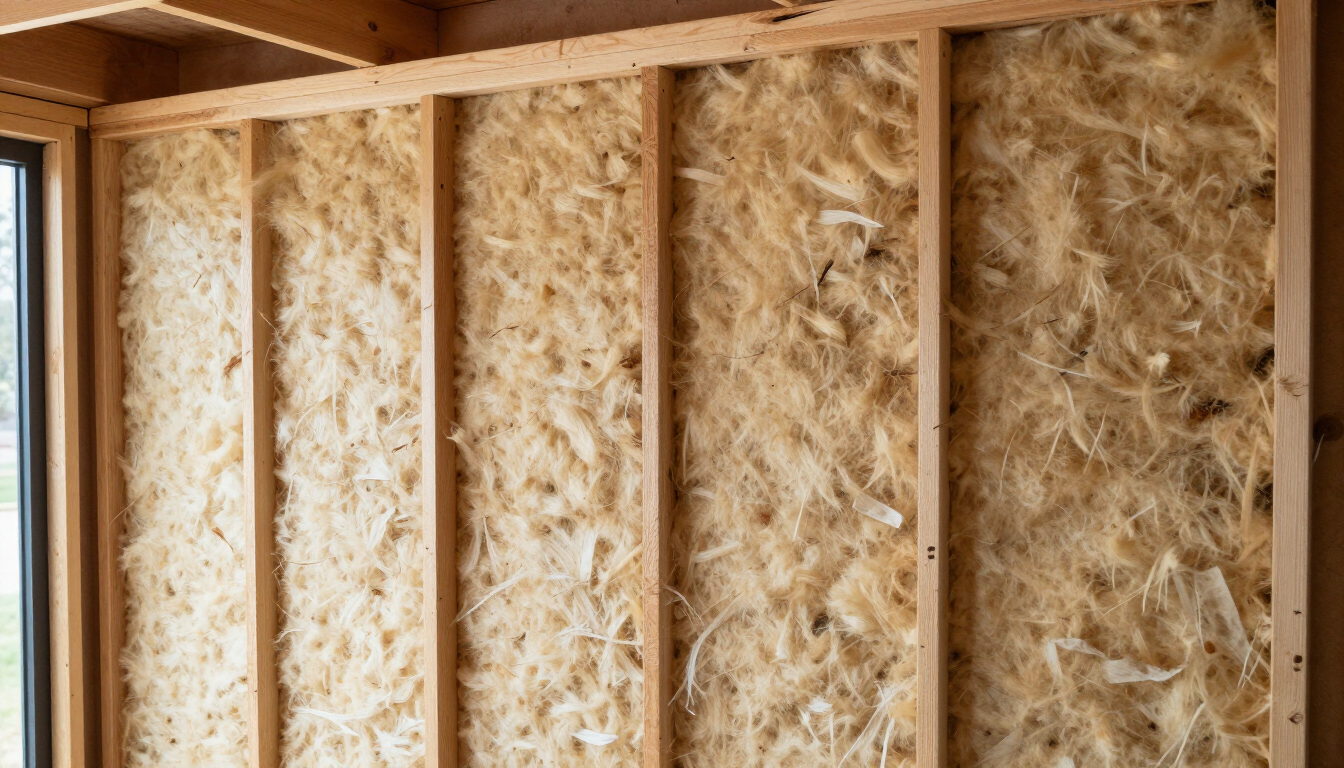
4. Insulate and seal the thermal envelope
5–8. Shade, reflect, plant, and orient
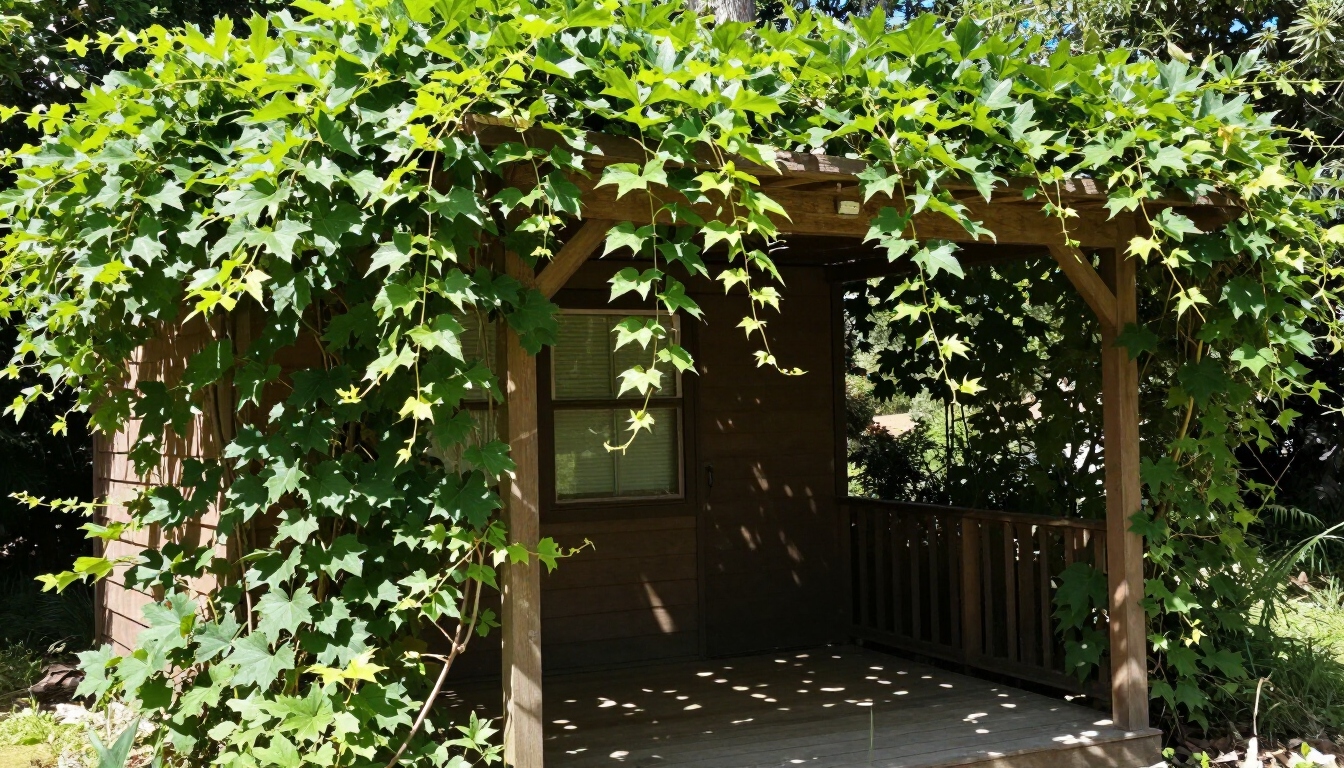
- Exterior shade structures — a vine-covered pergola over a patio cools the air the home draws in and shades the wall behind it.
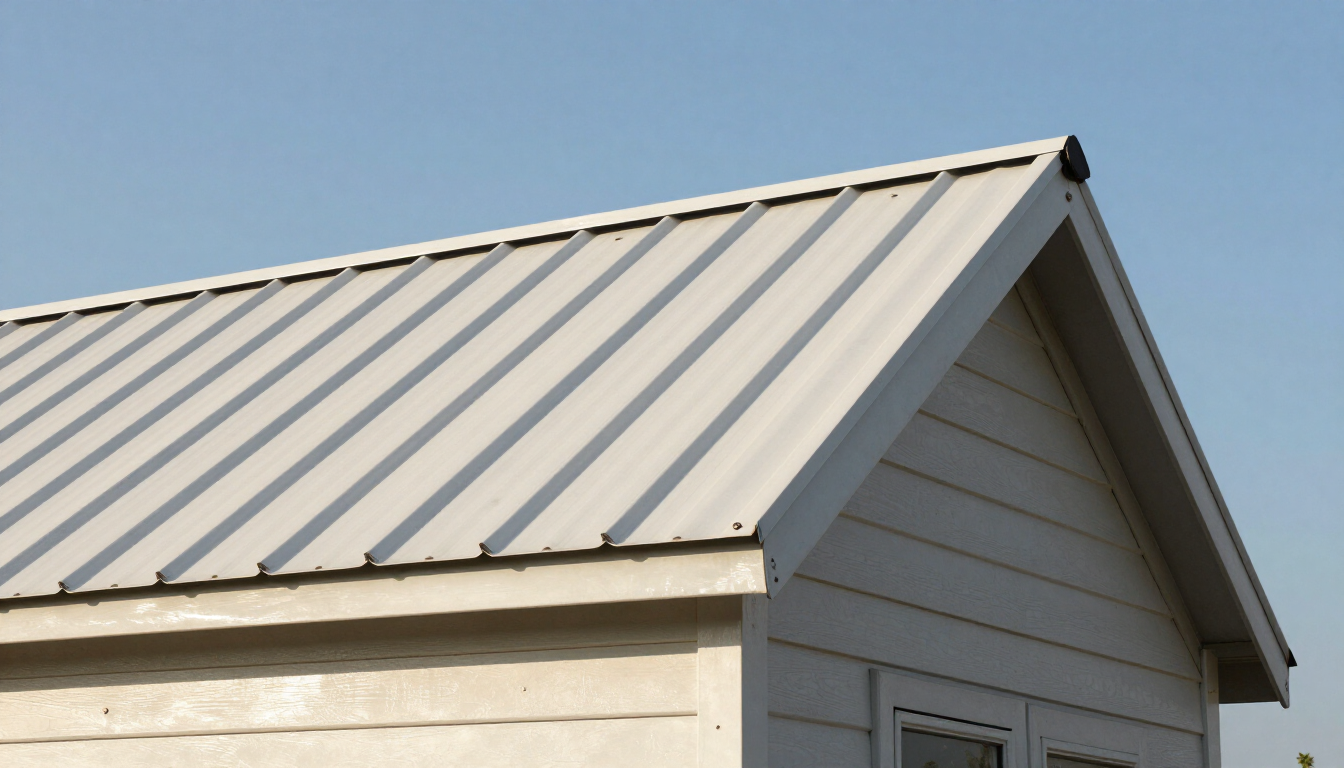
- Reflective and light-colored roofing — a white or light-metal roof reflects solar radiation instead of absorbing it; a dark roof can be 40°F hotter at the surface.
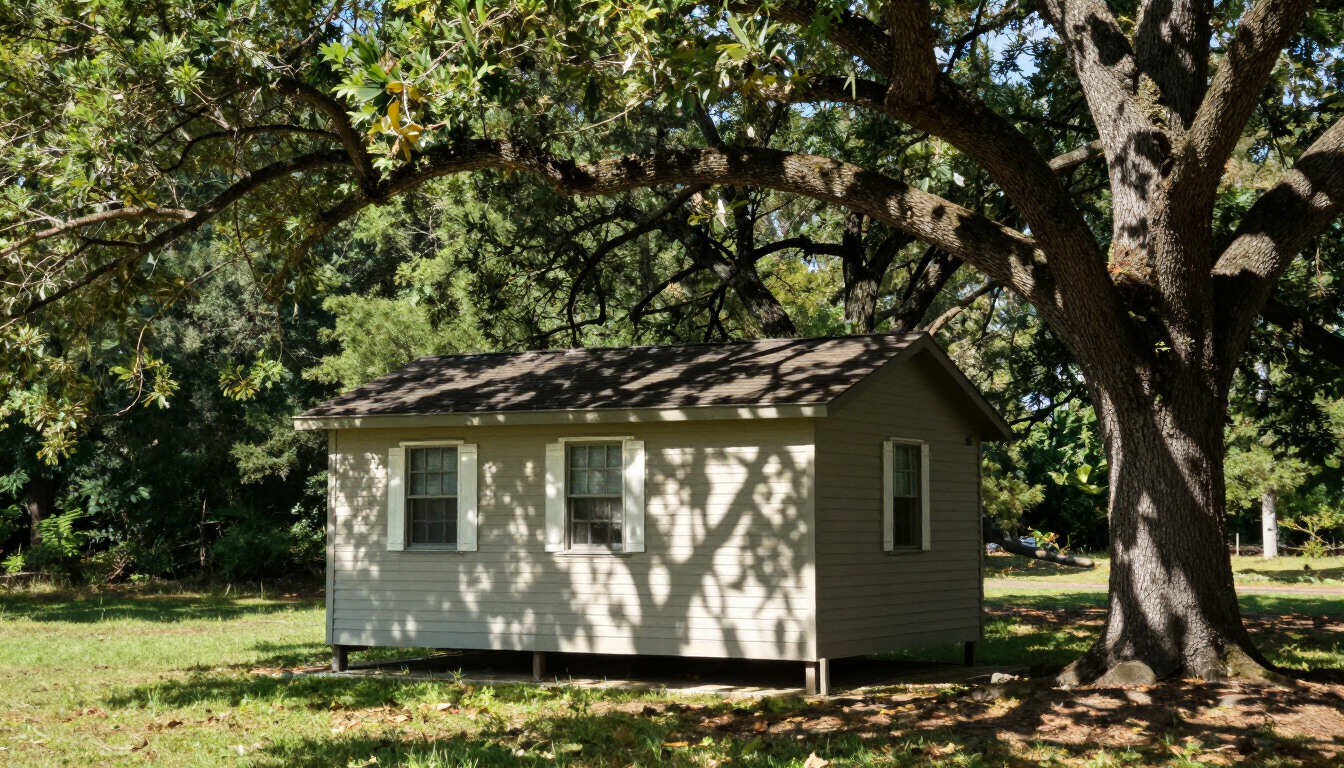
- Shade trees — deciduous trees on the south and west sides give summer shade and drop their leaves for winter sun; nothing beats a mature tree for free cooling.
- Orientation — face the long axis east–west to minimize west-facing glass, which takes the brunt of the afternoon heat.
9–12. Thermal mass, night flushing, fans, and managing internal heat
- Thermal mass — a concrete countertop, tile floor, or water column absorbs heat during the day and releases it at night, smoothing temperature swings.
- Night flushing — open everything wide after sunset to flush out the day's heat and pre-cool the mass for tomorrow; close up before sunrise.
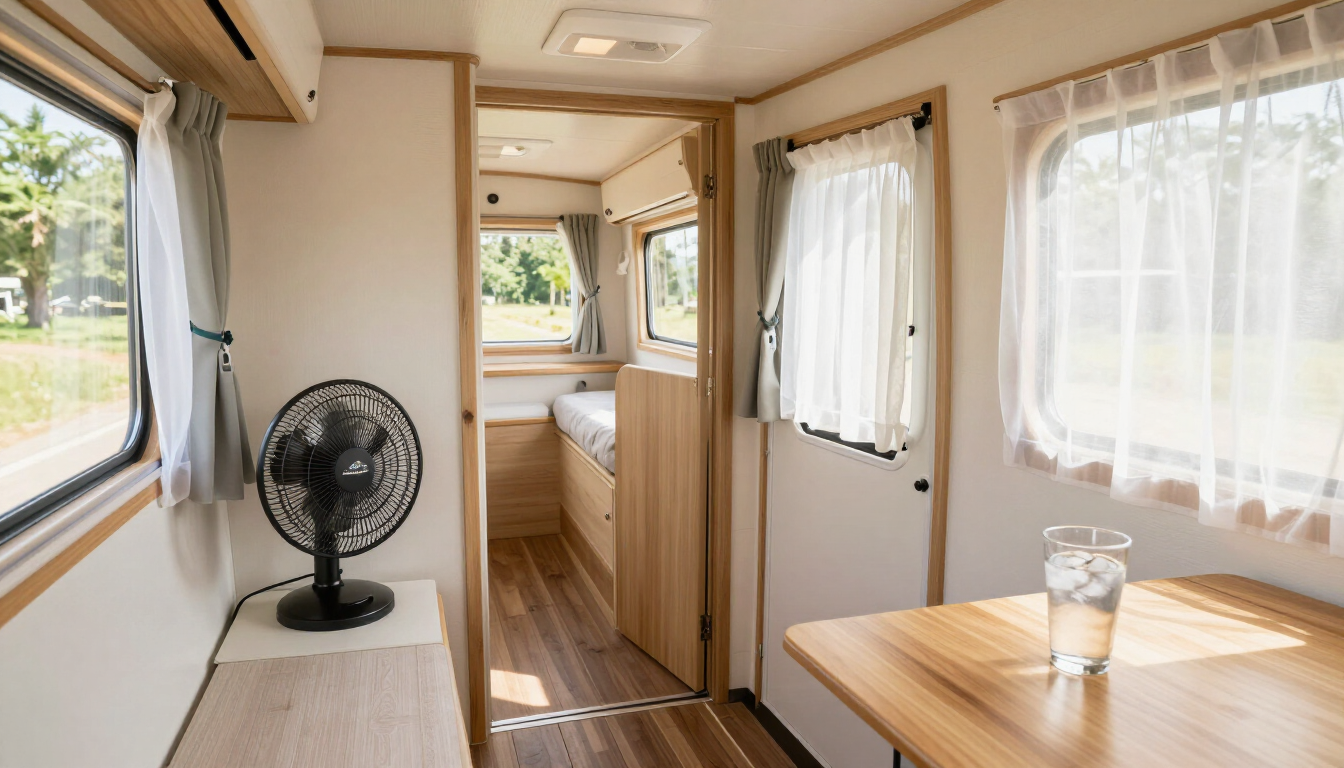
- Ceiling and exhaust fans — moving air makes 82°F feel like 76°F; fans cool people, not rooms, so turn them off when you leave.
- Reduce internal heat — cook outside, switch to LED lighting, vent the fridge, and run heat-generating appliances in the evening.
Passive cooling strategies compared
| Strategy | Cost | Cooling impact | Best for |
|---|---|---|---|
| Cross-ventilation | Free | High | Every home |
| Window shading / overhangs | Low | Very high | Sunny climates |
| Insulation & air sealing | Medium | High | All climates |
| Reflective roof | Low | Medium | Hot, sunny sites |
| Shade trees | Low (slow) | Very high | Long-term sites |
| Thermal mass + night flush | Medium | Medium | Dry climates with cool nights |
| Ceiling / exhaust fan | Low | Medium | Low-breeze sites |
When passive cooling is not enough
Putting it all together
Related articles
More guides that dig deeper into the same topics.
- Design & LayoutTiny Home Interior Design: Maximizing Small Spaces
- Design & Interior LayoutTiny Home Decor: Personalizing Small Spaces
- Lifestyle & WorkRemote Work in Tiny Homes: Creating a Home Office
- Climate Control & HVACSeasonal Living in Tiny Homes: Winter and Summer
- Climate ControlTiny Home Ventilation: ERV, HRV, Exhaust and Fresh Air Strategies
Frequently asked questions
Can a tiny home really stay cool without air conditioning?+
Yes, in most temperate and dry climates. Shading, cross-ventilation, insulation, and night flushing can keep a well-designed tiny home comfortable through all but the hottest, most humid stretches. In humid climates with warm nights, a small high-efficiency AC is usually still needed as backup.
What is the single most effective passive cooling strategy?+
Shading the windows from the outside. Stopping sunlight before it hits the glass prevents heat from ever entering the home, and it costs little or nothing with roof overhangs, awnings, or shade trees.
How much does orientation matter for cooling?+
A lot. Facing the long axis east–west and minimizing west-facing glass reduces afternoon heat gain substantially. Orientation is free at the design stage but hard to change later, especially for a foundation home.
Do ceiling fans actually lower the temperature?+
No — fans cool people, not rooms, by evaporating sweat. They make the air feel several degrees cooler but should be turned off when nobody is home, since the motor itself adds a small amount of heat.
Is thermal mass useful in a tiny home on wheels?+
Yes, in moderation. A concrete countertop, tile floor, or containers of water absorb heat by day and release it at night, smoothing temperature swings. Avoid heavy mass on a trailer tongue where it affects towing balance.
What climate makes passive cooling hardest?+
Hot, humid climates with warm nights, where night flushing cannot dump heat after sunset. There, passive strategies reduce the load but a small AC run on solar is usually the realistic backup.
Does a light-colored roof really make a difference?+
Yes. A light or reflective roof can be 30–40°F cooler at the surface than a dark one, which meaningfully reduces heat transferred into the home, especially in sunny climates.
Ready to start searching?
Browse tiny homes, plans, builders, communities and land on the interactive map.
Explore the map