Seasonal Living in Tiny Homes: Winter and Summer
13 min read · Updated March 13, 2026
By John
A tiny home's small volume is a superpower in extreme seasons — it heats and cools fast — but only if you prepare for them. Here is a practical guide to winter and summer living in a tiny home.
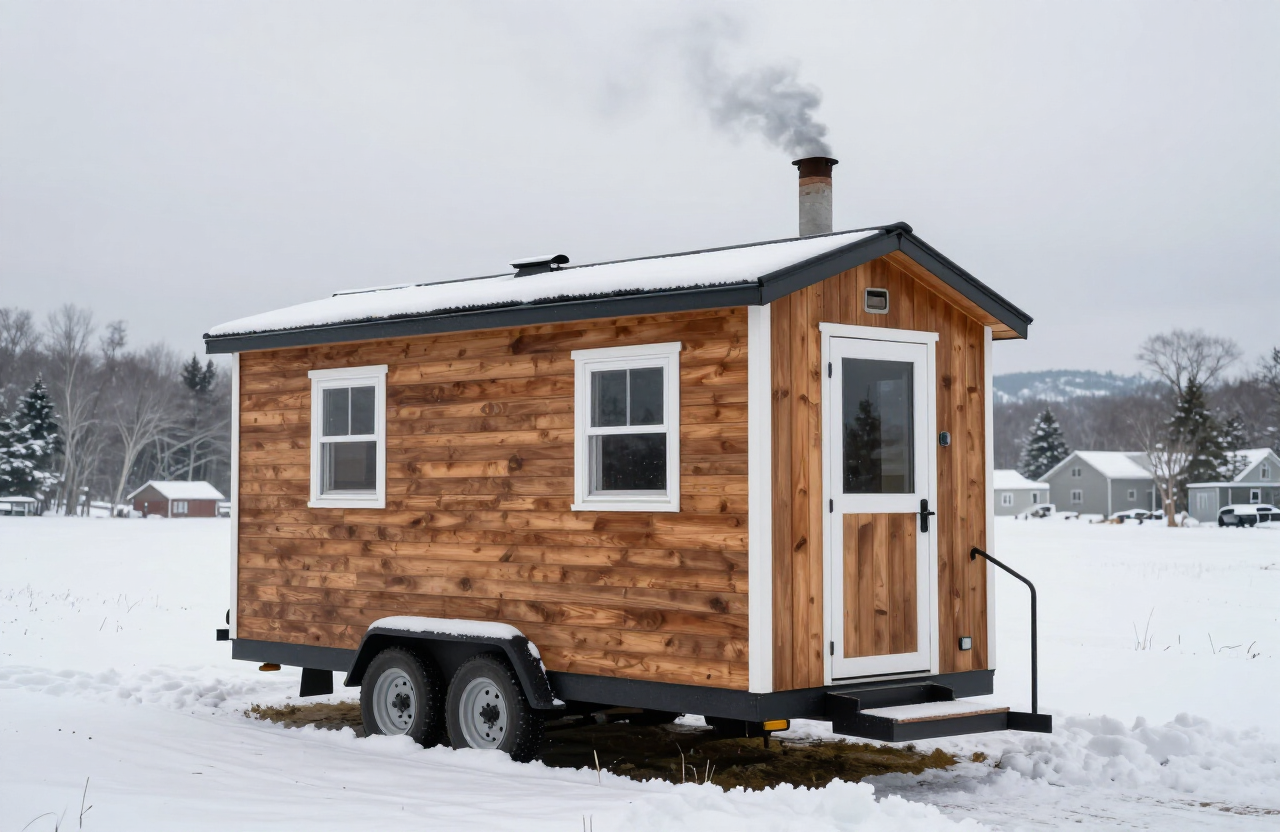
Why seasonal living is different in a tiny home
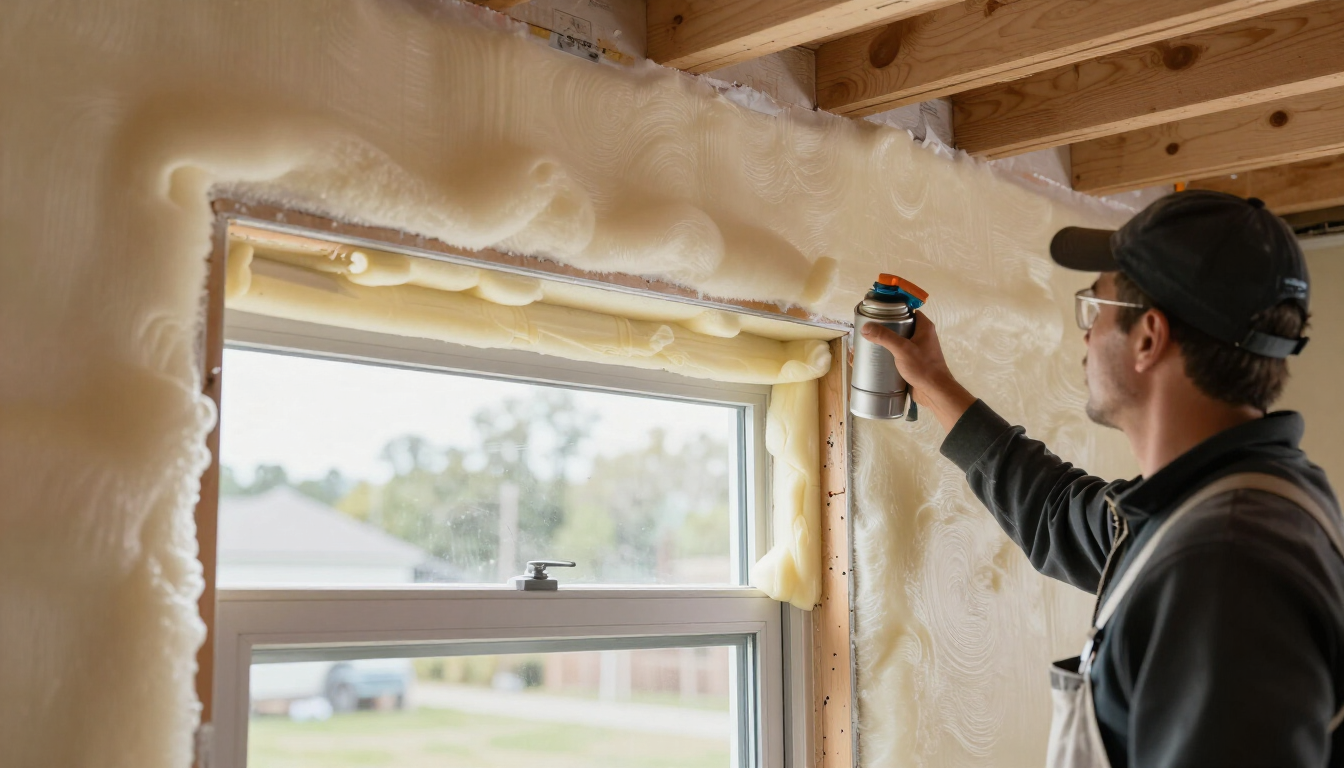
Winterizing the envelope
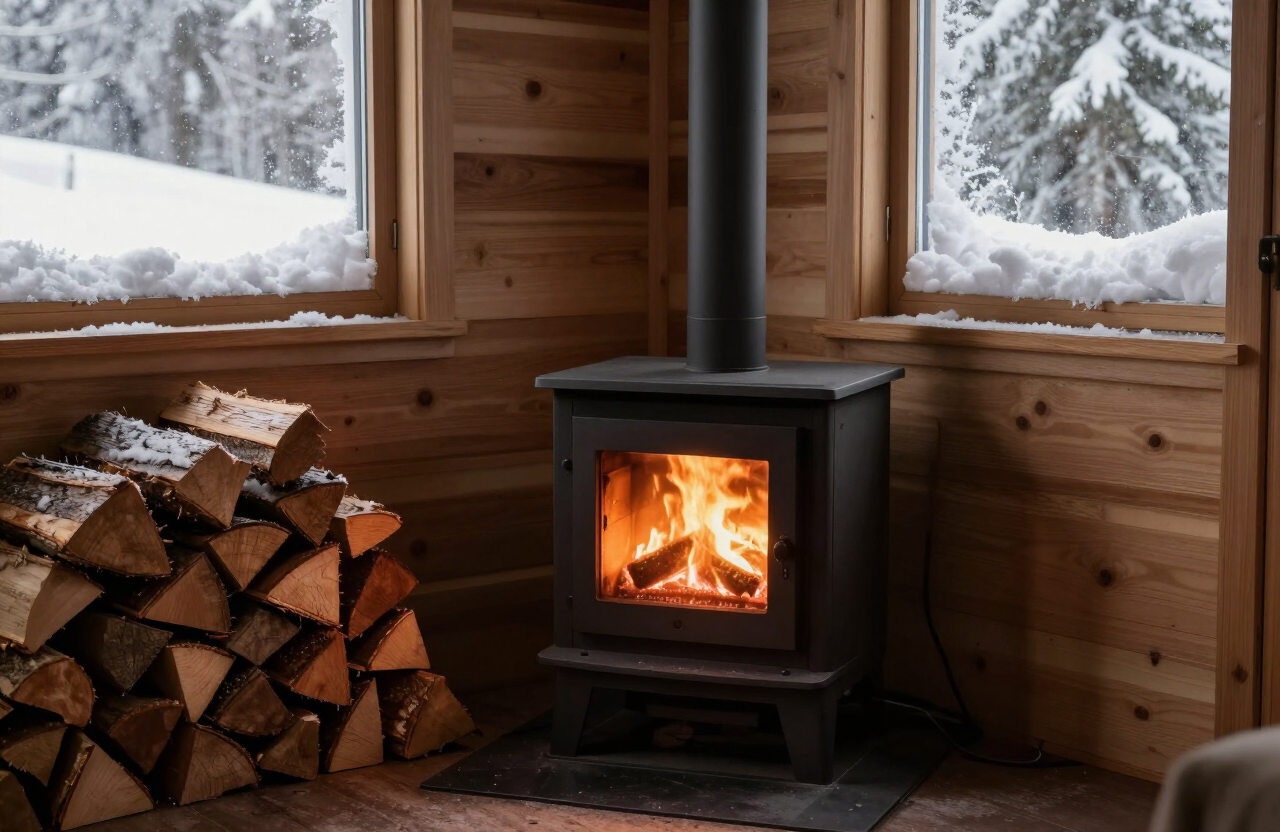
Heating a tiny home in winter
Moisture and ventilation in winter
Summer cooling strategies

Ventilation and airflow in summer
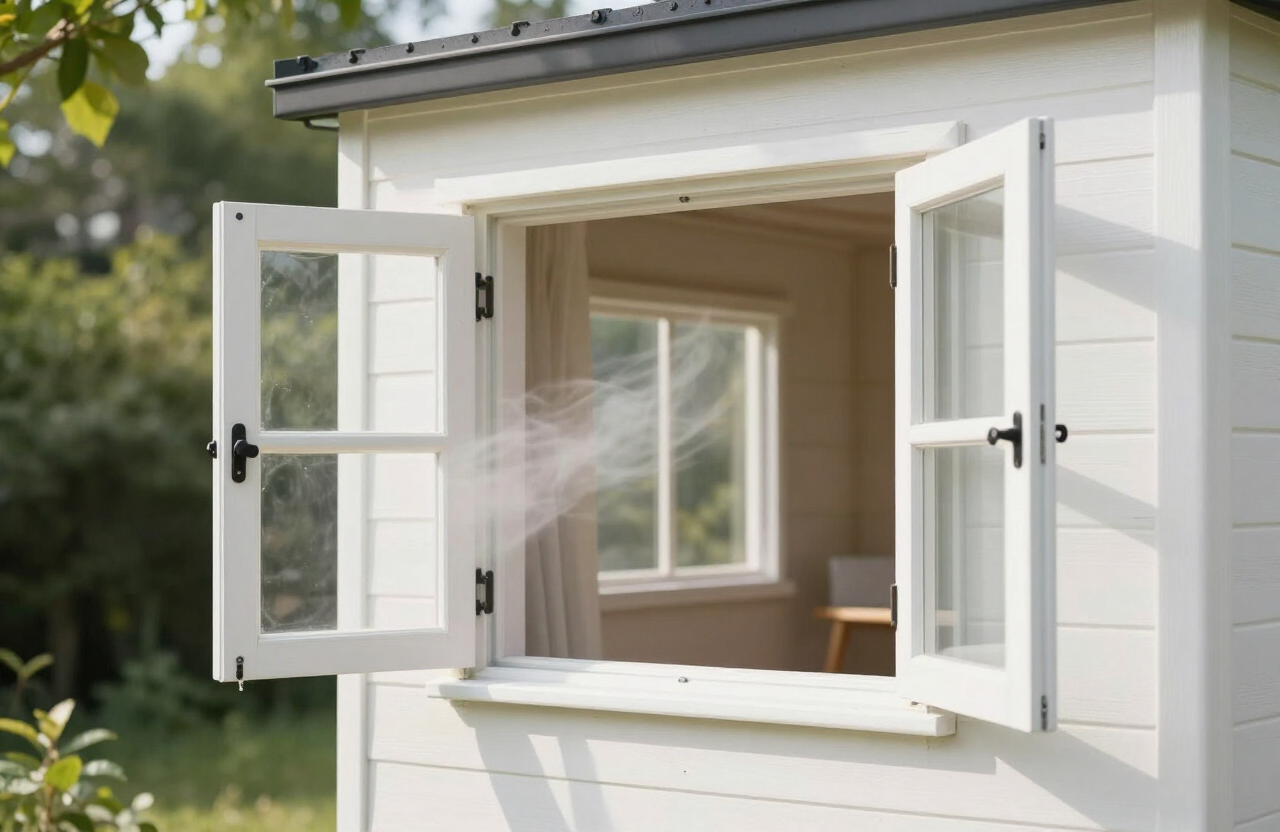
Outdoor living extends the seasons
Seasonal routines and gear rotation

Seasonal prep checklist at a glance
| Season | Key tasks |
|---|---|
| Fall | Seal drafts, service heater, insulate plumbing, skirt trailer, stock fuel |
| Winter | Run ventilation, manage moisture, wipe condensation, monitor fuel |
| Spring | Service cooling, clean gutters, remove skirting, inspect roof |
| Summer | Shade windows, night-flush ventilate, run dehumidifier, service fans |
Enjoying the rhythm of the seasons
Related articles
More guides that dig deeper into the same topics.
Frequently asked questions
Can you live in a tiny home year-round in a cold climate?+
Yes, with proper insulation, air sealing, a reliable heat source, and skirting around the trailer base. The small volume heats fast, but moisture management and a backup heater are essential. Many people live comfortably in tiny homes through harsh winters with the right preparation.
What is the best way to heat a tiny home in winter?+
A mini-split heat pump is the most efficient electric option and also cools in summer. A small wood or pellet stove gives radiant warmth off-grid. A propane direct-vent heater is compact and reliable. Always add a low-wattage backup so a single failure does not leave you cold.
How do I keep a tiny home cool in summer without AC?+
Shade south and west windows, night-flush ventilate when outside air cools, run a roof vent to exhaust hot air, and use cross-ventilation with a small fan. A 12-volt RV vent can move enough air to stay comfortable in all but the hottest, most humid climates.
How do I prevent moisture and mold in a tiny home in winter?+
Run a bath fan during showers and a range hood while cooking, consider a continuous exhaust or heat-recovery ventilator, wipe window condensation daily, and use moisture absorbers in storage. A tight, warm home needs active ventilation to stay dry.
Do I need to skirt my tiny home in winter?+
In cold climates, yes. Skirting the trailer base with insulated panels blocks wind from freezing the floor cavity and protects plumbing. It is one of the highest-impact, lowest-cost winter preparations for a tiny house on wheels.
How big an air conditioner does a tiny home need?+
Usually not much. A tiny home rarely needs more than 9,000 BTU of cooling, and a single window unit or a small mini-split handles it. The small volume cools fast, so size to the space rather than oversizing, which short-cycles and dehumidifies poorly.
Ready to start searching?
Browse tiny homes, plans, builders, communities and land on the interactive map.
Explore the map