Climate Control

Tiny Home Ventilation: ERV, HRV, Exhaust and Fresh Air Strategies

10 min read · Updated February 4, 2026

By John

A tight tiny home needs deliberate ventilation or it traps moisture, odors, and indoor pollutants. Here is how to choose between exhaust fans, ERV, and HRV systems for healthy indoor air.
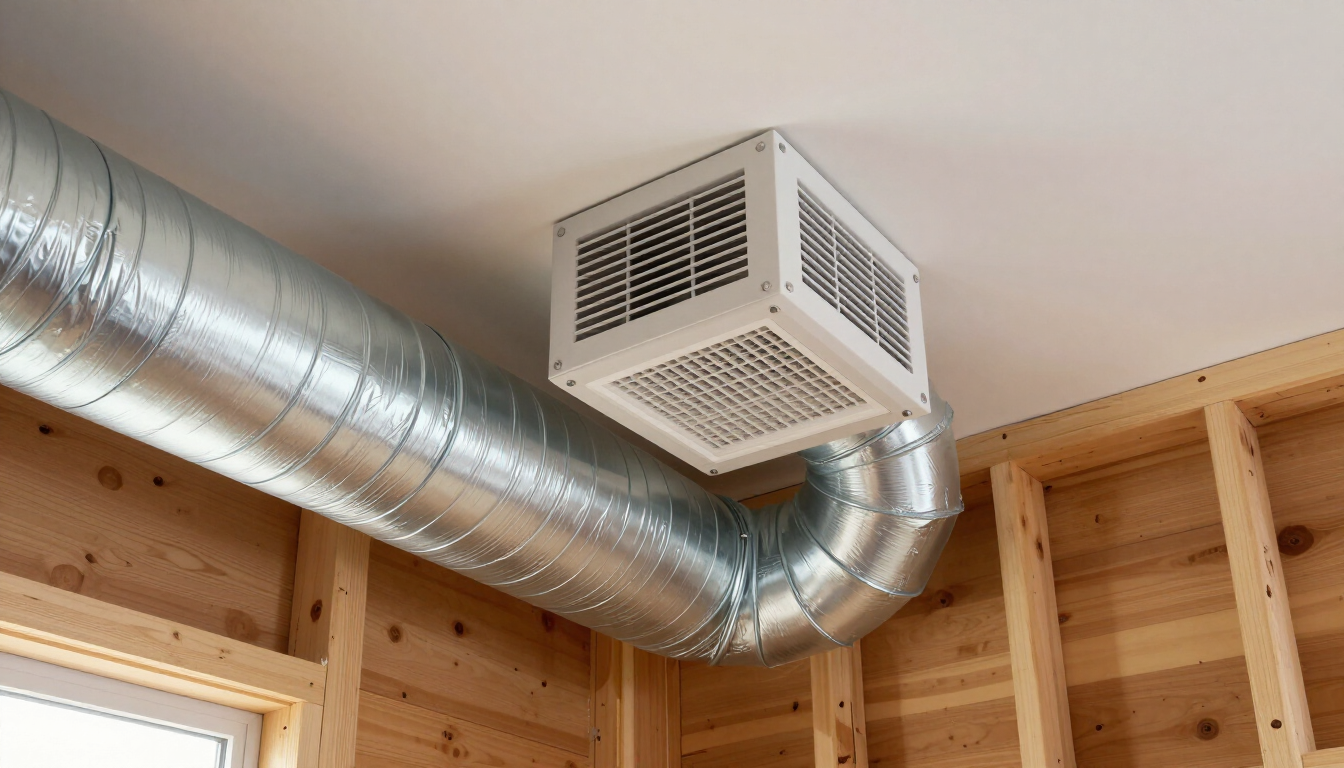
Ventilation ductwork and a small HRV unit installed in the ceiling of a tiny home

Why ventilation matters more in a tiny home

A small, well-sealed tiny home traps moisture and pollutants fast. One cooking session, one shower, or even one sleeping occupant can spike humidity and CO₂ in minutes because there is so little air volume to dilute it. Without deliberate tiny home ventilation systems, that moisture condenses on cold windows and walls and feeds mold, while stale air and indoor pollutants build up. The tighter the envelope, the more you need controlled fresh air — paradoxically, good insulation makes ventilation more important, not less. See how it fits with insulation and passive cooling.

The moisture problem in pictures

Cooking, showering, and breathing release surprising amounts of water vapor — a shower can add a pint or more to the air. In a 200 sq ft home that humidity has nowhere to go, so it condenses on the coolest surfaces. Over time, repeated condensation rots window frames, stains ceilings, and grows mold behind furniture. The fix is to remove moist air at its source (kitchen and bathroom exhaust) and supply replacement fresh air so the home does not go negative and pull damp air through the walls.
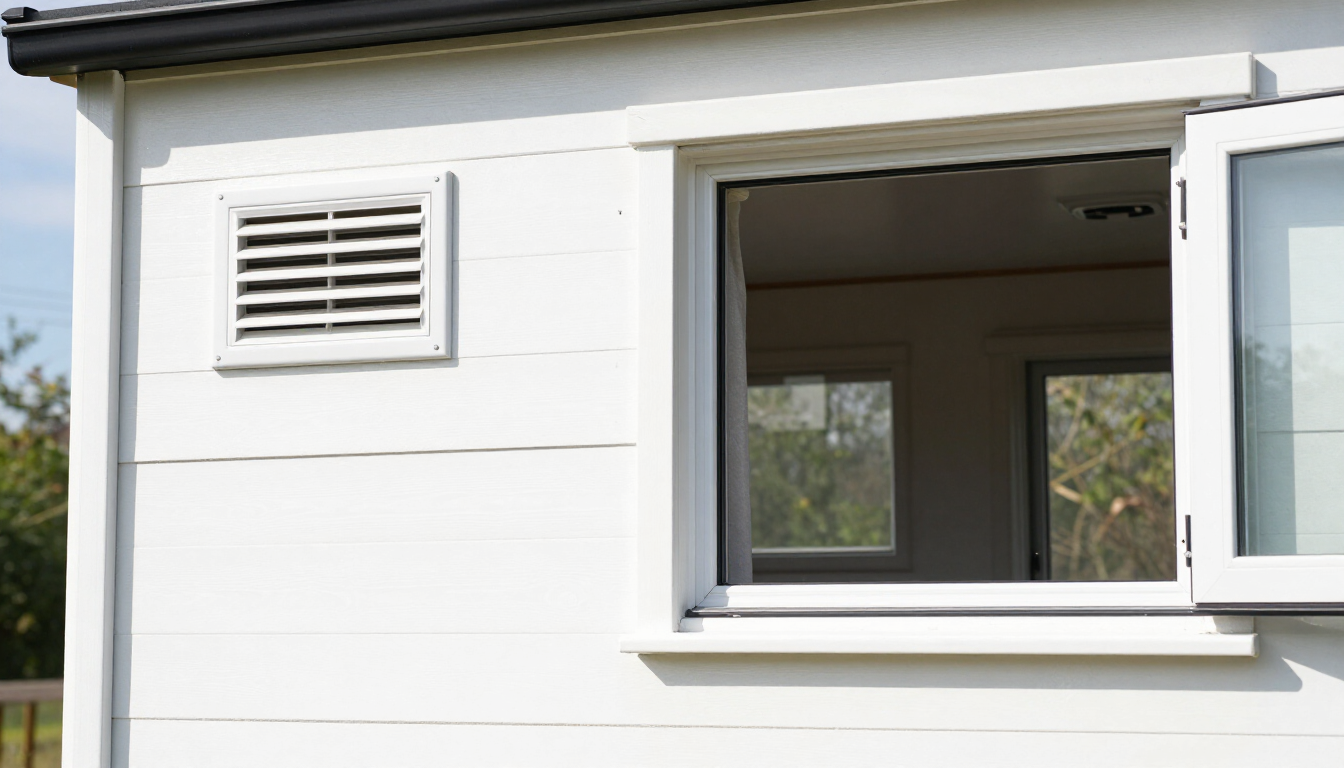
Tiny home with a fresh air intake vent and an open window showing crisp interior air

Spot ventilation: the minimum every tiny home needs
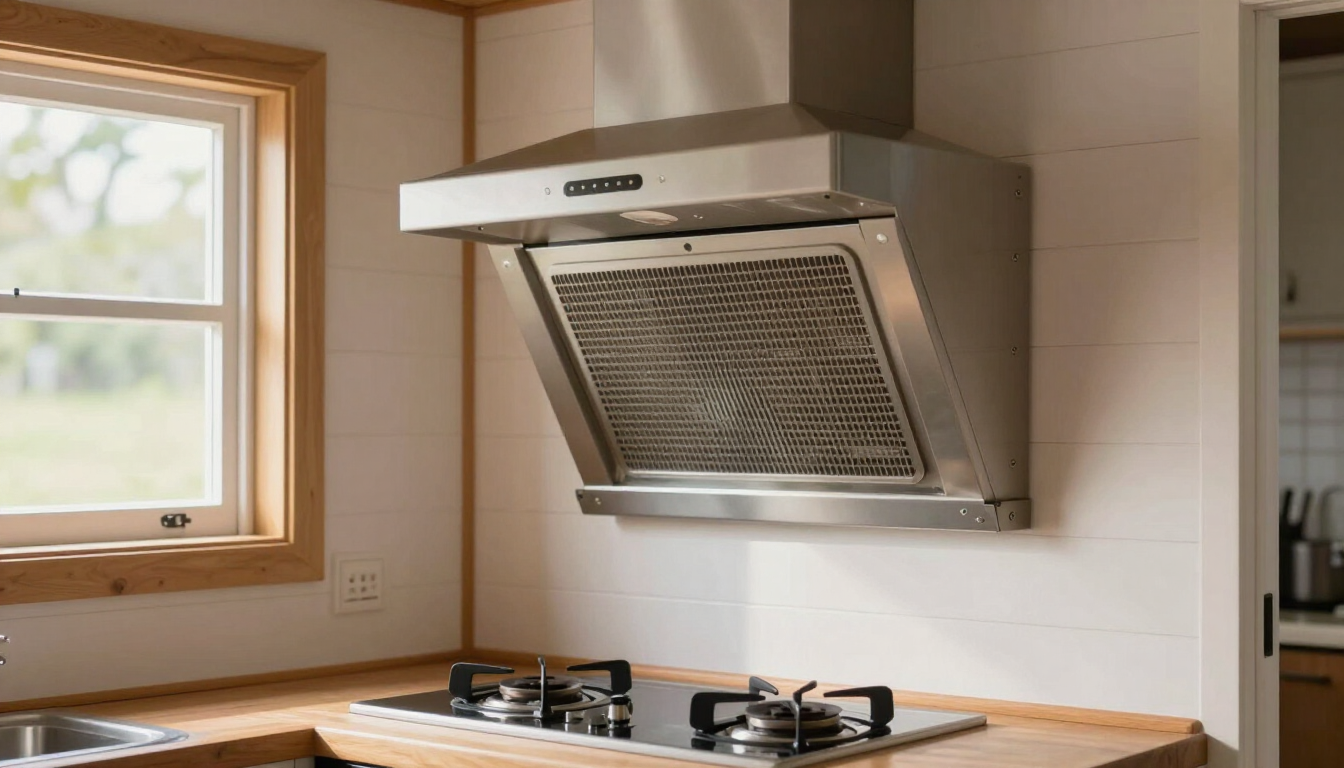
At a minimum, every tiny home needs exhaust fans at the two biggest moisture sources: a range hood over the cooktop and a bathroom exhaust fan. Both should vent directly outside, not recirculate. A range hood removes cooking grease, odors, and moisture; a bathroom fan removes shower humidity before it spreads. Choose quiet, low-sone fans so you actually use them, and run the bathroom fan for 20–30 minutes after a shower. These two fans alone solve most moisture problems in a tiny home.
Tiny home kitchen with a range hood exhaust fan above a small cooktop

ERV and HRV: balanced ventilation with heat recovery
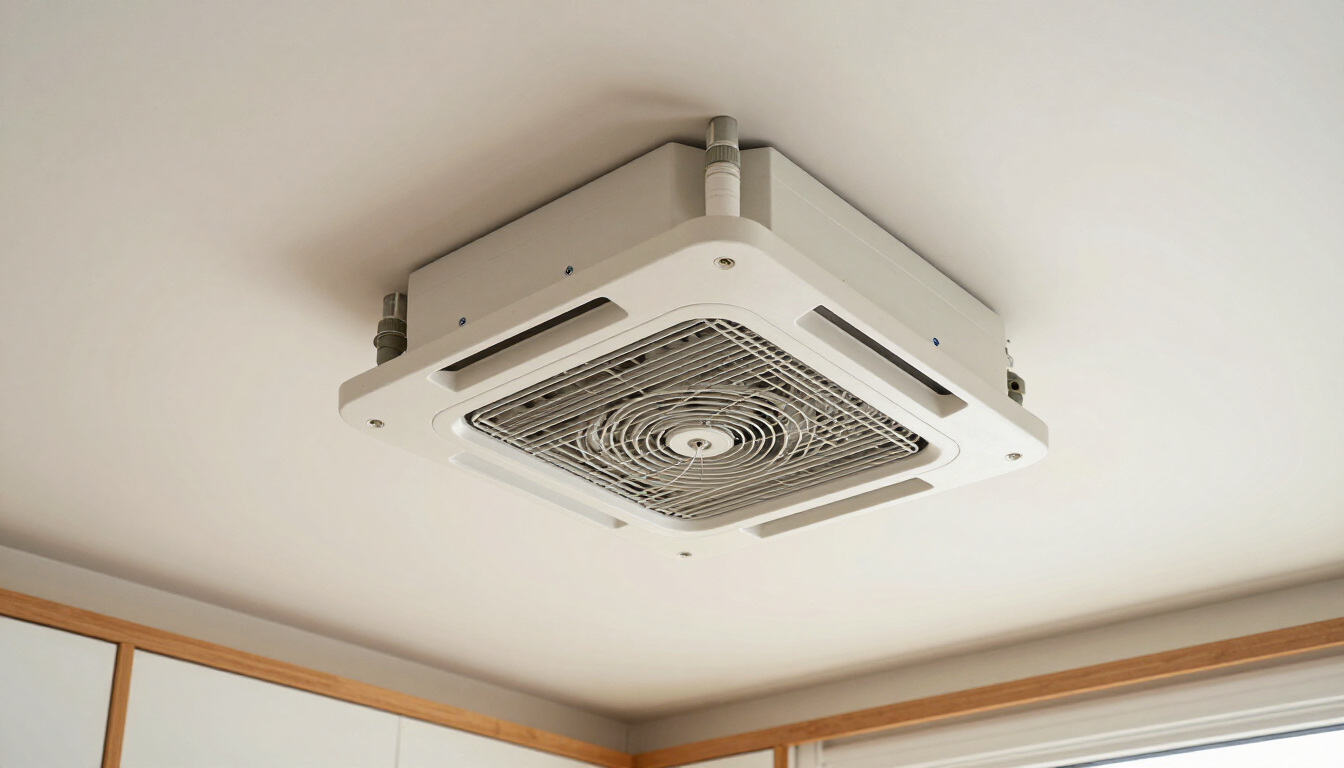
An energy-recovery ventilator (ERV) or heat-recovery ventilator (HRV) is the gold standard for a tight tiny home. These systems simultaneously exhaust stale air and supply fresh air through a heat exchanger that transfers warmth (HRV) or warmth plus moisture (ERV) from the outgoing air to the incoming air, recovering 70–90% of the energy. The result is continuous fresh air with minimal heat loss. An ERV also transfers some moisture, helping balance humidity in both dry and humid climates. For a tiny home, a compact through-wall ERV unit is often the simplest fit. The trade-off is cost ($500–$1,500) and the need for a small power supply.
ERV heat recovery ventilator unit mounted in the ceiling of a tiny home

ERV vs HRV: which do you need?

The difference is moisture. An HRV transfers only heat; an ERV transfers heat and some moisture. In cold climates where winter air is very dry, an ERV helps retain indoor humidity (good, within reason). In humid climates where you want to keep outdoor moisture out, an HRV is often preferred so it does not bring humidity in. For most tiny homes in mixed climates, a compact ERV is the more versatile choice. Both need filter cleaning every few months.
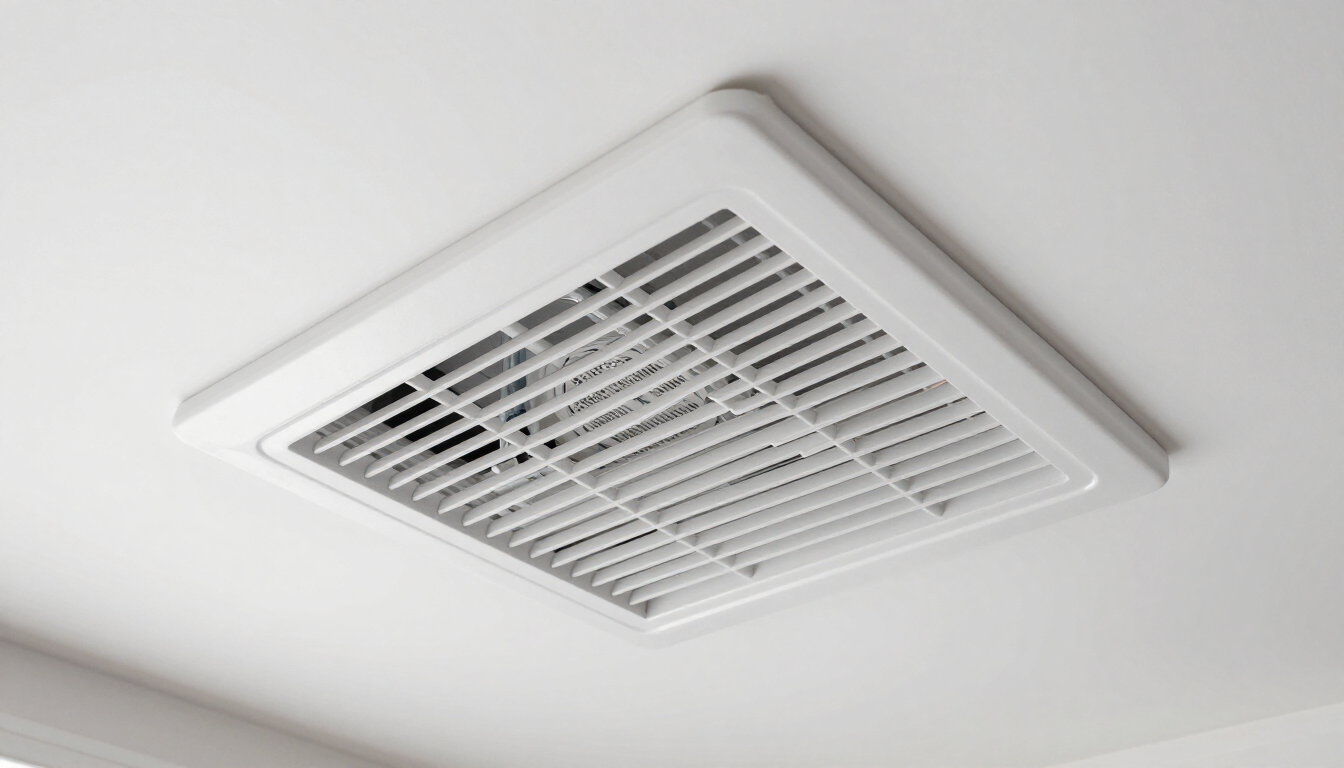
Ceiling supply air vent grille in a tiny home

Ventilation strategies compared

StrategyCostHeat recoveryBest for
Natural (windows)FreeNoneMild weather, backup
Spot exhaust fansLowNoneEvery home (minimum)
Whole-house exhaustLow–mediumNoneBudget tight homes
ERV / HRVMedium–high70–90%Tight homes, cold climates
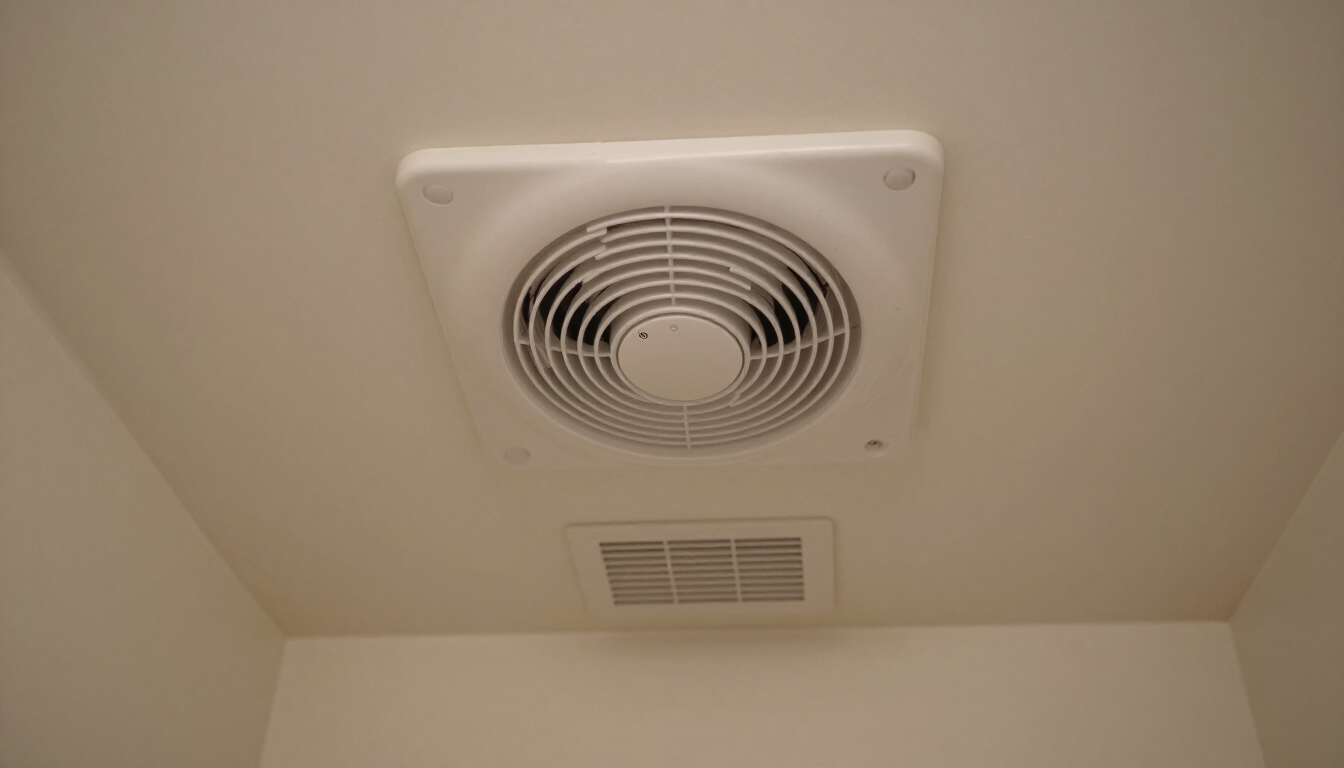
Tiny home bathroom with an exhaust fan vent in the ceiling

A budget approach that works

If an ERV is not in the budget, a solid budget system is: a quiet bathroom exhaust fan on a timer (run it 15 minutes per hour), a vented range hood, and a small passive intake vent near the living area to supply replacement air. This 'supply-and-exhaust' approach costs a few hundred dollars and handles most tiny-home moisture issues. The downside is no heat recovery, so you lose some conditioned air — but in a mild or moderate climate that is often an acceptable trade. Add operable windows for free flushing when weather allows.
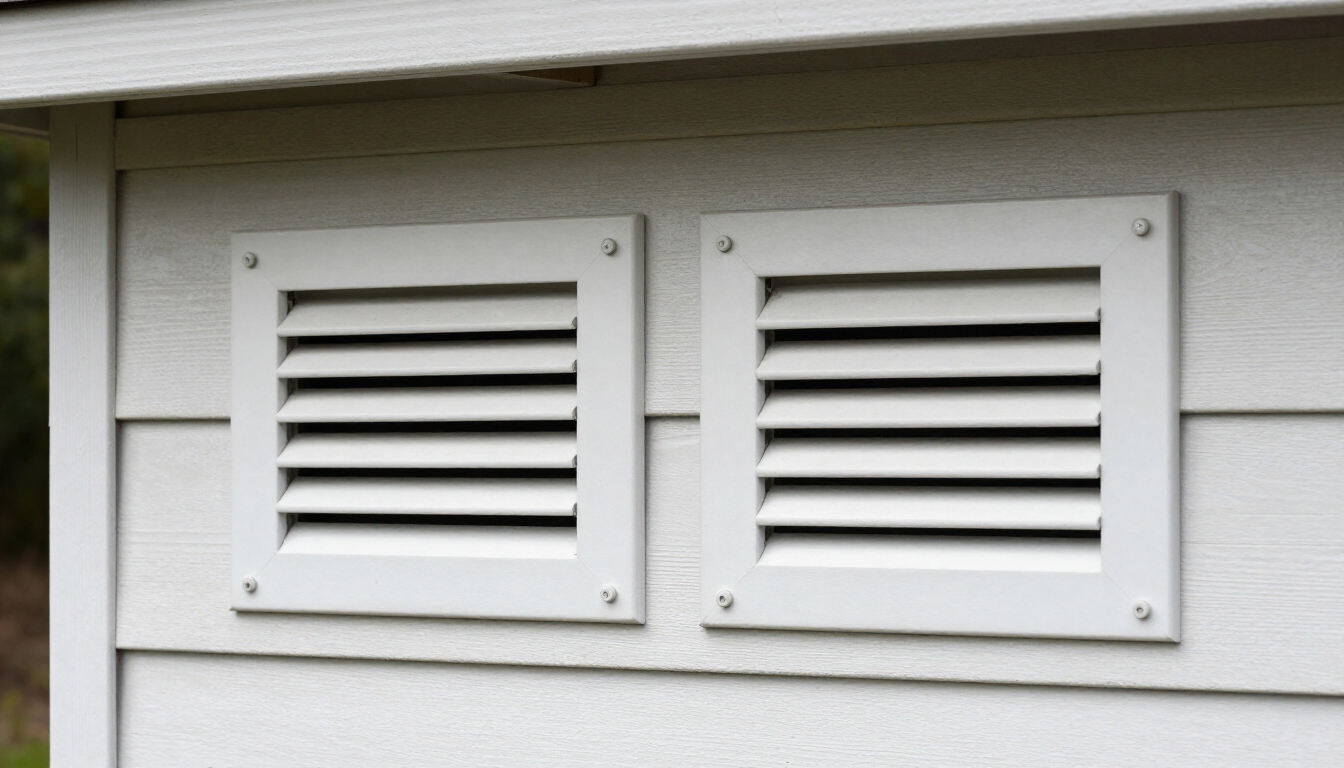
Tiny home exterior wall showing an intake vent and an exhaust vent side by side

Building healthy air into your tiny home

Treat ventilation as a system, not an afterthought. At minimum, install a vented range hood and a bathroom exhaust fan. In a tight, well-insulated tiny home — especially in a cold climate — add a compact ERV for continuous fresh air with heat recovery. Clean filters regularly, run fans long enough to clear moisture, and use operable windows for free flushing. Good ventilation protects your structure from mold and your health from stale, polluted air. Explore builders who design ventilation in from the start, or find a home on the map.

Related articles

More guides that dig deeper into the same topics.

Frequently asked questions

Does a tiny home need mechanical ventilation?+

A tight, well-sealed tiny home needs deliberate ventilation to remove moisture and pollutants. At minimum, install a vented range hood and a bathroom exhaust fan. A compact ERV adds continuous fresh air with heat recovery in cold climates.

What is the difference between an ERV and an HRV?+

An HRV transfers only heat between outgoing and incoming air. An ERV transfers heat and some moisture, helping balance humidity. ERVs suit most mixed climates; HRVs are often preferred in humid climates where you want to keep outdoor moisture out.

How do I prevent mold in a tiny home?+

Remove moisture at its source with a vented range hood and a bathroom exhaust fan run for 20–30 minutes after showers, supply replacement fresh air, and keep indoor humidity below about 60%. Good ventilation plus a tight, insulated envelope is the formula.

Are operable windows enough for ventilation?+

In mild weather, yes, for flushing. But windows do not help when it is cold or when you are asleep, and they waste conditioned air. They are a great supplement but not a complete ventilation strategy for a tight tiny home.

How much does a tiny-home ERV cost?+

A compact through-wall ERV suitable for a tiny home typically costs $500–$1,500 plus installation. It needs a small power supply and periodic filter cleaning, but recovers 70–90% of the heat from outgoing air.

Should a tiny-home bathroom fan run all the time?+

Not constantly, but regularly. A common approach is a timer that runs a quiet bathroom fan 15 minutes per hour, plus 20–30 minutes after each shower. This keeps humidity in check without running the fan nonstop.

Does ventilation waste heating energy?+

Some, but an ERV or HRV recovers 70–90% of the heat from the outgoing air, so the loss is small. Spot exhaust fans lose more heat but are still essential for moisture control — the cost of not ventilating (mold, rot) is far higher.

Ready to start searching?

Browse tiny homes, plans, builders, communities and land on the interactive map.

Explore the map
>