Tiny House Land Rental: How to Find, Choose, and Rent the Right Plot
16 min read · Updated October 14, 2026
By John
Renting land for a tiny house is one of the most practical ways to start living tiny without the financial weight of buying property. Whether you own a tiny house on wheels, are planning a foundation build, or simply want to test tiny life before committing, finding the right lot - with the right zoning, utilities, and lease terms - is the step that makes everything else possible. This guide covers every type of land rental arrangement, what to look for in a site, how to search effectively, and the pitfalls that catch people off guard.
TinyHomeMap is a neutral, global directory where you can browse tiny-house-friendly land rentals and tiny homes for rent, filtered by location and features. All deals happen directly with owners - the platform doesn't broker transactions, which keeps things transparent for both sides.
Below you'll find practical steps, zoning considerations, cost breakdowns, and real-world examples to help you decide what kind of land rental fits your situation.
Types of Tiny House Land Rental
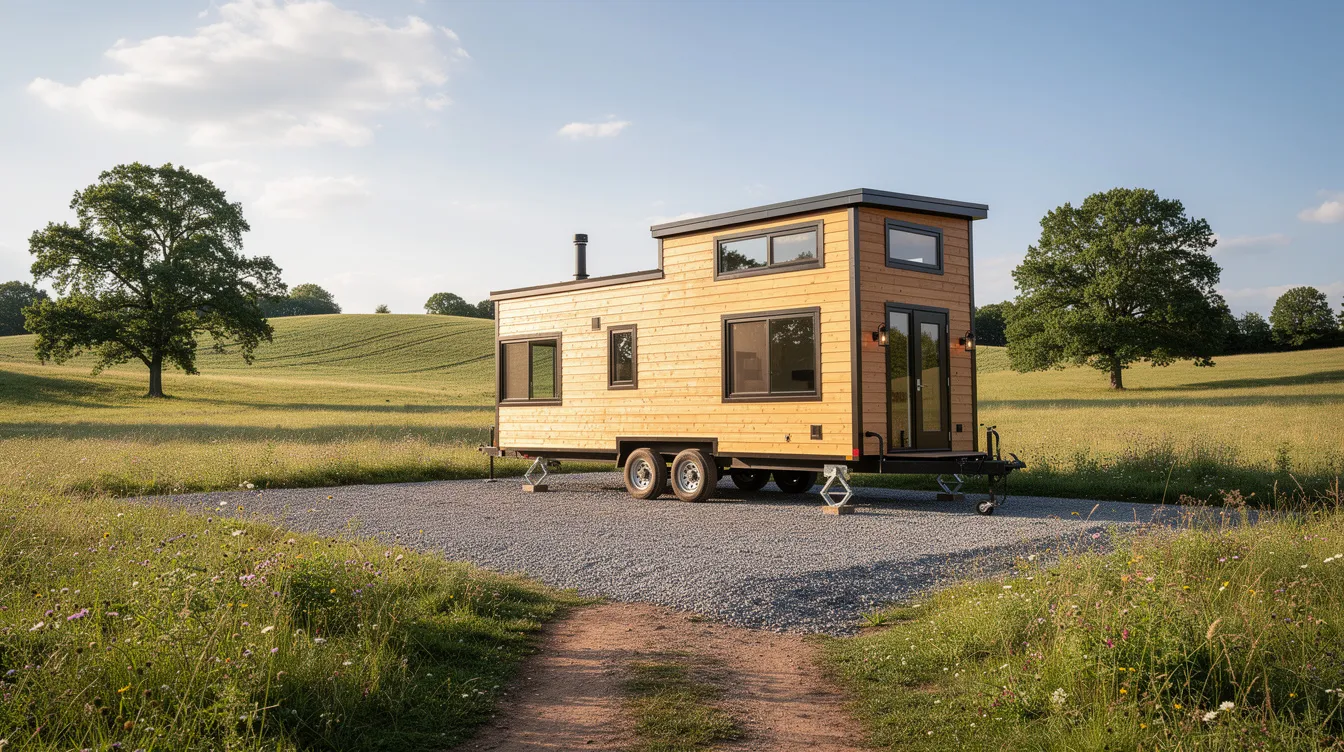
"Tiny house land rental" isn't a single arrangement - it's a mix of setups ranging from a backyard pad in a city to a corner of a working farm in the country. Each type comes with different rules, costs, and trade-offs. Understanding the main categories helps you narrow your search fast.
Private Backyard or Driveway Rentals
Some homeowners rent part of their property - a backyard, a wide driveway, or a side lot - to someone with a tiny home on wheels. These setups are common in cities like Portland, Denver, and Melbourne, where housing costs are high and space is tight.
Arrangements are usually month-to-month or on 6–12 month leases, with shared utilities (water, electricity, sometimes Wi-Fi). Rent tends to be lower than a studio apartment in the same area.
Pros: Walkable locations, existing utility hookups, affordable rent relative to conventional housing.
Cons: Close proximity to hosts can strain privacy; local zoning or HOA rules may restrict occupancy or length of stay. Always verify whether local ordinances allow tiny houses on private property before signing anything.
Rural Acreage and Farm Land Rentals
Leasing a corner of a small farm or rural acreage - say a quarter-acre on a ten-acre property - gives you space, quiet, and often easier off-grid options. This is common in states like Oregon and Tennessee, and in regions of rural France and Spain.
Some landowners accept barter: reduced rent in exchange for labor like gardening, animal care, or property maintenance. Renting land can involve trading skills for reduced rent, which is a real benefit for people with construction or agricultural experience. WWOOFing (World Wide Opportunities on Organic Farms) can even provide land for tiny house living in exchange for volunteer farm work.
Pros: Privacy, nature, room to build gardens or workshops, generally lower rent.
Cons: Distance to jobs and services, need for a reliable vehicle, and seasonal access issues - assess the road's usability in different weather conditions before committing.
Tiny House Villages and Formal Communities
Dedicated tiny house communities rent individual pads with shared amenities: laundry, community kitchens, gardens, and sometimes Wi-Fi. Examples include Boxwood Tiny Home Community in Kingsland, TX (lot rent from $550/month on annual leases), and Lake Dallas Tiny Home Village, one of the first tiny home villages permitted within city limits.
Tiny house communities are increasingly available for residents, and they can facilitate skill-sharing among members. Communities can provide shared resources and social connections that isolated living can't match. These villages often have clear rules, minimum lease terms (typically 12 months), and higher pad rents - but zoning is already sorted, and organized utilities are included.
Pros: Built-in neighbors, legal clarity, organized infrastructure.
Cons: Waitlists are common, community rules limit design freedom, and rents run higher - Liberty Tiny Village in Aubrey, TX (a 55+ community), charges $950/month for lot rent including water, sewer, trash, WiFi, and landscaping.
RV Parks, Campgrounds, and Seasonal Pads
Many RV parks and campgrounds accept tiny houses on wheels, especially those built to ANSI or NFPA standards. Mobile home parks may also accommodate tiny houses on wheels, depending on local regulations. This works well for seasonal stays - snowbirds heading to Florida or Arizona in winter, or digital nomads following good weather.
Daily and weekly rates are common for short stays; monthly rates bring significant discounts. Marshall Meadows RV & Tiny Home Village in Marshall, TX offers lot rent ranging $475–$725/month including trash, water, and sewer across 39 lots.
Pros: Plug-and-play hookups, flexible stays, on-site facilities.
Cons: Transient neighbors, tourist pricing in peak seasons, park design rules that limit personalization.
Renting a Tiny House Already on Land
Sometimes you're not renting the land alone - you're renting a fully set-up tiny house plus land access, similar to a small furnished apartment or a long-term Airbnb stay. This is a good "trial run" before you purchase or build your own tiny house. Test the storage, the climate, and the layout for at least one to three months before making bigger decisions.
Rabbit Hill Rentals in New Caney, TX, for instance, offers cottages with a tiny home for rent at $225/week. TinyHomeMap lists tiny homes for rent with location filters to help you find these setups worldwide.
What to Look For in a Tiny House Land Rental
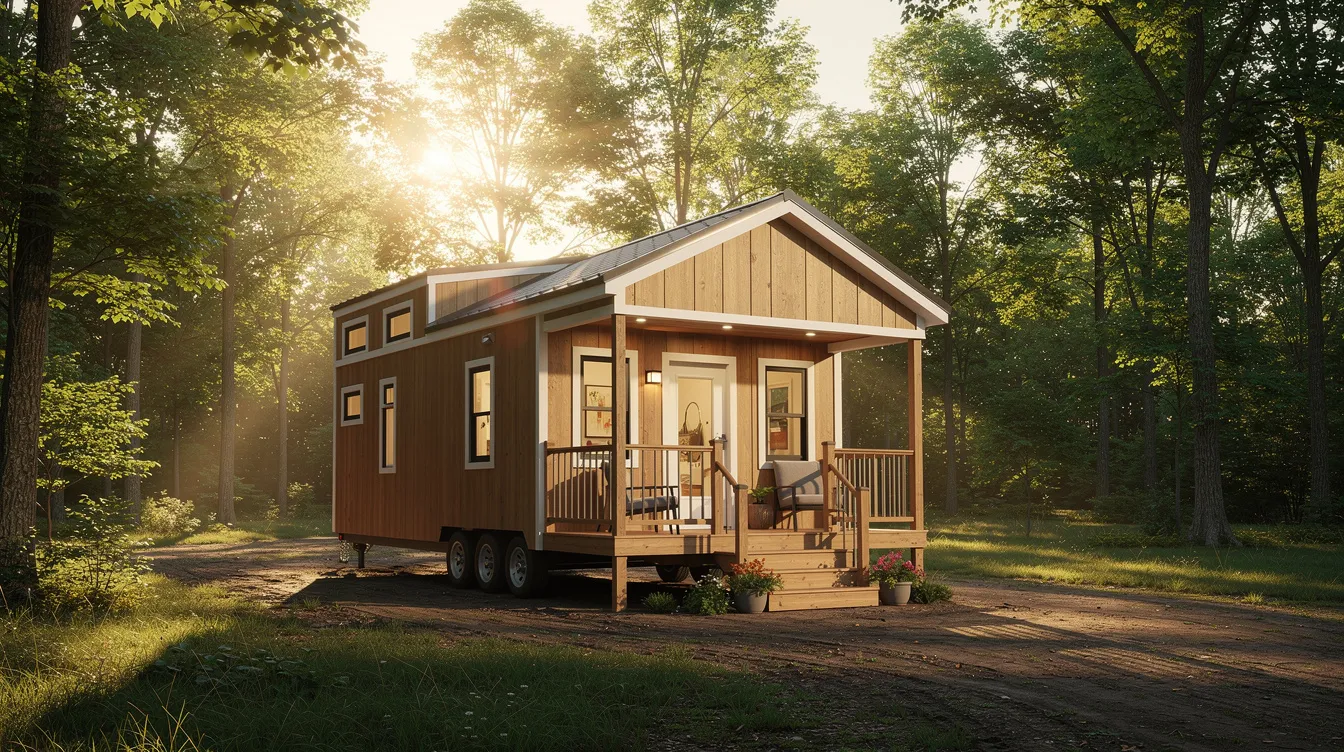
A good site is about more than the monthly price. Access, legal status, utilities, and community fit can make or break the experience. Here's what to evaluate before signing.
Zoning, Legal Status, and Local Rules
Zoning codes vary by location and affect tiny home placement more than almost any other factor. What's legal in one county might get you fined in the next. Tiny houses on wheels (THOWs) may be classified as RVs or mobile homes, while tiny houses built on foundations are generally classified as Accessory Dwelling Units (ADUs). The distinction matters: site-built tiny homes require the same permits as conventional houses.
In the U.S., the adoption of Appendix Q in the 2018 International Residential Code gave formal building-code definitions for tiny homes on foundations - covering ceiling height, lofts as habitable space, and alternate egress. More jurisdictions are adopting it, especially in states with housing shortages, but adoption isn't uniform. Check for minimum square footage requirements in local zoning codes.
Tiny homes built to IRC standards are allowed in Port Townsend, and tiny homes on wheels are not counted towards density maximums in Jefferson County - examples of how regulations can differ even within a single region. California's coastal ADU amendment explicitly includes "Movable Tiny Houses" under permit terms.
What to do: Inform local zoning offices about your tiny house setup to check legal occupancy. Call the planning department, get answers in writing, and document any approvals in the lease.
Utilities: Power, Water, Waste, and Internet
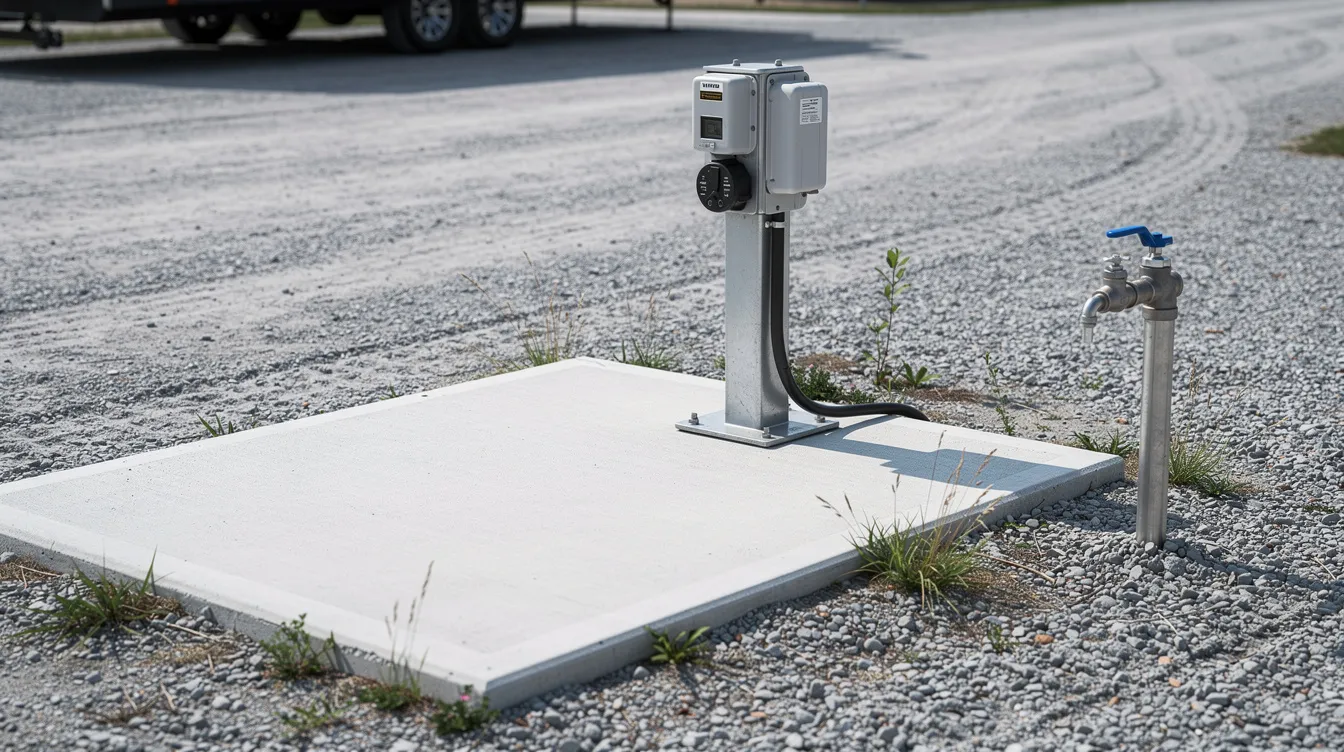
Understanding utility access is crucial before renting land. Typical hookup options include 30/50-amp electrical pedestals, garden-hose water connections, and septic or sewer hookups. For remote workers, verified high-speed internet (Starlink, fiber, or strong cellular) is non-negotiable.
Clarify responsibilities: who pays for installation, ongoing bills, and maintenance? Some communities include water and sewer in rent; electricity is often metered separately. At La Bohemia Villas in Cumby, TX, the $595/month lease includes electric, water, and septic on 20′×50′ lots.
Off-grid systems may require alternative setups for utilities. Solar panels, rainwater catchment, and composting toilets are options - but determine local laws regarding composting toilets and greywater disposal, as legality varies by region. Approval from Environmental Health is needed for water and septic hook-ups in many jurisdictions.
Recommend including utility access and limits in any written land rental agreement.
Access, Safety, and Site Conditions
Year-round road access matters, especially on unpaved rural driveways in wet or snowy climates. Access and road conditions should be evaluated for bringing in a tiny house - drive the route with a vehicle similar to your tow rig before committing.
Inspect the site for:
Drainage and slope: A level pad prevents structural stress and water pooling.
Topography and flood risk: Low-lying areas near a lake or river may flood seasonally.
Shade and sun exposure: Critical if you plan solar panels or gardens.
Wind and wildfire exposure: Relevant in many western U.S. and Australian locations.
Emergency access: Can emergency vehicles reach the site? Is there a clear address?
Privacy, Noise, and Community Fit
Evaluate the distance from the host's main house, sightlines from windows and decks, and any physical screening - fences, hedges, or natural tree cover. Being respectful of shared space goes both ways.
Cover expectations before moving in: guest policies, pets, quiet hours, parking, use of shared gardens. If you're on farmland, ask about equipment noise, early mornings, and seasonal activity. A pre-move-in conversation about lifestyle fit saves months of tension.
Lease Terms, Costs, and Security
Lot rents across the U.S. range roughly $450–$1,050/month depending on location, amenities, lease term, and whether utilities are included. Backyard rentals in mid-sized cities might run $400–$700; formal community pads near metro areas trend $700–$1,000+. Rural pads in places like east Texas start lower - Rabbit Hill Rentals offers pad site rentals at about $433/month plus electric.
Land leases can vary in length from monthly to yearly agreements. Common structures include month-to-month, 6–12 month fixed terms, and seasonal arrangements. Security deposits of one to two months' rent are standard.
Rental terms should clarify maintenance responsibilities and utility costs. A written lease agreement is essential for renting land for a tiny house - covering notice periods, eviction conditions, and what happens if regulations change and require relocation. Money spent setting up a tiny house site should be justified by the lease length.
How to Choose the Right Land Rental for Your Tiny House
Turn the features above into a decision. Match your tiny house type, work situation, and lifestyle to the right kind of site.
Your Tiny House Type (wheels vs. foundation) - A THOW fits best in RV parks, tiny house villages, or flexible private plots. Renting land offers flexibility for mobile tiny houses that can relocate. A foundation tiny house needs a longer-term ground lease and code-compliant siting, often requiring the same permits as conventional construction.
Intended Length of Stay - Weekend or seasonal use points toward campgrounds or flexible hosts. Multi-year stays favor formal communities or farmland with stable leases. Match your lease length to your investment in setup.
Work, Commute, and Internet Needs - Choose land within reasonable distance of jobs or public transport. Remote workers should verify internet speed on site, not just in listings. Search for locations where connectivity is confirmed.
Budget and Hidden Costs - Weigh base rent against setup costs: gravel pads, skirting, decks, long electrical or water runs, delivery of the tiny home, and potential permit fees. A $700/month lot can actually cost $900+ once electricity, internet, and deposits are added. Factor in insurance and liability coverage requirements, which differ when renting land versus owning.
Desired Community vs. Solitude - Tiny house villages offer high social interaction and shared resources; secluded rural sites offer quiet and space. Visit at different times of day before signing. Walk the property, meet the neighbors, and decide whether the energy matches what you want from tiny life.
Step‑by‑Step: How to Find Tiny House Land Rentals
Finding the right plot takes focused effort. Here's a practical walkthrough you can follow over a weekend to start your search.
1. Define Your Non‑Negotiables
List your must-haves: region or radius (e.g., within 30 km of Austin, TX, or 45 minutes of Bristol, UK), hard budget ceiling, on-grid vs. off-grid, pet friendliness. Decide up front on minimum lease length you'll accept and whether you're willing to share outdoor spaces with hosts. This step alone eliminates most listings and saves hours.
2. Use Online Maps and Directories
Search tiny-house-friendly land rentals on TinyHomeMap by filtering for "land" and "for rent" within a chosen radius, and view listings on the interactive world map. Look for clear photos of the pad and surroundings, stated utility availability, and any notes on zoning or permitted use.
Cross-check with local classifieds, Craigslist, and social media groups. Resources like Facebook groups can help find rental opportunities that never appear on formal listings. But keep TinyHomeMap as your primary hub - it's built specifically for this search.
3. Network Locally and in Tiny House Communities
Join regional tiny house Facebook or Discord groups. Attend local meetups or open days at tiny house villages. Post a short introduction about yourself and your tiny home: what you're looking for, your date range, and your location preference (e.g., "seeking land rental from March 2027 in northern California").
Leasing land can help build community among tiny homeowners, and many of the best arrangements come through word of mouth from members of these networks.
4. Pre‑Screen and Shortlist Potential Sites
Narrow your options by checking legality, distance to work or shops, likely noise levels, and clear pictures of access roads. Prepare a shortlist of three to five promising sites to visit in person before committing. Verify whether local ordinances allow tiny houses on the specific property type - residential, agricultural, or mixed-use.
5. Visit and Inspect the Land
Drive the route with a vehicle similar to your tow vehicle. Inspect ground stability and slope. Confirm sun exposure for solar. Check cell coverage at the site.
Mini checklist:
Is the pad level and well-drained?
Are utility hookups where you expect them?
Can a delivery truck or tow vehicle access the site in all seasons?
Is there adequate clearance from trees and power lines?
Meet the landowner. Ask specific questions about rules, long-term plans for the property, and previous tiny house tenants. Real estate agents can simplify the land search process if you're exploring options to buy later.
6. Negotiate, Document, and Prepare to Move In
Negotiate rent by factoring in work-trade, maintenance responsibilities, or long-term commitment - many communities reduce rent for 12-month leases. Some accept barter or shared labor arrangements.
Put everything in writing: site plan, start and end dates, parking, utilities, guests, pets, and what happens if either party ends the lease early. Include diagrams or a photo of the exact spot and any included infrastructure.
Plan logistics: towing or delivery date, setting up blocks or foundation, connecting utilities, and arranging insurance. Insurance and liability coverage requirements differ when renting land for a tiny house - check with your insurer about where the home will be parked, and confirm whether the landowner's policy covers structures you own (usually it does not).
Common Pitfalls and How to Avoid Them
Every year, people interested in tiny living make the same avoidable mistakes. Here are the most frequent - and how to sidestep them.
Leasing on Land That Isn't Zoned for Tiny Homes
Being forced to move on short notice, facing fines, or straining your relationship with the landowner are real risks. "Under the radar" arrangements might work for a few months, but they're not a foundation for long-term tiny life. Confirm zoning in writing. Call the local planning office and inquire directly - don't rely on the landowner's assurance alone.
Underestimating Setup Costs and Time
Hidden costs add up fast: gravel pad preparation, leveling blocks, skirting for insulation, stairs or a deck, long electrical or water runs, and delivery of the tiny home itself. At some communities, setup fees are non-refundable. Request estimates before signing and leave a buffer in both time and budget for the first month. A complete cost-of-occupancy calculation prevents surprises.
Ignoring Seasonal and Climate Issues
Winter freezes can burst pipes. Mud seasons make unpaved roads impassable. Wildfire smoke affects air quality for weeks. Hurricane seasons threaten coastal sites. Ask current locals - not just the landowner - how the site performs in January and July before committing. Assess the road's usability in different weather conditions as part of your due diligence.
Vague Expectations with the Landowner
Conflicts arise from visitors staying too often, disagreements about parking, noise, use of Wi-Fi, or garden space. Recommend a written "house rules" attachment to the lease and a 30-day check-in conversation to adjust if needed. Being respectful and explicit from the start protects both parties.
Frequently Asked Questions About Tiny House Land Rental
How much does it cost to rent land for a tiny house?
In the U.S., lot rents typically range from about $450 to $1,050 per month, depending on location, amenities, and what's included. Rural pads in areas like east Texas may start around $475/month; suburban or peri-urban community pads near metro areas often run $700–$950. Utilities, setup costs, and security deposits are often extra and can match one to three months' rent in total upfront costs. Internationally, prices vary widely by country and city.
Is it legal to park a tiny house on rented land?
Legality depends on local zoning, the classification of your tiny house (RV, park model, or dwelling), and length of stay. Tiny houses on wheels may be classified as RVs or mobile homes, while those on foundations are generally classified as ADUs. Zoning codes vary by location and affect placement. Always check with local planning departments and, where possible, get written confirmation or permits. In some areas, like Jefferson County, WA, tiny homes on wheels are not counted towards density maximums - but this is not universal.
Can I live full‑time in a tiny house on rented land?
Some regions explicitly allow full-time tiny living on wheels or on a foundation; others limit stays to "recreational use." The tiny house movement has pushed many cities toward reform - more jurisdictions are adopting Appendix Q and recognizing tiny homes as legitimate dwellings. Look for tiny house villages or long-term RV parks that clearly permit year-round residence. Tiny home living is affordable and environmentally sustainable, which drives increasing acceptance.
What should be included in a tiny house land rental agreement?
A written lease agreement is essential. Key points: rental amount, due date, lease term, notice period, allowed uses, guest policy, utilities (who pays what), parking, maintenance responsibilities, and what happens if regulations change. Include diagrams or photos to document the exact spot and any included infrastructure. Land leases can vary from monthly to yearly agreements - make sure the forms match your intended stay.
Do I need special insurance for a tiny house on rented land?
Most tiny house owners carry a combination of RV, mobile home, or tiny house specialty insurance plus liability coverage. Check with your insurer about where the home will be parked and whether the landowner's policy covers structures you own - usually it does not. Insurance and liability coverage requirements differ when renting land, so explore options with an agent familiar with tiny homes or alternative housing.
Start Exploring Tiny House Land Rentals
Define what you want, verify legality, and visit potential sites in person - browsing listings online is a start, not the finish. Use TinyHomeMap's global map to explore tiny-house-friendly land rentals and tiny homes for rent in specific regions, then connect with owners directly.
Bookmark promising listings, save photos for comparison, and treat your first land rental as both a home and an experiment in the tiny house movement. The right plot is out there - the work is in matching it to your build, your budget, and the way you want to live.
Related articles
More guides that dig deeper into the same topics.
Ready to start searching?
Browse tiny homes, plans, builders, communities and land on the interactive map.
Explore the map