Can I Add a Tiny House to My Property? (Complete Guide for 2026)
17 min read · Updated October 16, 2026
By John
If you own a residential lot and want to add a small dwelling for family, guests, or rental income, you're not alone. Thousands of homeowners across the U.S. are asking the same question every month. The short answer is yes, many properties can legally accommodate a tiny home, but what you can actually do depends entirely on your local zoning, building codes, and how your tiny home is classified.
This complete guide walks you through every legal check, design choice, cost consideration, and practical step you need to place a tiny house on your property in 2026.
Key Takeaways
Yes, you can add a tiny house to your property in many parts of the United States, but the answer hinges on your local zoning designation, applicable building codes, and whether the tiny home is treated as an accessory dwelling unit or a recreational vehicle. There is no single national rule that covers every lot.
Many U.S. cities and counties now allow tiny homes as accessory dwelling units or guest space on single-family lots. As of 2026, 20 states have passed laws requiring jurisdictions to permit ADUs in some form.
Rules for movable tiny homes and homes on wheels are usually stricter than for permanent structures built on site, because many jurisdictions classify them as recreational vehicles rather than dwellings.
You must check local rules with your city or county planning department before buying or building. Zoning regulations can vary drastically by municipality, impacting tiny house legality.
Costs and permits differ significantly between states. A 600 sq ft detached ADU averages roughly $243,000 nationally, while a smaller tiny home on wheels may range from $60,000 to $150,000.
States like California, Oregon, Colorado, Maine, and Washington are among the more tiny home friendly and ADU-friendly regions, but local zoning still controls what is legal on a specific lot.
TinyHomeMap can help you find tiny-home-friendly land, builders, and communities already set up to welcome small homes.

How Local Zoning Decides If You Can Add a Tiny House
Local zoning-meaning city or county land use rules-is generally the first and most important factor determining whether your property can accommodate a tiny home. Before you look at floor plans or call a builder, you need to know what your zoning code says.
Placing two houses on one lot is typically regulated through the accessory dwelling unit framework. Some residential zones explicitly list ADUs as a permitted use, while others ban or tightly limit secondary dwellings. Zoning classifications affect whether a property can accommodate multiple dwelling units, so the designation on your parcel matters enormously.
Here are practical points to keep in mind:
Look up your parcel's zoning designation (e.g., R-1, R-2, RR, AG) on your city or county's online zoning map, then check if ADUs or "secondary dwellings" appear as permitted or conditional uses in that zone.
Neighboring jurisdictions can have opposite policies. One town may allow tiny homes as ADUs, while the next bans additional dwellings entirely. Zoning regulations vary significantly between different counties.
Tiny houses are often subject to local ordinances rather than state laws, which means state-level friendliness does not guarantee your specific parcel qualifies.
Cities like Los Angeles and San Diego broadly allow backyard ADUs, while some suburban HOAs in Texas block movable tiny homes regardless of city zoning.
TinyHomeMap focuses on listing tiny-home-friendly land and communities precisely because local rules differ so sharply from one place to another.
Building Codes vs. Zoning: Two Different Gatekeepers
Building codes and zoning are separate systems. Zoning determines where and how many dwellings are allowed on a lot. Building codes set safety standards and construction requirements for whatever you build. Both must be satisfied to legally add a tiny home to your property.
Many U.S. states now use versions of the International Residential Code, including Appendix Q for dwellings under 400 square feet. Appendix Q relaxes residential building codes around lofts, ceiling heights, and ladders while maintaining core safety. Washington State, for example, defines a tiny home as no larger than 400 sq ft, including kitchen, bathroom, and living or sleeping area.
Key points on code compliance:
States like Maine, Colorado, and parts of California use modern codes that recognize small-footprint houses. Some Southern or Midwestern cities still enforce older minimum square footage requirements (800–1,000 sq ft), which can restrict the legal presence of tiny houses.
A tiny house treated as a permanent structure needs a building permit, inspections, and sign-off under local building department rules. Permanent tiny homes must comply with local building codes. Certain jurisdictions may require tiny homes to be certified by approved agencies for legal occupancy.
Homes on wheels are more often regulated under RV, manufactured home, or park model standards with different code paths.
A simple step-by-step flow: (1) confirm zoning allows a second dwelling or ADU, (2) confirm the building code path-site-built, modular, manufactured home, or RV standard, (3) discuss the plan with your local building department before ordering or building. Building and zoning permits are typically required for constructing a tiny house. Code compliance adds time and cost but also makes it easier to insure the unit, refinance, or sell the property with the tiny home counted as legal square footage.
Tiny Homes on Foundations vs. Homes on Wheels
Whether your tiny home sits on a permanent foundation or rolls on wheels changes almost everything about how the law treats it.
Foundation-based tiny homes are permanent structures treated like small houses or ADUs. They are tied to the land, built on site or placed on piers or slabs, and must meet residential building codes. They require permits, inspections, and utility connections. Foundation-built tiny homes often qualify for permanent residency and can be financed with conventional mortgages.
Tiny homes on wheels are often classified as recreational vehicles, park models, or movable tiny homes. Tiny homes on wheels offer flexibility but face stricter regulations around where you may park, how long you can stay, and whether full-time living is allowed. In many areas, tiny homes on wheels are classified as recreational vehicles, meaning they may be limited to RV parks or campgrounds rather than residential lots.
Some jurisdictions have carved out exceptions. Fresno, California updated its municipal code in 2025 to explicitly regulate tiny houses on wheels as part of its ADU framework. Oregon's SB 1013 allows THOWs as legal dwellings on rural residential properties. But many cities still only recognize permanent foundations for long-term housing.
Regarding resale and financing: foundation homes typically add to appraised value and are financeable with home equity or construction loans. Movable tiny homes often require RV or personal loans and may not increase property value on paper.

Accessory Dwelling Units (ADUs): The Most Common Legal Path
An accessory dwelling unit is a small secondary home on the same lot as a primary residence. Most "tiny house in my backyard" projects are legally treated as ADUs. Accessory dwelling units are supplementary housing units on residential properties, and the ADU framework is the most reliable legal path for adding a tiny home.
Common ADU types include:
Detached backyard cottages or backyard ADUs
Converted garages
Attached ADU additions to the main house
Basement apartments
Tiny homes on foundations designed specifically as ADUs
California has specific laws promoting the development of accessory dwelling units. States like Oregon, Colorado, and Vermont have also passed state-level policies making it easier to build an ADU, though local jurisdictions still control details like size limits, setbacks, and parking.
Typical ADU requirements you will encounter in many jurisdictions:
| Requirement | Common Range |
|---|---|
| Maximum square footage | 800–1,200 sq ft |
| Height limit | 16–25 ft |
| Rear/side setbacks | 4–5 ft minimum |
| Parking | 0–1 off-street spaces |
| Owner occupancy | Varies (many states now waive this) |
If you are searching for local rules, "build an ADU" is often the exact phrase used in ordinances and permit forms. Search that term along with your city name. TinyHomeMap's listings can also be filtered for ADU-ready designs and builders experienced with accessory dwelling units.
States and Cities That Commonly Allow Tiny Homes on Residential Lots
There is no single national law that says allow tiny homes everywhere. But some states and metro areas have built strong reputations for being more flexible, especially for ADUs and small homes.
California remains among the most progressive. Los Angeles County recognizes tiny homes as accessory dwelling units. San Diego County allows tiny homes as permanent structures on residential lots. Fresno County permits tiny homes as accessory dwelling units, including tiny houses on wheels under its updated code. Santa Cruz County has legalized tiny homes for affordable housing. Humboldt County permits tiny homes in designated areas. California counties allow both movable and permanent tiny homes, and the California Department of Housing and Community Development oversees statewide ADU standards.
Oregon supports both ADUs and, through SB 1013, allows THOWs on rural residential properties. Washington County, Oregon adopted rules in April 2026 permitting rural ADUs up to 900 sq ft on lots of two acres or more.
Washington State is expanding opportunities. Clark County reduced minimum ADU sizes to as low as 150 square feet, removed owner occupancy requirements, and cut impact fees.
Colorado and Maine have strong state frameworks requiring that ADUs be allowed where single-family homes are permitted.
Other states like Florida, North Carolina, Texas, Idaho, and Tennessee have pockets of tiny-home-friendly counties, particularly on rural land, but with big differences between jurisdictions. Local zoning laws determine where tiny homes can be placed, so always confirm rules for your exact parcel.
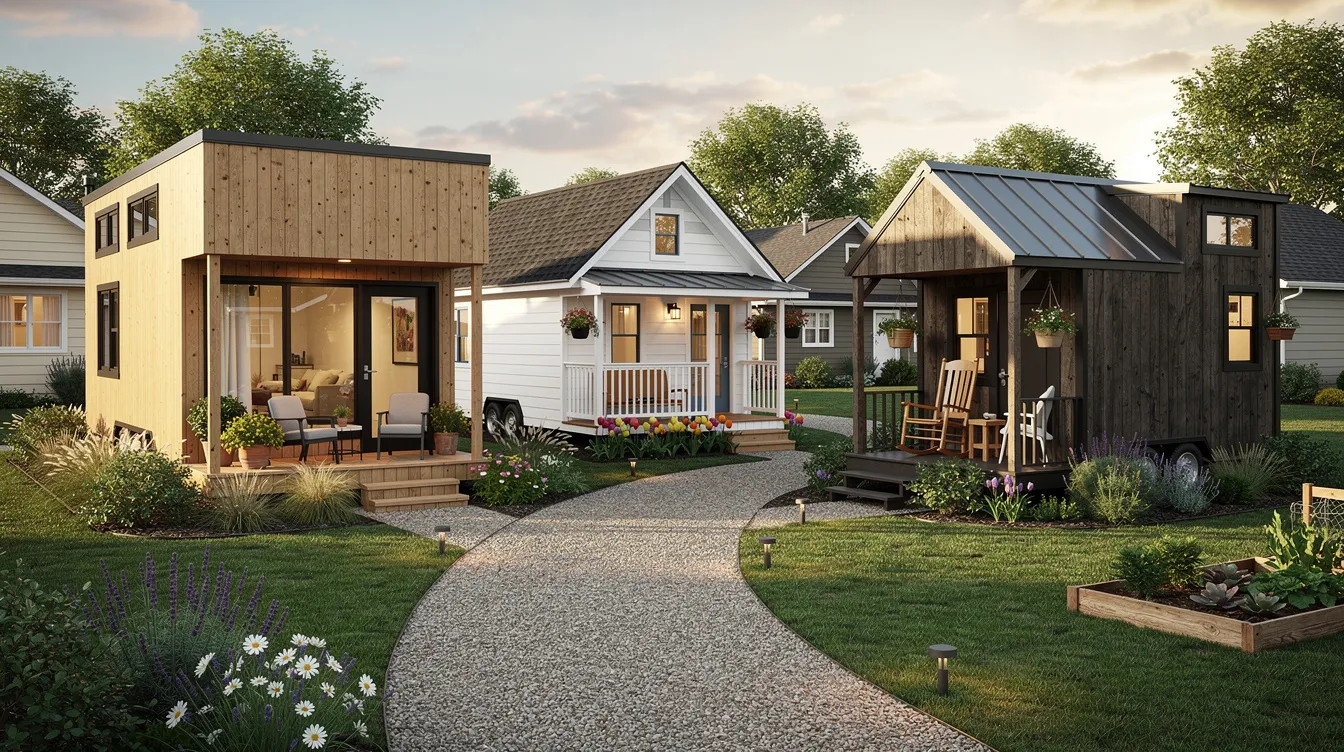
TinyHomeMap lets you search for communities and land in the United States that already welcome tiny homes and accessory dwelling units, rather than forcing a tiny home into a hostile zoning context.
What Can You Use a Backyard Tiny House For? (Guest Space, Rental, Family)
Most local rules distinguish between using a tiny home as guest space, a long-term rental, or a separate dwelling. Each use can trigger different requirements.
Guest space and personal use: Home offices, studios, in-law suites, adult child housing, or caregiver quarters are often allowed under ADU or "accessory use" rules if size and occupancy limits are met.
Short term rentals (Airbnb/VRBO): Many cities now have specific ordinances for short term rentals. Using a tiny home as a vacation rental may require registration, transient-occupancy taxes, or may be banned outright in some zones.
Long-term rentals: Adding an official second unit for tenants usually requires legal ADU status, a separate address, compliance with safety standards, and sometimes different property tax treatment. Property taxes may apply if the tiny home is on private land as a permitted structure.
Multi-generational living: A ground-level ADU for an aging parent or a lofted small home for an adult child saving money are among the most common motivations driving the tiny house movement and community development around affordable housing.
Clarity on the intended use upfront is critical. Local planners typically ask this question early, and your answer influences which permits, inspections, and density rules apply.
Utilities, Parking, and Site Planning for a Tiny Home
Even when zoning and building codes allow a tiny home, logistics like utility connections, driveways, and site placement can make or break your project.
Utilities for permanent structures: Connecting to municipal or private water, sewer or septic, and electrical service is required. Some jurisdictions mandate separate meters. Environmental health departments may need to evaluate septic systems for additional dwellings. Utilities need reliable connections for tiny homes intended for full-time permanent residences.
Utilities for movable tiny homes: RV-style utility hookups for power and water are common. Composting toilets or off-grid systems may be options, but some local regulations prohibit "permanent" use of RV hookups on a residential lot.
Parking and access: ADU ordinances may require one extra off-street parking space, driveway widening, or-as in many California cities-waive parking requirements near transit.
Setbacks and site planning: Setbacks are rules dictating the minimum distance a structure must be from property lines-typically 4 to 5 feet for ADUs. Local governments enforce lot coverage limits that restrict how much of your land can be developed. Consider window orientation, fire access for emergency vehicles, and privacy relative to neighbors.
Utility access on rural land may require well drilling, septic installation, or solar power systems, adding significant cost and planning time.
Costs, Financing, and Property Value Impact
Adding a tiny home is not automatically cheap. Costs vary by region, size, foundation type, and finish level, but are generally lower than building a traditional home or purchasing another property.
| Type | Typical 2026 Cost Range (USD) |
|---|---|
| Tiny home on wheels | $60,000–$150,000 |
| Small foundation ADU (high-cost metro) | $150,000–$350,000 |
| National average, 600 sq ft detached ADU | ~$243,000 |
| Modular small home | $100,000–$250,000 |
Financing options include cash, home equity loans or HELOCs, construction loans for permitted ADUs, RV loans for certified homes on wheels, and vendor financing from some tiny home builders.
Foundation-based ADUs usually add to the property's appraised value and can generate rental income. Movable tiny homes may not be fully counted in an appraisal but still have market appeal. California requires tiny homes to comply with local building codes, and foundation-built tiny homes must meet local residential building codes to be counted as legal improvements.
Ongoing costs to budget for include impact fees, higher property taxes on improvements, insurance premiums, maintenance of separate systems, and management costs if the unit is rented out.
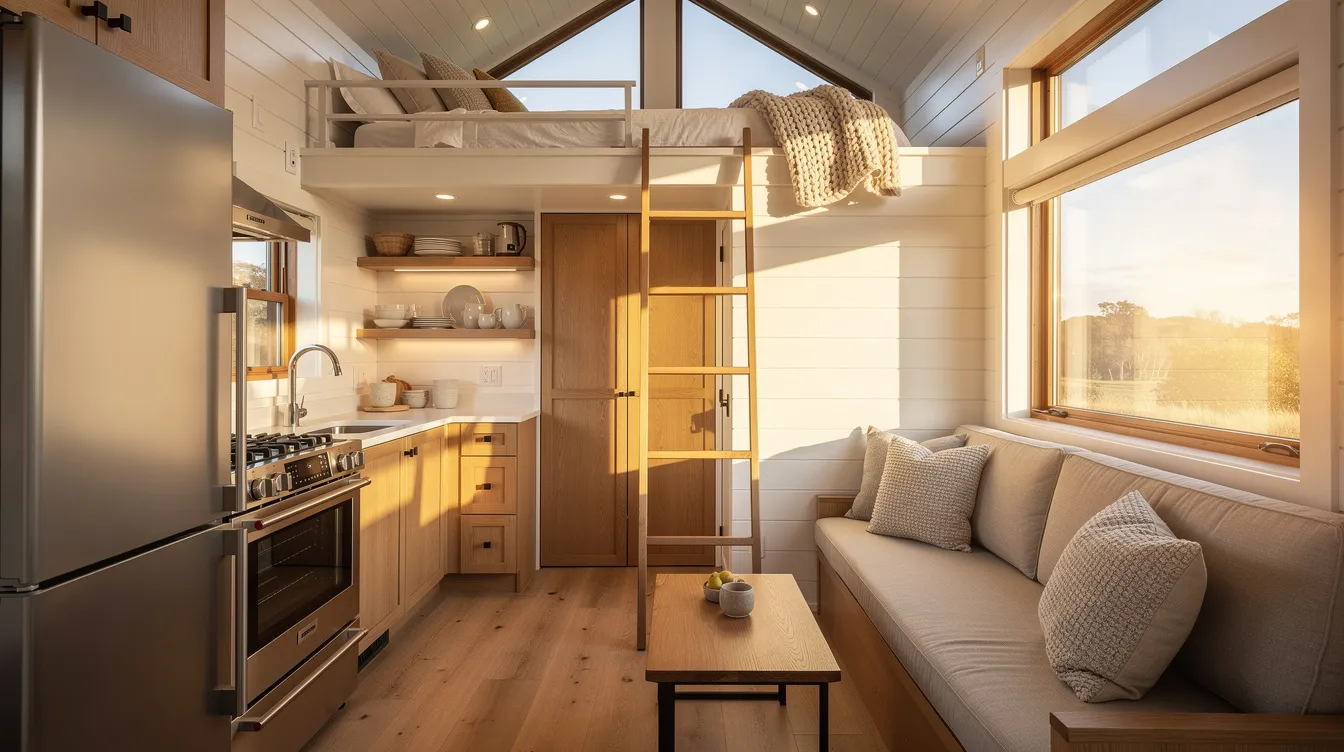
Step‑by‑Step: How to Check If Your Property Can Allow a Tiny Home
This section is your practical checklist. Print it, work through each step, and you will know whether your property can support a tiny home before spending a dollar.
Locate your property on your city or county's online zoning map. Write down the zoning code (e.g., R-1, RR, AG-20).
Download or request the zoning ordinance section on accessory dwelling units or accessory structures.
Confirm if ADUs, secondary dwellings, or movable tiny homes are listed as allowed uses in your zone.
Call or email the local planning or zoning office with specific questions about adding a tiny home or ADU on your property.
Verify minimum lot size, setbacks, maximum unit size, lot coverage, and parking requirements for your parcel.
Ask the building department which code standards apply-IRC with Appendix Q, modular, manufactured home, or RV certification.
Sketch a basic site plan showing where the unit would sit relative to property lines, the main house, driveways, and utilities.
Collect a copy of your deed, a recent survey, and photos of the lot. Planning staff often request these during pre-application meetings.
If your current property proves too constrained, use TinyHomeMap to identify builders, designers, and tiny-home-friendly land in your area. Sometimes the easier path is placing your tiny home on a parcel that already welcomes it, rather than fighting an uphill zoning battle.
Common Legal Pitfalls and How to Avoid Them
Many tiny homeowners run into trouble not because tiny homes are illegal everywhere, but because they skipped key legal steps or misunderstood their local requirements.
Parking a THOW long-term without permits: Cities often treat a tiny house on wheels in a backyard zoned for one dwelling as an unpermitted second residence or prohibited RV use. This can lead to fines or removal orders.
Skipping building permits for a permanent structure: Creating an unpermitted ADU can cause serious issues when selling, refinancing, or filing insurance claims, and may trigger forced demolition or expensive retroactive inspections.
Ignoring HOA rules: Homeowners Associations can impose additional restrictions on tiny homes and ADUs. Many HOAs in 2026 still ban visible RVs, detached second units, or non-traditional structures on private property, even where city zoning might allow them.
Insurance and liability gaps: Treating a fully occupied tiny home as "just a shed" without informing your insurer can lead to denied claims after a fire, injury, or storm. Make sure any structure used as living space is properly insured.
Careful upfront research, written approvals from your local planning office, and working with experienced ADU or tiny home professionals can prevent most of these problems. When in doubt, get it in writing.
How TinyHomeMap Helps You Find Tiny-Home-Friendly Options
TinyHomeMap is an independent global directory that makes it easier to find tiny homes, land, and tiny home communities where local rules already tend to allow tiny homes or ADUs. Instead of researching every county's code yourself, you can start with locations that are already welcoming.
Search TinyHomeMap's world map by location, price, and size to find tiny homes for sale, rentals, and ADU-style units that match your goals and budget.
Filter for land and communities that explicitly welcome tiny homes, accessory dwelling units, or homes on wheels, helping you avoid parcels with hostile zoning or HOA restrictions.
Browse listings for builders, manufacturers, and designers who specialize in tiny homes, park models, cabins, and off-grid homes-many of whom understand local zoning and building standards in their regions.
TinyHomeMap reviews submissions for accuracy and quality but does not intermediate the transaction. You connect directly with owners, builders, or land sellers to negotiate details and confirm legal suitability.
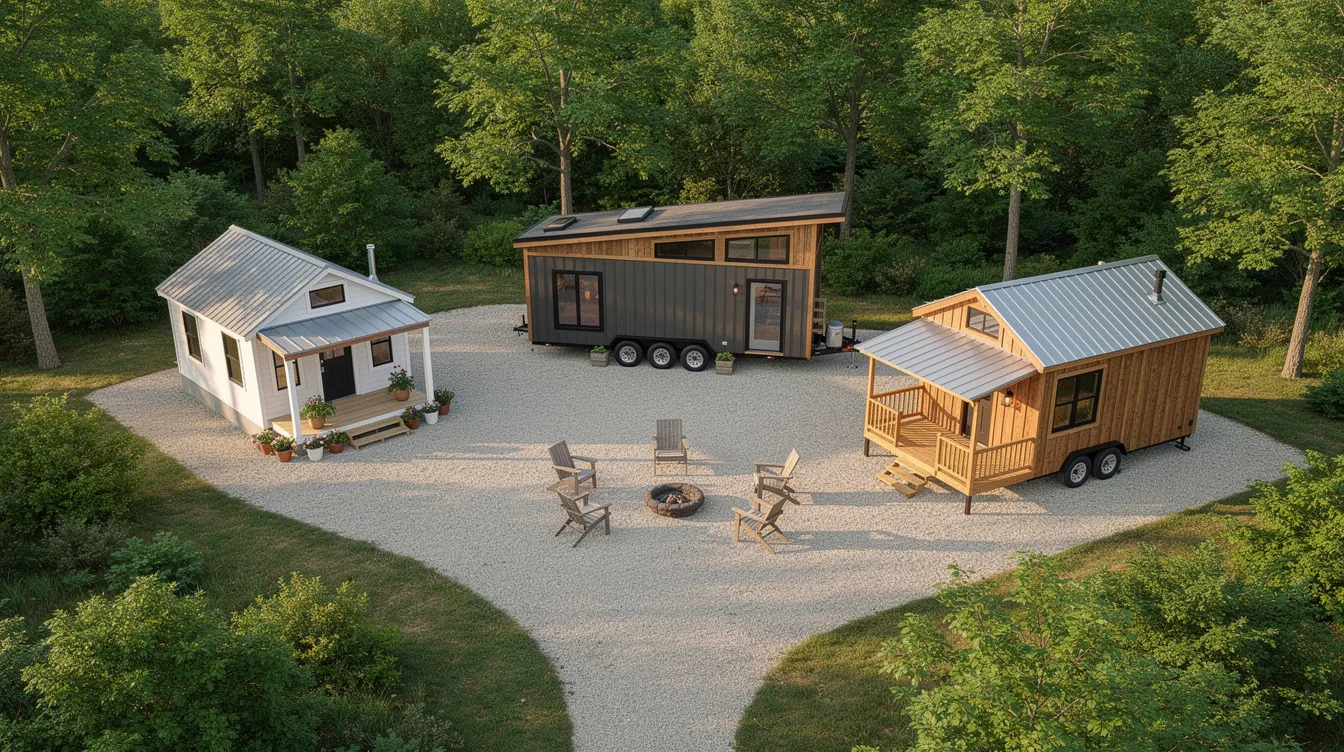
High-Quality Photography Ideas to Support the Article
Strong visuals help readers imagine a tiny home on their property. If you are creating content about tiny home living or marketing a tiny-home-friendly property, consider these approaches:
Hero image: A professionally shot photo of a modern tiny home or ADU in a typical suburban backyard, with the main house visible in the background.
Foundation vs. wheels comparison: Side-by-side photos of a code-compliant backyard ADU on a slab and a movable tiny house on wheels with hookups, showing their physical differences clearly.
Lifestyle interior: A warm, well-lit tiny home interior showing a full kitchen, seating, and loft to show that more flexibility in design does not mean sacrificing comfort.
Community shot: A ground-level or slight aerial image of multiple ADUs or a tiny home community to illustrate how small homes integrate into neighborhoods or places like Lemon Cove Village and similar communities.
FAQ
The following questions address practical concerns that go beyond the main sections of this guide. Each answer is kept concise but specific enough to act on.
Do I always need a permit to put a tiny house in my backyard?
In most U.S. cities and counties, any tiny house used as living space-meaning it includes sleeping, cooking, or bathing facilities-requires some kind of permit, especially if it is connected to utilities. Even a small or movable unit generally needs approval if someone will live in it. Some rural areas may be more relaxed, but you should still verify with the local building and zoning departments. Calling in advance is always safer than being ordered to remove an unpermitted unit later.
How long does it typically take to get approvals for a backyard tiny home?
Timelines vary widely. Simple ADU permits in ADU-friendly cities can sometimes be approved in 4 to 12 weeks, while more complex or unusual projects in stricter jurisdictions may take 6 to 12 months. Using pre-reviewed ADU plans, proven tiny home models, and hiring local professionals who already know the jurisdiction's process often shortens review times considerably.
Can I live in a tiny house on wheels full-time on my property?
Some cities and counties explicitly allow movable tiny homes or occupied RVs as long-term dwellings on residential lots, but many others restrict RV living to campgrounds or limit how long an RV may be occupied on private land. Ask your local planning department whether an "occupied RV" or "movable tiny home" is allowed as an accessory dwelling on your lot, and get any approval or prohibition in writing before investing.
Will adding a tiny home increase my property taxes?
In most U.S. jurisdictions, adding a permitted permanent structure like a foundation-based ADU or small home will increase assessed value and therefore property taxes. The amount depends on local assessment practices and the value of the improvement. Movable tiny homes not permanently affixed to the land may be taxed differently or not at all as real property. Confirm with your local tax assessor's office before assuming either way.
What if my current property won't allow a tiny home at all?
Some properties are simply too restricted by zoning, HOAs, setbacks, or lot size to accommodate an ADU or tiny home legally. If that is your situation, consider placing the tiny home in a nearby tiny-home-friendly community, buying or leasing rural land in a county with more flexibility, or using TinyHomeMap to locate properties and communities that already allow tiny homes and accessory dwelling units. Sometimes the smartest move is finding the right land rather than fighting the wrong legal landscape.
Related articles
More guides that dig deeper into the same topics.
Ready to start searching?
Browse tiny homes, plans, builders, communities and land on the interactive map.
Explore the map