Do Tiny Homes Appreciate in Value? A Realistic 2026 Guide
16 min read · Updated October 17, 2026
By John
Key Takeaways
Most tiny homes-especially tiny homes on wheels-depreciate like vehicles, not traditional homes. A tiny house on wheels can lose 15–25% of its value in the first year alone, and most will never appreciate the way real estate does.
The resale value of a tiny home hinges on four key factors: land ownership, build quality, legal classification (real property vs. personal property), and location. Getting these right makes all the difference.
Tiny homes on permanent foundations, particularly those permitted as an accessory dwelling unit, can participate in property value growth because the land appreciates even while the structure slowly ages.
In 2025–2026, the tiny home market is maturing. Buyers are more price-sensitive and quality-focused, meaning poorly documented or overly customized units sit on the market longer and sell at steeper discounts.
Throughout this article, we reference TinyHomeMap as a tool readers can use to compare real-world listings and prices globally before making buying or selling decisions.
Introduction: Tiny Homes, Investment Hype, and 2026 Reality
The tiny house movement picked up serious momentum after the 2008 financial crisis, when rising housing costs in cities like Los Angeles, Vancouver, Auckland, and Sydney pushed people toward smaller, more affordable housing alternatives. What started as a fringe lifestyle has matured into a legitimate segment of the housing market, complete with dedicated builders, communities, and financing options.
But the core question prospective buyers keep asking hasn't changed: "Will my tiny home appreciate in value, or will it lose money like a car?" The honest answer depends on whether you own a portable tiny home or a foundation-based unit, whether you own the land beneath it, and what your local real estate trends look like. Tiny homes cost an average of $45,000 to build, compared to traditional homes that average $323,000 to build-so the financial stakes are different, but the desire to protect your investment is the same.
This article examines real data and resale patterns from 2020–2026, written from TinyHomeMap's independent perspective as a global tiny home directory-not a builder trying to sell you a unit.
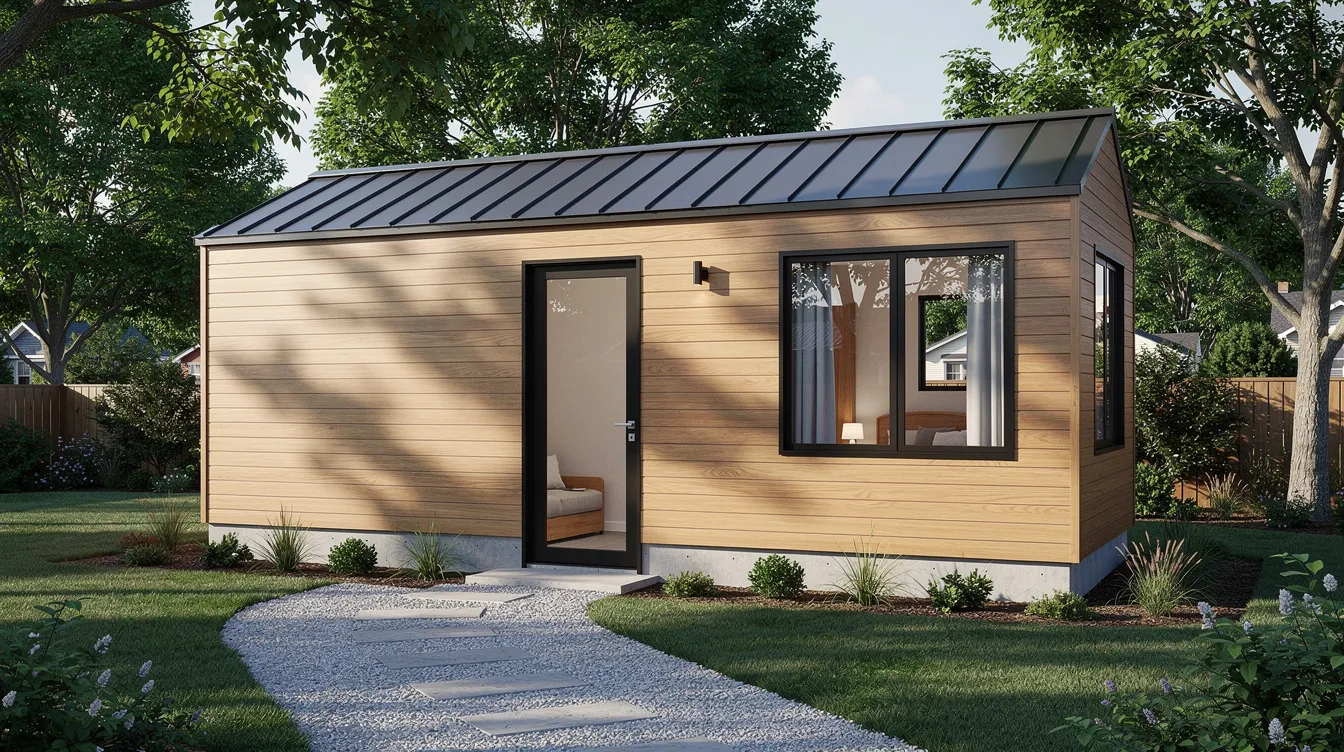
What "Appreciate in Value" Really Means for Tiny Homes
In traditional real estate, "appreciate in value" means the combined value of land and permanent structures has risen over time, typically outpacing inflation. Traditional homes typically appreciate over time because land is a finite resource that drives real estate appreciation. Single-family homes in many U.S. metro areas have historically appreciated at roughly 5–8% annually.
Here's the critical distinction: most tiny homes, especially those on wheels or skids, are legally treated as personal property-like RVs-not real estate. That means they follow a depreciation curve, not an appreciation trajectory. Tiny homes depreciate like vehicles, not traditional homes.
Consider this comparison: a tiny house on wheels in Colorado that cost $95,000 in 2016 might now list for $55,000–$70,000. Meanwhile, the land under a small bungalow in Denver more than doubled over the same period. The structure lost value; the land gained it.
Key definitions to keep in mind:
Property value: the combined worth of land plus permanent improvements
Resale value: what you can realistically sell for within 3–6 months
Good investment: either appreciates meaningfully or produces consistent net income after all costs
| Category | Typical Behavior | Appreciation Potential |
|---|---|---|
| Traditional house on owned land | Appreciates with land value | 5–8% annually in strong markets |
| Tiny home on permanent foundation / ADU | Can appreciate via land value | Moderate, especially in high-demand areas |
| Portable tiny homes / THOWs | Depreciates like a vehicle | Rare; usually loses 15–25% in year one |
Types of Tiny Homes and How They Hold (or Lose) Value
Not all tiny homes are equal. Classification and mobility dramatically change how tiny houses hold their resale value over time. The three main categories-tiny homes on wheels, portable units on skids, and foundation-built ADUs-each behave very differently when it's time to sell.

Tiny Homes on Wheels (THOWs)
Tiny homes on wheels are typically registered as trailers or RVs and are considered vehicles in many jurisdictions. Most tiny homes are built on trailers and treated like vehicles, which is why tiny houses depreciate rather than appreciate. Tiny homes on wheels lose 15–25% of value in the first year, and by year five, many used THOWs sell for about 40–60% of their original turnkey price.
The key advantages of THOWs include lower cost upfront, mobility for a nomadic lifestyle, and strong appeal as Airbnb-style rentals in tourism areas. These income streams can partially offset depreciation.
But the cons for appreciation are significant: the buyer pool for tiny homes is very small, tiny homes rarely qualify for traditional mortgages, and tiny homes often require RV or personal loans for financing at higher interest rates. Traditional homes qualify for standard mortgages at lower rates, giving them a far larger pool of buyers. Rapidly changing design trends can also make older THOWs look dated quickly.
What helps THOWs keep value:
Certified builders (e.g., RVIA certification)
Neutral design and flexible layouts
Off-grid systems (solar, composting bathroom, water filtration)
Full documentation and maintenance logs
What destroys value:
Water damage or mold
Amateur electrical or plumbing work
Overly quirky or themed layouts
Missing build documentation
Portable Tiny Homes (Not Legally on Wheels)
Portable tiny homes-units built on skids or relocatable bases-are common in places like New Zealand and rural North American markets. These sit in a grey area: they're not chassis vehicles, but they may not qualify as permanent real estate either. Tiny homes often lack real estate status and deeded property ownership in this category.
A 28 m² portable tiny home built in 2021 in New Zealand for NZD $165,000 might realistically resell in 2026 for NZD $120,000–$140,000 if it's in excellent condition with modern finishes and off-grid capability. But transport costs-cranes, escorts, permits-can effectively subtract $5,000–$20,000 from what a buyer is willing to pay.
One seller in the Auckland region initially listed a 2021 portable build at NZD $155,000, expecting to recover most of their cost. After six months with no serious offers, they dropped to NZD $130,000 and included delivery within 200 km. The home sold within five weeks. The lesson: pricing must account for the buyer's moving costs, not just the seller's build costs.
Tiny Homes on Permanent Foundations and ADUs
Once a tiny home is built on a code-compliant permanent foundation, permitted as an accessory dwelling unit, and attached to a legal parcel, it can be valued like other improvements in the real estate market. Foundation-based tiny homes appreciate better than those on wheels because they participate in land value growth.
The data backs this up. In California, homes with ADUs appreciated at approximately 9.34% annually from 2013 to 2023, compared to 7.65% for homes without ADUs. That compounding difference translated into roughly $349,000 in additional value over a decade. Legally permitted ADUs in California added an average of $190,000 to $340,000 to property value in recent appraisals.
Tiny homes on permanent foundations can hold or slightly appreciate in value, but it's crucial to understand that in most appreciation stories, it's the land and overall property that appreciate while the tiny structure itself slowly ages. The combined package is what sees net gains. In jurisdictions where tiny homes on foundations still face zoning resistance in 2026, resale value remains lower or uncertain because of limited buyer financing options.
The Big Divider: Land Ownership vs. Renting a Spot
For appreciation, land ownership usually matters more than the tiny home itself. Owning land improves tiny home resale value significantly-a point confirmed by Realtor.com data showing mobile homes listed with land appreciated roughly 70.1% from 2019 to 2026, while those without land saw about 51.6%. Land appreciates because it's a finite resource in growing regions.
Buying land and placing a tiny home on it can transform a depreciating asset into part of an appreciating real estate package. This is especially true in high demand markets like parts of Texas, the Pacific Northwest, and Australia's Gold Coast.
Contrast this with parking a THOW in a rented spot. The monthly pad rent continues while the structure keeps aging and depreciating, leaving the owner with limited ability to build equity.
Example scenario: Two owners buy similar $100,000 tiny homes in 2022. Owner A purchases a $120,000 rural lot near a growing city. By 2030, with even modest 5% annual land appreciation, Owner A's total property could be worth $250,000+. Owner B pays $500/month in pad rent (totaling $48,000 over eight years) and sells the aging tiny home for $50,000–$65,000 with no land to soften the loss.
Market Realities in 2025–2026: Demand, Supply, and Buyer Behavior
Tiny homes still represent well under 1% of total housing stock globally, but online search interest and listings have continued rising into 2025–2026. The maturing market-visible on platforms like TinyHomeMap where users can compare thousands of listings worldwide-has made buyers more discerning than during the 2015–2019 hype cycle.
Growth areas include tiny home communities in states with flexible zoning (Colorado, Tennessee, California), expansion of European and Australian off-grid cabins, and the normalization of ADUs in cities facing affordable housing shortages. Meanwhile, manufactured home median listing prices dipped about 5.7% year-over-year in early 2026, reflecting cooling market conditions, higher borrowing costs, and increased supply.
Increased supply of new factory-built units puts pressure on older or DIY builds, similar to how newer RV models squeeze the used market.
What this means for resale value:
More competition from new builds drives down prices for used units
Niche or overly personalized designs sell slower and at steeper discounts
Well-located, code-compliant units in the near future will continue to command higher prices
Buyers now expect documentation, certifications, and energy efficient features as standard
Key Factors That Influence Tiny Home Resale Value
Think of this section as a practical checklist of what helps or hurts resale value across all tiny home types. Market demand and perceived value of tiny homes depend on design and functionality, but several other factors carry just as much weight.
Location and Local Rules
Location significantly impacts the resale value of tiny homes. Units in regions with high housing costs, mild climates, and supportive zoning-California coastal metros, parts of British Columbia, certain regions of New Zealand-fetch higher prices and sell faster. Compliance with local zoning and building codes can influence tiny home value dramatically in either direction.
Research local zoning and building codes before buying land
Check whether your jurisdiction classifies tiny homes as real property or personal property
Look for cities that have adopted flexible ADU and tiny home regulations (Portland, Los Angeles, Auckland)
Many listings on TinyHomeMap note zoning-friendliness and allowed uses
Build Quality and Certification
Certified builds from experienced manufacturers using durable materials and modern insulation retain more resale value than DIY builds with unknown standards. Buyers in 2025–2026 routinely ask for maintenance logs, invoices, and build photos-having this documentation ready can translate into several thousand dollars of extra perceived value.
High-impact quality elements for resale:
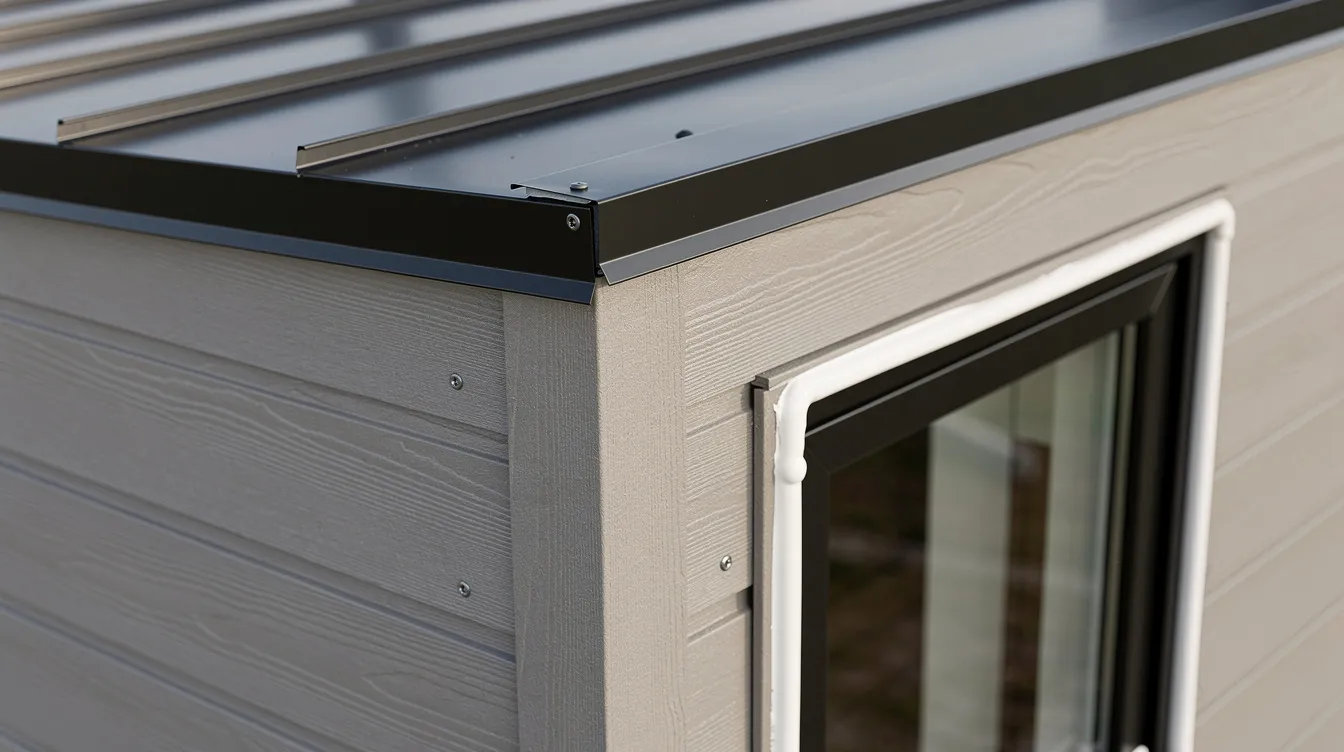
Metal roofing and quality weatherproofing
Professional electrical and plumbing work
Proper moisture management and vapor barriers
Third-party certifications (RVIA in the US, local building consents)
Design, Customization, and Layout
High customization levels in tiny homes lead to a niche resale market. Customization often reduces the resale value of tiny homes because highly personalized layouts-unusual loft configurations, bold color schemes, single-purpose built-ins-shrink the buyer pool even further.
Neutral, flexible layouts with a sleeping loft plus main-floor bed option, simple color palettes, and a standard kitchen and bathroom sell faster. On TinyHomeMap, two similarly priced 250 square feet homes in Oregon demonstrated this: the neutral design sold within 60 days, while a heavily themed "forest fairy" build sat for seven months before selling at a 22% discount.
Avoid hyper-customization that only appeals to your taste
Choose timeless finishes over trendy ones
Use high end finishes that are also durable, not just decorative
Focus on efficient use of space with easily removable or upgradable components
Age, Condition, and Maintenance
Unlike a traditional house-where age can be offset by land appreciation-tiny homes live or die on condition. Water leaks, mold, and structural issues slash resale value regardless of build year. A well-maintained 8-year-old tiny home with fresh exterior stain and documented servicing can command more than a poorly maintained 3-year-old unit.
Perform annual inspections (roof, chassis if on wheels, seals)
Keep all receipts and maintenance logs
Address minor leaks immediately-they become major problems fast
Schedule a professional inspection before listing to avoid surprises
When a Tiny Home Can Make Financial Sense
While most tiny homes rarely appreciate like traditional real estate, they can still be a good investment when used strategically. The tiny house worth often lies beyond pure appreciation.
Strong financial scenarios include:
Replacing high city rent with a paid-off THOW on owned land, allowing you to save money each month
Adding a rental ADU to generate long-term passive income on the same property
Using a tiny home as temporary housing while building a primary home
Rental example: A backyard ADU in Austin, Texas, costing $220,000 to build and renting for $1,450/month in 2026 creates both cash flow and property value uplift-even as the structure itself slowly ages.
Many buyers value lifestyle returns-reduced debt, sustainable living, lower utility bills, simpler routines-alongside or instead of resale gains. Tiny home living offers a sustainable lifestyle that can't be fully measured in dollar terms.
Ask yourself:
Is my priority equity growth, cash flow, or lifestyle freedom?
Am I prepared for the potential value loss on the structure if I need to sell?
Does buying land alongside my tiny home fit my budget?
How to Protect Tiny Home Resale Value from Day One
If you decide to proceed, a few strategies can minimize depreciation and maximize your potential value at resale:
Buy or secure long-term rights to a legal lot-this is the single biggest factor in whether tiny homes hold their value over time
Choose build quality over the absolute lower cost option; the down payment on quality pays dividends at resale
Avoid hyper-customization that narrows your buyer pool to near zero
Document everything from installation to every maintenance visit
Compare multiple listings on TinyHomeMap by age, size, build quality, and price to understand what holds value in your region
Design for resale:
Neutral palettes and clean exteriors
Durable exterior materials (metal roofing, quality siding, high-quality windows)
Plan for easy utility upgrades (solar-ready wiring, mini-split HVAC mounts)
Keep layouts flexible enough that buyers in different locations can imagine living there

Using TinyHomeMap to Research Prices and Plan Your Exit Strategy
TinyHomeMap is an independent global directory where users can browse tiny homes for sale or rent, builders, land, and communities plotted on one searchable world map with filters for price, size, and features.
Buyers can use current listings to gauge realistic price ranges for similar homes in their region, differentiate between portable tiny homes and real estate-tied ADUs, and understand how much customization the market tolerates. Sellers can monitor how long comparable listings stay active and what asking prices look like to set more accurate expectations.
Practical uses:
Benchmark build quotes against actual resale prices in your area
Assess whether adding a tiny home to your primary residence might raise overall ROI
Identify tiny home-friendly locations when buying land
Compare new vs. used listings side by side to gauge depreciation rates
TinyHomeMap doesn't broker deals-it provides transparency so you can make better financial decisions about tiny home investments.
FAQ: Tiny Home Appreciation, Investment, and Practical Decisions
These questions address common concerns not fully covered above, with practical answers grounded in current market data.
Do any tiny homes actually appreciate in value on their own?
It's rare for the structure alone to appreciate after inflation. The exceptions are narrow: iconic architect-designed units, extremely high end off-grid cabins in niche markets, or homes bought at distressed prices and renovated. A handful of well-known designer tiny homes have resold for slightly above purchase price due to media exposure and demand outstripping supply. But for most tiny homes, the best realistic outcome is slower-than-average depreciation rather than true appreciation-unless the sale is bundled with appreciating land.
How long does it usually take to sell a tiny home in 2025–2026?
Well-priced, legal, high-quality tiny homes in strong markets may sell within 1–3 months. Niche, overpriced, or poorly documented units can take 6–12 months or longer. Seasonality matters-spring and summer move faster. Listing exposure also plays a role: appearing on specialized platforms like TinyHomeMap versus local classifieds only can significantly cut time on the housing market. Track active and sold listings in your target area for a few months before listing to build realistic expectations.
Is financing available for tiny homes, and does it affect resale value?
Many banks treat portable tiny homes as personal property, offering an RV loan or personal loan with shorter terms and higher interest rates than standard mortgages. This financing reality shrinks the buyer pool considerably. Code-compliant ADUs and foundation-built tiny homes attached to land are more often financed with conventional mortgages or HELOCs, which improves both buyer access and resale value. First time homebuyers should ask builders about preferred lenders and verify classification before purchase, as this directly impacts future resale demand.
What size tiny home is best for resale value?
Mid-range sizes tend to attract the broadest buyer pool. For portable tiny homes, 200–350 square feet hits the sweet spot between livability and cost. For ADUs, 300–600 square feet offers enough space to function as a primary residence or rental without triggering the higher prices of a bigger home. Ultra-tiny units under 150 square feet and units approaching 800 square feet face narrower markets. Review popular sizes on TinyHomeMap in your region to see what actually sells well.
Should I buy a new tiny home or a used one if I'm worried about value?
Buying used can let the first owner absorb the steepest depreciation-similar to buying a 3–5 year-old car instead of new. You may pay $50,000–$65,000 for a unit that cost $90,000 new, and if you maintain it well, your own depreciation curve will be gentler. Buying new from a reputable builder offers warranties, current standards, and design control, but carries higher risk of early depreciation if resold within a few years. Compare new and used listings on TinyHomeMap side by side-looking at age, condition, features, and price-to see which option fits your risk tolerance and time horizon. Either way, top dollar goes to units with clear documentation, neutral design, and legal clarity.
Related articles
More guides that dig deeper into the same topics.
Ready to start searching?
Browse tiny homes, plans, builders, communities and land on the interactive map.
Explore the map