Towable Tiny Home: How to Choose the Right Home on Wheels
16 min read · Updated October 12, 2026
By John
What Is a Towable Tiny Home?
A towable tiny home is a fully built small house constructed on a road-legal trailer chassis - not a DIY camper, converted bus, or standard RV. These homes are designed for residential living while retaining the ability to be moved by vehicle, and this page will help you decide what style, size, and setup fits your needs.
Typical dimensions fall between 8.5 to 10.5 feet wide and 16 to 40 feet in length, with weights ranging from roughly 7,000 to 20,000 pounds depending on materials, systems, and size. These numbers matter because width determines whether you need special permits for towing, length and weight dictate what vehicle you'll require, and height plus structural stability affect both safety and legal compliance. Towable tiny homes typically range from 100 to 400 square feet of living space - a fraction of the average traditional home's 1,000 to 3,000 square feet.
Key distinctions separate towable tiny homes from related categories. RVs are built primarily for recreation and travel, often with shorter lifespans and industry-specific ANSI/RVIA certification. Park models are larger units built under ANSI A119.5 standards, transported once, then placed semi-permanently - like the Bozeman Park Model, which offers 399 square feet of living space and costs $243,000. Fixed-foundation tiny houses sit on slabs or piers and follow conventional building codes. A towable tiny home sits between these worlds: residential-grade construction on wheels.
TinyHomeMap lists towable tiny homes worldwide and lets users filter by size, price, location, off-grid features, and completion level - making it easier to compare options across styles and certifications.
Types of Towable Tiny Homes
Towable tiny homes come in several main formats, each suited to different travel habits, budgets, and local rules. Understanding which type fits your lifestyle is the first step toward making a clear choice.
Road‑Legal Tiny Homes on Wheels (THOWs)
These are the standard tiny house on wheels models, built no wider than 8 feet 6 inches (102 inches) so they can travel on most public roads without special permits. Heights are typically kept under 13 feet 6 inches to avoid bridge and overpass clearance issues. They're the best choice for people planning regular moves - digital nomads, seasonal workers, slow travelers across North America, Europe, or Australia.
Design features prioritize space efficiency: lofted sleeping areas maximize vertical room, galley kitchens keep the floor plan compact, and wet bathrooms combine the shower and toilet into one zone. A smaller 16- to 20-foot THOW often weighs 5,000 to 8,000 lbs, manageable with a half-ton or three-quarter-ton pickup truck. The Studio 20 tiny home, for example, is 8 feet by 20 feet - a compact, road-legal size that suits frequent moving.
Oversized Towable Tiny Homes (Park‑Style & 10.5‑ft‑Wide Models)
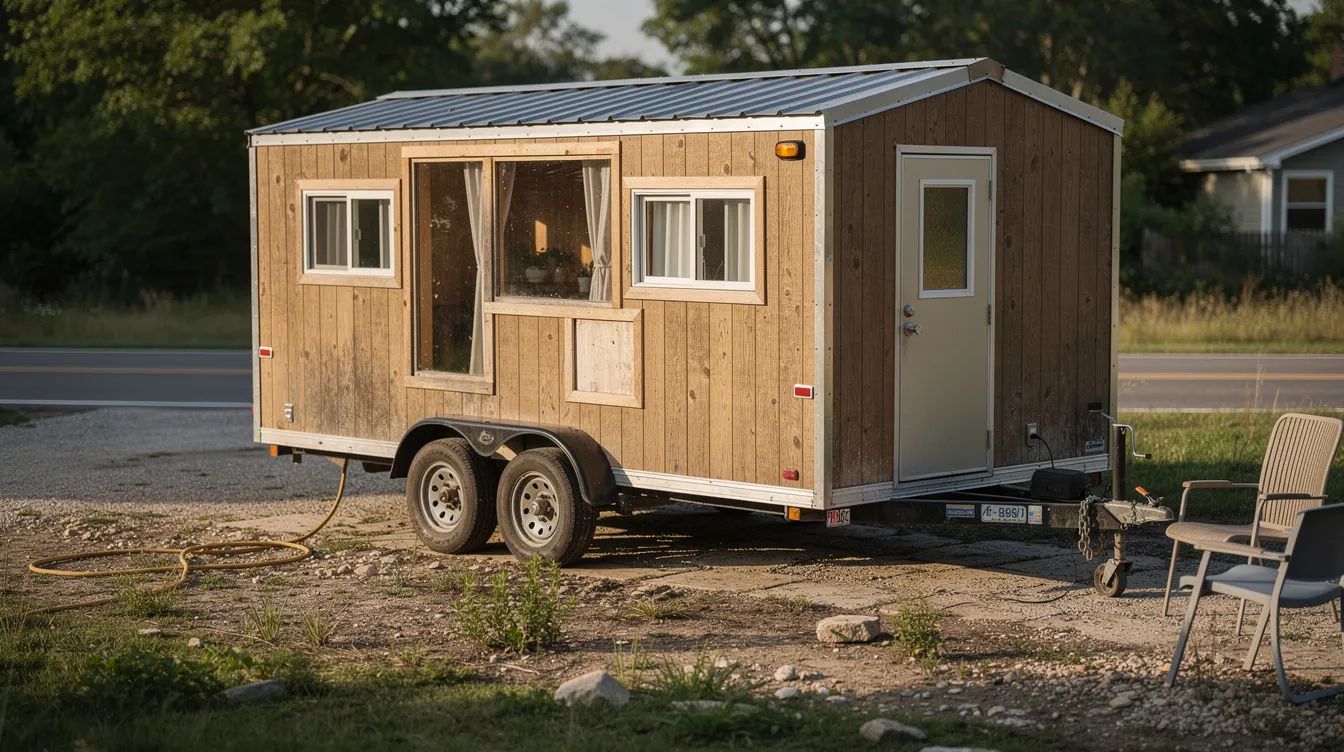
These wider or longer units exceed standard road-legal dimensions and may need oversized-load permits or pilot car escorts to move. The Roadhaus tiny house, for instance, is 10.5 feet wide and 38 feet long - a big footprint that delivers generous interior space but requires professional transport. Models can stretch up to 40 feet in length.
They're ideal for semi-permanent setups in tiny home villages, RV resorts, or on private land where comfort matters more than frequent travel. The extra width allows full-size kitchens, ground-floor bedrooms instead of loft sleeping, larger bathrooms, and sliding or glass pivot doors that open onto decks. The Bozeman Park Model is designed for full-time living or rentals, showing how these oversized models bridge the gap between a tiny house and a conventional home.

Off‑Grid Towable Tiny Homes
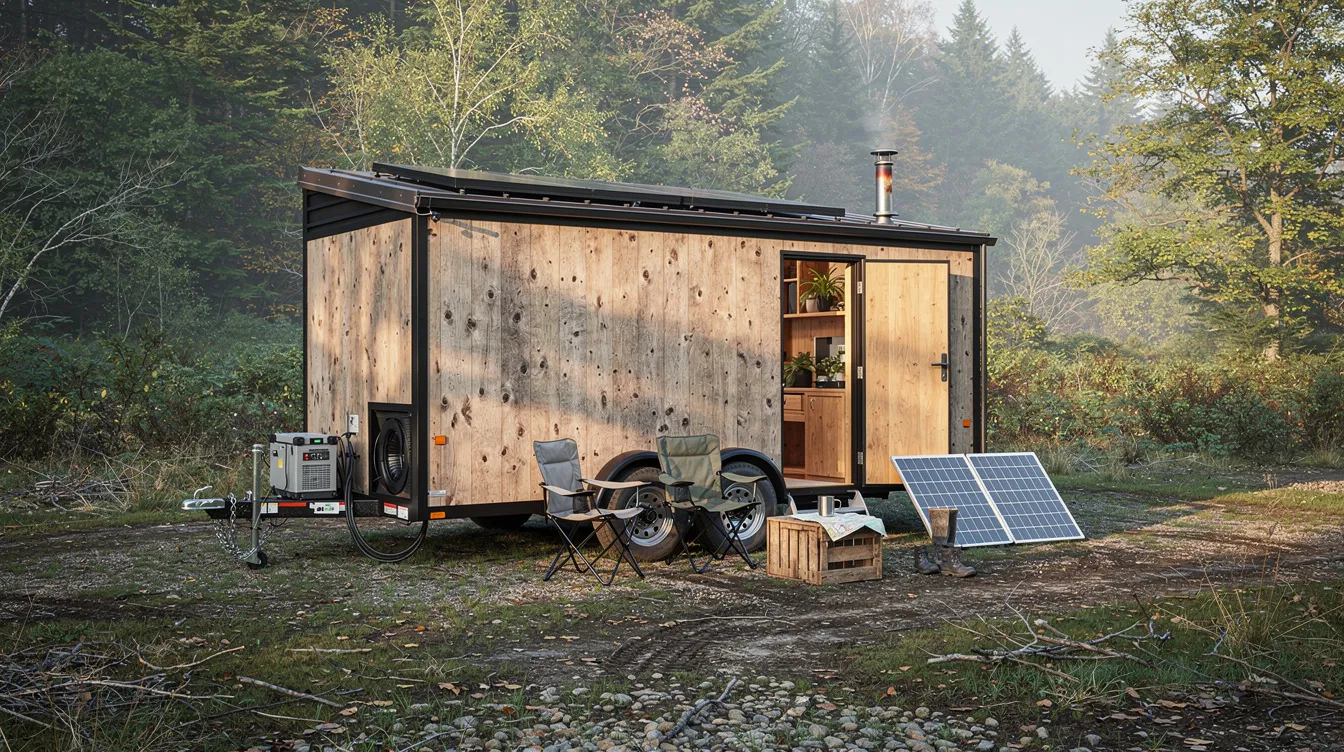
Off-grid towable tiny homes are equipped for remote living with solar panels, battery banks (lithium or AGM), composting toilets, large fresh water tanks, and grey/black water systems. Tiny homes can be equipped with solar energy for off-grid living, and utility setups can either be grid-connected or off-grid, depending on the design.
They suit people parking on rural land, homesteaders targeting low utility bills, and anyone wanting minimal environmental impact. Tiny homes typically require less energy to heat and cool compared to traditional homes, which amplifies the savings when you're generating your own power.
The trade-off: off-grid systems add 500 to 2,000+ extra pounds, so your towing vehicle and trailer rating become critical. Higher upfront cost and more complex maintenance are part of the deal, but a growing number of individuals are adopting tiny home lifestyles to reduce housing costs - and off-grid capability is a big part of that trend.
Turn‑Key vs. Shell Towable Tiny Homes
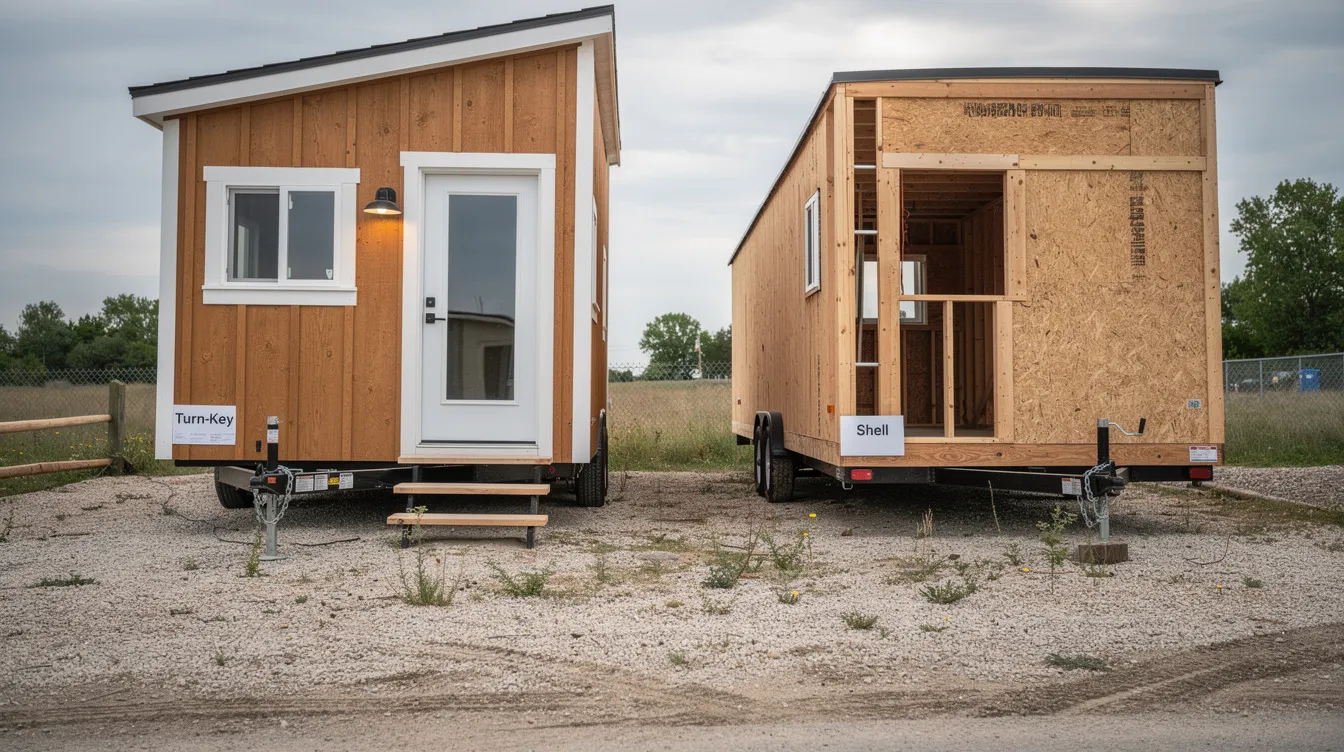
"Turn-key" means the home is fully finished - flooring, cabinetry, appliances, plumbing, electrical - ready to occupy on day one. "Shell" means the structure is weather-tight (walls, roof, windows, doors) but the interior is unfinished or only partially completed. Towable tiny homes require significantly fewer building materials compared to traditional homes, and shells take that efficiency further by letting you control costs.
Shells appeal to DIYers who want to customize layouts, choose their own finishes, and spread the work over time. Turn-key builds cost more but save months of labor and ensure systems are installed by professionals. Tiny home listings on TinyHomeMap include both options, and readers can filter by completion level to match their skills, budget, and timeline.
Rental‑Ready Towable Tiny Homes
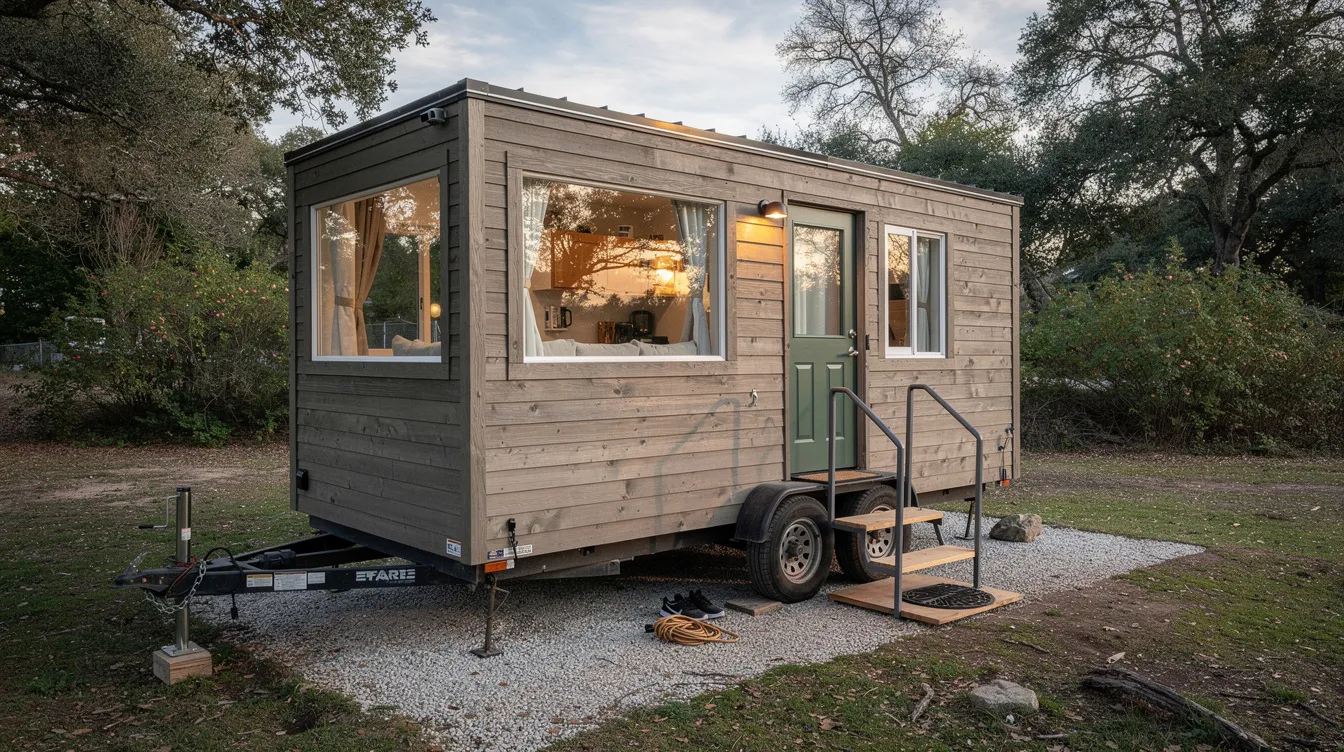
Rental-ready units are designed for short-term stays - Airbnb, glamping sites, or "tiny hotels." Tiny homes can serve multiple functions such as primary residence, guest house, or vacation home, and the rental use case is growing fast. Tiny homes can be rented for short-term stays, and purpose-built rental units feature durable, easy-to-clean surfaces, guest-friendly layouts with clear circulation and privacy zones, keyless entry, lockable owner storage, and robust HVAC.
The Clever S Stay tiny home, for example, costs $89,995, measures 24 feet by 10 feet, and sleeps up to four people - a strong option for investors or landowners adding units for extra income. Tiny homes can be customized for various uses like rentals, and the cost per square foot tends to be higher because of the durability and style needed to attract guests.
What to Look For in a Towable Tiny Home
This section turns features into a practical checklist so you can compare listings more confidently and know what questions to ask builders or sellers.
Trailer and Chassis Quality
The trailer is the foundation of any towable tiny home, and getting it wrong undermines everything built on top. Tiny house trailers are designed for safe, secure building - but not all trailers are equal.
Trailer type matters for layout and towing. Bumper pull trailers connect near the vehicle's bumper and work with a wide range of trucks. Gooseneck trailers require a truck with a bed-mounted hitch but offer better weight distribution and allow a loft over the hitch area. Deckover trailers raise the deck above the wheels for a flat interior floor but increase overall height. Dovetail trailers have a ramp for easier loading. Flatbed trailers provide the best surface for tiny houses when building from scratch.
Check the GVWR. The Gross Vehicle Weight Rating tells you the total load the trailer structure can safely carry - home, contents, water, and passengers. Overloading is dangerous and illegal.
Frame material and protection. Look for steel grade (A36 or A50), adequate cross-member spacing, and galvanizing or protective coatings, especially for coastal or humid climates where corrosion is a risk.
Brakes and axle configuration. Heavier builds need electric or hydraulic brakes. Tandem or triple axles distribute weight; check each axle's individual rating. The best trailer for your build matches the expected loaded weight with a safe margin.
Weight, Dimensions, and Towing Requirements
Before buying, you must know the gross vehicle weight, overall length (including hitch), height, and width of any home you're considering.
Dry weight vs. loaded weight. Many listings show dry weight, but water, appliances, belongings, and off-grid gear can add thousands of pounds. A mid-sized 20–24 ft THOW often weighs 8,000–13,000 lbs dry; loaded, expect more.
Tow vehicle matching. Smaller units under ~8,000 lbs can sometimes be handled by a half-ton truck (e.g. Ford F-150, Ram 1500). Heavier or longer homes - 24 ft and up - typically need a three-quarter-ton or one-ton pickup (Ford F-250/350, Ram 2500/3500). Always compare tongue or pin weight with your vehicle's rated capacity.
Legal width and height. Tiny homes must adhere to legal limits regarding width and height for road legality. In most U.S. states and Canadian provinces, the maximum width without permits is 102 inches (8.5 ft), and maximum height is approximately 13 feet 6 inches. Oversize units are better suited for mainly stationary use.
Layout and Space Planning
Floor plans in towable tiny homes use every inch deliberately. How that space is organized affects daily comfort more than total square footage.
Loft vs. ground-floor bedroom. A loft bedroom maximizes living area below but requires climbing; typical loft headroom is 3–4 feet. Ground-floor bedrooms suit older adults, families, or anyone with mobility concerns but reduce common-area space.
Convertible and multipurpose zones. Murphy beds, sofa beds, fold-down desks, and storage stairs keep the plan flexible. Enough space for daily life depends on smart design rather than raw square footage.
Kitchen and bathroom sizing. Galley kitchens with 8–12 feet of counter length handle serious cooking. A bathroom with a composting toilet and a separate or combined shower area is standard. The bathroom in many towable tiny homes includes a composting toilet, eliminating the need for black-water tanks.
Real-world sizing. Common bed sizes (queen in loft, full on main floor), ridge-line ceiling heights of 10–13 feet, and storage built into stairs or under-floor compartments are features worth checking in any listing.
Utilities: Power, Water, Heating and Cooling
Towable tiny homes are designed with RV-style hookups for utility connections, but options range from fully grid-tied to completely off-grid. Towable tiny homes can be equipped with off-grid capabilities like solar panels and composting toilets.
Electrical systems. Check amperage - 30A is adequate for smaller homes; 50A supports more appliances simultaneously. Solar + battery setups (lithium preferred for weight and lifespan) with an inverter handle off-grid power needs.
Water and waste. On-grid plumbing with standard hookups is simplest. Off-grid setups use fresh water tanks (40–100+ gallons), grey water collection, and composting toilets. Winterization features - heated hoses, insulated tanks, heat tape on pipes - are needed in cold climates.
Heating and cooling. Mini-split heat pumps are efficient for both jobs. Propane heaters work well in extreme cold. Electric on-demand tankless water heaters save space and energy. The last thing you want is an HVAC system that can't handle your climate, so match the system to where you'll be located.
Insulation, Climate Readiness, and Build Quality
Insulation levels, window quality, and moisture management determine whether a tiny home is comfortable year-round or miserable in extreme weather.
R-values. For cold climates, look for R-40+ in the roof, R-20+ in walls, and adequate underfloor insulation. Even in mild climates, proper insulation reduces energy costs.
Windows. Double-glazed at minimum; triple-glazed and low-E coatings for harsh winters. Well-sealed frames prevent drafts and condensation - a real risk in tiny structures with limited air volume.
Exterior materials. Cedar siding is beautiful but requires maintenance. Metal and fiber cement are more durable. Standing-seam metal roofing handles travel vibrations better than shingles. Moisture management - vapor barriers, proper flashing, roof overhang - protects the structure over years of use.
Certification. Third-party certifications like RVIA, NOAH, or ANSI compliance provide added assurance of build quality and can simplify insurance and financing.
Legalities: Zoning, Registration, and Where You Can Park
Tiny homes are often classified in a regulatory gray area regarding zoning and legality. Local zoning laws affect where tiny homes can legally reside, and the rules vary widely by country, state, province, and municipality.
Registration classification. A towable tiny home may be registered as an RV, travel trailer, or park model - each classification affects insurance, taxes, and where you can legally park. Certification (RVIA, NOAH) helps clarify status.
Parking options. Tiny homes can be towed and parked in RV parks. Other options include tiny house communities, long-term lease spots on private land with utilities, and rural parcels where local codes allow residential use.
Confirm before buying. Always check local regulations where you plan to park. TinyHomeMap's community and land listings can help you discover tiny-home-friendly locations, but confirming details with local authorities is essential.
How to Choose the Right Towable Tiny Home
Start by asking how mobile you really want to be, then filter by budget, comfort level, and intended use. Use TinyHomeMap's map and filters to narrow results based on your answers to these questions. Here's a decision framework:
How often you'll move it - Frequent travelers need lighter, road-legal THOWs (under 8.5 ft wide, under 13,000 lbs) with robust trailer engineering. If you're mostly stationary, you can consider wider, heavier park-style models with more living space and comfort features.
Your tow vehicle (or willingness to hire transport) - Match the home's weight to your existing truck's rated towing capacity. If you're buying a 10–12 ft wide or 30–40 ft long home, budget for professional transport - towing it yourself may not be safe or legal.
Who will live there (and for how long) - Solo occupants and couples have more tiny house options than families with children. Families need ground-floor bedrooms, enough space for privacy, and more storage. Older adults should prioritize main-floor sleeping over loft access. The Clever S Stay sleeps up to four people, showing that even compact models can work for small families.
Climate and location - Harsh winters push you toward higher insulation, triple-glazed windows, and propane or heat-pump heating. Hot, humid summers require good ventilation and cooling. Coastal locations demand corrosion-resistant materials. Where you'll be located shapes nearly every building decision.
Budget and build stage - Towable tiny homes generally cost between $30,000 and $150,000. DIY-friendly shells start lower; a towable tiny home can cost $65,000 in Portland, OR as a turn-key option. The base price of a tiny home is $76,000 on average. Tiny homes typically range from $51,399 to $243,000 depending on size and features. Factor in land or parking fees, utilities, insurance, towing costs, and permits for the total picture.
Intended use: home, rental, or hybrid - Full-time living demands ample storage, a proper kitchen, comfortable bedroom, and good climate systems. Rental units may prioritize visual style, durability, and simple maintenance over personal customization. Tiny home living encourages decluttering and focusing on experiences over possessions - a mindset shift worth keeping in mind whether you're buying for yourself or guests.
Frequently Asked Questions
These questions come up frequently among people browsing towable tiny homes. Here are direct, concise answers based on current market knowledge.
How much does a towable tiny home typically cost?
Towable tiny homes generally cost between $30,000 and $150,000, with the final price driven by size, finishes, off-grid systems, and custom design. Shell builds for DIYers typically run $30,000–$60,000 for models under 24 feet. Turn-key completed THOWs from reputable builders often fall between $65,000 and $150,000 or more. The Clever S Stay tiny home costs $89,995, while premium park models like the Bozeman can reach $243,000. Maintenance for tiny homes is typically less complex and costly than for traditional homes, but traditional homes generally appreciate in value over time while tiny homes often depreciate - an important financial consideration. Cost per square foot in turn-key THOWs ranges from roughly $150 to $400+, higher than conventional construction thanks to the density of systems and custom work in a compact structure. TinyHomeMap listings display prices and can be filtered by budget to quickly surface options in your region.
What kind of vehicle do I need to tow a tiny home?
Requirements vary based on the home's loaded weight. Smaller THOWs under ~8,000 lbs may work with a half-ton pickup. Mid-sized models (20–24 ft, 8,000–13,000 lbs) typically need a three-quarter-ton truck like a Ram 2500 or Ford F-250. Larger or heavier homes - 24 ft and up, over 13,000 lbs - usually require a one-ton vehicle like a Ford F-350 or Ram 3500. Gooseneck trailers require a truck with a bed-mounted hitch. Always compare the trailer's GVWR and tongue weight with your vehicle manufacturer's rated towing capacity, and consider professional transport for the heaviest or widest models.
Where can I park a towable tiny home legally?
Rules differ widely by country, state, province, and even city, and may depend on whether the home is registered as an RV, trailer, or dwelling. Common options include RV parks, tiny house communities, long-term spots on private land with the owner's permission and utility access, and rural or agricultural parcels where local codes allow it. Tiny homes can be towed and parked in RV parks in most jurisdictions, but full-time residency rules vary. TinyHomeMap can help you discover tiny-home-friendly communities and land listings, but always confirm the details with local zoning authorities before making a commitment.
Is a towable tiny home suitable for full‑time living?
Many people live full-time in towable tiny homes year-round, but success depends on several factors: adequate insulation for your climate, a functional layout with enough space for daily routines, proper utilities (full kitchen, bathroom, heating and cooling), and legal parking. Look for features like a full kitchen with sufficient counter length, a proper bathroom with shower, adequate wardrobe and storage, and climate-appropriate insulation. Tiny homes can serve multiple functions such as primary residence, guest house, or vacation home - the key is matching the build to your specific needs and expectations.
Can I finance or insure a towable tiny home?
Financing and insurance options exist but vary. Some lenders treat towable tiny homes as RVs, others as personal property - classification affects loan terms and interest rates. Insurers may offer RV policies, specialty tiny home coverage, or manufactured-home policies depending on how the home is certified. RVIA or NOAH certification simplifies both processes significantly. Ask builders how their homes are classified and check listings for notes on certification. Not all lenders will finance THOWs unless certain standards are met, so do this research early in the buying process.
Explore Towable Tiny Homes on TinyHomeMap
Now that you have the knowledge to evaluate towable tiny homes - from trailer quality and towing requirements to zoning, climate readiness, and budget - you're ready to start browsing with confidence. Use TinyHomeMap's filters to search by region, price, square footage, off-grid features, and community or land options to find more tiny houses that match your lifestyle.
Save your favorites, compare floor plans side by side, and reach out directly to builders, owners, or community operators when you find models that fit. Whether you're buying a shell to finish yourself, choosing a turn-key home for full-time living, or exploring rental-ready options for extra income, the right towable tiny home is easier to find when you know exactly what to look for.
Related articles
More guides that dig deeper into the same topics.
- Climate ControlTiny Home Heating Systems Compared: Wood, Electric, Propane & More
- Utilities & WaterTiny Home Water Heaters: Tankless, Point-of-Use, Solar & Heat Pump
- Legal & FinancialTiny Home Insurance: Coverage and Protection
- BuyingCavco Homes: Models, Features, Pricing & How to Choose
- BuyingTiny Home Under $10K: Affordable Designs, Real Builds & Where to Find Them
Ready to start searching?
Browse tiny homes, plans, builders, communities and land on the interactive map.
Explore the map